Jan 9, 2026
Vehicle Diagnostics & Brake Service: Best Strategies for Safer Driving 2025
I remember the moment vividly. I was cruising down the highway when suddenly, a faint squeal from my brakes caught my attention. Heart pounding, I realized I had neglected a crucial part of my vehicle maintenance — regular diagnostics and brake checks. That wake-up call taught me the hard way how small oversights can escalate into major safety issues. It’s not just about avoiding breakdowns; it’s about ensuring every drive is as safe as it can be.
Why Staying Ahead with Vehicle Care Is More Important Than Ever
In today’s fast-paced world, our vehicles are more than just transport; they’re lifelines. Yet, many drivers overlook routine checks until a warning light or strange sound forces immediate attention. The truth is, modern cars are complex machines that demand proactive care. Implementing effective vehicle diagnostics and brake service strategies can be the difference between peace of mind and costly accidents.
According to a recent report, nearly 60% of vehicle failures are due to overlooked maintenance issues, many of which could be predicted with proper diagnostics (source: Repair My Car Pro).
Joining the people who ignore early signs is a gamble — and an unnecessary one, at that. Regular diagnostics help detect issues before they become dangerous, especially with brake systems which are vital for safe stopping. Have you ever ignored a minor squeal or a warning light, thinking it was nothing? If so, you’re not alone. But what if I told you that taking action early not only saves lives but also saves money?
In this post, I’ll share proven strategies to keep your vehicle running reliably and safely in 2025. From understanding fault codes to maintaining your brake system, these tips are born out of personal experience and backed by industry experts. Ready to take control of your car’s health? Let’s dive in and make your rides safer and smoother.
Is it Really Worth It to Invest in Diagnostics and Brake Upkeep?
Early on, I made a costly mistake by dismissing a small engine hesitation. That one oversight led to a major engine overhaul. It was a lesson in how neglecting routine checks can backfire. The good news? Most auto repairs can be prevented with simple preventive measures. If you’ve ever hesitated to invest in proper diagnostics or brake service, ask yourself: what’s the true cost of ignoring these vital aspects of vehicle health? For comprehensive insights, you can explore our detailed guide on vehicle diagnostics strategies for 2025.
Performing Precise Vehicle Diagnostics
Start by connecting a reliable OBD-II scanner to your vehicle’s port, usually beneath the dashboard. Turn on the ignition without starting the engine, and let the scanner read the fault codes. These codes reveal specific issues stored by your car’s computer, guiding your repair approach. I once used this method when my check engine light illuminated unexpectedly; the scanner identified a misfire caused by a faulty sensor, allowing me to address the problem before it worsened.
Next, interpret the codes using an online database or repair manual to understand the underlying problem. Employing this step regularly helps catch issues early, reducing repair costs and enhancing safety. For detailed diagnostics techniques, visit our vehicle diagnostics strategies for 2025.
Executing Effective Oil Changes
Before draining old oil, warm up your engine for a few minutes to ensure complete oil flow. Place a drain pan beneath the oil pan drain plug, then carefully unscrew it. Let the oil drain completely—think of it as a cleanse for your engine, removing years of grime. Once empty, replace the drain plug securely. Remove and replace the oil filter—an often-overlooked step—since a clogged filter hampers oil flow and engine health. For optimal results, follow our oil change procedures in 2025.
pour fresh oil through the fill port, check the level with the dipstick, and run the engine briefly to circulate it. Confirm the oil level is within recommended range. Maintaining the proper oil quality and level protects your engine, ensuring smooth and reliable performance.
Maintaining Your Brake System
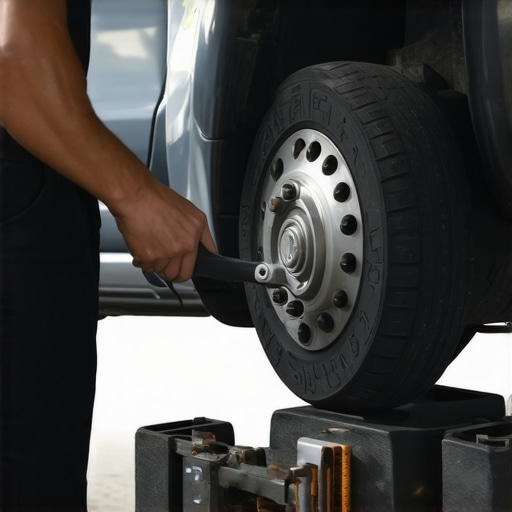
Start with inspecting brake pads for thickness; if they’re worn below 3mm, it’s time for replacement. Use a flashlight and a pry tool to check rotor condition—look for grooves or discoloration. Think of your brake system as the tires of your safety car: crucial for your journey’s security. I learned this the hard way when I neglected braking issues until a squeal turned into a grinding sound, which made me realize the importance of routine checks.
Next, test brake fluid levels and top up if necessary with manufacturer-approved fluid. Bleed the brakes periodically to remove air bubbles that compromise stopping power. For a detailed step-by-step, check out our brake system repair tips for 2025. Incorporate these practices consistently to maintain optimal braking performance and safety.
 Many drivers operate under misconceptions about routine vehicle maintenance, especially concerning oil changes and diagnostics. Contrary to popular belief, changing your oil too frequently isn’t always necessary; overdoing it can lead to the unnecessary waste of resources and neglect of other vital aspects like brake system health. Experts suggest that adhering to manufacturer-recommended intervals, combined with proactive diagnostics, provides the best balance between cost and safety (source: Auto Repair Tips for Reliable Vehicle Performance).
Are You Missing Subtle Signs That Signal Larger Problems?
One common trap is relying solely on dashboard warning lights or waiting until a noticeable issue arises. This reactive mindset can lead to costly repairs that could have been prevented through early detection. For example, a minor fluctuation in brake performance might be dismissed as normal wear, but it could indicate impending failure. Regular, detailed diagnostics—like interpreting fault codes with a quality scanner—can uncover these hidden issues before they escalate (see vehicle diagnostics strategies for 2025).
Another misconception is that all repairs are equally urgent, which isn’t true. Understanding the nuances—such as recognizing when a brake rotor needs replacement or when oil quality has degraded below safe levels—can prevent emergencies and extend vehicle lifespan. This requires knowledge of industry best practices rather than relying on generic advice or outdated routines.
Deliberately skipping preventive measures like regular oil changes or neglecting routine brake inspections creates a false economy. While the initial savings might seem appealing, the long-term costs—both financial and safety-related—are significant. For instance, neglecting brake maintenance until noise turns into grinding can amount to more extensive repairs or even dangerous failures. Incorporating effective strategies, like following comprehensive guides on oil change and diagnostics techniques, can make a critical difference.
Understanding the advanced nuances of vehicle maintenance helps car owners avoid these pitfalls. It isn’t just about following a schedule but developing a proactive mindset—interpreting subtle signals and leveraging diagnostic knowledge to maintain reliability and safety. Do you know the true condition of your vehicle beyond mileage and oil change reminders? Perhaps it’s time to dig deeper and invest in smarter maintenance practices. Remember, identifying issues early often means the difference between a quick fix and a costly overhaul. Have you ever fallen into this trap? Let me know in the comments.
Maintaining your vehicle’s health over time requires more than just basic checkups; it demands precise tools and effective methods. I personally rely on a few staple pieces of equipment that have consistently saved me time and money. For diagnostics, an OBD-II scanner like the BlueDriver Bluetooth Professional Code Scanner is my go-to. Its ability to quickly read and clear fault codes, interpret live data, and record freeze frames makes troubleshooting less intimidating. I use it regularly to monitor engine health, especially before long trips, ensuring no sneaky issues develop unnoticed.
Complementing the scanner, I swear by a quality digital multimeter—specifically, the Fluke 117. Precise voltage and resistance measurements aid in diagnosing electrical issues that are often overlooked. For instance, testing brake sensor wires or voltage supply lines offers immediate insights that a generic tester can’t match. These tools are essential for anyone serious about maintaining reliability without jumping straight into costly repairs.
Beyond hardware, software plays a pivotal role. I’ve found that automotive diagnostic apps like OBD Fusion and Torque Pro enhance my ability to interpret fault codes and customize data graphs in real-time. They make understanding complex vehicle behavior more accessible and help in catching emerging issues early, aligning with the future trend where vehicle diagnostics become increasingly digital and integrated seamlessly with smartphone tech.
So, how do I keep my tools effective over time? Regular calibration of my multimeter ensures readings remain accurate, vital for electrical diagnostics. I also update my diagnostic app databases periodically to stay compatible with the latest vehicle models. Additionally, I perform routine firmware updates on my OBD-II scanner, keeping it sharp for the newest diagnostic trouble codes and manufacturer-specific data.
Looking ahead, I think the trend in vehicle repair tools will lean heavily toward integrated diagnostic platforms that combine hardware diagnostics with AI-based predictive analytics. This evolution will allow for even better long-term maintenance planning, potentially alerting you to issues before symptoms appear.
What’s the Best Way to Maintain These Tools Long-Term?
Consistent upkeep of your diagnostic and repair equipment is crucial. Calibration, software updates, and proper storage prevent degradation and ensure precision. For example, I keep my multimeter in a dry, insulated case and check its calibration against known voltage sources every six months. This simple step preserves accuracy and saves headaches during critical diagnostics. Implementing such habits enhances the reliability of your tools and, consequently, the safety and performance of your vehicle.
Don’t overlook the impact of these small but critical details. Incorporate routine maintenance for your equipment just as you do with your vehicle. If you haven’t already, try calibrating your multimeter or updating your diagnostic app today—these small steps can make a significant difference in your auto repair confidence.
What I Wish I Knew Before Ignoring Small Signs
One of the most valuable lessons I learned was that subtle clues—like a faint squeal or a slight roughness in steering—often signal bigger issues beneath the surface. Acting early on these signs saved me from costly repairs and prevented dangerous situations. Trusting your intuition and catching small problems before they escalate can transform your driving experience and safety.
Another insight is that the tools we use, like a reliable OBD-II scanner or a good brake inspection kit, become your best allies. Investing in quality diagnostic equipment and learning how to interpret fault codes or brake wear patterns turns your vehicle into a health report you control—not just a machine you service when it breaks down.
Lastly, I realized that routine maintenance isn’t just about following schedules; it’s about understanding your car’s language. Regular diagnostics and brake checks teach you to recognize patterns and anticipate needs, shifting from reactive to proactive care. This mindset ensures longevity and safety, giving peace of mind on every journey.
Tools and Resources That Elevated My Maintenance Game
- OBD-II Scanner like BlueDriver: Its ability to quickly read fault codes and interpret live data made troubleshooting accessible and efficient. I trust it because it’s reliable and user-friendly, helping me catch issues early.
- Fluke 117 Digital Multimeter: Precise electrical diagnostics are essential, and this multimeter has saved me hours by pinpointing electrical faults that are invisible to the eye.
- Automotive Diagnostic Apps like OBD Fusion: These apps bring complex data onto my smartphone, making real-time interpretation simpler and more intuitive, especially when diagnosing modern vehicle systems.
- Repair Manuals and Industry Guides: Staying updated with the latest industry practices from trusted sources ensures I follow the most effective repair strategies and maintenance routines.
The Driving Force for Safer Roads and Smarter Maintenance
Embracing proactive vehicle diagnostics and brake care isn’t just a personal upgrade—it’s a commitment to safety for everyone sharing the road. Each small step, from interpreting fault codes to inspecting brake pads regularly, builds a foundation for dependable, worry-free driving. Remember, the knowledge you gain and the tools you trust now will serve you for miles to come.
Are you ready to take control of your vehicle’s health and prevent surprises on your next trip? Start small—learn your diagnostic tools, understand your brake system, and stay curious about what your car is telling you. Your safer, smoother rides are just a decision away.
What’s the first diagnostic or maintenance step you plan to tackle today? Share your thoughts below—I’d love to hear about your journey toward smarter vehicle care.
More Details
Reading this post really resonated with me, especially the part about early signs like squeals and rough steering indicators. A few months ago, I dismissed a faint squeal from my brakes, thinking it was just normal wear. Unfortunately, that small oversight escalated into a grinding noise that required costly repairs. Since then, I’ve learned how crucial regular brake inspections and diagnostics are, even when everything seems fine.
I’ve started using an OBD-II scanner to check fault codes myself, which has really increased my confidence in vehicle maintenance. It’s fascinating how much you can learn about your car’s health with just some basic tools. My question is, for those who are new to diagnostics, what’s the simplest setup or first step you’d recommend to start being proactive about your vehicle’s care? Would love to hear other tips and experiences on catching issues early.