Feb 3, 2026
5 Signs Your Shop Used the Wrong Oil in Your 2026 Hybrid
Ever been hit with that sinking feeling during a routine oil change, watching the mechanic pour in what should be the right stuff, but somehow suspecting something’s off? I remember a time when I trusted a local shop to service my 2026 hybrid. The engine ran fine at first, but within a few weeks, I started noticing unusual behaviors — strange noises, sluggish response, and a weird smell during drives. That was my lightbulb moment: I had the sneaking suspicion they’d used the wrong oil, or maybe a low-quality version not suited for my hybrid’s sophisticated needs.
Why Using the Correct Oil in Your 2026 Hybrid Matters More Than Ever
Modern hybrids like my 2026 model are engineered with precision, and the type of oil used can make or break their performance. The right oil ensures smooth operation, optimal fuel efficiency, and long-term engine health. But what if a quick oil change turns into a headache? Choosing the wrong type at the shop can lead to poor lubrication, increased wear, and even costly repairs down the line. That’s why I’m here to share my experience — and help you avoid the same pitfalls.
Is It Really Worth Stressing Over Oil Types?
Early in my journey, I made the mistake of selecting an oil based solely on price or a quick recommendation. It didn’t seem like a big deal at the time, but I learned the hard way how crucial the right oil is. According to experts, using incorrect oil can cause increased engine deposits and reduce overall reliability. If you’re wondering whether your shop might have made a similar mistake, keep reading. We’ll look at the top signs that your hybrid isn’t getting the right treatment, so you can catch issues early and keep your car running smoothly.
Have you already faced this problem with your hybrid? Feel free to share your experience — sometimes it’s the stories from other owners that drive us to better care.
Let’s dive into the warning signs that indicate your vehicle might be suffering from wrong oil, and how to address them effectively.
Verify the Correct Oil Type for Your Hybrid
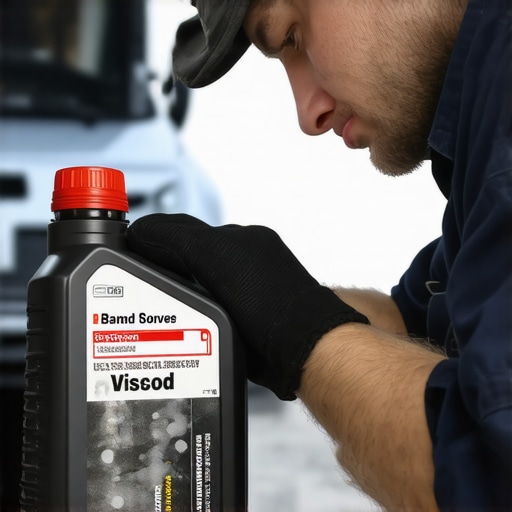
Start by consulting your vehicle’s owner’s manual to identify the recommended oil specifications. Use a reliable oil checker or your dealer to confirm the exact viscosity and API rating. During the oil change, ask the technician to show you the oil bottle to verify it matches these specifications. It’s crucial because using the wrong oil can lead to increased wear and poor engine performance, especially in advanced hybrids like the 2026 model.
Perform a Quick Visual Inspection Post-Oil Change
After the service, check the oil color and level. Fresh oil should be translucent and amber-colored. Remove the oil dipstick, wipe it clean, dip it back in, and then check the level. If the oil appears dark or gritty, or if the level is below minimum, schedule a follow-up. This simple step can help catch issues early before they impact engine health. For a more detailed diagnostic approach, consider reviewing auto repair maintenance tips.
Request Documentation and Receipts to Confirm Oil Type
Always ask for a detailed receipt that specifies the oil brand, type, and quantity used. Keeping this documentation provides evidence that your vehicle received the correct service, useful if problems arise later. If the shop was uncertain or used a generic oil, you might want to revisit the service provider. Remember, proper communication and documentation are your best tools to ensure maintenance quality. For further insights on preventing costly repairs, see auto repair cost management.
Use Technology to Double-Check Oil Quality
Consider installing a diagnostic scanner compatible with hybrid engines. Many modern scanners can read oil quality sensors and alert you to oil degradation or incorrect oil usage. When performing routine checks yourself, use vehicle diagnostics best practices to verify the health of your engine systems and oil condition. A quick scan can reveal lingering issues that might not be visible during a manual check.
Stay Proactive with Regular Maintenance Checks
Schedule periodic professional inspections that include oil analysis, especially if you’ve experienced inconsistent oil quality issues before. An expert can assess the oil’s additive levels and contamination, ensuring your engine remains protected. Routine inspections follow guidelines from vehicle diagnostics strategies and enhance long-term hybrid performance. Maintaining your vehicle proactively helps avoid expensive repairs and keeps your hybrid running smoothly on the roads.
 When it comes to vehicle diagnostics and repairs, many car owners fall prey to misconceptions that can lead to costly mistakes. One common myth is that modern diagnostic tools are foolproof; however, tools can sometimes give false readings due to software glitches or sensor malfunctions, which underscores the importance of understanding their limitations. For advanced car owners, it’s crucial to recognize that not all problems show up on scan tools; sometimes, a seemingly minor issue like irregular brake noise can be a sign of deeper, hidden problems that standard diagnostics overlook. This is why experienced technicians perform physical inspections alongside electronic checks.
Many believe that an oil change is just about replacing old oil, but advanced nuances such as oil viscosity compatibility with hybrid engines play a vital role. Using the wrong viscosity, even if it’s rated correctly by API standards, can lead to increased engine wear, especially in high-tech vehicles like the 2026 hybrid models. In fact, according to automotive efficiency studies, proper oil selection significantly affects engine longevity.
Another trap is underestimating brake service needs. Many drivers think that unless they feel a vibration or squeal, their brakes are fine.
But how can you tell if brake components are wearing prematurely?
You need to consider subtle signs, such as a soft pedal feel or increased stopping distances—both indicators that your brake system might be suffering from issues like uneven pad wear or caliper sticking, which aren’t always caught without thorough inspection. Relying solely on surface appearances can lead to dangerous driving situations.
Furthermore, there’s a hazardous misconception that all auto repair shops are equally trustworthy. In reality, many shops cut corners, especially on nuanced services like complex repairs that require precise diagnostics. One sneaky trap is using generic parts or outdated procedures that compromise the vehicle’s integrity and safety.
To avoid falling into these pitfalls, educate yourself about the key signs of quality auto service, and always demand transparency and documentation from your mechanic. Advanced diagnostics using high-quality scanners, combined with skilled manual inspection, are the gold standard for maintaining vehicle health today.
Have you ever fallen into this trap? Let me know in the comments and share your experiences. Remember, staying informed is your best defense against costly auto repair mistakes.
Equip Yourself with Precision Tools for Reliable Maintenance
When it comes to ensuring your vehicle stays in peak condition, having the right tools is non-negotiable. I personally rely on an advanced OBD-II scanner like the Autel MaxiSys Elite because it provides comprehensive diagnostics for hybrid systems, engine performance, and brake sensors. Unlike generic scanners, this device offers real-time data and custom code clearing, which is invaluable when diagnosing complex hybrid issues or verifying the accuracy of your vehicle’s onboard sensors.
Additionally, I recommend a high-quality digital multimeter with auto-ranging features, allowing precise testing of electrical components like sensors, actuators, and relays. This helps prevent premature failures and ensures your repairs are rooted in accurate data. Using these tools consistently saves you money by catching problems early and verifying that repairs have been correctly implemented, aligning with strategies discussed in auto repair best practices.
Implement Routine Diagnostic Checks for Peace of Mind
Beyond initial repairs, regular diagnostics are your best bet for long-term vehicle health. I recommend scheduling monthly checks with your scanner, focusing on oil quality sensors and brake system status. For example, many hybrid models incorporate sensors that monitor oil viscosity and contamination; using diagnostic tools effectively can reveal if your oil has degraded prematurely, signaling the need for an oil change before warning lights activate.
Practicing proactive diagnostics can prevent costly failures, especially as hybrid systems become more intricate. The trend in vehicle maintenance is moving toward smarter, sensor-driven checks—so investing in a good scanner now prepares you for the future of auto care.
How do I maintain optimal diagnostic accuracy over time?
Keeping your tools calibrated and updating their software regularly is critical. Many scanner manufacturers release firmware updates that improve compatibility with newer vehicle models and enhance diagnostic capabilities. Personally, I set a reminder every three months to check for updates and recalibrate my equipment. This consistent maintenance of your diagnostic arsenal ensures that you’ll catch issues early and avoid misdiagnoses that could lead to unnecessary repairs or overlooked problems.
In a rapidly evolving automotive landscape, staying ahead with the right tools makes a significant difference. Try integrating an advanced scanner into your routine maintenance, and experience the confidence of knowing you can accurately identify and address issues before they escalate.
If you want to go a step further, explore auto repair strategies for extending your vehicle’s lifespan. Consistent diagnostics combined with preventive measures will keep your hybrid performing reliably for years to come.

Throughout my years of maintaining modern hybrids, especially the sophisticated 2026 models, I’ve uncovered some hidden truths about oil selection that can save you money and heartache. One lightbulb moment was realizing that not all oils labeled the same are created equal — tiny differences in additive packages or viscosity can drastically impact engine health. I’ve seen firsthand how using the right oil can turn a troublesome engine into a smooth-running masterpiece, while the wrong type accelerates wear and leads to costly repairs. My advice? Don’t settle for generic or cheap oils; invest in quality, specific formulations designed for hybrid engines. Regularly verifying that your oil matches the manufacturer’s specifications can be the difference between a reliable drive and frequent trips to the mechanic. Trust me, understanding these nuances isn’t just about maintenance — it’s about protecting your investment and enjoy the peace of mind that comes with knowing your hybrid is in top shape.
More Details
This post really highlights how crucial it is to pay close attention to the type of oil used in hybrid vehicles like the 2026 model. I’ve experienced firsthand how using the wrong oil caused my hybrid to develop strange noises and sluggish response, similar to what the author described. It made me realize that the average mechanic might not always be aware of the specific requirements for high-tech engines. I now always double-check the oil specifications myself and keep detailed receipts to ensure quality control. One question I have is: for those who have older hybrid models, would you recommend similar practices, or are there particular signs to watch for that suggest a different maintenance approach? It seems that as vehicles get more technologically advanced, proactive monitoring and precise oil selection become even more vital for longevity.