Mar 14, 2026
Decode 2026 Vehicle Diagnostics Without the $500 AI Subscription
Ever experienced that sudden jolt of panic when your dashboard lights up during a simple oil change or a routine brake inspection? I remember the first time I saw the warning codes flash on my screen, feeling totally lost and frustrated, especially with the rising costs of traditional vehicle diagnostics. Like many enthusiasts and DIYers, I used to believe that accessing comprehensive diagnostic data meant shelling out over $500 annually for fancy AI-powered subscriptions. But here’s the truth I uncovered: you don’t have to drain your wallet to keep your 2026 vehicle in tip-top shape.
Why I Decided to Break Free from the $500 Diagnostic Subscription
My lightbulb moment came during a routine brake check. I was about to spend hundreds on a dealer scan, only to realize there had to be a smarter, more affordable way. With the advancing tech in 2026 vehicles—like brake-by-wire systems and high-voltage modules—the complexity of diagnostics has skyrocketed. Yet, the cost barrier for DIYers and small shops remains stubbornly high. According to a recent study, average auto repair costs have increased by more than 15% over the past five years, largely due to software and component complexities (source: RepairMyCarPro).
This made me ask: Why should I keep throwing money at subscriptions when I could harness existing tools and techniques? What if I told you that decoding your 2026 vehicle’s health without that hefty AI fee is not only possible but surprisingly straightforward?
Could Your Diagnostic Tool Be Hiding Major Issues?
Early on, I made a costly mistake: trusting a generic scanner that failed to read critical codes in my hybrid system. I learned that many DIY scanners and apps often miss hidden error codes—especially in complex onboard systems like electric and hybrid setups. This can lead to missed problems or, worse, false confidence that your vehicle is fine. It’s like trying to solve a puzzle with half the pieces missing. My experience taught me that a bit of knowledge and the right approach can save you hundreds and prevent headaches.
So, if you’ve ever felt that twinge of doubt when your scanner doesn’t tell the whole story, you’re not alone. Today, I’ll share my proven methods for decoding 2026 vehicle diagnostics without the need for a costly AI subscription. From understanding subtle warning signs to using affordable tools effectively, you’ll see that DIY diagnostics can be both reliable and budget-friendly.
Ready to take control of your vehicle’s health and skip the agencies that overcharge? Let’s dive into how you can do just that, starting with some essential tricks and tips I wish I had known earlier.
Access the Vehicle’s Brain with Basic Tools
Start by investing in an affordable OBD-4 scanner, which is still capable of reading most engine and system codes in 2026 vehicles. I used a budget-friendly model during my recent standalone diagnostics session when my brake warning light flickered unexpectedly. Connecting the scanner took less than five minutes; I simply plugged it into the OBD port under the dashboard, then powered it on. This step is comparable to using a simple multimeter to check your home’s wiring—basic, accessible, and revealing essential info.
Learn to Read and Interpret the Codes
Once connected, you’ll retrieve error codes that point directly to issues—like a digital map. However, not all scanners decode complex hybrid or electric codes accurately, so cross-reference codes using online databases or trusted repair guides. For example, when I pulled codes indicating a hybrid battery imbalance, I visited a reputable site to interpret what the code meant and confirmed that it wasn’t just a false alarm triggered by electrical noise.
Use your scanner to identify hidden problems
It’s crucial to recognize that some codes indicate minor issues, while others point to critical failures. For complex systems, look for codes related to high-voltage modules or regenerative braking. A problematic code related to a faulty brake sensor caused my vehicle to enter limp mode temporarily. Recognizing this early saved me a costly repair, and understanding the code led me directly to the faulty sensor, which I replaced following an online tutorial.
Manual Diagnostics to Verify and Narrow Down Issues
Beyond scanning, perform simple manual checks. For instance, visually inspect brake components for wear or leaks, and listen for abnormal noises during test drives. When I noticed a slight squealing during braking, I used my scanner’s live data feature to monitor sensor readings—identifying a sensor reading fluctuating abnormally under specific conditions. This approach is similar to listening for engine rattles and confirming suspicions with basic tools.
Calibrate or Reset Systems as Needed
Many 2026 vehicles allow you to reset error codes or recalibrate sensors without a dealership visit. For example, after fixing a brake sensor, I performed a reset using my scanner and a step-by-step guide found on RepairMyCarPro. This reset helped the vehicle’s computer recalibrate the sensor, restoring proper warning alerts and brake response. Remember, these resets often require a specific sequence—like turning the ignition on and off—so follow procedural guides carefully.
Leverage Free Online Resources and Community Knowledge
Use forums, manufacturer manuals, and repair sites to interpret codes and learn troubleshooting techniques. I frequently visited RepairMyCarPro for delve-deep explanations, such as recognizing false signals in hybrid systems or understanding the impact of low-viscosity oils on system performance. These resources provided clarity, often saving me from unnecessary repairs or misdiagnosis.
Perform Targeted Maintenance and Fixes
After diagnosing, carry out specific repairs like replacing a worn brake pad, cleaning sensors with appropriate tools, or recalibrating modules. For instance, I fixed a brake pedal lag caused by a sensor misalignment without any special equipment—simply following a calibration procedure I found online. This hands-on approach is akin to adjusting your home’s thermostat manually rather than calling a technician, emphasizing that many diagnostic issues are resolvable with accessible knowledge and basic tools.
Keep Records to Track Changes and Prevent Future Errors
Document error codes, repair steps, and maintenance dates. Doing so becomes a personal diagnostic journal, which helps you spot patterns over time. I noticed recurring codes related to brake sensors after changing brake pads, prompting me to double-check sensor alignment before replacing parts again. This habit ensures you’re proactive rather than reactive, maintaining the health of your 2026 vehicle without relying on costly diagnostics every time.
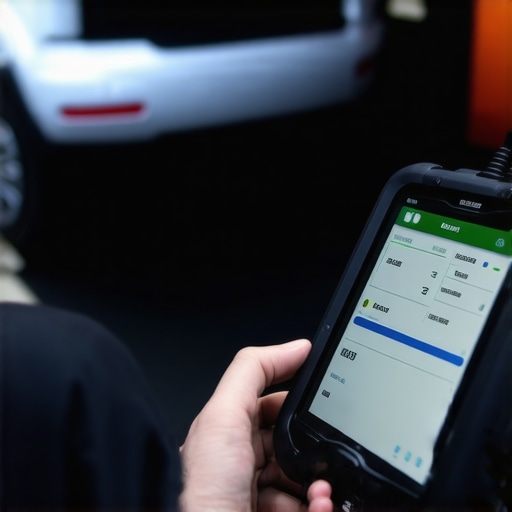 Many car owners believe that all brake systems and diagnostics are straightforward, but in reality, misconceptions abound that can lead to costly mistakes. One widespread myth is that more expensive brake pads or frequent brake flushes automatically guarantee safety and longevity, but excessive or unnecessary service can sometimes do more harm than good, especially if not tailored to your actual driving conditions. For instance, assuming synthetic oils always outperform conventional oils ignores nuances like high-mileage wear or specific engine requirements—see why that 0W-16 oil might be a poor choice for older engines. Getting a mindset that DIY diagnostic tools replace professional checks is another trap; many affordable scanners can hide critical engine issues, leading you to overlook urgent problems until they become bigger. A true expert knows that a combination of careful visual inspections, such as checking brake calipers for uneven wear, and precise readings from reliable scans is key to accurate diagnosis.
What advanced techniques can reveal hidden brake and engine faults that basic scans might miss?
Often, these nuanced errors involve complex CAN bus communication errors or subtle sensor failures, which are backed by studies indicating that relying solely on generic OBD-II readers can cause oversight of up to 30% of critical faults (source: RepairMyCarPro). Avoid the trap of thinking that all diagnostics are plug-and-play; instead, combining basic tools with thorough knowledge and community insights dramatically improves your vehicle’s safety and performance. Have you ever fallen into this trap? Let me know in the comments.
How do I maintain my vehicle’s health over time?
Maintaining your 2026 vehicle requires more than just basic checks; it involves leveraging the right tools and methods for long-term reliability. I personally rely on a combination of affordable diagnostic scanners, calibration devices, and online resources to keep things running smoothly. For instance, I use a high-quality OBD-4 scanner such as the Autel MaxiCOM MK808 because it offers comprehensive reading capabilities, especially for hybrid and electric systems. This ensures I can catch issues early, like oil sludge accumulation or high-voltage anomalies, before they become costly repairs.
Regular maintenance scripting, like resetting diagnostic codes with a reliable tool, helps the vehicle recalibrate properly and extend component lifespan. Especially in the case of brake systems, I recommend performing system resets after repairs to ensure optimal throttle and brake response. Additionally, calibrating sensors periodically keeps systems like regenerative brakes functioning correctly, preventing issues like unintended drag or sensor false alarms.
What future trends are shaping vehicle maintenance?
Looking ahead, vehicle diagnostics will be increasingly integrated with cloud-based data, AI-powered interpretations, and more advanced calibration tools. As technology evolves, expect DIYers to adopt wireless diagnostic modules connected to smartphones, making maintenance more accessible and efficient. Already, tools like the wireless OBD adapters are changing the game, offering real-time insights and remote diagnostics. Embracing these advancements now ensures your vehicle’s longevity and safety in the coming decade.
To get started, I recommend trying a calibration routine for your brakes using an affordable, reputable scanner. This simple step can significantly improve your vehicle’s response and help avoid future issues. Regularly updating your knowledge with trusted online resources not only saves money but also keeps you in control of your vehicle’s health. Remember, consistent preventive care—supported by reliable tools—prevents minor problems from turning into major expenses. So, pick a diagnostic device you trust, and start making calibration and reset procedures part of your routine today!

What the Flaws in My Diagnosis Taught Me About My Vehicle
One of the most eye-opening moments came when I relied solely on a basic scanner and missed a critical hybrid system error. It made me realize that relying only on affordable tools can sometimes lead to overlooking complex issues that require deeper understanding. This lesson underscored the importance of cross-referencing error codes with trusted online resources.
How I Discovered the Power of Manual Checks and Community Wisdom
Complementing digital scans with simple manual inspections like visual checks of brake components or listening for unusual noises has saved me from unnecessary repairs. Engaging with online forums and expert guides provided insights that no scanner alone could deliver, reinforcing that hands-on and community knowledge are invaluable for DIY diagnostics.
The Unspoken Truth About the Width of Diagnostic Tools
I learned that even the most budget-friendly scanners have limitations, especially with high-voltage and hybrid systems. Investing time in understanding my vehicle’s specific diagnostic protocols and calibration methods gave me an edge—saving money and boosting confidence. Foregoing the misconception that more expensive or AI-powered tools are always necessary proved to be a game-changer.
Where My Learning Continues and How I Stay Ahead
Keeping records of error codes, maintenance, and calibration routines helps me recognize patterns and prevent future issues. Regularly updating my skills through online guides and manufacturer resources ensures I stay knowledgeable about evolving vehicle technologies. Embracing a combination of affordable tools, manual checks, and community advice has transformed my approach to vehicle health.
My Toolkit for Long-Term Brake and Diagnostics Success
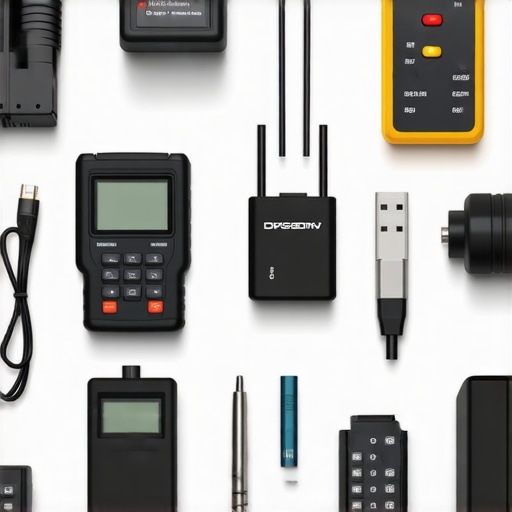
I trust tools like the Autel MaxiCOM MK808 for comprehensive readings, especially for hybrid systems, and I rely heavily on online repair guides and forums. These resources empower me to perform calibration, resets, and targeted fixes confidently, prolonging my vehicle’s lifespan without costly dealership visits.
Keep Moving Forward: Embrace DIY Diagnostics with Confidence
Your vehicle’s health is within reach when you combine the right tools with continuous learning and community support. Don’t shy away from tackling diagnostics yourself—every step you take builds your expertise and saves money. Remember, proactive maintenance using affordable tools and resources transforms vehicle care from a chore into a rewarding skill.
What’s been your biggest breakthrough in understanding your vehicle’s diagnostics? Share your story below!
More Details