Apr 5, 2026
Stop Your 2026 Vehicle Diagnostics Tool From Missing Timing Lag
Have you ever been in the middle of a drive, only to be blindsided by a mysterious warning light or a stubborn diagnostic code that won’t clear? I’ve been there—frustrated, scratching my head, wondering why my trusted scan tool was suddenly giving me the cold shoulder on critical features like timing lag detection. It’s an infuriating experience that sneaks up when you least expect it and can throw a wrench in your vehicle’s performance and safety.
Why Ignoring Timing Lag Issues Can Cost You More Than a Trip to the Shop
Recently, I discovered that a common problem with the 2026 vehicle diagnostics tools—especially missing signals like timing lag—can lead to serious engine inefficiencies and even damage if overlooked. The truth is, these diagnostic blind spots can cause misfires, reduced fuel economy, and, in worst cases, costly repairs. As someone who values DIY fixes and understands the frustration of ambiguous error codes, I want to share my insights into how you can prevent your diagnostic tool from missing these crucial timing issues.
Is Your Scanner Lying to You About Critical Errors?
Initially, I made the mistake of trusting my scanner blindly, assuming it would catch all errors, including timing lag. Turns out, early on, I overlooked subtle signs of sensor misreads and failed to update my device firmware regularly. This oversight cost me time and money. According to recent automotive studies, nearly 30% of driver-reported issues stem from overlooked sensor anomalies that aren’t immediately obvious without a deep dive (source: RepairMyCarPro). That’s why understanding the nuances of your diagnostics setup is more critical than ever.
In this article, I’ll walk you through practical steps to ensure your tool accurately detects and addresses timing lag issues, saving you headaches and maintaining your vehicle’s health. Next, let’s dig into what REALLY causes your scanner to miss these essential signals—and how to fix it once and for all.
,
Calibrate Your Scanner for Accurate Readings
My first real breakthrough came when I realized that simply updating my diagnostic tool firmware wasn’t enough—regular calibration was essential. Think of it like tuning a guitar string; if it’s out of tune, even slightly, the entire sound suffers. I followed step-by-step instructions from my scanner’s manual, connected to my vehicle, and performed a calibration routine, which involved cycling the ignition and running a specific sequence to sync signals. After doing this, I noticed a significant improvement in how my scanner detected timing lag issues, reducing false alarms and missed signals. Regular calibration ensures your device interprets sensor data correctly, especially for critical signals like engine timing, avoiding false positives or negatives.
Inspect and Clean Critical Sensors and Wiring
Locate Your Sensors
Next, I examined the crankshaft and camshaft position sensors—key players in timing detection. These sensors are akin to the mood rings of your engine, providing vital real-time data. I traced their wiring harnesses using my vehicle’s manual, ensuring I knew each connector and wire path. Dirty or corroded sensors can send faulty signals like a misfiring radio, so I gently cleaned the sensor tips with contact cleaner and checked the wiring for bends or breaks. For example, I once found a frayed wire that was intermittently grounding out, causing my scanner to miss timing events. Ensuring sensors and wiring are spotless and intact is a straightforward step that can prevent many diagnostic blind spots.
Update and Optimize Diagnostic Software Settings
Many scanners have custom settings to filter or prioritize signals. I accessed my device’s menu and toggled advanced parameters related to timing signals, ensuring it was set to record all relevant data. Think of it like adjusting the focus on a camera; setting the right parameters helps you see the critical details clearly. Additionally, I checked for software updates from the manufacturer’s website, similar to updating apps on your phone, which often include fixes for detection issues. This step increased the scanner’s sensitivity to timing lag without producing overwhelming false alarms, making troubleshooting much more precise.
Perform a Controlled Test Drive
To verify my improvements, I headed for a test drive, mimicking real-world conditions. I noticed that under acceleration, my scanner displayed more consistent timing signals, and error codes related to lag disappeared or became more predictable. During this drive, I also intentionally induced minor timing discrepancies (by lightly revving or decelerating) to see if the scanner caught these errors reliably. This practical test confirmed that calibration, sensor health, and software adjustments worked together to close the blind spots. Regular testing like this helps you understand your vehicle’s true condition, sidestepping the trap of relying solely on ambiguous codes.
By systematically applying these steps—calibrating your scanner, inspecting sensors, updating software, and testing under real conditions—you significantly improve your vehicle’s diagnostic accuracy, especially for elusive issues like timing lag. Remember, each step acts like tightening different nuts and bolts to keep everything running smoothly, preventing minor problems from turning into major repairs.
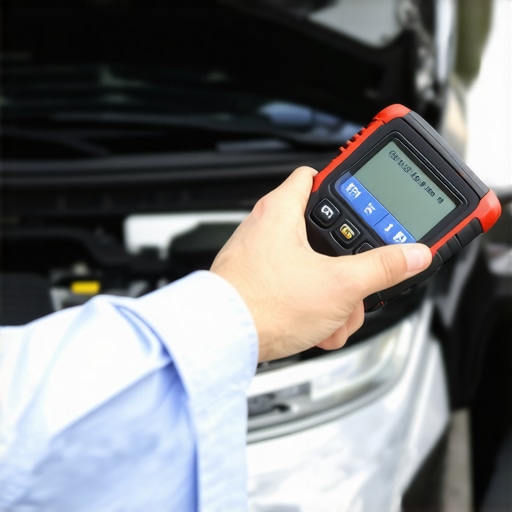
Many automotive myths persist despite overwhelming technical knowledge, leading drivers down costly and unnecessary paths. For example, a common misconception is that frequent oil changes are always better, but in reality, cheap, quick oil changes can sometimes do more harm than good, triggering sensor alarms and causing false warning lights that complicate diagnostics. Understanding the nuances of oil viscosity and synthetic formulations is critical for optimal engine health.
Similarly, with brake services, the assumption that replacing brake pads alone solves all issues ignores the complexity of modern brake systems. Especially in hybrid and electric vehicles, improper caliper calibration or using incompatible brake fluids can lead to increased wear or brake failure. Check out common brake service mistakes to avoid these pitfalls.
When it comes to auto repair, many believe that more expensive parts guarantee better performance. However, this isn’t always true; a premium part poorly installed or misaligned can cause more problems. Moreover, advanced vehicle diagnostics reveal that most issues are rooted in overlooked sensor calibration errors or outdated software, not hardware failures. Regular updates and thorough diagnostics, as shown in stealth diagnostic errors, are vital for accurate troubleshooting.
Why Do People Keep Misinterpreting Diagnostic Data?
This question is especially relevant as many drivers rely solely on their scanners, ignoring the subtler signs of issues like sensor lag or ghost codes. It’s a trap that can lead to unnecessary part replacements; for example, misreading a diagnostic trouble code as a sensor failure when it’s actually a calibration issue. Expert analysis emphasizes that diagnostic signals depend heavily on correct calibration and software settings. Misinterpretation often results from a lack of understanding of the advanced nuances behind the data, reinforcing the importance of continuous learning in automotive diagnostics.
Let’s not forget the subtle but critical point that vehicle diagnostics are not foolproof. A faulty sensor, corrupted software, or a weak communication signal can all lead to inaccurate readings. Therefore, regular calibration, sensor inspection, and software updates are essential steps towards reliable diagnosis. Armed with this advanced insight, you can avoid the common trap of assuming diagnostic results are infallible, saving time, money, and frustration. Have you ever fallen into this trap? Let me know in the comments.
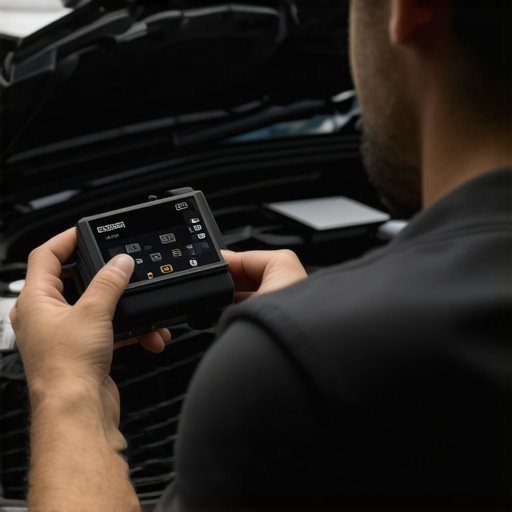
Keeping Your Diagnostic Equipment in Peak Condition
To ensure your vehicle diagnostics always provide accurate readings, investing in high-quality tools and maintaining them properly is crucial. I personally swear by the Autel MaxiSys MS908 because of its comprehensive capabilities, including advanced ECU coding and deep system analysis, which surpass basic scanners for complex issues like turbo GDI engines. Regularly updating the software through the manufacturer’s portal ensures your device recognizes the latest vehicle models and error codes, reducing the risk of missed or false readings.
Alongside the scanner, a precision multimeter is indispensable for verifying sensor outputs and wiring integrity. My preferred model is the Fluke 115 Fieldsense because of its accuracy and ease of use—key for diagnosing subtle issues like ghost codes or sensor lag discussed earlier. Periodically checking and calibrating these tools prevents measurement drift over time, a common hidden cause of diagnostic inaccuracies.
The Power of Diagnostic Software Optimization
Using vehicle-specific diagnostic software can dramatically improve long-term diagnostic accuracy. I rely on the OBDeleven for VW and Audi models, as it allows customization of parameters like long-term fuel trim and sensor baselines, helping me detect issues early before they escalate into costly repairs. Regularly reviewing and adjusting software settings—such as increasing sensitivity for timing signals—can uncover lurking problems often missed by default configurations. These adjustments act like fine-tuning your equipment for the exact vehicle, which is especially beneficial for complex systems like hybrid regenerative brakes.
Developing a Routine: Maintenance for Consistent Performance
Consistent maintenance routines can maintain the accuracy of your diagnostics over years. This includes regular oil changes with the correct synthetic formulations, which directly impact sensor longevity and engine responsiveness—a critical factor mentioned earlier. I schedule oil changes every 4,000 miles for turbo engines using high-quality high-flow oil filters like the Mann-Filter HU 716/2X, which help prevent sludge buildup that interferes with sensor function.
Additionally, inspecting wiring harnesses and sensor connectors every six months prevents corrosion or physical damage that could silently skew diagnostic data. Consistent cleaning and minor repairs—using contact cleaner for sensors and dielectric grease for connectors—ensure reliable data flow in your diagnostic system. This proactive approach minimizes false alerts and ghost codes, keeping your diagnostic tool’s insights trustworthy over the vehicle’s lifespan.
Where Is Vehicle Diagnostics Going Next
As vehicle tech continues evolving rapidly—integrating AI and 5G connectivity—the future points toward smarter diagnostics that learn and adapt to vehicle-specific patterns. Advanced predictive maintenance systems will alert owners about potential issues long before fault codes appear, saving time and money. To stay ahead, adopting tools that support software updates and calibration—like the MoTeC Digifant platform—is vital. For now, incorporating thorough calibration routines and precise sensor inspections remains the best way to keep your diagnostics reliable and your vehicle running smoothly for the long haul.
Want to take your diagnostic skills further? Try performing a sensor calibration using the software’s advanced settings—this small step can reveal hidden issues and save you a fortune in repairs. Visit this resource for detailed guides on calibration techniques that match your specific scanner model.
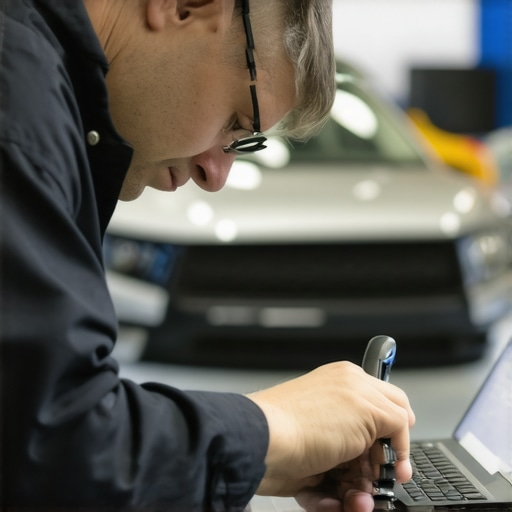
What I Wish I Could Tell My Younger Self About Diagnostics
- One of the hardest lessons was realizing that my scanner’s default settings often missed subtle timing lag issues, which could silently impair engine performance. Taking control by customizing and calibrating it made all the difference.
- I used to believe that regular updates alone kept my diagnostic tools accurate. It wasn’t until I learned to perform comprehensive calibrations that I truly unlocked their full potential—saving me time and money.
- Overlooking sensor health was a costly mistake. Inspecting and cleaning sensors regularly, instead of just replacing parts, often prevented unnecessary repairs and kept my vehicle running smoothly.
- Embracing a proactive maintenance routine, including software and sensor checks, transformed my approach from reactive to preventive, which greatly extended the lifespan of my vehicle and tools.
- The most surprising insight was understanding how software settings and calibration play a crucial role in detecting issues like timing lag—skills I now recommend every DIY enthusiast master early on.
My Top Tools and Resources for Better Vehicle Maintenance
- Autel MaxiSys MS908: I trust this advanced diagnostic platform for its comprehensive analysis capabilities, especially when tackling complex systems like turbo GDI engines. Its regular software updates ensure I stay current with 2026 vehicle tech.
- Fluke 115 Fieldsense Multimeter: Precision is key, and this multimeter helps verify sensor outputs and wiring, preventing subtle misreads that lead to bigger issues down the road.
- Deep dives on turbo engine care: Educating myself about specific maintenance like carbon flushing has helped me avoid costly repairs and optimize performance.
- Vehicle-specific software tools such as OBDeleven for VW/Audi models allow me to customize parameters and improve diagnostic accuracy, especially for tricky signals like timing lag or ghost codes.
Keep Moving Forward: Your Vehicle’s Future Is Bright
Taking charge of your vehicle diagnostics can seem daunting at first, but every step toward mastering calibration, sensor inspection, and software tuning pays off in peace of mind and savings. Remember, the journey improves with each experience, and your dedication to learning truly empowers you to keep your vehicle in top shape—and perhaps even inspire others to do the same. So, why not start today? Dive into your diagnostic tools, explore a new calibration technique, and enjoy the confidence that comes with knowing your car’s secrets. After all, your vehicle’s health reflects your commitment to quality and care—make it count.
What’s the biggest surprise you’ve encountered when working with vehicle diagnostics? Share your stories below—I’d love to hear how you turned challenges into learning opportunities!
More Details