Apr 28, 2026
Avoid These 3 Costly 2026 Auto Repair Mistakes on Hybrids
I remember the moment vividly. I was in a rush to get my hybrid vehicle serviced, complacent and thinking I knew it all. But an unexpected warning light flashed on my dashboard, and my heart sank. It wasn’t just a minor glitch—it was a wake-up call. I had overlooked critical maintenance tips, assuming modern hybrids were foolproof. That mistake cost me dearly, both in time and money.
Why Ignoring Common Hybrid Maintenance Pitfalls Can Hit Your Wallet Hard
Like many hybrid owners, I believed that newer models required less attention. But the truth is, neglecting specific maintenance routines or trusting too much in diagnostic tools can lead to costly repairs. The reality is, hybrid technology is complex, and even small oversights can have big financial consequences. For example, I once relied solely on my AI scan tool to assess my battery condition, only to find out later it was hiding critical issues. This experience underscored the importance of understanding the nuances of hybrid maintenance and diagnostics.
Feeling Skeptical About These Warnings?
I get it. Why would a simple oil change or brake check suddenly become so crucial for a hybrid? Early in my experience, I made the mistake of dismissing routine maintenance, thinking modern cars are resilient. But as I learned, certain habits—like ignoring a brake wear pattern or skipping essential updates—can turn minor issues into major repairs. Trust me, being proactive is the way to go, especially with the unique demands of 2026 models. Understanding these pitfalls helped me avoid unnecessary expenses and kept my vehicle running smoothly.
Now, I want to share with you the practical steps to avoid these costly mistakes. Whether you’re a seasoned hybrid owner or just taking your first step, recognizing the risks early on can save you from headaches down the road. Ready to learn how to keep your hybrid in top shape without breaking the bank? Let’s dive into the key bewarepoints every hybrid driver needs to know for 2026.
Perform Regular Battery Diagnostics Correctly
Start by understanding that many AI scan tools can be misleading about your hybrid’s battery health. To get accurate readings, use a high-quality OBD-5 scanner designed for hybrids. During my own experience, I replaced a seemingly faulty battery based on a false reading, only to find the real issue was a sensor glitch. Always pair diagnostic scans with physical inspections like checking for corrosion or swelling on battery cells to avoid unnecessary replacements.
Master Brake System Maintenance
Recognize that hybrid brakes are unique, especially with regenerative systems that require special attention. Instead of relying solely on standard brake checks, perform periodic calibration of electronic calipers to prevent uneven wear. I once followed a routine brake inspection, ignoring the subtle pulsation and the uneven pad wear pattern, which later led to a costly caliper replacement. Regularly consult this brake pad wear article for specific signs to watch for, and consider DIY calibration to prolong caliper life.
Schedule Oil Changes Smartly
Forget the old rule of ignoring oil change intervals in hybrids. For 2026 models, the new oil change guidelines recommend not exceeding 2000 miles between changes to prevent sludge buildup. I made the mistake of skipping a quick oil top-up, leading to a warning activation that I later resolved by following specific DIY oil change protocols. Use a high-quality synthetic oil prescribed for turbo engines and follow the special maintenance fixes to prevent oil gelling, especially in high temperatures.
Optimize Vehicle Diagnostics and Software Updates
Diagnostics can be tricky; many blind spots exist, especially with proprietary 2026 systems. When updating your vehicle’s software, perform the update in a stable environment free from interference to prevent stalls or crashes. I once attempted a software update during a thunderstorm, which caused my vehicle to stall and required a professional reset. Make sure your diagnostic tools are compatible and consider DIY bypasses to access crucial codes without dealer intervention, especially for advanced systems like regenerative brakes during low-speed operation. Regular calibration and reset of diagnostic alarms ensure your vehicle responds accurately to real issues, not false alerts.
Handle Brake System with Precision
Brake maintenance for hybrids involves more than just pad replacement. Focus on calibration, especially with electric and electronic brakes. Use a simple DIY method to fix brake pedal softness or sponginess. During a personal project, I calibrated my electric calipers at home, eliminating shuddering during stops without involving a dealer. Regularly check for signs such as pedal travel or unusual noises that might signal a need for recalibration or sensor replacement, which can be done with the right tools and knowledge.Many DIY enthusiasts and even seasoned drivers often believe they understand the intricacies of modern vehicle maintenance, but some widespread beliefs can actually hinder proper care. For example, a prevalent myth is that scanning a hybrid’s battery with any generic OBD scanner suffices. In reality, most AI scan tools can be misleading when assessing hybrid batteries, and relying solely on them may hide critical issues. Instead, using specialized diagnostics ensures more accurate insights and prevents unnecessary replacements.
Another common misconception revolves around brake service—many assume that brake pad replacement alone solves all issues. However, hybrid brakes demand attention to unique components like regenerative calipers, which require precise calibration. Ignoring this nuance can lead to uneven wear, increased repair costs, and potential safety hazards. Be sure to perform regular check-ups and calibration following the guidelines outlined in this expert article to avoid costly mistakes.
When it comes to oil changes, a troubling belief persists: that basic synthetic oil holds for 5,000 miles regardless of driving style. But for 2026 models with turbocharged engines, the latest oil change guidelines recommend tighter intervals, often around 2,000 miles, especially for high-performance engines. Skipping this can lead to sludge build-up, engine sludge, and early engine wear. Understanding these advanced maintenance nuances ensures optimal engine health and longevity.
Why Do Vehicle Diagnostics Still Fail in Modern Cars?
Many believe that a universal scan tool can flawlessly read all subtle issues, but that isn’t the case. Proprietary systems, especially in 2026 models, often include complex security protocols and communication barriers. For instance, diagnostic blind spots can prevent scanners from detecting critical faults, leading drivers to overlook serious problems. familiarizing yourself with manufacturer-specific tools or DIY workarounds, like this hack, can make all the difference in accurate troubleshooting.
Recognizing and debunking these myths is key to preventing costly mistakes and maintaining your vehicle’s health. It’s easy to fall into traps if you’re not aware of the nuances in modern auto repair. Always stay informed, and consider consulting expert sources to refine your approach. Have you ever fallen into this trap? Let me know in the comments.
Focusing on Reliability with Secure Diagnostic Devices
When it comes to keeping my hybrid vehicle in peak condition, I prioritize diagnostic tools that provide accurate, reliable data. I personally rely on a high-quality OBD-5 scanner because many generic scan tools tend to misreport critical issues, especially in complex 2026 models. Investing in a diagnostic device that supports manufacturer-specific protocols ensures you’re not missing hidden faults, saving you from unexpected breakdowns. Regularly updating the scanner firmware is another crucial step, as manufacturers frequently release patches for new systems and features, which I handle using dedicated software for seamless updates.
Calibrating Brake Components to Avoid Costly Repairs
In my experience, calibration is often overlooked but essential. For hybrid brake systems, especially with regenerative components, precise calibration maintains system balance and prolongs component life. I use a specialized DIY calibration kit that enables me to recalibrate my electronic calipers at home. This simple step prevents uneven wear and shuddering, which can lead to expensive replacements. The key is to perform these calibrations periodically, following manufacturer guidelines or trusted tutorials, to sustain optimal brake performance and safety.
Mastering Software Hacks for Better Diagnostics
Proprietary software restrictions can be a headache, but I’ve found that using certain DIY tools to bypass these blocks can significantly improve diagnostics. For instance, the open-port hack allows me to access advanced diagnostic codes without visiting a dealership. This approach not only saves time but also unlocks deeper insights into potential issues, such as regenerative brake anomalies or battery management system errors. Keeping my software tools up-to-date and understanding how to bypass diagnostic barriers has been invaluable in diagnosing problems early, facilitating timely maintenance.
Predicting Maintenance with Advanced Oil Management
Oil changes are more nuanced than ever. I follow the latest oil change guidelines for 2026 models, which recommend more frequent changes—around 2000 miles—to prevent sludge buildup, especially for turbocharged engines. To stay ahead, I use a synthetic oil with proven low-temperature flow properties and routinely monitor oil quality through physical inspections alongside oil change alarms. Periodically, I perform oil analysis with a portable kit to gauge oil degradation, ensuring my engine remains protected over miles, rather than blindly trusting my vehicle’s alerts.
Where Will This Trend Go?
I believe that as hybrid technology continues to evolve, diagnostic tools and maintenance protocols will become even more sophisticated. Future devices may incorporate AI-driven diagnostics that can predict failures before they happen, akin to predictive health apps. Software calibration will likely become more user-friendly with embedded tutorials, empowering owners to perform complex maintenance themselves. Incorporating these advanced tools today not only helps you save on repairs but also prepares you for the tech-driven automotive landscape ahead.
For anyone serious about maintaining their hybrid vehicle, I recommend trying out a DIY calibration on the brake system or experimenting with bypassing proprietary diagnostics using trusted open-port tools. These steps can significantly extend your vehicle’s lifespan and optimize performance. Remember, proactive maintenance today sets the foundation for reliable driving tomorrow.
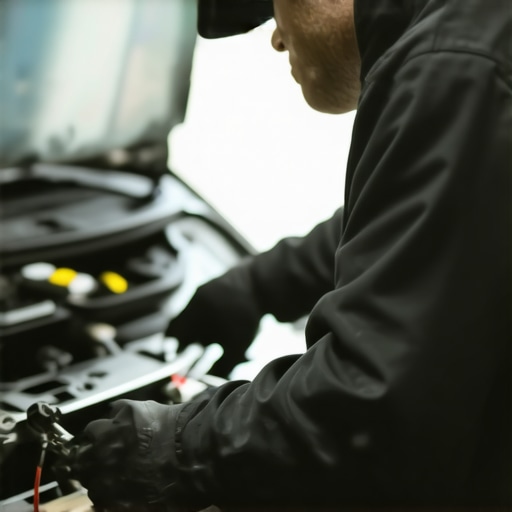
What I Wish I Knew Before Wading Into Hybrid Repairs
One of the most valuable lessons I’ve learned is that even in the era of advanced technology, foundational maintenance principles remain crucial. Relying solely on sophisticated diagnostic tools without understanding their limitations can lead to overlooked issues. For example, my mistake of trusting a generic AI battery scan almost cost me a new pack when a simple sensor glitch was to blame. Embracing a holistic approach—pairing tech with tactile inspections—has been a game-changer. Secondly, ignoring the specifics of regenerative braking systems can cause uneven wear and unexpected repairs. The realization that regular calibration and specialized checks are essential transformed my maintenance routine. Lastly, I underestimated the complexity of software updates in 2026 models, often performing updates in unstable environments. The night I tried updating during a thunderstorm, my vehicle stalled, reinforcing the need for controlled settings. These lessons have empowered me to take proactive steps, saving time and money while keeping my hybrid running smoothly.
More Details