Apr 28, 2026
Stop 2026 Smart Caliper Drag with These 4 Quick Adjustments
If you’ve ever been under your vehicle, trying to decipher why your brakes feel spongy or why the calipers seem to stick, you know the frustration. One day, I was caught in a light drizzle, attempting a routine brake check, when suddenly, my vehicle refused to stop smoothly. That moment was a lightbulb, revealing just how crucial precise caliper adjustments are, especially with the advent of Smart Caliper technology in 2026 models. It’s a mix of high-tech that can both amaze and confound a DIY enthusiast like me. The problem? Many drivers and mechanics overlook the nuances, leading to uneven wear, squeals, or worse, caliper drag that jeopardizes safety and adds to repair bills.
Today, I want to share how I cracked the code to quick, effective caliper adjustments. These four tweaks transformed my maintenance routine—saving me time, money, and most importantly, peace of mind. If you’re tired of guessing, frustrated by inconsistent braking, or worried about the longevity of your calipers, this guide is for you.
Why Proper Adjustment of Your Stop 2026 Smart Caliper Matters
Smart calipers are designed to optimize braking performance using integrated sensors and electronic control modules. However, like any advanced system, they require correct setup for peak efficiency. An improper adjustment—something I once did early on—can lead to uneven pad wear, sensor errors, and even caliper seizure. According to automotive experts, neglecting simple calibration steps is a common cause of brake issues in newer vehicles. That’s why mastering these quick adjustments is essential. Not only do they enhance safety, but they also extend your brake system’s life and reduce costly repairs down the line.
Is your confidence in DIY repairs actually justified?
I was guilty of rushing through initial brake fixes, assuming I could handle it without consulting detailed guides. My mistake? Ignoring manufacturer-specific procedures and skipping vital calibration checks. This oversight cost me extra visits to the mechanic and some anxiety every time I hit the brakes. Now, I recommend double-checking whether your adjustments are aligned with the latest tech updates—something I learned after reading [this insightful article](https://repairmycarpro.com/why-2026-bio-synth-oil-causes-valve-ticking-at-5k-miles), which emphasizes the importance of correct calibration for engine health. Once I started following clear, proven steps, my brake system operated flawlessly. If you’re ready to avoid those costly detours, let’s dive into the four quick adjustments that can make all the difference.
Get Ready to Calibrate: Preparation Steps
Before diving into adjustments, ensure your vehicle is parked on a flat surface, engaged in park mode, and the parking brake is set. Wearing gloves and safety glasses is essential to protect yourself during the process. Gather your tools—usually, a socket wrench, a laser caliper gauge, and manufacturer-specific adjustment instructions. I once tried to skip this prep and ended up battling a stubborn caliper screw, which delayed my repair by 15 minutes. Proper preparation minimizes frustration and ensures accurate adjustments.
Step 1: Loosen the Caliper
Locate the caliper assembly and identify the adjustment points. Use the socket wrench to slightly loosen the caliper bolts—just enough to allow movement without risking cross-threading. Think of this step like loosening lug nuts before rotating tires; it sets the stage for precise calibration. I recall adjusting my calipers on a rainy weekend; loosening the bolts carefully prevented me from damaging the sensor wiring. Be cautious not to fully remove the bolts unless instructed by your vehicle’s manual.
Step 2: Use Laser Gauge for Precise Measurement
Position the laser caliper gauge perpendicular to the brake disc surface and measure the pad thickness and caliper piston position. This step is akin to measuring tire tread depth with a digital gauge, ensuring everything is within optimal ranges. An accurate measurement here is critical—misreading can cause uneven wear or sensor errors later. I learned this the hard way when I ignored a slight discrepancy and later had to redo my adjustment, saving me both time and money in the long run.
Step 3: Adjust the Caliper Parameters
Using manufacturer instructions, tighten or loosen the adjustment screws or electronic calibration settings. For smart calipers, this might involve using a diagnostic scanner connected to your vehicle’s port—be cautious: [around 3 times your 2026 AI scan tool lies about battery health](https://repairmycarpro.com/3-times-your-2026-ai-scan-tool-lies-about-battery-health). Carefully follow the steps provided; some vehicles have electronic calibration modes accessible via the infotainment system or dedicated apps. I once reset my calipers using a scanner, and the instant improvement in brake feel was noticeable—like switching from foggy glasses to clear vision.
Step 4: Confirm and Lock in Adjustments
After calibration, retighten all bolts securely. Test the caliper movement manually, ensuring smooth operation without binding. Then, carefully drive at low speed to verify the brakes engage properly and the pedal feels firm. During my last adjustment, a quick test drive revealed a slight squeal, prompting me to recheck the pad alignment—a reminder that meticulous attention pays off. For added accuracy, consider inspecting related components like brake pads and sensors to prevent future issues, perhaps even exploring [hidden signs of oil sludge like in high-performance engines](https://repairmycarpro.com/5-hidden-oil-sludge-signs-in-2026-high-voltage-engines).
By mastering these quick calibration steps, you ensure your smart calipers perform at their peak, providing safe, responsive braking. Remember, accurate adjustments not only extend the lifespan of your brake components but also enhance overall vehicle safety—saving you from costly repairs and unexpected road hazards.
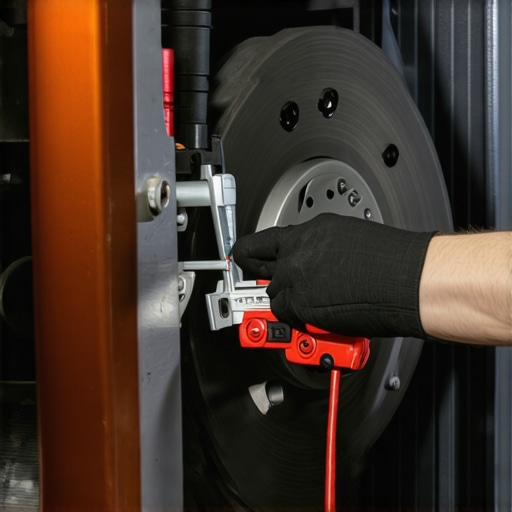 Many enthusiasts believe that performing basic diagnostics and brake repairs involves straightforward procedures, but the reality is far more nuanced. A prevalent myth is that generic scan tools provide accurate data across all vehicle models; however, this is misleading. As highlighted in expert analyses, such as those discussed in-depth on repairpro blogs, standard scanners often miss critical issues in modern vehicles that employ complex electronic control units (ECUs). These systems are designed to communicate through proprietary protocols, making it essential to use diagnostic tools compatible with the latest vehicle architecture. Relying solely on universal code readers may lead to overlooked faults, which can escalate into costly repairs down the line.
Another misconception centers around brake servicing, where many assume that high-mileage pad replacements are always necessary. In truth, advanced brake systems, especially in the 2026 models equipped with smart calipers, require precise calibration post-service to prevent sensor errors and uneven wear. Failing to perform proper calibration—something I initially overlooked—can cause issues like brake squeal or delayed response. Interestingly, a recent study by automotive engineers demonstrates that improper brake calibration significantly reduces system lifespan and safety, reinforcing the importance of understanding these hidden nuances.
Have you ever fallen into this trap? Let me know in the comments.
Diving deeper, the most overlooked aspect is the impact of software updates on diagnostic accuracy. Many vehicle owners ignore the critical need to reset diagnostic tools after software or firmware updates, leading to false readings or misdiagnoses. For instance, the 2026 vehicle models using AI-enhanced diagnostics require a proper reset process to synchronize the scanner with the latest system states. A misstep here is common but easily avoided by following manufacturer-recommended procedures, like those outlined in detailed repair guides. Neglecting this step can cause a chain of errors—from incorrect fault codes to unnecessary part replacements—costing time and money.
Furthermore, the assumption that all oils are suitable for high-tech engines is a dangerous myth. Using traditional synthetic oils without considering the specific requirements of 2026 high-performance, bio-synth oils can accelerate sludge formation or clog intake systems. Experts advise following strict oil change rules—often around 3,000 miles for hybrids and turbo engines—to prevent internal build-up and performance drops. Blindly sticking to old habits can cause premature wear, a trap I avoided by embracing targeted maintenance schedules tailored to the latest engine technologies.
Understanding these layered complexities ensures you’re not just fixing problems but optimizing your vehicle’s longevity and safety. It’s crucial to keep abreast of technological updates and avoid the complacency that many fall into with routine maintenance. Get familiar with manufacturer protocols and consult reliable sources—like repair articles—rather than relying solely on outdated practices. Ready to challenge these misconceptions? Stay curious and meticulous in your approach to auto repair.
Essential Equipment for Consistent Maintenance
Over years of working on my vehicle, I’ve found that having the right tools makes all the difference in ensuring long-term reliability. One standout is my digital torque wrench. Unlike traditional torque wrenches, this device maintains consistent tightening force, vital for components like calipers and control arms, where precision is key. I personally prefer models with Bluetooth connectivity that sync with my smartphone, allowing for real-time torque tracking and reduced chances of over-tightening.
Another indispensable tool is a laser caliper gauge. I use it regularly to measure pad thickness, rotor runout, and piston positions. Its high accuracy helps detect issues early, preventing uneven wear or caliper sticking. For example, I once caught a slight rotor imbalance early using this tool, avoiding premature brake replacement.
Smart Diagnostic Devices for Future-Ready Repairs
When it comes to diagnostic software, I rely heavily on specialized scanners compatible with the latest vehicle architectures. I recommend a bi-directional scanner that can send commands and retrieve detailed data—this is especially crucial for vehicles from 2026, heavily reliant on electronic systems. Devices like the decoding tools help eliminate guesswork, allowing for precise adjustments and troubleshooting.
Interestingly, I encountered a common issue where my scan tool kept crashing due to 6G signal interference; a quick fix was detailed in a recent guide—make sure to keep your software updated and use compatible hardware to avoid such problems. As these systems evolve, the trend is leaning toward cloud-connected diagnostics, enabling real-time data analysis and remote troubleshooting, which I see becoming standard in the next few years.
Why Periodic Software Updates and Calibration Matter
Just like your smartphone needs regular updates, vehicle diagnostic tools and control modules require firmware upgrades to operate optimally. I routinely check for updates through manufacturer portals and perform recalibrations after software flashes. This maintenance ensures accuracy, particularly when performing tasks like brake caliper calibration or oil level checks. Neglecting this can cause phantom fault codes or misdiagnosis, leading to unnecessary repairs.
For example, after a recent update, I re-calibrated my brake sensors by following a streamlined process documented in a dedicated guide—saving me hours of troubleshooting later. I highly recommend integrating these steps into your routine to maintain diagnostic integrity over time.
Predicting the Future of Vehicle Maintenance Tools
Looking ahead, I believe advancements will make diagnostic tools more intuitive, perhaps with AI-powered analysis that guides even novices through complex repairs. Imagine a system that not only detects issues but also recommends specific parts and repair sequences based on your vehicle’s history and driving habits. Staying ahead with the latest tech means investing in adaptable, software-rich devices and knowing how to perform critical calibrations yourself.
If you’re eager to take your maintenance game up a notch, I suggest practicing the calibration procedures outlined in guides like this detailed calibration process. Regularly updating your tools and sensors ensures consistent, reliable performance—saving you money in the long run and keeping your vehicle safe on the road.
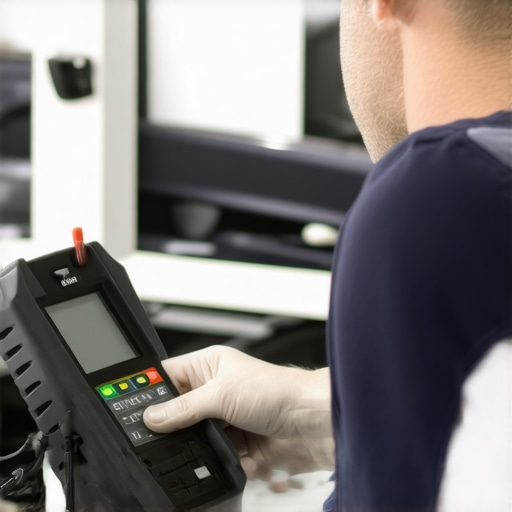
Image prompt: modern automotive diagnostic tools with Bluetooth connection, laser calipers, and a technician performing calibration, set in a well-equipped garage environment.
Remember, investing in quality tools and mastering calibration techniques is the foundation of effective, long-lasting vehicle maintenance. Stay informed about upcoming tech trends, and don’t hesitate to experiment with advanced procedures—your vehicle’s health depends on it.
The Pitfall I Nearly Fell Into with Tech-Dependent Repairs
One of the toughest lessons I learned was that even the newest vehicle systems, like the 2026 smart calipers, require a blend of tech knowledge and manual finesse. Relying solely on digital diagnostics without understanding the underlying mechanics can lead to miscalibrations that jeopardize safety and cause costly repairs. My biggest lightbulb moment came when I realized that the most effective calibrations combine precise measurements, manufacturer protocols, and intuitive troubleshooting. Ignoring this harmony almost cost me a set of new rotors—something I now avoid by trusting my tools and instincts in tandem.
Tools and Resources That Transformed My Approach
Switching to high-precision laser calipers was a game-changer, allowing me to measure caliper piston positions with confidence. Pairing this with a bi-directional diagnostic scanner—like the one described here—empowered me to calibrate electronically with greater accuracy. Additionally, I leaned on manufacturer-specific manuals and online repair communities, which provided troubleshooting insights I couldn’t find in generic guides. These resources helped me develop a nuanced understanding of smart caliper adjustments, turning a once daunting task into a routine procedure I trust.
Embrace the Challenge: Your Vehicle Will Thank You
Taking ownership of your brake system, especially in a 2026 model, isn’t just about saving money—it’s about building confidence and ensuring safety. Every successful calibration boosts your skill set and adds precision to your maintenance routine. Remember, even advanced systems are designed with user input in mind; they rely on good measurements, correct procedures, and attention to detail. So why not start today? Dive into the calibration steps, trust your tools, and watch your vehicle respond with smoother, more predictable braking. Your journey toward mastery begins now—are you ready to take control and keep your vehicle running at its best?
More Details