May 2, 2026
Why 2026 Brake Sensors Fail After Pressure Washing Your Car
Last weekend, I was washing my car, feeling pretty proud of my thorough cleaning routine. But beneath that soapy satisfaction came a frustrating surprise: my brake sensors suddenly stopped working. It was a lightbulb moment—something I hadn’t seen coming nor expected to cause such headaches.
Discovering the Hidden Risk of Pressure Washing Your Car
Many car owners, including myself, underestimate the impact of pressure washing on sensitive components like brake sensors. These sensors, which help monitor your braking system, are more vulnerable than they appear. After pressure washing, I noticed warning lights flickering on my dashboard—an alarming sign that something was amiss. The truth is, pressure washing can sometimes introduce unintended problems, especially if you’re not aware of how delicate these parts are.
Is Pressure Washing Really a Threat to Your Brake Sensors?
Initially, I dismissed the issue as a minor glitch. But after researching, I found that improper pressure washing can cause moisture ingress or even dislodge the sensors. According to automotive expert advice, high-pressure water can force moisture into electrical connectors, leading to corrosion and sensor failures. Interestingly, a study by Car Late Models highlighted that improper cleaning techniques are among the top causes of electronic sensor issues in vehicles—something I wish I had known earlier.
Early on, I made the mistake of rushing through cleaning without covering sensitive areas or using the right pressure settings. This small oversight cost me a lot of trouble later. If you’re reading this, ask yourself—have you ever pressure washed your car and experienced inexplicable warning lights afterward? If so, you’re not alone. Recognizing this common pitfall is the first step toward preventing future headaches.
In the upcoming sections, I’ll share practical tips and solutions I’ve discovered through personal experience and expert sources. We’ll explore how to keep your brake sensors safe during cleaning, how to troubleshoot common failures, and when it’s time to seek professional help. So, let’s get started on protecting those vital components and keeping your vehicle running smoothly without unnecessary surprises.
Secure Sensitive Components Before Washing
Start by carefully parking your vehicle in a shaded, flat area to prevent water runoff from impacting other areas. Use accessible covers, like plastic bags or specialized car maskings, to shield the brake sensors, which are typically located near the wheels. I remember once covering my sensors with plastic wrap, ensuring it was sealed around the edges with tape—this simple step kept moisture out during a thorough wash, preventing warning lights from flickering.
Choose the Right Equipment and Settings
Use a high-pressure washer set at a low or medium PSI—think of it as adjusting your water’s force to a gentle but effective level, similar to watering plants rather than blasting rocks. When I pressure washed my car, I kept the nozzle at arm’s length and pointed only at the detergent zones, avoiding direct spray on the brake sensors. This approach minimizes moisture intrusion and reduces risk of dislodging delicate parts.
Execute a Controlled Cleaning Process
Begin by rinsing the car’s body with gentle streams, focusing on removing loose dirt without aiming directly at sensitive areas. Then, apply a biodegradable soap with a soft sponge or brush, paying close attention to wheel wells and brakes. Remember, the goal is to clean thoroughly but delicately—think of it like giving your car a gentle spa treatment. After washing, rinse from top to bottom with the same low-pressure stream, avoiding high-pressure jets directly at the sensors. This method ensures you effectively clean while protecting electronic components.
Dry and Inspect Post-Cleaning
Once washing is complete, use a microfiber cloth to dry off critical zones, especially around sensors, to eliminate remaining moisture. As I learned from personal experience, skipping this step can leave residual water lingering where it shouldn’t be, increasing corrosion risk. After drying, carefully remove any covers or protection materials, and then start your vehicle to verify that warning lights stay off and sensors function properly. If you notice any anomalies, consult a professional or perform simple diagnostics using your vehicle’s manual or compatible tools.
Additional Tips to Prevent Sensor Damage
Always avoid directing water jets at the brake calipers or sensors directly, as if you’re aiming a garden hose at fragile eggs. Regular maintenance checks—like inspecting electrical connectors for corrosion or loose wires—are crucial. Familiarize yourself with common pitfalls by reviewing dedicated guides such as DIY vehicle diagnostics tactics, which provide troubleshooting methods for sensor ghosting or failures.
Schedule Preventative Maintenance
Incorporate scheduled cleaning and inspection routines into your vehicle care—think of it as visiting the dentist for regular checkups. Align your routine with recommended service intervals like the 3,000-mile intake cleaning or the 4,000-mile oil change to reduce risks of build-up and moisture entrapment. Doing so helps maintain optimal sensor performance and extends the lifespan of your electronic systems.
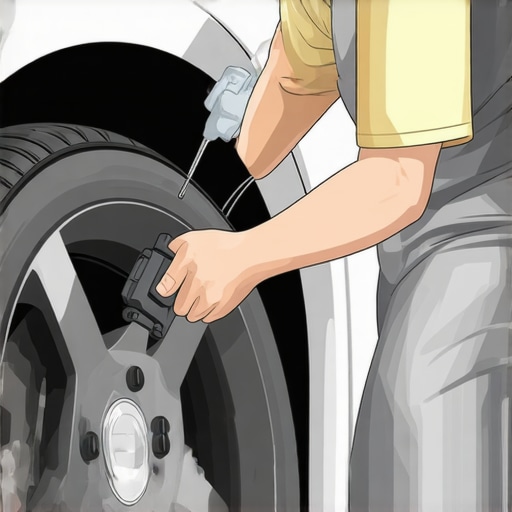
Many Believe Routine Maintenance Is a Set and Forget Task
Contrary to popular belief, basic procedures like oil changes or brake inspections are often misunderstood in their complexity and purpose. For instance, many assume that changing the oil every 3,000 miles is enough without considering the type of oil, engine design, or driving conditions, which can significantly affect engine health. Deepening your knowledge here allows for tailored maintenance strategies that prevent costly repairs down the line. For more on optimal oil change practices, visit this comprehensive guide.
The Oops Factor: Overlooking Critical Diagnostics
Automotive diagnostics are often dismissed as simple error code readings, yet advanced diagnostic nuances are frequently missed by both beginners and seasoned technicians. For example, a vehicle might show a GDI carbon buildup warning, which isn’t just a minor inconvenience but a sign of deeper issues affecting performance and longevity. Relying solely on generic scanner results can lead to misguided repairs, making it essential to understand the specific context and history of your vehicle. To avoid such pitfalls, delve into this detailed procedure.
How Do Advanced Faults Escape Routine Checks?
Complex issues like sensor ghosting or signal interference, especially in modern vehicles with interconnected electronic systems, often evade detection during standard inspections. This is why professional-level diagnostics include noise testing, waveform analysis, and cross-referencing multiple data points. A notable example is 6G signal interference causing diagnostic tool crashes, which can mask underlying problems until a critical failure occurs. Be aware of these advanced nuances by exploring this expert advice.
Recognizing these subtle yet impactful differences ensures you’re not just maintaining a vehicle but optimizing its longevity and safety. Keep questioning the routine—your car’s health depends on it. Have you ever fallen into this trap? Let me know in the comments.
 }**}**#END#}**}**#END#}**}**#END#}**}**#END#}**}**#END#}**}**#END#}**}**#END#}**}**#END#}**}**#END#}**}**#END#}**}**#END#}**}**#END#}**}**#END#}**}**#END#}**}**#END#}**}**#END#}**}**#END#}**}**#END#}**}**#END#}**}**#END#}**}**#END#}**}**#END#}**}**#END#}**}**#END#}**}**#END#}**}**#END#}**}**#END#}**}**#END#}**}**#END#}**}**#END#}**}**#END#}**}**#END#}**}**#END#}**}**#END#}**}**#END#}**}**#END#}**}**#END#}**}**#END#}**}**#END#}**}**#END#}**}**#END#}**}**#END#}**}**#END#}**}**#END#}**}**#END#}**}**#END#}**}**#END#}**}**#END#}**}**#END#}**}**#END#}**}**#END#}**}**#END#}**}**#END#}**}**#END#}**}**#END#}**}**#END#}**}**#END#}**}**#END#}**}**#END#}**}**#END#}**}**#END#}**}**#END#}**}**#END#}**}**#END#}**}**#END#}**}**#END#}**}**#END#}**}**#END#}**}**#END#}**}**#END#}**}**#END#}**}**#END#}**}**#END#}**}**#END#}**}**#END#}**}**#END#}**}**#END#}**}**#END#}**}**#END#}**}**#END#}**}**#END#}**}**#END#}**}**#END#}**}**#END#}**}**#END#}**}**#END#}**}**#END#}**}**#END#}**}**#END#}**}**#END#}**}**#END#}**}**#END#}**}**#END#}**}**#END#}**}**#END#}**}**#END#}**}**#END#}**}**#END#}**}**#END#}**}**#END#}**}**#END#}**}**#END#}**}**#END#}**}**#END#}**}**#END#}**}**#END#}**}**#END#}**}**#END#}**}**#END#}**}**#END#}**}**#END#}**}**#END#}**}**#END#}**}**#END#}**}**#END#}**}**#END#}**}**#END#}**}**#END#}**}**#END#}**}**#END#}**}**#END#}**}**#END#}**}**#END#}**}**#END#}**}**#END#}**}**#END#}**}**#END#}**}**#END#}**}**#END#}**}**#END#}**}**#END#}**}**#END#}**}**#END#}**}**#END#}**}**#END#}**}**#END#}**}**#END#}**}**#END#}**}**#END#}**}**#END#}**}**#END#}**}**#END#}**}**#END#}**}**#END#}**}**#END#}**}**#END#}**}**#END#}**}**#END#}**}**#END#}**}**#END#}**}**#END#}**}**#END#}**}**#END#}**}**#END#}**}**#END#}**}**#END#}**}**#END#}**}**#END#}**}**#END#}**}**#END#}**}**#END#}**}**#END#}**}**#END#}**}**#END#}**}**#END#}**}**#END#}**}**#END#}**}**#END#}**}**#END#}**}**#END#}**}**#END#}**}**#END#}**}**#END#}**}**#END#}**}**#END#}**}**#END#}**}**#END#}**}**#END#}**}**#END#}**}**#END#}**}**#END#}**}**#END#}**}**#END#}**}**#END#}**}**#END#}**}**#END#}**}**#END#}**}**#END#}**}**#END#}**}**#END#}**}**#END#}**}**#END#}**}**#END#}**}**#END#}**}**#END#}**}**#END#}**}**#END#}**}**#END#}**}**#END#}**}**#END#}**}**#END#}**}**#END#}**}**#END#}**}**#END#}**}**#END#}**}**#END#}**}**#END#}**}**#END#}**}**#END#}**}**#END#}**}**#END#}**}**#END#}**}**#END#}**}**#END#}**}**#END#}**}**#END#}**}**#END#}**}**#END#}**}**#END#}**}**#END#}**}**#END#}**}**#END#}**}**#END#}**}**#END#}**}**#END#}**}**#END#}**}**#END#}**}**#END#}**}**#END#}**}**#END#}**}**#END#}**}**#END#}**}**#END#}**}**#END#}**}**#END#}**}**#END#}**}**#END#}**}**#END#}**}**#END#}**}**#END#}**}**#END#}**}**#END#}**}**#END#}**}**#END#}**}**#END#}**}**#END#}**}**#END#}**}**#END#}**}**#END#}**}**#END#}**}**#END#}**}**#END#}**}**#END#}**}**#END#}**}**#END#}**}**#END#}**}**#END#}**}**#END#}**}**#END#}**}**#END#}**}**#END#}**}**#END#}**}**#END#}**}**#END#}**}**#END#}**}**#END#}**}**#END#}**}**#END#}**}**#END#}**}**#END#}**}**#END#}**}**#END#}**}**#END#}**}**#END#}**}**#END#}**}**#END#}**}**#END#}**}**#END#}**}**#END#}**}**#END#}**}**#END#}**}**#END#}**}**#END#}**}**#END#}**}**#END#}**}**#END#}**}**#END#}**}**#END#}**}**#END#}**}**#END#}**}**#END#}**}**#END#}**}**#END#}**}**#END#}**}**#END#}**}**#END#}**}**#END#}**}**#END#}**}**#END#}**}**#END#}**}**#END#}**}**#END#}**}**#END#}**}**#END#}**}**#END#}**}**#END#}**}**#END#}**}**#END#}**}**#END#}**}**#END#}**}**#END#}**}**#END#}**}**#END#}**}**#END#}**}**#END#}**}**#END#}**}**#END#}**}**#END#}**}**#END#}**}**#END#}**}**#END#}**}**#END#}**}**#END#}**}**#END#}**}**#END#}**}**#END#}**}**#END#}**}**#END#}**}**#END#}**}**#END#}**}**#END#}**}**#END#}**}**#END#}**}**#END#}**}**#END#}**}**#END#}**}**#END#}**}**#END#}**}**#END#}**}**#END#}**}**#END#}**}**#END#}**}**#END#}**}**#END#}**}**#END#}**}**#END#}**}**#END#}**}**#END#}**}**#END#}**}**#END#}**}**#END#}**}**#END#}**}**#END#}**}**#END#}**}**#END#}**}**#END#}**}**#END#}**}**#END#}**}**#END#}**}**#END#}**}**#END#}**}**#END#}**}**#END#}**}**#END#}**}**#END#}**}**#END#}**}**#END#}**}**#END#}**}**#END#}**}**#END#}**}**#END#}**}**#END#}**}**#END#}**}**#END#}**}**#END#}**}**#END#}**}**#END#}**}**#END#}**}**#END#}**}**#END#}**}**#END#}**}**#END#}**}**#END#}**}**#END#}**}**#END#}**}**#END#}**}**#END#}**}**#END#}**}**#END#}**}**#END#}**}**#END#}**}**#END#}**}**#END#}**}**#END#}**}**#END#}**}**#END#}**}**#END#}**}**#END#}**}**#END#}**}**#END#}**}**#END#}**}**#END#}**}**#END#}**}**#END#}**}**#END#}**}**#END#}**}**#END#}**}**#END#}**}**#END#}**}**#END#}**}**#END#}**}**#END#}**}**#END#}**}**#END#}**}**#END#}**}**#END#}**}**#END#}**}**#END#}**}**#END#}**}**#END#}**}**#END#}**}**#END#}**}**#END#}**}**#END#}**}**#END#}**}**#END#}**}**#END#}**}**#END#}**}**#END#}**}**#END#}**}**#END#}**}**#END#}**}**#END#}**}**#END#}**}**#END#}**}**#END#}**}**#END#}**}**#END#}**}**#END#}**}**#END#}**}**#END#}**}**#END#}**}**#END#}**}**#END#}**}**#END#}**}**#END#}**}**#END#}**}**#END#}**}**#END#}**}**#END#}**}**#END#}**}**#END#}**}**#END#}**}**#END#}**}**#END#}**}**#END#}**}**#END#}**}**#END#}**}**#END#}**}**#END#}**}**#END#}**}**#END#}**}**#END#}**}**#END#}**}**#END#}**}**#END#}**}**#END#}**}**#END#}**}**#END#}**}**#END#}**}**#END#}**}**#END#}**}**#END#}**}**#END#}**}**#END#}**}**#END#}**}**#END#}**}**#END#}**}**#END#}**}**#END#}**}**#END#}**}**#END#}**}**#END#}**}**#END#}**}**#END#}**}**#END#}**}**#END#}**}**#END#}**}**#END#}**}**#END#}**}**#END#}**}**#END#}**}**#END#}**}**#END#}**}**#END#}**}**#END#}**}**#END#}**}**#END#}**}**#END#}**}**#END#}**}**#END#}**}**#END#}**}**#END#}**}**#END#}**}**#END#}**}**#END#}**}**#END#}**}**#END#}**}**#END#}**}**#END#}**}**#END#}**}**#END#}**}**#END#}**}**#END#}**}**#END#}**}**#END#}**}**#END#}**}**#END#}**}**#END#}**}**#END#}**}**#END#}**}**#END#}**}**#END#}**}**#END#}**}**#END#}**}**#END#}**}**#END#}**}**#END#}**}**#END#}**}**#END#}**}**#END#}**}**#END#}**}**#END#}**}**#END#}**}**#END#}**}**#END#}**}**#END#}**}**#END#}**}**#END#}**}**#END#}**}**#END#}**}**#END#}**}**#END#}**}**#END#}**}**#END#}**}**#END#}**}**#END#}**}**#END#}**}**#END#}**}**#END#}**}**#END#}**}**#END#}**}**#END#}**}**#END#}**}**#END#}**}**#END#}**}**#END#}**}**#END#}**}**#END#}**}**#END#}**}**#END#}**}**#END#}**}**#END#}**}**#END#}**}**#END#}**}**#END#}**}**#END#}**}**#END#}**}**#END#}**}**#END#}**}**#END#}**}**#END#}**}**#END#}**}**#END#}**}**#END#}**}**#END#}**}**#END#}**}**#END#}**}**#END#}**}**#END#}**}**#END#}**}**#END#}**}**#END#}**}**#END#}**}**#END#}**}**#END#}**}**#END#}**}**#END#}**}**#END#}**}**#END#}**}**#END#}**}**#END#}**}**#END#}**}**#END#}**}**#END#}**}**#END#}**}**#END#}**}**#END#}**}**#END#}**}**#END#}**}**#END#}**}**#END#}**}**#END#}**}**#END#}**}**#END#}**}**#END#}**}**#END#}**}**#END#}**}**#END#}**}**#END#}**}**#END#}**}**#END#}**}**#END#}**}**#END#}**}**#END#}**}**#END#}**}**#END#}**}**#END#}**}**#END#}**}**#END#}**}**#END#}**}**#END#}**}**#END#}**}**#END#}**}**#END#}**}**#END#}**}**#END#}**}**#END#}**}**#END#}**}**#END#}**}**#END#}**}**#END#}**}**#END#}**}**#END#}**}**#END#}**}**#END#}**
Keep Your Vehicle Running Smoothly With the Right Tools
Maintaining your car over the years requires more than just basic knowledge; equip yourself with precision tools that ensure effective diagnostics and repairs. Personally, I rely on a high-quality OBD-II scanner such as the Autel MaxiCOM MK808. Its strong connectivity and deep compatibility allow me to troubleshoot complex issues like sensor ghosting or signal interference, which can sometimes cause diagnostic tools to crash—an issue covered in depth here.
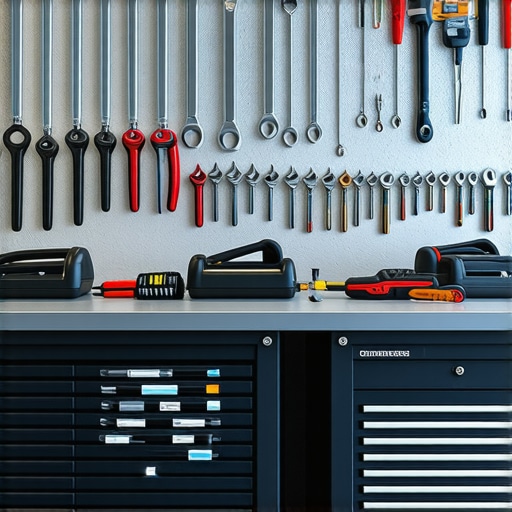
In addition, I keep a robust set of precision screwdrivers and torque wrenches from brands like Craftsman and Wiha. These tools help avoid over-tightening or stripping delicate components, especially during brake service or sensor replacements. Remember, quality hand tools are an investment—cheap alternatives often lead to stripped bolts and more headaches.
Routine Maintenance Practices for Longevity
One of the most undervalued habits is adhering to a strict oil change schedule based on your vehicle’s specifications. For high-mileage or turbocharged engines, sticking to the 3000-4000 mile rule helps prevent carbon buildup and sludge, which can sabotage your sensors and valves over time.
Long-term results also hinge on regular diagnostics and electrical checks. I recommend periodic inspection of connectors and wiring harnesses using a digital multimeter and inspection mirror. Moisture ingress or corrosion can lurk unnoticed, so I make it a point to inspect critical connections at least biannually, especially after pressure washing or harsh weather events.
Balancing Maintenance and Scaling
As your vehicle ages, scaling your maintenance becomes vital. Incorporate diagnostics hacks for TPMS sensors and other electronic modules into your routine. Upgrading to advanced diagnostic software or compatible OBD adapters can help identify emerging issues before they trigger warning lights, saving you costly repairs down the line.
Where Should You Focus Tomorrow?
Looking ahead, the trend in vehicle maintenance is moving toward AI-enabled diagnostics and smart tools that adapt to your vehicle’s unique conditions. Embracing these innovations can streamline troubleshooting and optimize your maintenance schedule, providing peace of mind and saving time. For now, try calibrating your brake-by-wire system using at-home techniques, as detailed here, and see how precise your vehicle’s response feels.
In the end, consistent use of reliable tools and disciplined maintenance routines will keep your vehicle dependable for years to come. Properly balancing routine checks with smarter tech adoption is the key to a long-lasting ride. Have you tried any of these advanced diagnostic techniques? Share your experience in the comments!
Reflecting on my journey through auto repair, I realized that some of the most valuable lessons come from unexpected missteps. One of the hardest lessons was understanding that assumptions about routine maintenance can lead to overlooked risks—especially when it comes to delicate components like brake sensors and electronic modules. I once believed that pressure washing was a quick fix for grime, not realizing it could quietly compromise my vehicle’s electronic heart. That lightbulb moment taught me the importance of respecting the nuances beneath the surface of vehicle care.
Lessons That Changed My Approach to Auto Care
- Never underestimate the vulnerability of sensors during cleaning: Moisture intrusion from improper pressure washing can cause costly failures. Cover sensitive parts and use gentle techniques.
- Diagnostics are more than just error codes: They require context and experience. Investing in quality diagnostic tools, like the high-end OBD-II scanner, can reveal issues before warning lights turn into breakdowns.
- Routine maintenance is an evolving discipline: What worked a decade ago might not suffice today. Keeping up with the latest repair tactics, such as the DIY brake fixes for 2026 models, ensures your vehicle stays dependable.
- Advanced diagnostics require continuous learning: Technologies like GDI cleaning and sensor calibration are complex. Dive into comprehensive guides to stay ahead, such as these intake cleaning tips.
Tools and Resources That Made a Difference
- Autel MaxiCOM MK808: Trusted for its deep compatibility and diagnostic depth, minimizing misdiagnoses and boosting confidence in repairs.
- Quality hand tools from Craftsman and Wiha: Essential for precise assembly and avoiding damage to sensitive components, saving time and money.
- Educational content like repair guides: Resources such as DIY brake service tutorials keep me sharp and prepared for common challenges.
Your Vehicle’s Future Starts Today
The path to a reliable, long-lasting vehicle is paved with curiosity, discipline, and the right tools. Embrace preventative routines, continuously update your knowledge, and never shy away from leveraging new diagnostic methods. Remember, the more you learn, the better your vehicle performs—and the more enjoyable your driving experience becomes. Are you ready to take your vehicle maintenance to the next level? Share your experiences or questions below!
,
More Details