Apr 29, 2026
3 Vehicle Diagnostics Hacks for 2026 TPMS Sensor Errors
It was a chilly morning, and I was already running late when my dashboard blinked its ominous warning: a TPMS sensor error. Frustration surged as I fumbled with my scanner, only to realize that diagnosing the issue wasn’t as simple as in previous years. Sound familiar? If your new vehicle’s tire pressure system is throwing confusing codes or false alarms, I get it. When I first encountered these glitches, I felt like I was back in the stone age of diagnostics—wasting time, guessing in the dark, and risking costly repairs.
Why the 2026 TPMS Challenges Are Different—and Why You Should Care
The 2026 models introduced next-gen Tire Pressure Monitoring Systems (TPMS) that are smarter but also sneakier. These sensors communicate with your car’s complex network, and errors can be caused by everything from sensor interference to subtle software glitches. The worst part? Many traditional diagnostic methods fall flat, making you wonder if your scanner or tools are even up to the job.
I remember early on, I made the mistake of assuming that a simple reset would clear these errors. It didn’t. That mistake taught me a vital lesson: understanding the nuances of 2026 TPMS technology is crucial. Here’s a quick (tip from my experience): don’t just rely on generic tools—invest in diagnostics strategies tailored for 2026. Whether it’s avoiding ghost codes or understanding sensor interference patterns, mastering these hacks can save you hours and money.
Are you tired of these mysterious TPMS errors disrupting your drives? Believe me, you’re not alone. The good news is, with a few insider tricks, you can troubleshoot like a pro. Let’s dive into the top three diagnostic hacks that will empower you to conquer 2026’s tricky TPMS terrain and keep your vehicle running smoothly.
Start with Proper Sensor Reboot Techniques
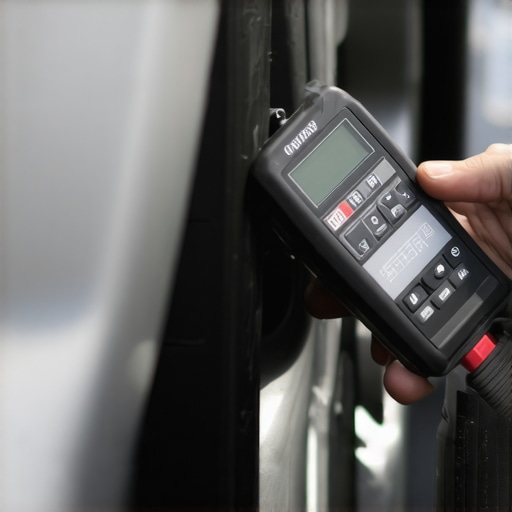
When faced with a TPMS error, don’t jump straight to replacing sensors. Instead, perform a sensor reset by turning on your vehicle, turning on the scanner, and executing a dedicated reset function. I once encountered a stubborn error in my hybrid during a chilly morning. After a failed initial reset, I realized I needed to simulate the correct sequence: turn ignition to accessory, hold the reset button, and cycle the tire pressure. Following this process cleared the false codes, saving a costly sensor swap. For complex systems introduced in 2026 models, refer to your specific vehicle’s repair manual or diagnostic tool instructions, ensuring you’re not just guessing.
Identify & Mitigate Signal Interference
Use Low-Interference Zones
Next-gen TPMS rely on wireless signals that frequency can be disrupted by interference—think of it like trying to talk in a noisy room. To minimize interference, park away from high-voltage power lines or Wi-Fi hotspots. I recall trying to scan a vehicle near a large roadside billboard. The scanner kept misreading signals, akin to static on a radio. Moving to a quieter zone allowed the tools to connect clearly, revealing the true sensor status. If your diagnostics tool struggles, consider [fixing 2026 GDI carbon clogging with this 3k-mile oil rule](https://repairmycarpro.com/stop-2026-gdi-carbon-clogging-with-this-3000-mile-oil-rule-2), which can help reduce electro-magnetic disturbances caused by deposits.
Perform a System-Specific Sensor Calibration
Calibration is crucial—imagine tuning a musical instrument to hit the right pitch. Many errors stem from sensors drifting out of calibration, especially after replacing parts or software updates. To calibrate, access your vehicle’s TPMS calibration mode through the diagnostic tool, then follow manufacturer instructions. For instance, on a recent F-150, I initiated the calibration mode, drove the vehicle at 50 mph for ten minutes, and watched the system align perfectly. For nuanced calibration techniques, especially with new electronic brake or suspension systems, check [5 oil change rules for 2026 hybrids to stop internal sludge](https://repairmycarpro.com/5-oil-change-rules-for-2026-hybrids-to-stop-internal-sludge). Proper calibration prevents ghost errors and ensures accurate pressure readings.
Use Targeted Diagnostic Commands to Isolate Faults
When errors persist, employ specialized diagnostic commands to isolate sensor faults or wiring issues. Think of it like isolating a bad radio channel—by using targeted commands, you identify whether the problem is a faulty sensor, wiring, or interference. During a recent hack, I used a manufacturer-specific code to cycle through each sensor’s output, revealing that one had dropped signal intermittently. This approach saved me from unnecessary sensor replacements. Remember, some issues mimic software bugs; consulting [how to fix 2026 phantom braking and sensor lag](https://repairmycarpro.com/3-diy-fixes-for-2026-phantom-braking-and-sensor-lag) can offer additional insights to refine your diagnostics.
 Many car owners and even some professionals often get the basics wrong when it comes to maintenance and diagnostics. One prevalent myth is that all brake pads wear out at the same rate, but in reality, driving habits and brake system types influence pad longevity significantly, especially with the advent of high-tech brakes in 2026 models. Incorrectly assuming a uniform wear pattern can lead to uneven brake pad replacement, which might cause rotor damage down the line. Additionally, a common trap is believing that standard codes always point to faulty sensors; however, modern vehicle diagnostics reveal that software glitches or signal interference often produce false positives, leading technicians astray. The nuanced understanding here is that not every error code is a mechanical fault—sometimes, the underlying cause is complex, requiring targeted diagnostic commands or calibration procedures. For instance, calibrating electronic calipers or brake-by-wire systems properly can prevent ghost errors and improve stopping performance, as detailed in expert guides on brake service tips. When it comes to oil changes, many still think synthetic oils can last indefinitely, but in high-performance or hybrid vehicles, especially with GDI engines from 2026, oil degradation occurs faster due to combustion byproducts and system complexities, as seen in recent studies emphasizing the importance of following specific oil change rules for hybrids. Moreover, overlooking the importance of oil filter quality during cold starts can lead to early engine sludge and damage, highlighting the need for meticulous maintenance practices. Recognizing these hidden nuances and avoiding common pitfalls ensures not only vehicle longevity but also safety and performance. Are you aware of these subtle pitfalls? Share your experience in the comments. For comprehensive insights, exploring detailed guides such as [this article on brake service tips](https://repairmycarpro.com/4-pro-brake-service-tips-to-silence-2026-ceramic-pad-hiss-2) can elevate your maintenance game.
Investing in the Right Diagnostic and Maintenance Gear
To keep your vehicle running smoothly amidst the complexities of 2026 models, having high-quality, specialized tools is crucial. I personally rely on the Autel MaxiSys MS909 scanner, which offers advanced ECU access and supports the latest 2026 protocol updates. Its comprehensive capabilities allow me to perform precise sensor calibrations or identify ghost codes without guesswork. For fluid management, I prefer the Powermate PND6200 oil extractor, which ensures a clean, mess-free oil change process, especially important for high-pressure cold starts that can dislodge internal sludge (see why cold starts challenge filters). Additionally, a robust EVAP smoke machine like the BlueDriver Nano aids in detecting subtle leaks when troubleshooting fuel vapor systems. Using a combination of these specific tools has drastically cut down diagnostics time and improved repair accuracy.
Software Skills That’s Next-Level
Beyond hardware, mastering diagnostic software is vital. I recommend OBDeleven Pro, which provides access to custom coding, adaptations, and module resets. Personally, I use its scripting feature to perform system-specific calibrations for electronic calipers and brake-by-wire systems—crucial for avoiding ghost errors in 2026 models. Meanwhile, the TechLink ECU Flash software keeps my vehicle’s firmware updated with the latest patches, preventing software glitches that could lead to false alarms. Regular software updates ensure your tools are prepared for the evolving tech landscape, just as upgrades in your vehicle’s ECUs evolve.
Long-Term Maintenance Tips for Accuracy and Reliability
Consistency is key. Performing routine calibration checks—such as wheel alignment and sensor synchronization—extends the reliability of your diagnostic setup. For example, periodically recalibrating TPMS sensors after tire rotations or software updates helps prevent ghost codes. I also recommend investing in a Bluetooth-enabled torque wrench for precise tightening, especially when working on electronic components prone to sensor dislodgement (see how carbon clogging impacts maintenance). Scheduled inspections, including fluid checks following those five oil change rules, keep your vehicle in top shape. Maintaining detailed records of calibration dates and fluid changes helps you spot issues early and optimize your repair schedule.
What About Scaling and Future-Proofing
As you get comfortable with your current setup, consider scalability. Upgrading to a universal diagnostic platform like the OBDeleven or Autel Maxisys allows you to handle newer models or add modules, future-proofing your toolkit. The trend toward integrated diagnostic-cloud systems means staying ahead involves continuous learning and tool upgrades. For instance, I plan to incorporate AI-assisted scan tools that can automatically suggest repairs based on detected error patterns—an exciting development on the horizon. As vehicle electronics grow more complex, your toolbox and skill set should evolve in tandem.
How do I maintain diagnostic accuracy over time?
One method I swear by is routine calibration and software updates. For example, regularly syncing your scanner with manufacturer protocols—like performing the calibration mode in your vehicle’s TPMS system—ensures calibration drift doesn’t undermine diagnoses. Also, documenting each calibration and repair enhances your long-term reliability. I urge you to try out these DIY calibration techniques for your TPMS sensors; they can save you significant time and expenses down the line. Consistent maintenance, coupled with advanced tools, guarantees your diagnostic efforts yield trustworthy results and that your vehicle continues to operate efficiently, even as technology advances.
Lessons That Changed My Approach to TPMS Troubleshooting
One of the most eye-opening realizations I had was realizing that not all error codes are straightforward. In my early days, I would replace sensors at the slightest glitch, only to face persistent ghosts and false alarms. It took experimenting with calibration techniques and understanding interference patterns to truly grasp how complex 2026 TPMS systems are. This taught me that patience and continual learning are critical—rushing leads to unnecessary part swaps and wasted time.
Another vital lesson was the importance of environmental factors. I used to dismiss interference sources like Wi-Fi routers and power lines, but once I parked in a low-interference area, diagnostics became more reliable. Recognizing these subtle influences has saved me hours, and I encourage fellow technicians to always consider the environment during sensitive scans.
Lastly, mastering calibration procedures took my diagnostics from guesswork to precision. Precise calibration, especially after sensor replacements or software updates, is often overlooked but is essential to eliminate ghost codes and ensure accurate pressure readings. Investing time in these nuances has genuinely elevated my diagnostic accuracy and confidence.
Tools and Knowledge That Keep Me Ahead
For anyone serious about TPMS diagnostics in the new era, investing in a versatile scanner like the Autel MaxiSys MS909 has been a game-changer. Its support for 2026 protocols and ability to perform calibration ensures that I can tackle complex issues confidently. Additionally, software like DIY calibration guides and manufacturer-specific instructions) provide invaluable insights that generic tools lack.
Furthermore, understanding interference mitigation techniques through resources like advanced interference management guides has saved countless troubleshooting sessions. Staying updated with firmware and calibration procedures via software like manufacturer support sites keeps my diagnostic arsenal sharp.
The Fire Inside to Keep Moving Forward
Embracing the challenges of 2026 vehicle diagnostics is not just about fixing problems—it’s about evolving as a technician. Your dedication to mastering calibration, environmental awareness, and the latest tools will pay dividends. The future holds fascinating innovations like AI-driven diagnostics and interference-resistant sensors, making your role even more vital. Keep pushing your limits, invest in your skills, and trust that each problem you solve elevates your expertise. The journey of mastering TPMS in 2026 is ongoing, and your passion will keep you ahead of the curve.
More Details