Oct 20, 2025
Best Oil Change & Brake Service Guide for Safe Driving in 2025

My Journey to Safer Driving Starts with the Right Oil Change & Brake Service

Last year, I faced a sudden brake squeal during my daily commute, which prompted me to dive deeper into vehicle maintenance. Through personal experience and research, I realized that the secret to safe driving in 2025 isn’t just about driving skill but also maintaining your car with the best oil change and brake services. This article shares my insights and practical tips to keep your vehicle in top shape.

Choosing the Perfect Oil Change: What I Learned from the Experts

When I first started exploring oil change options, I was overwhelmed by the variety of oils and services available. I found that synthetic oils, like those recommended by industry leaders such as top-rated auto repair shops, provide superior engine protection, especially in diverse weather conditions. Regular oil changes, ideally every 5,000 to 7,500 miles, significantly extend engine life and improve fuel efficiency. I now schedule oil changes based on my vehicle’s specific needs, guided by my owner’s manual and trusted mechanics.

Brake Service: My Experience with Ensuring Safety

Brakes are the unsung heroes of safe driving. I once ignored a slight pedal vibration, which worsened over time. After consulting with professionals, I learned that timely brake inspections and replacements prevent accidents. Modern brake services include rotor resurfacing, pad replacement, and hydraulic system checks. I now prioritize regular brake inspections, especially before long trips or adverse weather, to prevent costly repairs and ensure safety. For comprehensive brake service tips, I refer to this detailed guide.

Why Regular Maintenance Matters More Than Ever in 2025

With advancements in vehicle technology, regular maintenance like oil changes and brake services become even more critical. According to automotive safety experts, maintaining optimal vehicle condition reduces breakdown risks and enhances safety features’ effectiveness. I’ve also learned that proactive maintenance saves money in the long run, avoiding emergency repairs. For professional diagnostics and maintenance tips, I trust resources like auto diagnostics experts.

How do I know when my vehicle needs urgent attention?

Paying attention to warning signs such as unusual noises, vibrations, or warning lights can save you from costly repairs. Regular checkups help catch issues early, ensuring your car remains reliable and safe. I recommend scheduling diagnostics regularly, especially if your vehicle is older or has high mileage.

If you’re serious about safe driving in 2025, I encourage you to stay informed and proactive about vehicle maintenance. Feel free to share your own tips or ask questions — I’d love to hear your experiences! For more in-depth advice, explore auto diagnostics tips.

Are Modern Vehicle Systems Sensitive to Maintenance Timing and Quality?

As vehicles become more sophisticated with advanced electronics and sensors, the importance of timely and high-quality maintenance grows exponentially. Modern brake systems incorporate electronic stability controls and anti-lock braking systems (ABS), which require precision servicing to function correctly. Similarly, synthetic oils used today are formulated to enhance engine longevity and efficiency, especially in hybrid or electric vehicles that demand consistent performance. According to top-rated auto repair shops, staying ahead with regular, expert maintenance not only preserves vehicle safety but also ensures compatibility with emerging automotive technologies.

What Are the Nuances of Maintaining Hybrid and Electric Vehicles?

Hybrid and electric cars introduce new considerations for maintenance. For instance, electric vehicles often have regenerative braking systems that reduce wear on traditional brake components, but their electronic systems still need regular diagnostics to prevent issues. Likewise, synthetic oils in these vehicles are designed to operate under different thermal conditions, requiring specialized knowledge from mechanics. Experts recommend consulting with specialists who understand the intricacies of these powertrains, as outlined in vehicle diagnostics tips. This proactive approach ensures that both traditional and modern systems function harmoniously, extending vehicle life and safety.

Integrating Diagnostics into Routine Maintenance: Why It Matters

Routine diagnostics are no longer optional but essential, especially with the proliferation of complex electronic systems. Modern vehicles are equipped with sensors that monitor everything from tire pressure to brake pad wear, feeding data to onboard computers. Regular diagnostics can detect subtle issues before they escalate into costly repairs or safety hazards. This practice aligns with expert advice on auto diagnostics tips, emphasizing the importance of early detection. Integrating diagnostic checks during oil changes or brake inspections can provide a comprehensive view of vehicle health, ensuring optimal performance and safety.

How Can Car Owners Leverage Technology for Smarter Maintenance?

With the advent of telematics and connected car technology, owners can now monitor their vehicle’s health remotely. Many modern vehicles send maintenance alerts directly to their owners’ smartphones, guiding timely interventions. For example, apps linked to your vehicle can notify you when it’s time for an oil change or brake service based on actual usage patterns, not just mileage. This proactive approach minimizes downtime and enhances safety. But, to truly capitalize on these innovations, owners must understand their vehicle’s specific needs and consult trusted professionals for maintenance. For comprehensive insights on using technology to optimize vehicle care, explore brake service guides.

Are you taking advantage of modern diagnostic tools and connected car features to keep your vehicle in top shape? Share your experiences or ask questions in the comments—I love hearing how fellow drivers are embracing smarter maintenance solutions!

Reflections on the Evolving Landscape of Vehicle Maintenance

As I continue to delve into the intricacies of vehicle upkeep, I realize that each repair or service is more than just a routine task — it’s a journey into understanding the sophisticated systems that keep us safe on the road. With advancements in automotive technology, my personal experience has shown me that staying informed and adaptable is crucial. For example, I’ve noticed that newer vehicles often require specialized diagnostics, which I learned through engaging with trusted experts via this resource. This proactive approach has transformed my maintenance routine from reactive to strategic, emphasizing early detection and precision care.

Nuances in Maintaining Modern and Emerging Vehicle Technologies

One of the more complex aspects I’ve encountered is understanding how hybrid and electric vehicles demand tailored maintenance strategies. Electric cars, with their regenerative braking systems, reduce wear on traditional brake components but introduce new electronic diagnostics requirements. I’ve found that consulting specialists familiar with these systems, as suggested by vehicle diagnostics tips, is essential for preserving their longevity. This nuanced understanding underscores that maintenance in 2025 isn’t a one-size-fits-all approach but a sophisticated balancing act that requires ongoing education and adaptation.

How Do I Keep Up with the Rapid Advancements in Vehicle Safety and Diagnostics?

Keeping pace with technological innovations can be overwhelming, but I’ve found that leveraging connected car features significantly enhances my ability to maintain safety. Modern vehicles often alert me when a service is due, whether it’s an oil change or brake check, thanks to integrated telematics. This system not only saves me time but also ensures I don’t overlook critical maintenance tasks. For instance, I regularly use apps that sync with my vehicle to receive real-time diagnostics, helping me catch issues early. If you’re curious about how to make the most of these tools, exploring auto diagnostics tips can provide valuable insights.

Personal Lessons Learned and Future Directions

Reflecting on my journey, I realize that embracing technology and expert guidance has made vehicle maintenance more manageable and effective. Still, I remain aware that every vehicle is unique, and what works for one might not suit another. My advice to fellow drivers is to stay curious, ask questions, and never underestimate the importance of regular, professional diagnostics. As the automotive landscape continues to evolve, I look forward to discovering new ways to keep my vehicle safe and reliable, and I encourage you to share your own experiences or ask questions. Together, we can navigate the complexities of modern vehicle care and ensure our safety on every journey.

Integrating Predictive Maintenance: The Future of Vehicle Safety and Longevity

One of the most transformative shifts I’ve embraced in recent years is the adoption of predictive maintenance, leveraging telematics and advanced diagnostics to forecast potential issues before they become critical. Modern vehicles, equipped with an array of sensors, continuously monitor parameters such as brake wear, engine performance, and tire health, feeding data into sophisticated algorithms that predict failures with remarkable accuracy. This proactive approach not only minimizes unexpected breakdowns but also optimizes maintenance schedules, saving money and enhancing safety. I recall a time when a minor fluctuation in brake sensor data alerted me to a developing issue, allowing me to address it during a routine service — a perfect example of how technology is revolutionizing vehicle care. According to a comprehensive report by auto diagnostics experts, integrating predictive analytics into regular maintenance routines is now essential for modern vehicle ownership.

Deep Dive into Electronic Brake System Diagnostics: Why Precision Matters

As vehicles incorporate more electronic controls, understanding and diagnosing brake system anomalies requires a higher level of expertise. Electronic brake systems, such as anti-lock braking systems (ABS) and electronic stability controls, depend on intricate sensor networks and hydraulic controls. Misdiagnoses can lead to unsafe driving conditions or unnecessary repairs. I’ve found that utilizing specialized diagnostic tools, which interface with vehicle ECUs, provides detailed insights into the system’s health. Regularly updating diagnostic software and collaborating with certified technicians ensures these sophisticated systems function flawlessly. For a detailed overview of the latest diagnostic techniques, I recommend exploring this authoritative guide. The precision in diagnosing electronic brake components directly correlates with vehicle safety, especially in adverse weather or emergency situations.

What Are the Challenges and Solutions in Maintaining Electric and Hybrid Vehicles?

Electric and hybrid vehicles present unique maintenance challenges that require specialized knowledge. For instance, regenerative braking systems in EVs reduce wear on traditional brake parts but demand precise electronic diagnostics to prevent system failures. Additionally, high-voltage batteries require careful handling and monitoring, often involving thermal management systems that are complex and sensitive. I’ve learned that partnering with technicians trained specifically in electric vehicle systems is crucial. They utilize diagnostic platforms tailored to EVs, like those outlined in this resource. Staying abreast of technological advancements and manufacturer updates is vital for maintaining these vehicles safely and efficiently, ensuring their performance aligns with the latest safety standards.

How Can Connected Car Technology Elevate Routine Maintenance and Safety?

Connected car technology has profoundly impacted my approach to vehicle maintenance. Many modern cars send real-time alerts for fluid levels, tire pressure, and brake system health, enabling me to schedule interventions before issues escalate. This connectivity also facilitates remote diagnostics, where I can share vehicle data seamlessly with my mechanic, leading to faster and more accurate repairs. I’ve found that subscribing to manufacturer apps that monitor my car’s health provides peace of mind and keeps my vehicle in peak condition. To maximize these benefits, understanding how to interpret alerts and utilize diagnostic tools is essential. For insights into leveraging connected car features, I suggest exploring this in-depth guide. Embracing these technological advancements ensures that my vehicle remains safe, reliable, and compliant with evolving standards.

Harnessing Data Analytics for Personalized Maintenance Programs

Personalized maintenance, driven by data analytics, is revolutionizing how I care for my vehicle. By analyzing driving habits, environmental conditions, and historical repair data, I can tailor maintenance schedules that optimize performance and safety. For example, frequent city driving with stop-and-go traffic may accelerate brake wear, prompting more frequent inspections. Conversely, long highway trips might emphasize engine and transmission checks. Implementing these insights requires robust data collection and interpretation, often facilitated by manufacturer apps and third-party diagnostic platforms. This approach not only prevents costly repairs but also extends vehicle lifespan. I encourage fellow enthusiasts to explore resources like this expert advice on customizing maintenance routines based on real-world usage. Ultimately, data-driven strategies empower us to make informed decisions, ensuring maximum safety and efficiency on every journey.

Things I Wish I Knew Earlier (or You Might Find Surprising)

Hidden Impact of Regular Oil Changes

Initially, I underestimated how much regular oil changes could extend my engine’s life. It’s not just about avoiding engine wear; it’s about keeping the entire vehicle running smoothly, especially with the advanced technology in modern cars.

The Real Cost of Ignoring Brake Service

I once postponed brake maintenance and paid a hefty price. I learned the hard way that timely brake inspections and replacements are crucial for safety and can save you money in the long run by preventing major repairs.

Modern Vehicles Are Smarter Than Ever

With connected car technology, my vehicle now alerts me when maintenance is due, which has been a game-changer. It’s like having a mechanic in your pocket, helping you stay ahead of potential issues.

Specialized Maintenance for Electric & Hybrid Cars

Maintaining electric vehicles requires different skills and tools. Partnering with knowledgeable mechanics who understand EV systems has been key to keeping my EV in top shape without surprises.

The Power of Predictive Maintenance

Using sensors and data analytics, I can now anticipate problems before they happen. This proactive approach has made my driving safer and my vehicle more reliable, especially with complex electronic systems.

Resources I’ve Come to Trust Over Time

  • Auto Diagnostics Experts: Their insights on vehicle diagnostics have helped me understand my car better and catch issues early. I highly recommend exploring their diagnostics tips.
  • Top-Rated Auto Repair Shops: These shops provide quality oil change and brake services, ensuring my car stays safe. Their reviews and expertise give me peace of mind.
  • Automotive Safety Standards: Staying updated on safety standards from trusted organizations keeps me informed about best practices for vehicle maintenance.

Parting Thoughts from My Perspective

Reflecting on my journey, I realize that embracing regular maintenance like oil changes and brake services is essential for safe driving in 2025. The automotive industry is evolving rapidly, and staying informed about advanced diagnostics and vehicle technologies is more important than ever. My advice is to stay proactive, leverage the latest tools, and work with knowledgeable professionals to keep your vehicle in top shape. If this resonated with you, I’d love to hear your thoughts or experiences. Share it with someone who might find it helpful, and let’s keep the conversation going about safe, smart vehicle care in the modern age!

More Details
Oct 19, 2025
Ultimate Brake Service Guide for Safe Driving in 2025

My Journey into Understanding Brake Safety: A Personal Story

Last year, I experienced a tense moment on the highway when my brakes suddenly felt less responsive. That scare motivated me to dive deep into the world of brake services and maintenance, especially with the rapid advancements in automotive technology expected by 2025. I realized that staying informed isn’t just about safety—it’s about peace of mind during every drive.

Why Regular Brake Checks Are My Best Friend

After that incident, I started prioritizing regular brake inspections. Trust me, it’s not just about replacing worn-out pads but understanding the entire brake system—hydraulic lines, rotors, and calipers. According to top-rated auto repair experts, diagnostics play a crucial role in preemptive maintenance, especially as vehicle technologies evolve.

What’s New in Brake Technology for 2025?

From my research and conversations with technicians, 2025 will see the rise of smarter brake systems equipped with sensors and AI-driven diagnostics. These innovations promise better safety and longevity, but they also demand that we, as drivers, stay aware of signs indicating brake problems—like strange noises or vibrations. It’s fascinating how technology is making brake maintenance more precise and less intrusive.

How Do I Know When It’s Time for a Brake Service?

One question I often ask myself: *Is my car telling me it’s time for a brake check?* Common signs include squealing sounds, a soft brake pedal, or increased stopping distances. I’ve learned that paying attention to these cues can prevent costly repairs and, more importantly, keep me safe on the road. For a comprehensive overview, I also refer to expert diagnostic tips for reliable auto repairs.

How can I ensure my brakes are ready for the road ahead?

Consistent maintenance and staying informed about new brake technologies are key. I also make it a point to visit trusted auto repair shops that utilize the latest diagnostic tools. Sharing experiences with fellow drivers has taught me that proactive care is always better than reactive fixes. If you’re curious about how to choose a reliable brake service provider, check out my favorite tips here.

If you’ve had any recent brake issues or insights, I’d love to hear your stories. Drop a comment below or share your tips—together, we can stay safe and informed as technology advances!

Are Your Brakes Ready for the Tech-Driven Road Ahead?

As automotive innovation accelerates, especially with the integration of AI and sensor technologies, understanding how these advancements influence brake maintenance becomes essential. For example, smart brake systems equipped with predictive diagnostics can alert drivers to issues before they manifest as dangerous symptoms, yet they also require a nuanced understanding of the technology to interpret alerts correctly. This shift underscores the importance of staying informed about emerging brake tech, which is crucial for both safety and cost-effective maintenance. For a detailed exploration of the latest diagnostics tools, visit this resource.

What Are the Practical Signs That Indicate Your Brakes Might Be Failing?

While technological innovations aid in early detection, drivers must still recognize classic signs of brake wear. These include squealing noises, a spongy brake pedal, or vibrations during braking. Paying close attention to these cues can prevent minor issues from escalating into costly repairs or safety hazards. Regularly consulting trusted auto repair sources like expert brake safety tips helps you stay ahead of potential problems. Remember, proactive maintenance is your best defense against unexpected failures.

How Can Drivers Leverage Expert Maintenance Strategies to Extend Brake Lifespan?

Implementing expert-recommended practices, such as routine inspections and timely replacements of brake components, is vital. For instance, regularly checking brake fluid levels and ensuring hydraulic systems are free of leaks maintains optimal performance. Additionally, choosing high-quality replacement parts and ensuring professional installation can significantly extend the lifespan of your brake system. To streamline your maintenance efforts, consider scheduling diagnostics with specialists who utilize the latest tools—more about this can be found at expert diagnostics services. This approach guarantees your vehicle remains safe and reliable as technology evolves.

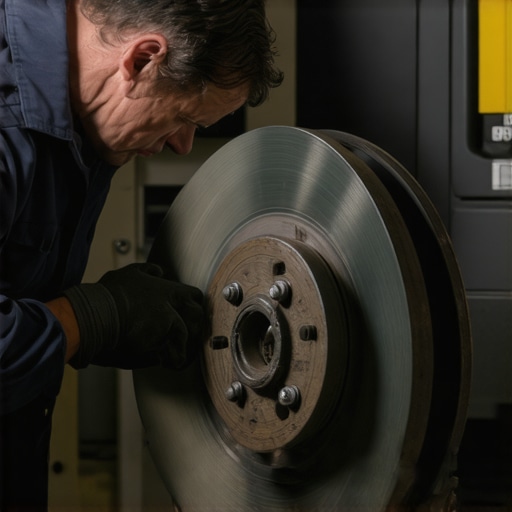
Close-up of a modern car brake system with sensors and diagnostic tools

Visualize the modern brake system with integrated sensors and diagnostic tools to understand how technology is revolutionizing vehicle safety.

Engaging with the Community: Share Your Brake Experience

If you’ve recently encountered issues with your brakes or discovered innovative maintenance techniques, sharing your insights can benefit fellow drivers. Whether it’s a story of a near-miss or a tip for choosing the right service provider, your experiences contribute to a safer driving environment for everyone. Feel free to comment below or explore more about brake safety and maintenance at top-rated auto repair reviews. Together, we can navigate the future of vehicle safety with confidence and knowledge.

My Evolving Perspective on Brake Technology: A Personal Reflection

Over the past few years, my understanding of brake systems has transformed from basic maintenance routines to a deep appreciation for the sophisticated technology shaping vehicle safety in 2025. I recall the first time I encountered a vehicle equipped with AI-driven diagnostics—initially intimidating, yet incredibly enlightening. This experience sparked a curiosity that led me to explore how these advancements can be harnessed for optimal safety and longevity, emphasizing that staying ahead in maintenance isn’t just about fixing problems but anticipating them.

How Do I Navigate the Complexity of Modern Brake Systems?

With the integration of sensors, electronic control units, and predictive analytics, modern brake systems demand a nuanced approach. It’s no longer enough to listen for squeals or feel vibrations; I’ve learned to interpret diagnostic alerts that often come with detailed codes. Consulting expert diagnostic tips has been invaluable. These tools help me understand the subtle signs of wear that might otherwise go unnoticed, such as slight changes in pedal feel or minor fluctuations in brake fluid pressure. Recognizing these signs early can save money and lives, reinforcing that proactive care is vital in an era of smart vehicles.

What Are the Ethical and Practical Challenges of Relying on AI for Brake Maintenance?

One of the more profound questions I’ve pondered is the balance between technology and human judgment. While AI and sensors can predict failures before they manifest, they are not infallible. I’ve encountered scenarios where diagnostic alerts required careful interpretation—sometimes, the system flags a false alarm, leading to unnecessary repairs unless a technician applies their expertise. This underscores the importance of ongoing education and trust in skilled mechanics who understand the intricacies behind these systems. As top-rated auto repair experts suggest, the human element remains crucial even as technology advances.

How Can Drivers Balance Technology and Traditional Maintenance?

My personal strategy involves combining routine inspections with the latest diagnostic tools. For example, I schedule regular brake fluid changes and component checks—practices that have stood the test of time—while also leveraging AI diagnostics to catch issues early. This dual approach ensures I benefit from technological innovations without losing sight of fundamental safety principles. If you’re interested in adopting a similar approach, exploring comprehensive brake safety tips can guide your efforts.

Sharing my experiences has shown me that embracing both traditional and innovative methods creates a more resilient maintenance routine. I invite fellow drivers to reflect on how they incorporate technology into their vehicle care and to share their stories in the comments. Together, we can foster a community that values continuous learning and safety.

What Will the Future Hold for Brake System Innovation?

Looking ahead, I believe that the integration of machine learning and enhanced sensor technology will revolutionize how we maintain and repair brake systems. Imagine predictive diagnostics that not only alert you about current issues but also forecast potential failures based on driving habits and environmental conditions. Such advancements could drastically reduce accidents and repair costs. To stay informed about these exciting developments, I recommend exploring resources like latest diagnostics tools and keeping a close relationship with trusted auto repair professionals.

Deciphering the Complexities of Smart Brake Diagnostics

As vehicles become increasingly sophisticated, my exploration into smart brake diagnostics has revealed a fascinating world where data-driven insights revolutionize safety protocols. The integration of IoT sensors and machine learning models enables a proactive approach, allowing drivers and technicians to anticipate failures before they manifest physically. I’ve personally found that understanding diagnostic codes—beyond their surface-level alerts—requires continuous education, as highlighted by industry leaders in vehicle diagnostics advancements. This knowledge empowers me to interpret subtle signals, like minor pedal feel changes, that might otherwise be dismissed, ensuring my safety is never compromised.

The Ethical Dilemmas of AI-Driven Brake Maintenance

One of the more nuanced challenges I face is balancing reliance on AI diagnostics with human expertise. While these systems excel at early detection, false positives can lead to unnecessary repairs, eroding trust. I recall consulting with a technician who emphasized that AI should augment, not replace, seasoned judgment—a principle echoed in recent industry guidelines. This synergy between technology and craftsmanship ensures that maintenance remains precise and ethically sound, fostering confidence in the longevity of my vehicle’s brake system.

How Do I Navigate the Evolving Landscape of Brake Technology to Ensure Optimal Safety?

My approach involves continuous learning—staying updated with the latest innovations through reputable sources and engaging with professional communities. Regularly scheduled diagnostics, combined with traditional inspections like checking brake fluid levels and rotor integrity, form a comprehensive strategy. This dual approach safeguards against unforeseen failures while leveraging technological benefits. For those eager to deepen their understanding, I recommend exploring advanced brake safety tips that synthesize modern and classic maintenance practices.

If you’re committed to elevating your vehicle’s safety standards, I invite you to share your insights or experiences in the comments. Our collective knowledge not only enhances individual care but also strengthens the broader automotive community’s resilience against emerging challenges.

Future Perspectives: The Convergence of Machine Learning and Brake Maintenance

Looking ahead, I envision a future where machine learning algorithms predict brake wear patterns based on driving habits and environmental conditions—an evolution that could drastically reduce unexpected failures. The potential for predictive analytics to transform maintenance routines is immense, as discussed in recent latest diagnostic technologies. Staying ahead requires an ongoing commitment to education, adaptability, and collaboration with skilled professionals who understand the intricacies of these systems. Embracing this future responsibly ensures that safety, efficiency, and peace of mind remain at the forefront of automotive innovation.

Things I Wish I Knew Earlier (or You Might Find Surprising)

Hidden Signs of Brake Wear

One thing I learned the hard way was that subtle changes like a slightly softer brake pedal or minor vibrations can be early indicators of problems. Paying close attention to these details often saved me from costly repairs later on. It’s a reminder that our cars do tell us stories if we listen carefully.

The Power of Regular Inspections

I used to think brake checks were only necessary when something felt off, but now I see that routine inspections, even when everything seems fine, can catch issues before they escalate. Trust me, proactive maintenance builds peace of mind and keeps your vehicle running smoothly.

Embracing New Brake Technologies

2025 promises exciting advancements like AI-driven diagnostics and smarter brake systems. These innovations can alert us to problems early, but they also require us to stay informed. Learning how to interpret these alerts is becoming an essential skill for drivers today.

Choosing the Right Service Provider

Not all auto repair shops are equipped to handle the latest brake tech. Finding a trusted mechanic familiar with modern diagnostics has made a huge difference in my maintenance routine. Check out my tips on selecting reliable providers here.

Resources I’ve Come to Trust Over Time

  • Repair My Car Pro: This site offers comprehensive guides and the latest updates on brake technology and diagnostics. I’ve found it invaluable for understanding complex systems and making informed decisions.
  • Automotive Technology Journal: A trusted publication that keeps me abreast of industry trends and innovations, especially for 2025 and beyond.
  • Local Auto Repair Experts: Nothing beats learning from experienced mechanics who are passionate about staying current with tech advancements. I highly recommend building a relationship with professionals you trust.

Parting Thoughts from My Perspective

Reflecting on my journey, I realize that understanding brake safety in 2025 is more than just routine maintenance—it’s about embracing technological advancements while staying grounded in fundamental care. Regular checks, attention to warning signs, and working with knowledgeable professionals can significantly enhance safety and vehicle longevity. If this resonates with you, I’d love to hear your own experiences or tips. Sharing our stories helps us all stay safer on the road and adapt to the exciting changes ahead.

More Details
Oct 16, 2025
Top-Rated Brake Service Tips for Vehicle Safety in 2025

My First Experience with Brake Troubles — A Wake-Up Call

Last year, I found myself suddenly braking hard to avoid an obstacle on the road. That moment made me realize how crucial reliable brakes are for safety. Ever since, I’ve dedicated myself to understanding the best brake service tips to keep my vehicle in top shape, especially as cars become more advanced in 2025.

Why Regular Brake Inspections Are My Top Priority

Through my experience, I learned that routine brake inspections can prevent costly repairs and accidents. I now schedule check-ups at least twice a year, focusing on brake pad wear, fluid levels, and rotor condition. According to experts from Repair My Car Pro, regular diagnostics are essential for early detection of issues, ensuring peace of mind during my daily drives.

How to Recognize the Signs of Brake Problems

One thing I’ve noticed is the squealing sound that sometimes occurs when I brake. It’s a clear sign that my brake pads might be worn out. Other indicators include a soft brake pedal or vibrations when stopping. Addressing these early symptoms can save you from more serious repairs later, translating into safer driving experiences.

What Are the New Technologies in Brake Systems for 2025?

Living in 2025, I’m excited about the advancements in brake technology, like regenerative braking systems in electric vehicles and smart brake sensors. These innovations improve safety and efficiency. I’ve found that staying updated with such advancements helps me make informed decisions about my vehicle maintenance and safety practices.

Why Is It So Important to Trust Certified Brake Service Providers?

In my quest for safety, I always look for certified technicians who have the expertise and experience in modern brake systems. This ensures that my vehicle gets the best care possible. I recommend visiting trusted auto repair shops or consulting online resources to find professionals who are up-to-date with the latest brake technology and safety standards.

If you’re like me, always eager to learn and improve your vehicle’s safety, I encourage you to explore more about reliable brake services. Share your experiences or questions in the comments—I’d love to hear how you keep your car safe on the road!

Unveiling the Nuances of Modern Brake System Diagnostics

While routine inspections are crucial, understanding the intricacies of diagnostic tools elevates your maintenance game. Advanced diagnostic equipment now allows technicians to analyze brake system data with remarkable precision, detecting issues like subtle rotor warping or fluid contamination before they manifest as noticeable problems. This proactive approach minimizes downtime and enhances safety.

The Role of AI and IoT in Brake System Monitoring

In 2025, artificial intelligence (AI) and the Internet of Things (IoT) are transforming brake system maintenance. Smart sensors embedded within brake components continuously monitor performance metrics, transmitting real-time data to cloud-based systems. AI algorithms analyze this data, predicting potential failures and scheduling maintenance proactively. This integration not only improves safety but also optimizes vehicle uptime and reduces costs.

How Can Vehicle Owners Leverage Technology for Better Brake Care?

Vehicle owners today can benefit from mobile apps that sync with their car’s IoT-enabled brake sensors. These apps provide alerts for upcoming maintenance, brake pad wear, or fluid level drops, empowering owners to act before problems escalate. Moreover, staying informed about recalls or updates related to brake systems from trusted sources like Repair My Car Pro ensures that your vehicle remains compliant with the latest safety standards.

What Are the Practical Challenges in Implementing These Technologies?

Despite the promising benefits, integrating AI and IoT into brake systems presents challenges such as ensuring cybersecurity, managing data privacy, and maintaining affordability for consumers. Technicians must also adapt by gaining expertise in these new technologies. As an enthusiast or professional, staying updated through continuous education and reliable sources is essential for leveraging these advancements effectively.

If you’re eager to delve deeper into how these innovations are shaping auto repair, I recommend exploring comprehensive guides on vehicle diagnostics and maintenance strategies. Sharing your experiences or questions can foster a community of informed drivers committed to safety and innovation. For more insights, visit `- https://repairmycarpro.com/expert-vehicle-diagnostics-for-reliable-auto-repairs-today`.

Unraveling the Depths of Brake System Diagnostics — My Personal Exploration

As I delved deeper into the world of vehicle maintenance, I discovered that understanding the nuances of modern brake diagnostics is akin to learning a new language. The technological leaps we’ve witnessed by 2025 mean that a simple visual inspection no longer suffices. Instead, sophisticated diagnostic tools, powered by AI and IoT, reveal hidden issues that even experienced technicians might overlook. This realization prompted me to invest time in learning how these advanced systems operate, and I found that the key lies in interpreting data patterns and understanding sensor feedback.

How Do AI and IoT Enhance Brake Safety — Beyond Routine Checks?

Living through 2025, I’ve seen firsthand how AI algorithms analyze data from embedded sensors to predict failures before they happen. For instance, smart brake sensors continuously monitor parameters like pad wear, rotor temperature, and fluid viscosity. The data is transmitted in real-time to cloud platforms, where AI models assess risk levels and alert me via mobile apps when maintenance is due. This proactive approach transforms the traditional reactive model into a preventive one, significantly reducing the chances of brake failure during critical moments. According to Repair My Car Pro, integrating these technologies into routine service routines is now essential for safety and longevity.

What Are the Challenges of Relying on Cutting-Edge Diagnostic Technologies?

While the benefits are vast, embracing AI and IoT in brake diagnostics isn’t without hurdles. Cybersecurity becomes a paramount concern—protecting sensitive data from potential breaches is critical. Additionally, the cost of implementing such systems can be daunting for individual car owners or small repair shops. Moreover, technicians require ongoing training to interpret complex data outputs accurately. Personally, I see these challenges as opportunities for growth—pushing us to develop better cybersecurity measures, affordable solutions, and comprehensive training programs. Staying informed through trusted sources like Repair My Car Pro has been instrumental in navigating these advancements.

Illustration of AI and IoT sensors integrated into vehicle brake systems, showing data transmission and analysis.

Visualizing these concepts, I found that diagrams illustrating sensor placements and data flow significantly helped me grasp how AI and IoT work together seamlessly. This understanding has empowered me to communicate better with my mechanic and make more informed decisions about my vehicle’s maintenance schedule.

How Can Vehicle Owners Take Advantage of These Innovations Today?

Today, vehicle owners can leverage mobile apps that sync with IoT-enabled brake sensors, receiving instant alerts about pad wear, fluid issues, or system anomalies. This real-time information allows for timely intervention, avoiding costly repairs and enhancing safety. Additionally, staying updated with recalls or software updates from trusted sources ensures my vehicle remains compliant with the latest safety standards. Engaging with communities of like-minded enthusiasts, sharing experiences, and asking questions enriches my understanding and keeps me at the forefront of auto maintenance innovation.

If you’re curious about implementing these advanced diagnostics or want to share your experiences, I invite you to comment below. The journey into modern brake technology is ongoing, and collective knowledge accelerates our growth as informed drivers.

Deciphering the Complex Language of Modern Brake Diagnostics

Venturing deeper into the realm of vehicle maintenance, I realized that mastering advanced brake diagnostics is akin to learning a sophisticated language. The leap from simple visual inspections to interpreting AI-driven data streams requires a nuanced understanding of sensor feedback and system behaviors. Modern diagnostic tools now analyze minute variations in rotor temperature fluctuations, fluid viscosities, and pad wear patterns with remarkable precision. This detailed insight allows me to anticipate issues long before they manifest as noticeable problems, significantly elevating safety and reliability.

Integrating AI and IoT for Unparalleled Brake Safety

Living in 2025, I’ve witnessed how AI algorithms, combined with IoT technology, revolutionize brake system monitoring. Embedded sensors continuously transmit real-time data to cloud platforms, where intelligent systems assess the health of brake components proactively. This integration means that potential failures—like subtle rotor warping or developing fluid contamination—are flagged early, enabling timely interventions. According to Repair My Car Pro, embracing these technological advancements is no longer optional but essential for ensuring vehicle safety and longevity.

Overcoming Challenges in Cutting-Edge Diagnostic Adoption

Despite the clear benefits, adopting AI and IoT diagnostics introduces challenges such as cybersecurity risks, data privacy concerns, and affordability barriers. Ensuring that sensitive vehicle data remains protected from malicious attacks requires robust encryption protocols. Additionally, the costs associated with installing and maintaining these systems can be prohibitive for some owners or small repair shops. Technicians must also acquire new skills—interpreting complex data outputs and understanding sensor feedback—necessitating ongoing education. Personally, I see these challenges as catalysts for innovation, pushing industry standards toward more secure, cost-effective solutions, as emphasized by Repair My Car Pro.

How Can Enthusiasts and Professionals Leverage These Technologies for Maximum Benefit?

Vehicle owners and repair professionals can harness mobile applications that sync seamlessly with IoT-enabled brake sensors, providing instant alerts on pad wear, fluid issues, or system anomalies. Regularly checking these updates allows for proactive maintenance—saving money and enhancing safety. Staying informed through official channels about recalls or software updates ensures compliance with evolving safety standards. I encourage fellow enthusiasts to share their experiences and insights, fostering a community dedicated to safety and technological advancement. Engaging in forums or directly consulting trusted resources can deepen understanding and practical application of these innovations.

<Diagram illustrating sensor locations and information flow in advanced brake systems>

Visual aids like diagrams illustrating sensor placements, data flow, and system architecture can demystify these complex systems. They serve as invaluable tools for communicating with mechanics and making informed decisions about maintenance schedules, ensuring that advanced diagnostics translate into tangible safety benefits.

Embracing the Future: How Advanced Brake Diagnostics Elevate Vehicle Safety

As I continue exploring this cutting-edge domain, I recognize that mastering these diagnostic techniques not only enhances safety but also extends the lifespan of vehicle components. The continuous evolution of AI and IoT in automotive systems promises even greater precision and reliability. For those eager to stay ahead, I recommend exploring detailed guides on vehicle diagnostics and engaging with communities that share these high-level insights. Together, we can navigate the complexities of modern brake systems and contribute to safer roads for everyone.

Things I Wish I Knew Earlier (or You Might Find Surprising)

Embracing Proactive Maintenance

Looking back, I realize that understanding the importance of proactive brake diagnostics could have saved me from unexpected repairs. Waiting until I noticed squealing or vibrations often meant more costly fixes—now I see that early detection through advanced diagnostics is key to safety and savings.

The Hidden Power of IoT Sensors

It surprised me how embedded sensors in brake systems communicate continuously with cloud platforms. This real-time data flow not only predicts failures but also creates a seamless monitoring experience. It’s like having a vigilant co-pilot ensuring your brakes are always in check.

The Limitations of Visual Inspections Alone

I used to believe that a quick visual check was enough. However, modern diagnostic tools reveal issues hidden beneath the surface—like subtle rotor warping or fluid contamination—long before they cause symptoms. This shift has transformed my approach to vehicle care.

Cybersecurity: The New Frontier in Brake Tech

As these systems become more connected, I’ve realized that cybersecurity is crucial. Protecting sensitive vehicle data from potential breaches is an ongoing challenge that industry leaders are actively addressing. It’s a reminder that innovation must go hand-in-hand with security.

The Cost of Innovation: Is It Worth It?

While cutting-edge diagnostics can be expensive upfront, I believe their value in preventing accidents and extending vehicle lifespan makes them a worthwhile investment. Finding affordable solutions remains a challenge, but the benefits are undeniable.

Resources I’ve Come to Trust Over Time

  • Repair My Car Pro: An indispensable resource for understanding modern vehicle diagnostics; their insights helped me grasp complex systems easily. I highly recommend visiting Repair My Car Pro.
  • SAE International: A leading authority on automotive engineering standards, offering in-depth technical articles that deepen my understanding of brake technologies.
  • Car Talk Forums: An active community where enthusiasts and professionals share real-world experiences, providing practical tips and support.

Parting Thoughts from My Perspective

Exploring the evolution of brake diagnostics has been eye-opening. The integration of AI and IoT in 2025 has truly transformed how I approach vehicle safety—making preventive maintenance more accurate and reliable than ever. For anyone passionate about car care, embracing these innovations is essential. If this resonated with you, I’d love to hear your thoughts or experiences. Sharing knowledge helps us all drive safer on these increasingly advanced roads. Feel free to drop your comments below or pass this along to fellow car enthusiasts!

More Details