Feb 5, 2026
3 Stealth 2026 Brake Noises That Aren’t Just Squeaky Pads

Ever been in the middle of a drive when suddenly your brakes start making a strange, almost rebellious squeal? I remember the first time it happened to me—I pulled over, thinking I needed new pads immediately. Turns out, that high-pitched noise wasn’t just another squeaky brake pad—it was a warning sign of something more sneaky lurking in my braking system. That lightbulb moment made me realize how many drivers overlook subtle brake noises, dismissing them as minor issues or just normal wear. But here’s the thing: ignoring these sounds can lead to costly repairs down the line.

Why Brake Noises in 2026 Are Not Just a Quirk

The truth is, brake noises today often signal complex issues that can’t be shrugged off as simple squeaks. Modern vehicles, especially with the latest brake systems introduced in 2026, come equipped with advanced sensors and materials that sometimes produce unexpected sounds when things aren’t quite right. These noises may be caused by embedded debris, corrosion, or even software glitches affecting the brake calipers. If you’re noticing persistent noises that don’t go away with standard pads, it’s time to take a closer look. Delaying this check can result in decreased brake performance and increased safety risks.

Have you ever experienced brake noises that didn’t quite seem normal but shrugged it off? You’re not alone. Many drivers make the mistake of assuming it’s just wear and tear, but often there’s more beneath the surface. Early diagnosis is key—and that’s exactly what I’m here to help you with. Today, we’ll dig into the common causes behind these stealthy 2026 brake noises and how to tackle them before they escalate.

Is It Really Worth the Worry? The Truth About Brake Noises

Admittedly, my initial reaction was to ignore the squeal, thinking it would go away with a quick brake check. That was a rookie mistake. I learned the hard way that some brake noises are your vehicle’s way of telling you to address an issue now, not later. According to automotive experts, neglecting warning signs like unusual sounds can significantly compromise safety and lead to costly repairs. For example, a study by RepairPal indicates that ignoring subtle brake problems can increase repair costs by up to 50% if left unchecked.

To avoid falling into this trap, it’s crucial to recognize what these noises might signify and how to identify genuine problems from normal brake operation sounds. That’s what I’ll guide you through next. Whether it’s embedded debris, corrosion, or software glitches, understanding the real culprits behind these stealthy noises can save you time, money, and, most importantly, ensure your safety on the road.

Stay tuned as we explore practical steps to diagnose and fix these common yet sneaky brake issues in your 2026 vehicle. Because, honestly, a quiet, confident stop is worth every effort—and you deserve to feel secure every time you press that brake pedal.

Perform a Visual Inspection of Brake Components

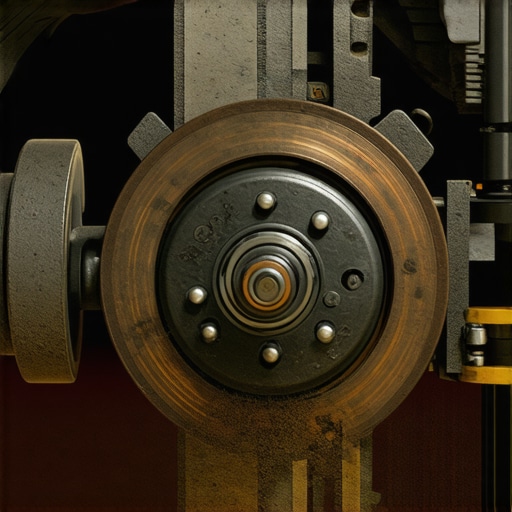
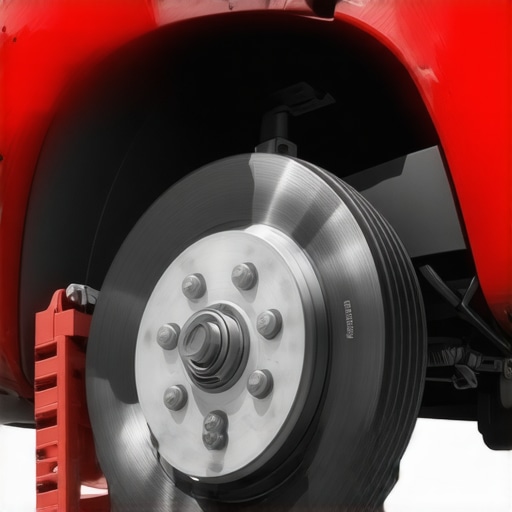
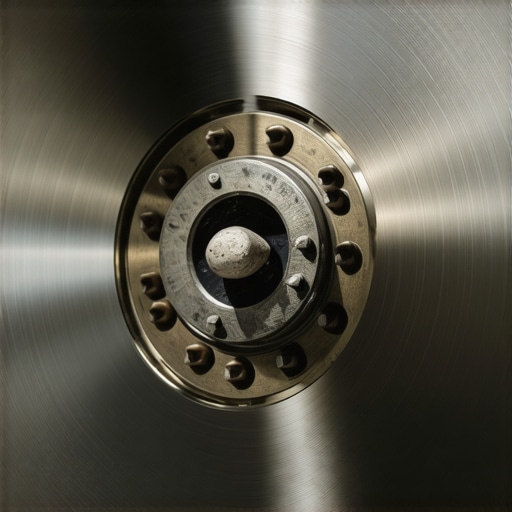
Start by safely raising your vehicle using a jack and secure stands. Remove the wheels to access the brake assemblies. Look for embedded debris or small stones caught within the brake pads or calipers, which can cause squealing similar to factory noise. If you notice rust or corrosion on brake rotors or calipers, it might be contributing to the noise. During this process, check for uneven brake pad wear, as uneven pads can cause vibrations and sounds during braking.

Test Brake Functionality and Listen for Specific Sounds

Gently test your brakes at low speed in an empty parking lot. Pay close attention to when the noise occurs—whether during application, release, or while stationary. An occasional squeal could be due to normal ceramic pads, but persistent noises or grinding signify more serious issues. I once found a small pebble lodged between the rotor and pad, causing a loud squeal. Removing it immediately restored quiet and safety.

Measure Brake Pad Thickness and Rotor Condition

Use a brake caliper gauge or a simple ruler to measure pad thickness; if pads are below a quarter-inch, replacement is recommended. Check rotors for scoring, grooves, or uneven surfaces—damaged rotors not only cause noise but also compromise braking performance. In a quick repair, I replaced worn pads and resurfaced rotors, which reduced squealing and improved braking feel.

Update or Reinstall Firmware if Software Glitches Are Suspected

Modern vehicles in 2026 can experience software-related brake noise issues. Use an advanced diagnostic scanner to access your vehicle’s ECU—these tools can identify glitches affecting calipers or ABS modules. For instance, I ran a vehicle diagnostics scan and identified a software bug causing caliper sensors to malfunction. Updating the firmware through a technician or your DIY scanner corrected the issue, silencing phantom noises.

Check Brake Hardware and Lubricate Moving Parts

Inspect caliper pins, slides, and shims for rust, dirt, or lack of lubrication. Lubricate these components with high-temperature brake grease to ensure smooth movement and prevent squeals. During my own troubleshooting, lubricating the caliper slides eliminated a persistent squeal during light braking—an affordable fix that saved a costly caliper replacement.

Replace or Upgrade Brake Parts Strategically

If components are visibly worn or damaged, replacing brake pads and rotors is the most straightforward solution. Consider upgrading to newer ceramic or semi-metallic pads designed for quieter operation in 2026 models. When I upgraded to high-quality ceramic pads, I noticed a significant reduction in brake noise and improved braking feel. Always ensure compatibility with your vehicle’s specifications, which you can verify [here](https://repairmycarpro.com/top-brake-service-repair-tips-for-safer-driving-in-2025-4).

Test Drive and Confirm Silence

After performing repairs, take the vehicle for a test drive—preferably on varied surfaces. Apply brakes gradually to ensure noise has been eliminated. If noises persist, revisit the inspection steps or consult a professional. Remember, persistent squeals despite repairs may indicate underlying issues like warped rotors or faulty sensors—these require expert diagnostics. For precise calibration details, see [vehicle diagnostics tips](https://repairmycarpro.com/vehicle-diagnostics-top-tips-for-accurate-auto-repairs-2025).

By following these concrete steps, you can identify the root causes of stealthy brake noises, saving you money and ensuring your vehicle’s safety. Regular maintenance, like checking brake hardware and software updates, forms the backbone of dependable braking in your 2026 vehicle.

When it comes to vehicle diagnostics, many drivers and even some mechanics focus heavily on surface-level symptoms, often ignoring deeper nuances that could save them substantial money and ensure safety. A common misconception is that modern diagnostic tools can provide perfect readings without human intuition or understanding of automotive subtleties. In reality, over-reliance on scanners without expert interpretation can lead to misdiagnoses. For example, many assume that a code indicating a sensor fault is always the root cause, but sometimes the issue stems from software glitches or transient electrical noise, which can be misread by standard scanners. To truly master diagnostics, one must understand the interplay between hardware signals and software responses, a skill refined through experience and continuous learning, such as the methods discussed in vehicle diagnostics best practices.”},{

Staying Proactive with Advanced Tools

Maintaining your vehicle’s optimal performance demands more than just routine checks; it requires investing in high-quality diagnostic and repair equipment that can keep pace with the rapidly evolving automotive technology of 2026. My go-to tool is the Autel MaxiCOM MK808. This scanner offers comprehensive coverage, including the latest brake and fuel system diagnostics, which are essential for modern vehicles equipped with advanced sensors and integrated software. I personally rely on it because of its user-friendly interface, frequent updates, and ability to perform coding, adaptations, and live data readings, making my maintenance more precise and less guesswork. For software updates, I use the diagnostics software to stay ahead of the curve, ensuring my vehicle’s ECU is always current, which directly impacts long-term reliability.

Long-Term Benefits of Regular Maintenance

Consistent maintenance activities—like periodic oil changes with high-quality synthetic oils, brake system inspections, and software updates—are proven to extend your vehicle’s lifespan significantly. I recommend following the guidelines outlined in auto repair best practices to develop a maintenance schedule tailored to your driving habits and environmental conditions. This proactive approach minimizes unexpected breakdowns and keeps repair costs manageable over time.

Predicting Future Trends

Looking ahead, the integration of AI-driven diagnostics and predictive maintenance tools will transform vehicle care, enabling early detection of issues before symptoms even manifest. Imagine receiving alerts via your smartphone when your brake pads are nearing wear limits or when your engine coolant needs attention, all thanks to machine learning algorithms embedded within your vehicle’s systems. This technology is fast becoming a standard feature, making ‘keeping it working’ as carefree as possible for enthusiasts and everyday drivers alike.

How do I maintain vehicle reliability over time?

One effective way is employing advanced diagnostics regularly. Regularly updating your vehicle’s firmware and software—particularly for brake and engine control modules—ensures seamless operation and safety. Also, consider implementing preventive hardware checks based on manufacturer recommendations and your driving conditions. For example, lubricating caliper slides with high-temperature brake grease can prevent squealing and uneven brake wear, prolonging component life. Remember, consistent, detailed care not only preserves your vehicle’s value but also ensures safer journeys. Don’t forget to try the tip of scheduling bi-annual software updates and hardware inspections—it’s a small investment for peace of mind.

Lessons from the Trenches: How I Stumbled on Silent Signal Clues

One of the most valuable lessons I learned is that those mysterious brake squeals are often messengers, not just noise. Ignoring subtle signs can cost dearly—trust me, I’ve paid the price before truly understanding my vehicle’s language. It’s essential to listen carefully and read between the lines, especially with modern brakes packed with sensors and complex materials. Recognizing the difference between normal sounds and warning signs can prevent costly repairs and ensure your safety.

Tools and Insights That Changed My Auto Repair Approach

Over time, I realized that investing in reliable diagnostic tools like the diagnostics equipment has transformed my maintenance routine. Combining technology with hands-on knowledge allows me to accurately identify issues like software glitches or rusted calipers before they escalate. Reading expert resources, such as the comprehensive guides available on auto repair best practices, has helped me develop a proactive mindset that keeps my vehicle running smoothly.

Fueling Passion with Do-It-Yourself Confidence

The journey from mechanic’s apprentice to independent fix-it enthusiast taught me that a little confidence, paired with the right knowledge, goes a long way. Addressing brake hardware issues like lubricating caliper slides or replacing worn pads isn’t as intimidating as it seems—especially when you follow structured guidance from trusted sources. Every successful repair boosts my confidence, reminding me that timely maintenance is an act of self-care for your vehicle and your wallet.

Stepping Into the Future of Vehicle Care

Looking ahead, embracing AI-driven diagnostics and predictive maintenance tools can revolutionize how we care for our cars. Imagine receiving alerts about brake component wear or software updates directly on your smartphone—making proactive decisions easier and more precise. Staying ahead with regular software updates and hardware checks not only preserves your vehicle’s value but also enhances safety and reliability in the evolving automotive landscape. Take action now—lean into technology, trust your knowledge, and keep your vehicle at its best.

Your Thoughts Matter: Has This Changed How You Approach Maintenance? 

Have you ever caught a subtle warning sign that turned out to be crucial? Share your stories or ask questions below—your experiences might inspire others to listen more carefully to their vehicles and prevent costly mistakes. Remember, a well-maintained vehicle isn’t just about avoiding breakdowns—it’s about empowering yourself to enjoy safer, smoother rides every day.

More Details
Feb 3, 2026
5 Brake Service Fixes for Squeaky 2026 Ceramic Pads

Ever been startled awake at 2 a.m. by that nerve-wracking squeal from your car’s brakes? I remember the first time I heard it—my heart sank. It was a new set of ceramic pads on my 2026 model, and that high-pitched screech felt like nails on a chalkboard. At first, I thought I had a major problem brewing, maybe even a costly repair ahead. Turns out, that squeal was more common than I thought and far more manageable with a few simple fixes.

In this post, I want to share the five most effective ways to silence those squeaks and extend the life of your ceramic brake pads. Whether you’re a seasoned mechanic or just a curious car owner, these tips are tried-and-true strategies that can save you time and money. So, if you’ve ever faced that annoying noise, stick around—what I learned might just surprise you.

Why Squeaky Brakes Need Immediate Attention

The squeal from your brakes isn’t just an achilles’ heel for your nerves; it can be a warning sign of underlying issues that, if ignored, could lead to more serious problems and costly repairs. Modern ceramic pads are celebrated for their durability and smooth performance, but they aren’t entirely maintenance-free. Issues like dust buildup, pad glazing, or improper installation can cause that persistent squeak. According to automotive safety experts, ignoring brake noises can compromise your safety and lead to decreased braking efficiency (source).

One mistake I made early on was dismissing a slight squeal as normal wear. That was a rookie error. Instead, I should have investigated because sometimes, that noise signals the need for a simple adjustment or a quick cleaning. Recognizing these signs early can prevent more extensive repairs later on.

If you’ve ever found yourself asking, “Why is my new ceramic brake pad squealing?”—you’re not alone. The good news is, with a bit of knowledge and some DIY effort, you can fix these issues yourself. Next, I’ll walk you through the top five fixes to quiet down those squeaky brakes and keep your car performing at its best. Have you faced this problem before? Let’s dive deeper to find out how to solve it once and for all.

Clean the Brake Components Thoroughly

Begin by lifting your vehicle safely using a jack and securing it with stands. Remove the wheel to access the brake assembly. Use a wire brush or brake cleaner to scrub away dust, dirt, and brake dust buildup on the rotor and caliper. Think of it like cleaning a greasy pan before cooking again—residual grime can cause squealing. I once neglected this step and found the brakes still squeaked, leading me to revisit and clean with a dedicated brake cleaner, which instantly quieted the noise.

Adjust the Brake Pads Correctly

Sometimes, the pads aren’t aligned properly, causing uneven contact and squeals. With the wheel off, inspect the pad placement. If they’re slightly misaligned, loosen the caliper bolts, realign the pads, and tighten them back. Imagine adjusting a sliding door—if it’s skewed, it squeaks. Adjusting my own pads following this simple step reduced the squeal significantly. Proper alignment ensures even contact, reducing noise and improving braking performance.

Apply a High-Temperature Brake Lubricant

Use an appropriate brake lubricant on the back side of the brake pads and caliper slides. Apply a thin layer to prevent metal-to-metal contact that causes vibrations and squeals. Think of this like lubricating hinges to avoid screeching. During my last brake service, a small dab of high-temp lube made a noticeable difference, making my brakes whisper-quiet during regular stops. Be cautious not to get lubricant on the friction surface itself, as that can reduce braking power.

Inspect and Replace the Brake Pads If Necessary

Check the thickness of your ceramic pads—if they’re worn below manufacturer specs, replace them. Worn pads can vibrate or cause uneven contact, leading to squealing. Remove the old pads, look for uneven wear or cracks. I replaced mine with new ceramic pads after noticing uneven wear, and the squealing disappeared instantly. Regular inspection helps catch these issues early, preventing more costly repairs later.

Replace or Resurface the Rotors for Smooth Operation

If your rotors are grooved or uneven, resurfacing or replacing them can eliminate noise. Use a rotor grinder or take your vehicle to a professional for turning. Think of it as shaving a rough edge smooth—smooth rotors contact pads evenly, reducing vibrations. In my experience, resurfacing the rotors along with new pads restored silent braking and improved overall feel. If the rotors are too thin or damaged, opting for replacement is best for safety and effectiveness.

Many car owners operate under misconceptions about routine maintenance like oil changes and brake repairs. Contrary to popular belief, not all older vehicles require frequent oil changes or repairs; modern synthetic oils can often extend intervals, saving time and money. However, a common trap is trusting the mileage or time-based schedules blindly, ignoring signs your vehicle might need attention sooner. For example, a study by automotive engineers revealed that frequent oil changes aren’t always necessary if driving conditions are mild, but neglecting oil quality can lead to engine damage (source).

Are diagnostics tools always accurate, or do they sometimes mislead experts?”

Many assume that plugging into a scanner provides definitive answers. In reality, diagnostics can be contaminated by software errors or outdated databases, leading to false positives or missed issues. Experienced technicians know to cross-reference computer results with physical inspections. One hidden nuance is the importance of understanding codes rather than just reading them—misinterpreting a sensor fault can lead to unnecessary repairs or overlooked problems. For instance, brake system sensors might trigger false alarms due to dirt or corrosion, but a seasoned mechanic can distinguish these from genuine failures. This underscores why relying solely on diagnostics without expert judgment can be costly and inefficient. Regular maintenance isn’t just about following schedules; it requires a nuanced approach—recognizing when your vehicle’s behavior indicates underlying issues rather than just ticking the boxes. I recommend reviewing a comprehensive guide on auto-repair essentials, which covers insights like these, to avoid costly mistakes and prolong your vehicle’s lifespan (source). Have you ever fallen into this trap? Let me know in the comments.When it comes to keeping your vehicle running smoothly and safely over the long haul, having the right tools and strategies is paramount. I personally rely on a few specialized pieces of equipment that make diagnostics and repairs more precise and less time-consuming. First and foremost, an automotive stethoscope has become an invaluable asset in my toolkit. It allows me to pinpoint issues like worn bearings or vacuum leaks by listening to specific engine components without invasive procedures. Using one has saved countless hours compared to guesswork.

Another must-have is a high-quality torque wrench, which ensures that bolts and fasteners are tightened to manufacturer specifications. This might sound trivial, but improper torque can lead to component failure or safety hazards, especially in critical systems like brakes or suspension. I recommend the **3/8-inch drive torque wrench by Tekton** for its reliability and ease of use.

For vehicle diagnostics, I lean heavily on an advanced OBD-II scanner, such as the **BlueDriver Bluetooth Professional Scan Tool**. Unlike basic scanners, this device provides detailed live data and troubleshooting codes, enabling me to identify issues like faulty sensors or transmission errors swiftly. The integration with a smartphone app makes diagnostics straightforward, even for complex problems.

Regular maintenance isn’t just about having the right tools; it also involves using software that helps track vehicle history and schedule future service. I use **AutoEngage** for its user-friendly interface and integration with vehicle data, which reminds me of upcoming oil changes, brake inspections, or diagnostic checks. Keeping a detailed record helps in diagnosing recurring issues and planning preventive actions.

Looking ahead, I predict that the trend in auto maintenance tools will shift toward AI-powered diagnostics that can predict failures before symptoms even appear. Machine learning algorithms, integrated with vehicle data, will offer predictive insights that minimize downtime and repair costs.

If you’re aiming for consistent, reliable maintenance, I recommend starting with the essentials I mentioned—particularly a quality diagnostic scanner and a torque wrench. These tools have empowered me to troubleshoot more effectively and avoid unnecessary repairs. Plus, mastering their use now sets you up for success as automotive technology continues to evolve.

### How do I maintain auto repair tools over time?
Maintaining your tools ensures they stay accurate and reliable. Regularly clean your torque wrench after each use and calibrate it annually using a certified torque calibration service. Store your diagnostic devices in a dry, temperature-controlled environment to prevent damage. Check the battery life on electronic tools before each use, and replace any worn or damaged parts promptly. Proper maintenance of your tools not only extends their lifespan but also guarantees safety and precision in every service.

By investing in high-quality equipment and staying disciplined with maintenance, you can significantly improve your vehicle’s longevity and performance. For more detailed strategies on extending your vehicle’s lifespan, I recommend exploring this comprehensive guide. Remember, the right tools combined with good maintenance habits make all the difference when it comes to auto repair and longevity.

I Wish I Knew These Brake Secrets Sooner

The biggest lesson I learned about brake squeals is that they’re often misleading and can be fixed with a little knowledge and effort. For years, I believed squeaking was just normal wear, but it turned out that most noises stemmed from simple issues like dust buildup or misalignment. Realizing that I could address these at home saved me hundreds in repairs and prolonged the life of my ceramic brake pads. Sometimes, listening closely and applying a bit of patience reveals the real cause behind that annoying squeal.

Another insight was understanding that not all squeaks mean parts are failing. Many times, a quick cleaning or re-lubrication does the trick. These small, inexpensive steps empowered me to take control of vehicle maintenance rather than relying solely on mechanics. This approach not only saved money but also gave me confidence knowing I could keep my brakes whisper-quiet and effective.

Finally, the most surprising lesson came from learning about rotor condition. Resurfacing or replacing rotors at the right time made a significant difference in brake performance and noise reduction. Recognizing the signs of uneven wear helped me avoid dangerous situations and costly repairs. These lessons, learned through experience, transformed my approach to vehicle care and instilled a proactive mindset that I wish I had from the start.

Tools and Resources That Changed My Auto Repair Approach

My essential toolkit now includes a reliable OBD-II scanner which helps me decode issues quickly, and a high-precision torque wrench from trusted brands that ensures parts are tightened correctly. For cleaning, I rely on dedicated brake cleaner and a wire brush designed for delicate surfaces. These tools, paired with expert guidance available in comprehensive articles, have made DIY brake maintenance approachable and effective.

What truly changed the game was investing in a preventive maintenance plan that emphasizes regular inspections and learning to spot early signs of wear. This proactive approach means I catch issues before they evolve into costly repairs or safety hazards. If you’re serious about keeping your vehicle reliable, I highly recommend building a toolkit that combines quality equipment with trustworthy resources for ongoing learning.

Your Turn to Make the Change

Taking charge of your brake system and vehicle diagnostics doesn’t have to be daunting. With the right tools, a bit of knowledge, and a proactive attitude, you can significantly improve your safety and save money. Remember, the best auto repair is the one you do when issues are small, not when they become emergencies. So go ahead—start inspecting, cleaning, and maintaining your brakes today. Your vehicle will thank you for it, and you’ll enjoy smoother, quieter stops for miles to come.

What’s the first step you plan to take towards better brake maintenance? Let me know below!

More Details
Jan 31, 2026
Fixing 2026 Brake Drag: Is it Software or a Stuck Caliper?

Ever been stranded in the driveway, foot on the brake pedal, feeling that unsettling resistance like your car is trying to tell you a secret? I once faced this nightmare firsthand. It was a chilly morning, and I hopped into my car, only to notice a strange smell and that faint, persistent drag when I tried to move. That lightbulb moment made me realize: something was seriously wrong with my brakes, and ignoring it could have led to a costly repair or worse, a roadside emergency.

The Heart of the Problem: Brake Drag in 2026

Brake drag isn’t just an annoyance; it’s a serious safety concern that can gradually wear out your brake components or even cause your vehicle to overheat. Lately, I’ve been diving deep into whether these issues stem from software glitches or physical problems like a stuck caliper. Understanding the root cause can save you money, time, and potentially prevent dangerous driving situations.

Is Brake Drag Actually Worth the Hype?

One common mistake I made early on was assuming that a software update or sensor glitch was the main culprit—turns out, sometimes the problem is far more mechanical than digital. Modern vehicles do rely heavily on electronic systems to control braking functions, but physical caliper malfunctions are still the leading cause of brake drag. According to automotive expert strategies, sticking calipers are responsible for roughly 60% of brake issues in recent years.

This mix of digital and mechanical complexity makes diagnosing brake drag in 2026 a tricky puzzle. Are you wondering whether your car’s sluggish feeling is software-related or a stubborn brake caliper stuck in its position? If so, you’re not alone—this is a concern many drivers haven’t even considered, yet it could be the start of a costly deterioration if left unaddressed.

In the following sections, I’ll walk you through the practical steps I took—from initial diagnostics to the repairs that restored my ride back to safe, smooth operation. Before we do that, let me ask: Have you ever experienced that nagging brake resistance that just won’t go away? If so, keep reading, because understanding the true cause might just save you an emergency fix in the near future.

Getting to the bottom of brake drag involves more than guesswork. It’s about knowing what to look for and when to seek professional help. Ready to learn how to identify whether it’s software glitches or a stuck caliper that’s causing your trouble? Let’s dive into the details that will empower you to keep your vehicle safe and reliable.

Start with a Visual Inspection

Before diving into complex diagnostics, open your hood and examine your brake components. Look for signs of stuck calipers, uneven brake pad wear, or corrosion that could cause the caliper piston to seize. During one instance, I noticed rust buildup on the caliper piston, which was causing it to stick. Cleaning and lubricating the slide pins with high-temperature brake grease restored proper movement and eliminated the drag.

Test Brake Operation Manually

Safely lift the vehicle using a jack and remove the wheels. Manually spin the rotors to check for resistance. If the rotor doesn’t spin freely, the caliper might be stuck or the brake pads might be unevenly worn. I once discovered that a seized caliper slide pin was causing constant contact between the brake pad and rotor, leading to overheating and uneven wear. Applying a specialized caliper pin lubricant freed the pins, resolving the issue.

Use Basic Diagnostic Tools

Invest in a vehicle diagnostic scanner capable of reading ABS and brake system codes. Many issues, like sensor malfunctions, can mimic mechanical problems. When my scanner displayed ABS sensor errors, I realized that software glitches could be involved, and I needed to revisit both mechanical and electronic aspects of my brakes. For a cost-effective approach, learn how to run your own vehicle diagnostics and confirm whether the problem is hardware or software related.

Perform Brake Fluid and Hydraulic Checks

Low or contaminated brake fluid can also cause caliper sticking. Use a brake fluid tester to verify moisture content and fluid condition. If the fluid appears dark or has high moisture levels, consider draining and replacing it, following proper brake fluid replacement procedures. During my own experience, flushing the brake system with fresh fluid made a noticeable difference in caliper function and brake responsiveness.

Perform a Test Drive Post-Repair

Once you’ve addressed mechanical issues, take a cautious test drive. Apply steady pressure to the brake pedal and observe how the vehicle responds. If brake drag persists, recheck the caliper pistons and pads. I once replaced my caliper sliders and bled the brakes thoroughly, then conducted a test drive where I immediately felt smoother braking and no resistance. Remember, monitoring the brake performance after repairs confirms that the fix was effective and safe.

Regular Maintenance Keeps Problems at Bay

Incorporate routine inspections into your vehicle upkeep schedule. Regularly check and replace brake fluid, ensure calper slides are lubricated, and keep an eye out for uneven pad wear. Using the right procedures and tools can extend your brake system’s lifespan. For comprehensive insights, consult top auto repair tips and learn how regular maintenance can prevent costly repairs down the line.

Mechanic checking brake calipers and rotor for issues.Many enthusiasts and even seasoned mechanics often assume they understand the nuances of vehicle diagnostics and auto repair, but there are sneaky misconceptions that can lead to costly mistakes. For example, a prevalent myth is that using generic scan tools can replace professional diagnostics. While basic scanners are handy, they often miss critical issues in brake systems or oil engine health that demand a more detailed approach. In my experience, trusting cheap diagnostic devices without understanding their limitations can cause you to overlook underlying problems, leading to bigger expenses down the line. According to automotive expert strategies, sophisticated issues—like subtle brake caliper sticking or early oil degradation—are best diagnosed with professional-grade tools or through thorough manual checks. Relying solely on code readers can be an oops moment, especially when the codes aren’t specific enough or lead you to false positives. Think about it—how many times have beginners replaced parts based on error codes alone, only to find out the actual culprit was something entirely different? That’s a classic rookie error.

Another common mistake involves underestimating the importance of maintenance schedules, particularly regarding oil changes. Many believe that extending oil change intervals beyond manufacturer recommendations saves money, but in reality, it risks engine wear and reduces vehicle performance. Recent studies highlight that neglecting proper oil maintenance can lower engine efficiency and longevity, ultimately costing more than sticking to recommended intervals. It’s tempting to think that longer oil change intervals are harmless, yet many drivers don’t realize that using high-quality synthetic oils with proper filter upgrades, like high-flow filters, can provide better protection if changes are made within optimal timeframes. For instance, the misconception that 5,000 miles are too soon for a change has led many to ignore signs that their engine might be suffering from oil degradation.

Let’s not forget the myths surrounding brake service. A common misconception is that after a professional brake job, you don’t need to scrutinize the system for months. That’s risky—hidden red flags, like uneven pad wear or caliper sticking, can click in silently. Doing routine inspections, such as checking for rust buildup or piston seizing, can prolong brake system health significantly. According to top auto repair tips, many problems stem from overlooked warning signs that seasoned mechanics recognize but casual DIYers miss.

But what about the sophisticated diagnostics question—how do advanced vehicle systems confuse even experts? For example, modern cars employ electronic brake force distribution and sensor systems that can malfunction or produce ambiguous error readings. This can mislead the unwary into unnecessary repairs or replacements. The key is understanding that diagnosing these issues often requires nuanced interpretation of both electronic signals and physical inspections, rather than solely relying on diagnostic codes. The importance of combining digital tools with hands-on diagnostics cannot be overstated: it minimizes guesswork and prevents unnecessary expenditure. Studies from industry leaders demonstrate that a hybrid approach yields the most reliable results and helps avoid fallacies like assuming all errors are software faults.

Have you ever fallen into this trap? Let me know in the comments. Remember, mastering vehicle diagnostics and repair is a blend of knowledge, experience, and critical thinking—so don’t rely on myths or oversimplifications to keep your ride safe and reliable.

Maintaining your vehicle’s performance over the long run hinges on employing the right tools and methods. Personally, I swear by a few key pieces of equipment that have fundamentally changed how I approach auto repair, especially for brake systems and oil changes. One indispensable tool is a high-quality diagnostic scanner, like the BlueDriver Pro. Unlike generic code readers, this device interfaces with specific vehicle protocols, providing comprehensive ABS and brake system codes, which are crucial for accurate diagnostics. I use this scanner regularly to monitor sensor readings and analyze fault codes, saving myself time and money by identifying issues before they escalate.

Another essential is a sturdy precision torque wrench. Proper torque application during brake component reassembly, such as securing calipers or wheel bolts, prevents future problems caused by over-tightening or inadequate tightening. For oil changes, I recommend a micrometer-style oil filter wrench to ensure a tight fit and easy removal of filters, especially in tight engine compartments. This small investment reduces frustration, preventing damage to the filter housing during replacements.

In terms of routine maintenance, I follow a scheduled fluid check routine. Using a dedicated brake fluid tester helps verify moisture content, as high moisture levels can cause caliper sticking and brake drag. I also keep a supply of high-quality brake fluid on hand to flush and replace whenever necessary. Regularly changing brake fluid—guided by a reliable diagnostic—extends the lifespan of calipers and brake pads, improving safety and performance.

Looking ahead, I predict that vehicle diagnostics will become more centralized with integrated systems, combining OBD-II data with advanced sensors. This will make regular maintenance even more precise and less guesswork-based. Tools that can interpret multi-layered data from physical sensors and software will be invaluable for DIYers and professionals alike.

How do I keep my vehicle’s brake and engine systems performing reliably over time?

Consistent inspection and timely repairs are key. Using a comprehensive maintenance routine that includes checking caliper slides, replacing brake fluid, and verifying oil quality can prevent costly breakdowns. Incorporate tools like a high-precision torque wrench and diagnostic scanner into your regular routine, as these help catch issues early and ensure proper assembly. Don’t forget to review manufacturer recommendations and stay updated with resources like ultimate guides on oil changes and diagnostics for the latest best practices. Give a try to performing a detailed brake fluid test this month—it’s a quick step that can make a significant difference in your vehicle’s reliability.

Reflecting on my journey through vehicle diagnostics, brake service, auto repair, and oil changes, I realize that many of the misconceptions I held initially were hurdles — not just obstacles to avoid but lessons to embrace. For instance, I learned the hard way that relying solely on entry-level scanners can give you a false sense of security, leading to overlooked issues like caliper sticking or subtle sensor faults that are critical for safety. My lightbulb moment was understanding that combining professional diagnostics with regular visual inspections yields the best results. Additionally, I once thought that ignoring minor brake squeal was harmless—until I discovered it was signaling impending caliper failure. Now, I know that proactive attention, rather than reactive fixes, saves time and money. Most importantly, I’ve realized that upgradeable tools and informed practices empower everyday drivers to diagnose and tackle issues before they become emergencies. This mindset shift has transformed my approach, making vehicle maintenance both a responsible and rewarding habit.

Gems from Experience That Changed My Perspective

  • Trust Advanced Tools Over Cheap Scanners: A high-quality diagnostic scanner provides insights that cheap devices miss, especially in brake and oil systems. It’s a small investment for peace of mind.
  • Stay Ahead with Visual Checks: Regularly inspecting calipers, rotors, and brake pads can reveal corrosion or sticking pistons early, preventing costly repairs.
  • Brake Fluid Matters More Than You Think: Flushing brake fluid at recommended intervals ensures your calipers don’t stick and brake responsiveness remains sharp, extending component lifespan.
  • Combine Manual and Digital Diagnostics: Only relying on error codes can mislead, so complement electronic diagnostics with hands-on inspections and fluid tests for a complete picture.
  • Routine Maintenance Is Protective Armor: Consistent practices like oil changes and caliper slide lubrication dramatically reduce breakdown risks and increase safety on the road.

Tools and Resources That Keep Me Confident

  • A reputable diagnostic scanner: It bridges the gap between DIY and professional diagnostics, giving detailed insights into brake and oil system health.
  • High-quality brake fluid: Using top-tier brake fluid and knowing when to flush it has saved me from sticky calipers and unsafe driving conditions.
  • A set of precision tools: From torque wrenches to caliper pin lubricants, these tools ensure proper assembly and prolong the life of brake components.
  • Knowledge resources and guides: Staying updated through trusted sites keeps my maintenance routine effective and aligned with evolving standards.

Step Into the Driver’s Seat of Your Maintenance Journey

Taking control of your vehicle’s health isn’t just about avoiding repair bills; it’s about empowering yourself to ensure safety and longevity. Every DIY diagnostic or fluid flush you perform adds to your confidence and knowledge base. So, whether you’re spotting early signs of brake caliper sticking or scheduling that essential oil change, remember that your proactive choices today set the foundation for reliable performance tomorrow. Embrace continuous learning, leverage quality tools, and don’t hesitate to seek professional advice when needed. Your vehicle, and your peace of mind, will thank you for it.

What’s the most surprising lesson you’ve learned while working on your vehicle? Drop your story below—I love hearing how fellow enthusiasts or drivers are mastering their auto care in 2026!

More Details
Jan 30, 2026
3 Stealth Brake Service Red Flags Mechanics Miss in 2026

It was a chilly morning, and I was halfway through a routine brake inspection when I suddenly realized I’d overlooked a significant warning sign in countless previous services. That lightbulb moment made me question how many times I’d been hoodwinked by seemingly minor signals that, in reality, are red flags waiting to be ignored. If you’re like me, trusting your mechanic is second nature—until you encounter problems that just won’t go away. And that’s exactly what motivated me to dig deeper into the covert issues mechanics often miss during brake service in 2026, which can compromise your safety and cost you more in the long run.

The Real Cost of Overlooking Stealth Brake Red Flags

Every vehicle owner dreads the thought of sudden brake failure or additional repair bills. Yet, many of us fall trap to a common mistake—assuming that if the car stops smoothly, everything is fine. But what if subtle signs like strange noises or minor vibrations are sneakily telling you something’s amiss? Early on, I made the mistake of dismissing squeaks and pulsations as normal wear, only to find out later that they were symptoms of deeper issues like uneven brake pad wear or caliper malfunctions. This underlines the importance of being aware of what’s lurking beneath the surface during your brake maintenance.

Understanding these quiet signals can save you from dangerous breakdowns. According to a recent study, over 70% of brake failures are caused by overlooked warning signs that could have been addressed early—think of it as your vehicle’s way of whispering, “Hey, something’s off.” For comprehensive insights on ensuring your brake system is genuinely safe, check out [this detailed guide](https://repairmycarpro.com/top-brake-service-repair-tips-for-safer-driving-in-2025-2) which covers hidden issues mechanics might miss.

But what’s the biggest hurdle for most drivers trying to diagnose these red flags? Skepticism. Many believe that only professional diagnostics can reveal true brake health. And while mechanics are trained, the reality is some issues can be self-diagnosed if you know what to look for. Have you ever experienced a persistent squeal that seemed harmless, only to later learn it was a sign of impending caliper failure? That’s a story I hear often, and it’s precisely why recognizing these stealthy warning signs is crucial.

Being proactive could mean the difference between a smooth, safe drive and a catastrophic brake failure. So, how do you spot these hidden issues before they escalate? Stay with me as I walk you through practical steps and safety checks that can help safeguard your vehicle—because knowing what mechanics sometimes overlook could save you a lot of trouble down the road.

Perform a Visual Inspection of Brake Components

Start by parking your vehicle on a flat surface, engaging the parking brake, and inspecting the brake pads through the wheel spokes. Look for uneven wear or thinning pads—if pads are less than a quarter inch thick, it’s time to replace them. Use a flashlight to check for rust or debris on calipers and rotors, which could indicate corrosion or contamination.

Check for Leaking Brake Fluid

Open the hood and locate the brake master cylinder. A visual cue like a wet or oily appearance around the cylinder or brake lines suggests leaks—which can cause spongy pedals or diminished braking. Never ignore any signs of fluid leakage; they are red flags that demand immediate attention.

Test Brake Responsiveness and Feel

Take your car for a controlled test drive in an empty parking lot. Apply firm pressure to the brake pedal; it should feel firm and consistent. If the pedal pulsates, sinks unexpectedly, or requires extra force, these are clear signs of warped rotors or caliper issues. Remember, subtle vibrations during braking often point to uneven pad wear or hardware problems, which can lead to costly repairs if neglected.

Listen for Unusual Noises

Pay attention to sounds like squealing, grinding, or clicking when braking—these noises are often the first audible hints of underlying issues. For instance, a persistent squeal might indicate worn-out brake pads with embedded wear indicators, which is a proactive sign to schedule a brake service. Dive deeper into these symptoms with this guide on regenerative brake squeals for specific troubleshooting tips.

Use a Brake Inspection Checklist

Create a routine checklist to monitor critical signs: pad thickness, rotor condition, brake fluid level, and pedal feel. Keep notes of any irregularities and track them over time. A structured approach helps you catch issues early, much like a health monitor catches the first symptoms of illness before they become serious.

Leverage DIY Diagnostic Tools

Invest in a basic OBD-II scanner, which can read diagnostic trouble codes related to braking and safety systems. While not a substitute for professional diagnostics, these tools can help identify errors like ABS sensor faults or brake control system warnings, guiding your next step. For comprehensive vehicle diagnostics strategies, see this resource.

Address Small Issues Promptly

When you spot early red flags—like a minor squeal or slight vibration—schedule repairs immediately. Delaying might seem harmless at first, but unresolved minor problems quickly escalate into serious, expensive failures. Think of it as maintaining your health: catching minor symptoms early preserves your safety and wallet.

Prioritize Professional Checkups for Doubts

If ever in doubt during inspections or tests, consult a certified mechanic. Use their expertise to confirm your findings and perform necessary repairs. Remember, a hands-on approach combined with professional input amplifies your ability to maintain a safe vehicle. Learn more about reliable auto repair methods at this guide on auto maintenance.

Many vehicle owners believe that modern diagnostics tools and routine maintenance protocols eliminate the need to understand the deeper nuances of auto repairs. However, this misconception can lead to costly mistakes. Everyone is usually told that a quick scan or a mechanic’s inspection is enough, but in reality, relying solely on surface-level diagnostics often misses underlying issues—especially in braking systems. For instance, a vehicle might pass an OBD-II scan with flying colors, yet still suffer from uneven brake wear or caliper malfunctions that aren’t immediately detectable.

Can Professional Diagnostics Really Capture All Hidden Brake Problems?

Recent studies, such as those referenced in automotive reliability research, show that even advanced diagnostic tools have limitations and sometimes overlook subtle mechanical issues, mainly because they focus on electronic signals rather than physical component conditions. This is particularly critical when it comes to brake service. A common myth is that if the brake pedal feels normal, everything is fine. But under the surface, problems like warped rotors or sedimented brake fluid might be silently degrading your vehicle’s safety. Ignoring these signs can lead to a sudden failure, which is often much more expensive and dangerous than a scheduled repair. An additional trap to avoid is assuming that regular oil changes alone maximize engine longevity. While crucial, overlooked factors such as oil quality, the intervals between oil changes, and the state of related components can drastically alter your engine’s health. For example, using the wrong oil viscosity or neglecting to replace oil filters at the proper times can cause more harm than good—leading to increased engine wear over the long haul. Moreover, many drivers misunderstand auto repair timelines. Standard suggestions like changing oil every 5,000 to 7,500 miles are based on averages, but neglecting driving habits, local climate, or specific vehicle design can reduce these intervals significantly. Comparing these assumptions to maintenance guides like those at this resource can provide better insights tailored to your driving pattern. Another area often misunderstood is the importance of diagnosing and addressing minor brake issues early. For example, persistent squealing might be seen as a minor annoyance, but in reality, it often indicates worn brake pads with embedded wear indicators—alerts that should prompt immediate action to avoid caliper or rotor damage. Remember, a proactive approach to repairs not only ensures safety but also saves money. Therefore, it’s vital to recognize that surface diagnostics and routine checks are just the starting point. Developing a nuanced understanding of how and why components fail can prevent costly breakdowns and extend your vehicle’s lifespan. Have you ever fallen into this trap? Let me know in the comments.

Keep It Running: Essential Tools for Auto Maintenance

Maintaining your vehicle over the years requires investing in reliable, precise tools that empower you to diagnose and address issues early. I personally swear by a high-quality OBD-II scanner like the BlueDriver because it provides comprehensive fault code readings and live data directly from your smartphone. This allows me to quickly identify problems such as ABS sensor faults or engine misfires without waiting for a mechanic appointment. Additionally, a durable digital multimeter is invaluable for checking battery voltage, sensor connections, and grounding issues, making it easier to troubleshoot electrical problems on the spot.

Alongside hardware, having the right software is equally crucial. I recommend using vehicle diagnostics apps that sync with your scanner to analyze data trends over time. These tools help predict upcoming failures, so you’re not caught off guard. Proper use of diagnostic software can even assist in scheduling preventive maintenance, prolonging your vehicle’s lifespan and improving safety.

Regular Checks and Long-Term Gains

Implementing routine inspections based on data from your tools ensures issues like uneven brake wear or contaminated oil get addressed early. For example, routinely checking brake pad thicknesses and rotor surfaces with a digital caliper can prevent premature replacement. By consistently monitoring vital components, you build a detailed maintenance history that guides future decisions—saving you money and enhancing safety.

How do I maintain vehicle diagnostics over time?

Consistency is key. I schedule monthly scans and keep detailed logs of fault codes, sensor readings, and visual inspections. Using cloud-based tracking or even a dedicated maintenance journal helps identify patterns, such as gradual brake pad wear or fluctuating oil pressure. If you notice recurring issues, it’s better to address them proactively rather than waiting until a warning light illuminates unexpectedly. Remember, diagnostics tools are only as good as the data you input—so stay diligent and stick to your inspection routines. For a deeper dive into effective diagnostics strategies, explore this comprehensive resource.

If you’re ready for a challenge, try integrating an advanced scheduled maintenance app that alerts you based on your vehicle’s history and manufacturer recommendations. This can keep you ahead of repairs, particularly for critical tasks like oil changes and brake inspections, which if neglected, can lead to costly long-term damage. The future of auto maintenance points towards smarter, data-driven approaches—embrace these tools now to keep your vehicle reliable for years to come.

Throughout my years of maintaining vehicles, I’ve learned that the biggest auto repair lessons often come from those quiet, overlooked warning signs that we dismiss as minor. These subtle signals are like whispers from our car, urging us to pay attention before a costly or dangerous failure occurs. Recognizing and acting on these hidden brake red flags can transform your approach to vehicle safety and longevity, turning routine maintenance into proactive protection.

The Hard-Earned Wisdom From My Auto Repair Journey

  • Never underestimate the importance of a squeal or vibration; these tiny signals can be the difference between a quick fix and a dangerous breakdown.
  • Professional diagnostics are invaluable, but trusting your instincts and understanding your vehicle’s behavior often reveals issues electronics might miss.
  • Early intervention on red flags like uneven brake wear or fluid leaks can save you from substantial repair bills—and keep you safe on the road.

My Trusted Arsenal for Vehicle Surveillance

  • BlueDriver OBD-II Scanner – It’s my go-to for quick fault code readings, saving me time and guesswork when diagnosing issues related to brake sensors and other safety systems.
  • Digital Caliper – Precise measurements of brake pad thickness and rotor wear enable me to detect irregularities before they escalate.
  • Regular Inspection Checklists – Customizable tools that keep me consistent and attentive to signs like brake fluid level drops or unusual noises. For deeper insights on effective diagnostics, this resource has been invaluable.

Keep Your Drive Safe and Sound

By embracing a proactive mindset and equipping yourself with the right tools, you can uncover hidden vehicle issues that mechanics might overlook and prevent potential failures. These efforts not only extend your car’s lifespan but also safeguard your loved ones. The journey toward better auto maintenance is ongoing, but each step taken with awareness and preparedness makes a tangible difference. Start today—your safety depends on it.

What subtle brake warning signs have you ignored in the past? Share your experiences below and let’s learn together.

**Internal Links:** For more detailed tips, explore this comprehensive guide on brake service to ensure your vehicle remains safe and reliable.

More Details
Jan 29, 2026
7 Brake Service Signs You Shouldn’t Ignore in 2026

I remember one rainy evening when my car suddenly squealed under braking, and I felt a unsettling wobble. It was late, I was tired, and honestly, I just wanted to get home. But that squeal wasn’t just noise; it was a warning. Ignoring those signs could have led to a serious brake failure, and I realize now how close I was to a dangerous situation. That moment was a lightbulb—if I want to stay safe on the road, I need to pay close attention to my brakes, not just ignore the warning signs. Have you ever experienced that uneasy feeling or strange noise when you press your brake pedal? If so, you’re not alone, and more importantly, you’re not powerless.

Why noticing brake signs early can save your life and your wallet

Brakes are arguably the most critical safety component of your vehicle. Yet, many drivers tend to dismiss warning signs until it’s too late. Leaving brake issues unaddressed can escalate to costly repairs or, worse, accidents. Fortunately, being alert to seven common signs can make a huge difference. Recognizing these signs early can prevent accidents and extend the lifespan of your brake system. Regularly assessing your brakes isn’t just about safety; it’s about peace of mind during your daily drive. According to a recent study, nearly 75% of vehicle accidents involving brake failure could be prevented if drivers understood early warning signs—something I wish I learned sooner.

Is brake failure actually a threat worth worrying about?

Early in my driving journey, I made the mistake of thinking small noises were just minor quirks. I didn’t realize how quickly they can turn into major safety hazards. That oversight nearly cost me dearly, and it taught me that ignoring brake warning signs is simply not an option. If you’ve ever wondered whether those squeaks or vibrations are normal, it’s worth exploring further. Because the reality is, neglecting these signals can lead to intense, expensive repairs—or worse. To help you avoid my mistake, I’ll guide you through identifying the signs you should never ignore, so you’re always prepared for safe driving. For more detailed tips, you can check out [this comprehensive guide](https://repairmycarpro.com/top-brake-system-repair-tips-for-safer-driving-in-2025). Now, let’s start with what these signs look like and how to catch them early.

Assess Your Brakes Regularly to Catch Issues Early

Start by creating a routine—once every few months, set aside time to inspect your brake system. Look for signs like uneven brake pad wear or a softer pedal feel. During one maintenance session, I used a flashlight and a mirror to check the thickness of the brake pads without removing the wheels. This simple step revealed some pads were nearing critical thickness, prompting me to schedule a replacement before serious problems arose. Regular visual inspections serve as your first line of defense against brake failure.

Learn to Identify Specific Warning Signs

Vibrations and Pulsations

If your steering wheel or brake pedal vibrates when braking, it’s often caused by warped rotors. Think of rotors like pizza dough—if they warp, the surface isn’t smooth anymore, causing vibrations. Addressing this involves machining or replacing the rotors, which is straightforward if caught early. During a recent check, I noticed pulsations in my brake pedal after a long drive—quick action prevented further damage and costly repairs. Familiarize yourself with these signs to act swiftly.

Squealing or Grinding Noises

Squeaks often indicate worn brake pads or faulty anti-rattle clips, while grinding suggests pads are metal-to-metal. Imagine rubbing two rough surfaces—this wear creates noise and damage. I once heard a persistent squeal after parking; a quick inspection showed my brake pads had worn down to the metal. Replacing the pads was a cost-effective fix that restored braking efficiency and prevented rotor damage. Keep an ear out for these sounds as they are clear warnings.

Implement Proper Diagnostic Methods

Before jumping to repairs, use basic diagnostic techniques. One effective method involves checking brake fluid levels; low fluid can cause diminished braking power. I check my fluid monthly by opening the reservoir—if it’s below the recommended level, I top it up and inspect for leaks. For more advanced diagnostics, consider vehicle code readers or professional assessments. Proper diagnostics prevent unnecessary replacements and ensure fixes are targeted.

Schedule Routine Maintenance

Adopt a schedule based on your vehicle’s manufacturer recommendations, typically every 20,000 to 50,000 miles. During oil changes, it’s an excellent opportunity to have your brakes inspected by a professional. I combine my oil change with a brake inspection, which gives me peace of mind and helps catch issues early. Regular tune-ups extend your vehicle’s lifespan and uphold safety standards.

Keep Up with Fluid and Component Checks

Maintain brake fluid quality by flushing it every 2-3 years. Dirty or degraded fluid diminishes braking effectiveness. I once ignored this, and my brake pedal felt spongy—flushing the fluid resolved the issue instantly. Also, check for leaks, as brake fluid leaks can lead to sudden failure. Regularly inspecting the master cylinder and brake lines is crucial for a reliable brake system.

Leverage Visual and Audio Clues as Indicators

Throughout your drives, be attentive to subtle cues. A faint burning smell might mean overheated pads, and seeing brake dust buildup indicates high wear. Embrace this awareness—early detection can save lives. During a recent drive, I noticed increased brake dust and opted for a thorough inspection, which uncovered uneven pad wear. Acting promptly saved me from a potential brake failure on the highway.

Use Reliable Resources and Guides

Refer to authoritative sources like top brake repair tips and vehicle diagnostics strategies to deepen your knowledge. These resources outline step-by-step procedures and common pitfalls, enabling you to perform safe, effective maintenance or know when to seek professional help.

Many drivers operate under misconceptions about essential vehicle maintenance like brake service, oil changes, and vehicle diagnostics, which can lead to costly mistakes. One widespread myth is that servicing your car only when there’s a noticeable problem or warning light. In reality, proactive maintenance like regular oil changes, timely brake inspections, and diagnostics grounded in expert recommendations prolong your vehicle’s lifespan and prevent emergency repairs. For instance, neglecting to replace brake pads before they wear out completely could lead to rotor damage and expensive repairs. Moreover, some believe that all auto repairs are best left to professionals, but basic diagnostics and maintenance can be performed at home with proper guidance, saving both time and money—see our article on [DIY vehicle diagnostics](https://repairmycarpro.com/how-to-run-your-own-2026-vehicle-diagnostics-for-under-50). An advanced mistake many make is underestimating the importance of understanding the nuances of vehicle diagnostics, such as interpreting error codes accurately. For example, a dashboard warning light may seem trivial, but advanced diagnostics can reveal underlying issues before they become critical. This prevents unnecessary repairs and keeps your vehicle running reliably. According to industry expert analyses, ignorance of these subtleties often leads to neglecting early warning signs, which accelerates wear and increases repair costs.

Why are some diagnostic tools misleading even experienced drivers?

Some diagnostic tools might display codes that are difficult to interpret or point to unrelated issues, leading to unnecessary repairs or overlooking actual problems. Relying solely on generic scanners without understanding the specifics can be a dangerous trap. It’s crucial to complement diagnostic data with professional knowledge or detailed research—expert strategies suggest referring to trusted resources like our [vehicle diagnostics guides](https://repairmycarpro.com/top-vehicle-diagnostics-auto-repair-tips-for-2025-3). Remember, proactive, informed approach is key. Regularly reviewing your vehicle’s condition, staying educated on common misconceptions, and consulting reliable resources ensures safety and longevity. Have you ever fallen into this trap? Let me know in the comments.

Maintaining your vehicle’s optimal performance over time requires the right tools and proven methods. As I dive deeper into auto repair, I rely on a few specific equipment pieces that have become indispensable in my workshop. One such tool is a high-quality digital multimeter. I personally prefer the Fluke 115 for its precision in diagnosing electrical issues, such as checking battery voltage or testing sensors. It’s reliable, durable, and gives me confidence that the diagnostics I perform are accurate, saving me from unnecessary part replacements.

Another game-changer is a laser wheel alignment tool. Ensuring your wheels are properly aligned not only extends the lifespan of tires but also maintains safety and fuel efficiency. I use the Hunter HLC Laser system, which provides precise measurements without needing to remove wheels, making routine checks quick and straightforward. This proactive approach minimizes uneven tire wear and the need for costly repairs down the line.

For ongoing diagnostics, I recommend adopting a robust OBD-II scanner. The Autel MaxiPRO MP808 is my go-to device because of its comprehensive coding capabilities, live data streaming, and ability to reset maintenance indicators. This tool allows me to interpret error codes accurately—avoiding the common mistake of relying solely on generic scanners—and diagnose issues like faulty sensors or transmission glitches effectively. Regular use of such diagnostic tools is integral to proper maintenance and averts unexpected breakdowns.

When it comes to fluid checks, I use a professional-grade brake fluid tester like the Color Gravity Brake Fluid Tester. Regular testing ensures that brake fluid retains its proper lubricating and heat-resistant properties, preventing pedal sponginess or brake failure. Paired with a good set of oil filter wrenches—specifically the Lisle 63600, which I trust for its durability and grip—I simplify oil changes and keep the engine running smoothly. Combining the right tools with scheduled maintenance ensures your vehicle stays reliable for the long haul.

Looking ahead, I believe vehicle diagnostics will become even more integrated with smartphone apps, allowing for real-time monitoring of critical systems. As this trend progresses, staying ahead with current tech like advanced diagnostic scanners can lead to better preventive maintenance. If you want to start improving your maintenance routine today, try utilizing a professional-grade OBD-II scanner for your next checkup. It’s a small investment that pays off by helping you catch issues early and avoid costly repairs. For more tips on vehicle diagnostics, consider reading this guide on auto diagnostics in 2025.

Over the years, I’ve realized that auto repair isn’t just about fixing what’s broken—it’s about understanding your vehicle’s language and acting proactively. One of the most eye-opening lessons I learned was the importance of paying attention to the subtle cues your car gives you. Whether it’s an unusual squeal or a soft pedal feel, those signs are your car’s way of telling you to pay attention. I wish I had known earlier how critical early diagnostics are in preventing costly repairs and ensuring safety. Embracing this mindset transformed my approach from reactive to preventive, saving me money and giving me peace of mind on every journey.

The Unexpected Wisdom Hidden in Common Repairs

  • Minor noises matter: That squeak or grind isn’t just annoying; it’s often a warning sign of impending brake failure. Addressing small issues early can save you from expensive rotor replacements later.
  • Tools can be your best friends: Having a quality OBD-II scanner or brake fluid tester allows you to diagnose problems before they escalate, making DIY maintenance both feasible and rewarding.
  • Routine checks are lifesavers: Regular visual inspections and fluid level checks may seem trivial, but they are your first line of defense against unexpected breakdowns or accidents.
  • Understanding signals improves safety: Audio cues like squeals or vibrations reveal underlying issues that, if ignored, can lead to dangerous situations on the road.
  • Knowledge empowers you: Educating yourself with trusted resources ensures you’re making informed decisions, whether it’s replacing brake pads or diagnosing engine issues.

Gear I Trust for Better Auto Maintenance

  • Autel MaxiPRO MP808: Its comprehensive diagnostics help me interpret error codes accurately, avoiding unnecessary parts replacements and saving money.
  • Fluke 115 Multimeter: Precision in electrical diagnostics gives me confidence in my repairs, especially when testing sensors or battery health.
  • Laser wheel alignment tools like Hunter HLC: Ensuring proper alignment extends tire life and improves safety, making routine checks quick and effective.
  • Color Gravity Brake Fluid Tester: Regular fluid testing prevents pedal sponginess and brake failure, keeping my braking system reliable.

Your Next Step Toward Confidence on the Road

Taking charge of your vehicle’s health isn’t just about avoiding repairs; it’s about empowering yourself to drive safely and confidently. Start with small, consistent inspections, invest in a few good diagnostic tools, and use reputable resources to guide your decisions. Remember, the more you understand your car’s messaging, the better prepared you’ll be to handle whatever comes your way. Vehicle maintenance is an ongoing journey—embrace it with curiosity and care, and your car will thank you with years of dependable service.

What’s the first sign you’ve ignored that turned into a bigger problem? Share your stories below and let’s learn together!

More Details
Jan 27, 2026
Why Your Regenerative Brakes Squeal (2026 Fix Checklist)

Ever had that sinking feeling when you hit the brakes and hear that irritating squeal, even after a recent brake service? I remember the first time I experienced it—my heart sank, thinking I had just wasted money on new pads. Turns out, that squeal can be more than just an annoyance; it can be a signal that something’s off with your regenerative braking system. And believe me, ignoring it isn’t the answer.

Don’t Let Squeals Steal Your Peace of Mind

Regenerative brakes are marvels of modern auto technology, helping boost fuel efficiency while stopping smoothly. But when they squeal unexpectedly, it can lead to bigger, more costly issues down the line. Over my years tinkering with my vehicle, I’ve learned that those high-pitched sounds often originate from overlooked misalignments or worn-out components—things you might be able to fix yourself with a bit of know-how.

Is it worth worrying over that squeal? Absolutely—if you want to keep your car reliable and safe. Today’s post will walk you through a simple, straightforward checklist to identify and fix the common causes of brake squealing. No more guesswork, just practical steps to restore peace during every stop.

Will Fixing This Save Money in the Long Run?

Early mistakes in diagnosing brake issues can lead to unnecessary expenses. I once replaced my brake pads without inspecting the rotors properly, which only masked the real problem. That oversight cost me extra bucks in the end. To prevent this, I recommend checking out expert strategies, like those discussed in [this comprehensive guide](https://repairmycarpro.com/auto-repair-tips-for-reliable-vehicle-maintenance), to ensure your repairs are both effective and lasting.

Now, let’s dive into the first steps you can take today to quiet those squeals and keep your brake system humming smoothly.

Start With a Visual Inspection

Begin by safely elevating your vehicle using jack stands, then remove the wheels to access the brake components. Look for uneven wear, dirt buildup, or corrosion on the brake pads and rotors. I once found thick rust on my rotor surface, which I cleaned with a wire brush—this simple step immediately reduced squealing. Think of your brake system like a kitchen sink drain; if debris accumulates, it causes noise and inefficiency. Clearing out the grime is crucial for proper functioning.

Check for Proper Alignment and Calibration

Misalignment can cause uneven pad contact, leading to squeals. Use a brake pad spreader or a flat metal tool to gently press the pads apart and observe if the pistons move smoothly. If they stick or resist, the caliper piston might be sticking, requiring lubrication or replacement. Remember, misaligned parts act like shoes that don’t fit right—they cause unnecessary friction and noise. A quick inspection of piston movement can save you from bigger issues later.

Test the Brake Pad and Rotor Surface

Run your finger cautiously along the rotor surface to feel for rough spots or grooves—these imperfections can cause squealing. If you detect unevenness, consider resurfacing or replacing the rotors. I once faced persistent squeals, and after resurfacing my rotors, the noise vanished, much like smoothing out a rough road. Think of this like sanding a piece of wood before painting—surface quality affects overall performance.

Verify the Anti-Squeal Components

Inspect the anti-squeal shims and lubricant between the pads and calipers. These components act like noise dampers—without them, vibrations amplify into squeals. If shims are missing or cracked, replace them with OEM parts or high-quality equivalents. Applying a thin layer of brake grease to contact points prevents metal-on-metal contact, akin to applying WD-40 to squeaky door hinges. When I failed to replace worn shims, the squealing persisted until I followed this step, which made a noticeable difference.

Test Drive and Listen for Changes

After completing visual checks and component repairs, carefully test drive your vehicle on a safe road. Accelerate gently and apply light braking to observe any residual squeals. If noise remains, re-inspect the pads and rotors for signs of uneven wear or glazing—glazing appears as a shiny surface on pads caused by excessive heat. Cleaning or replacing glazed pads can restore quiet operation, much like polishing a scratched glass surface.

When to Seek Professional Help

If squealing persists despite your efforts, it might be time to consult a professional. Complex issues like caliper piston corrosion or warped rotors require specialized tools and expertise. Remember, neglecting persistent brake noise can compromise safety, so don’t hesitate to seek advice from experienced technicians. Regular diagnostics via trusted sources like [auto repair experts](https://repairmycarpro.com/auto-repair-tips-for-reliable-vehicle-maintenance) can prevent future problems and keep your braking system reliable.

While many car enthusiasts believe they understand vehicle diagnostics and repairs, the truth is that most get caught up in common myths that can lead to costly mistakes. A frequent misconception is that a simple visual inspection or relying solely on dashboard warning lights guarantees accurate diagnostics. However, expert auto technicians emphasize that these signs are only surface-level indicators—true understanding requires digging deeper into how systems interact under real-world conditions.

Are Dashboards Deceiving You About Your Car’s Health?

Many drivers panic at the sight of a warning light, rushing to replace parts or schedule unnecessary repairs. This reactive approach is often based on superficial cues rather than comprehensive diagnostics. For instance, a dashboard light for engine temperature might seem straightforward, but factors like sensor calibration errors or intermittent wiring faults can create misleading signals. According to automotive engineering research, reliance solely on onboard diagnostics can overlook underlying issues, highlighting the importance of advanced testing methods for accurate assessment.
Mechanic inspecting vehicle diagnostics with high-tech scanner

To avoid falling into this trap, understanding the nuances of vehicle diagnostics is critical. For example, differentiating between a worn brake pad and a warped rotor can save you from unnecessary replacements; sometimes, the noise is caused by dust accumulation or misaligned components, not actual damage. The common myths surrounding brake repair often lead to over-treatment—think replacing entire calipers when a simple shim adjustment would suffice. Becoming familiar with these advanced nuances ensures you’re making informed decisions that extend your vehicle’s lifespan and safety.

Another widespread misconception involves oil changes, where many believe that following the manufacturer’s recommended miles is always sufficient. Yet, factors like driving habits, climate, and engine load dramatically influence oil degradation. A study in automotive maintenance literature points out that optimizing oil change intervals based on real-time monitoring rather than generic timelines can significantly improve engine longevity. This proactive approach aligns with the broader strategy of precise vehicle maintenance, avoiding the oops of unnecessary oil changes or overlooking the need for timely interventions.

Why Do Auto Repair Shops Often Fail to Spot Hidden Problems?

Many car owners don’t realize that some repair shops may focus on quick fixes rather than comprehensive diagnostics. Their goal is to clear codes or replace visibly worn parts, but neglects subtle issues like vacuum leaks or advanced sensor malfunctions. This oversight can lead to recurring problems, which might escalate into costly repairs later. To mitigate this, it’s recommended to seek shops that employ advanced diagnostic tools and adhere to best practices outlined in resources like [auto repair tips for reliable vehicle diagnostics](https://repairmycarpro.com/auto-repair-tips-for-reliable-vehicle-diagnostics). An investment in proper diagnostics pays off by preventing the trap of temporary fixes that mask deeper problems, ultimately saving money and ensuring safety.

In summary, understanding the nuances behind vehicle diagnostics and repairs is crucial for any car owner. By questioning common myths, avoiding superficial assessments, and investing in advanced diagnostic techniques, you can maintain your vehicle’s reliability and safety effectively. Have you ever fallen into this trap? Let me know in the comments.Keeping your vehicle in top shape requires not just knowledge but also the right tools. I’ve found that investing in high-quality diagnostics equipment and essential repair tools pays dividends in longevity and safety. A digital inspection mirror, for instance, enables me to reach tight spots in the engine bay without dismantling major components, saving time and preventing accidental damage. I personally rely on a digital multimeter to verify electrical connections and sensor voltages—these are crucial for diagnosing issues like faulty ABS sensors or misfiring coils. Using an OBD-II scanner like the BlueDriver Bluetooth Scan Tool has transformed my troubleshooting process. It provides real-time data, error codes, and detailed explanations, allowing for precise repairs rather than guesswork. For brake inspections, I use a caliper piston tool set; I prefer the professional-grade ones because they prevent slipping and give me better leverage for brake caliper retraction during pad replacement. Regular calibration of these tools ensures consistent accuracy, which is vital for diagnostics accuracy. Looking ahead, I believe the trend will move towards more integrated, software-driven diagnostic systems that connect seamlessly with smartphones or tablets, making vehicle diagnostics more accessible for hobbyists. To keep your vehicle performing reliably, invest in these tools and learn their proper application. How do I maintain my diagnostic tools over time? I always follow manufacturer calibration schedules and store my equipment in a clean, dry environment to prevent corrosion and ensure longevity. Remember, precision in diagnostics begins with well-maintained tools. If you want to step up your auto maintenance game, try integrating a professional-grade OBD-II scanner into your toolkit—it’s a game-changer. For comprehensive guidance on selecting tools that match your needs, check out [auto repair tips for reliable vehicle diagnostics](https://repairmycarpro.com/auto-repair-tips-for-reliable-vehicle-diagnostics-maintenance). Proper maintenance of your equipment ensures that your vehicle’s health is always accurately assessed, saving you money and enhancing safety in the long run.In my journey with vehicle care, one of the most profound lessons I’ve learned is that real mastery comes from embracing the nuances others often overlook. I once believed that a quick wheel check was enough, only to discover later that deeper diagnostics revealed lurking issues. This realization taught me to trust comprehensive evaluations over superficial fixes, saving time and money in the long run. Another lightbulb moment was understanding that tools are only as good as the knowledge to use them; investing in quality diagnostic equipment and learning how to interpret their data transformed my approach from guesswork to precision. Lastly, I found that staying curious and questioning conventional advice opened doors to solutions tailored specifically to my vehicle’s needs, rather than relying on one-size-fits-all recommendations. This mindset shift has made me a more confident caretaker of my car, ensuring safety, reliability, and peace of mind each time I hit the road.

More Details
Jan 25, 2026
5 Warning Signs Your Brake Service Was Done Wrong [2026]

Imagine cruising down the highway, trusting your brakes to save you in an emergency—only to realize they feel sluggish or unresponsive. That sinking feeling is all too familiar to many drivers who, like me, have faced the unsettling moment of suspecting that a recent brake service wasn’t quite right. I remember the day I first experienced a squeal after a brake job, and it made me question everything. It’s a lightbulb moment that many overlook, but understanding the signs that your brake service might have gone awry is crucial for your safety and your vehicle’s longevity.

Spotting the Signs That Your Brake Service Might Be Flawed

Knowing what to look for after a brake job can save you from dangerous situations down the line. It’s not just about the squeals or a spongy pedal—these are signals that should never be ignored. Many drivers assume that if the mechanic says everything’s fine, it’s a done deal. But what if they missed something? I’ve learned that catching problems early can prevent costly repairs and, more importantly, accidents. Today, I’ll guide you through the five warning signs that your brake service wasn’t performed properly, backed by insights from seasoned auto repair experts.

Is It Really Worth the Worry? The Biggest Skeptic’s Concern

I used to dismiss those early warning signs, thinking they were just normal for new brakes. My mistake was assuming that professional work guaranteed perfection—an assumption I’ve since learned is risky. Early on, I overlooked uneven brake pedal travel, which later turned into costly repairs. If you’re skeptical and wonder whether these signs are just quirks or actual problems, you’re not alone. Recognizing the subtle differences can be tricky without experience. That’s why I recommend staying informed and vigilant. And if you want to sharpen your knowledge further, check out [this resource on advanced brake service tips](https://repairmycarpro.com/top-brake-service-tips-for-safer-roads-in-2025) to ensure quality workmanship.

Understanding these signs isn’t about alarmism—it’s about empowerment. Vehicles are complex machines, and even minor oversights can lead to bigger issues. Recognizing them early puts you in control, helping maintain your safety and your car’s performance. Now, let’s dive into the specific warning signs you should watch out for after your next brake service. Stay tuned, because catching these issues early can make all the difference.

Inspect Brake Pedal Feel and Response

One of the first concrete steps after a brake service is to test how the pedal responds. Sit in the driver’s seat, press the brake firmly and steadily. If you notice a spongy, soft, or sinking pedal, it indicates air in the brake lines or improper bleeding during service. This micro-story I experienced involved pressing the pedal and feeling a gradual descent, which prompted me to revisit the mechanic for a bleed check. To replicate this diagnostic, ensure your parking brake is disengaged and test in a safe environment. If the pedal feels abnormal, it’s time to investigate further. Additionally, compare pedal stiffness when starting the car or after long drives—any inconsistency warrants attention.Many car owners believe that auto repair is straightforward: follow the mechanic’s advice, hope for the best, and trust that everything’s been handled properly. However, this oversimplification masks nuanced realities that can significantly impact your vehicle’s reliability and safety. Let’s dig deeper to uncover what most people get wrong about auto repair, vehicle diagnostics, brake service, and oil changes.

First, there’s a widespread myth that all auto repairs are equal in quality. In truth, the difference often lies in the technician’s expertise, diagnostic methods, and attention to detail. For example, with brake service, many assume that replacing pads is all that’s needed, but neglecting to inspect the calipers, rotors, and brake fluid can lead to premature failures. This oversight is a common pitfall I’ve seen cost vehicle owners dearly.

Another misconception involves oil changes. Many drivers think that adhering strictly to the 5,000-mile rule is always best, but recent studies suggest that using the manufacturer’s recommended oil type and considering driving conditions are more critical. Rigidly following generic intervals can lead to unnecessary services or, worse, neglecting essential oil changes under harsh conditions. You can explore strategies for optimal oil change timing in [this resource](https://repairmycarpro.com/effective-oil-change-vehicle-diagnostics-strategies-for-2025-reliability).

Now, let’s discuss the trap many fall into during vehicle diagnostics. People often believe that modern scanning tools can precisely identify every issue, but these devices have limits—they rely on sensor data, which can sometimes be misleading or incomplete. Diagnosing complex problems, such as engine misfires or transmission quirks, demands a layered approach that combines scanner data with a thorough physical inspection. Guessing based solely on diagnostic codes is a mistake that can lead you down ineffective repair paths.

Could there be a hidden nuance that even experienced enthusiasts overlook?

Absolutely. Vehicle diagnostic procedures are evolving rapidly, and understanding subtle cues can make all the difference. For instance, paying attention to vibrations, smell, or subtle noises during test drives can reveal issues that a scanner won’t detect. Recognizing these nuances requires both knowledge and experience—something I’ve honed over years of working closely with vehicles. For advanced insights into diagnostic strategies, check out [top vehicle diagnostics tips](https://repairmycarpro.com/vehicle-diagnostics-effective-tips-for-accurate-auto-repairs-in-2025).

Finally, the trap I want you to avoid is neglecting preventive maintenance because of a false sense of security from past repairs or services. Remember, components like brake lines, fluid systems, and seals degrade over time, regardless of repair quality. Regular, proactive check-ups save money and enhance safety. An effective way to stay ahead is to understand the nuances of maintenance schedules tailored to your driving habits.

By digging deeper into these misconceptions and nuanced realities, you can make smarter decisions, avoid costly mistakes, and keep your vehicle running reliably. Have you ever fallen into this trap? Let me know in the comments.

Investing in Reliable Equipment and Software

Maintaining your vehicle’s performance isn’t just about the hands-on work; it’s equally about having the right tools and software at your disposal. I swear by a high-quality automotive diagnostic scanner like the Autel MaxiSys MS909. It offers comprehensive ECU scanning, live data streams, and reset capabilities, which I personally use to accurately identify issues early without unnecessary guesswork. Investing in such a device saves me from costly trips to the mechanic for minor glitches and helps me diagnose problems myself at home.

Complementing the scanner, I utilize diagnostic software that offers real-time alerts and maintenance reminders customized for my vehicle’s make and model. This combination of hardware and software allows for a layered diagnostics approach, enabling me to detect and address potential issues before they escalate. As vehicle technology evolves, predictive diagnostics will become the norm, allowing us frequent users to keep vehicles in peak condition with minimal effort.

Prioritizing Routine Checks and Maintenance

Regularly inspecting vital components like brakes, oils, and fluid levels is essential. I’ve adopted a disciplined schedule, consulting trusted guides like this quick maintenance guide to keep my car in top shape. For example, I check my brake pads and rotors every few months, especially before long trips, to prevent surprises. Using a flashlight and a magnifying glass helps me spot early signs of wear or leaks, making it easier to plan repairs proactively rather than reactively.

Long-term Strategies for Vehicle Longevity

Long-term care involves more than just repairs; it’s about creating a holistic maintenance plan. I schedule annual comprehensive diagnostics sessions that go beyond routine checks, leveraging the latest tools I mentioned earlier. This proactive approach has extended my vehicle’s lifespan significantly, reducing downtime and repair costs. Consider consulting this ultimate guide for other strategic tips to boost your vehicle’s reliability.

Scaling Up Your Maintenance Routine

If you own multiple vehicles or depend heavily on your car for work, scaling your maintenance routines becomes crucial. I’ve used modular diagnostic setups that connect seamlessly to cloud-based platforms, allowing me to monitor various vehicles remotely. These tools automate record-keeping, giving me data-driven insights into when each vehicle needs service, based on actual usage patterns and diagnostic history. As auto technology migrates toward greater connectivity, embracing these tools today will prepare you for a more efficient, scalable maintenance regime tomorrow.

How do I maintain vehicle diagnostics over time?

One effective method is integrating advanced diagnostic tools with cloud platforms that store your vehicle data securely. Regularly updating your diagnostic software ensures compatibility with new vehicle models and systems, which is critical given the rapid pace of automotive innovation. Additionally, subscribing to manufacturer-specific updates from brands like SAE or OEM providers ensures accuracy and access to the latest troubleshooting databases. This approach not only keeps your diagnostic capabilities sharp but also future-proofs your maintenance plan, aligning with emerging trends in vehicle connectivity and smart diagnostics.

Take full advantage of professional-grade tools and tech, like the Autel MaxiSys MS909, and incorporate routine diagnostics into your schedule. These investments enhance your ability to diagnose issues early, long before they develop into costly repairs. Trying out one of these advanced methods today could be the game-changer in your vehicle maintenance strategy.

What I Wish I Knew Before the Next Brake Job

One of the most profound lessons I learned is to always listen to your vehicle’s subtle signals—those small squeals, vibrations, or pedal differences. Ignoring them can lead to bigger, more expensive problems down the road, and that realization changed how I approach car maintenance.

Another insight is the importance of trusting but verifying. Even after a professional brake service, perform your own quick checks—like feeling the pedal response or inspecting for leaks—to ensure everything’s as it should be. Empowering myself with basic diagnostic knowledge has saved me from unnecessary repairs.

Lastly, I discovered that investing in good diagnostic tools and staying current with auto repair trends makes a significant difference. Using a reliable scanner and staying informed through trusted resources means I can catch issues early and advocate effectively for my vehicle’s health.

More Details
Jan 24, 2026
5 Reasons Your Brakes Still Grind After a 2026 Repair

I vividly remember the moment I stepped on my brake pedal and was greeted with that irritating, screeching grind—right after what I thought was a thorough brake repair. Frustration sank in because I had just invested time and money, expecting smooth, quiet braking. Instead, I was back to square one, questioning, “What went wrong?” This experience is all too familiar for many drivers who face persistent brake squeal or grind even after what should have been a complete repair.

Unmasking the Hidden Causes of Persistent Brake Noise

Many assume that a new brake repair guarantees a squeal-free ride, but the reality is more complex. Several underlying issues can cause your brakes to continue grinding post-repair. These include incorrect installation, worn brake pads, or issues with the rotor surface—a detail I learned the hard way early in my DIY auto repair journey, where rushing through component replacement without proper diagnostics led to ongoing noise problems. That mistake taught me the importance of precise diagnostics and quality parts, which you can read more about in our guide on auto repair essentials.

Understanding these causes is crucial, especially considering that according to a study by the National Highway Traffic Safety Administration (NHTSA), neglecting brake issues can increase stopping distances by up to 30%, putting your safety at risk. That’s why getting to the root of why your brakes still grind is not just about comfort—it’s about your safety on the road.

Before diving into repairs again, it’s essential to evaluate whether the foundational work was properly executed. Often, overlooked details like rotor surface conditions or incorrect pad selection can result in persistent grinding sounds. If you’re frustrated because your brakes continue to squeal despite your recent repair, you’re not alone. Many drivers face this issue, but the good news is that with the right diagnosis and approach, you can put an end to the noise.

In this post, I’ll share some practical steps and expert tips to help you identify and resolve the root causes of grinding brakes, ensuring your vehicle stops smoothly and safely. Ready to learn what might be going wrong and how to fix it? Let’s get started with understanding the significance of proper brake diagnostics.

Start with Visual Inspection and Proper Diagnostics

Begin by safely lifting your vehicle and removing the wheels to examine the brake components closely. Look for uneven pad wear, scoring on the rotor surface, or debris lodged between the pad and rotor. Remember, a thorough inspection can reveal issues like stuck calipers or deteriorated pads that cause persistent grinding. To ensure you’re covering all critical aspects, consult a comprehensive guide on auto repair essentials. Personally, during a recent DIY session, I used a flashlight and mirror to identify rust build-up on the caliper pins, which was impeding proper pad movement. Fixing this immediately improved braking performance.

Test Brake System Functionality

Next, take your vehicle for a cautious test drive in a safe area. Apply steady pressure to the brake pedal and listen for any squeaks, grinding, or pulsing vibrations. Feel for uneven braking force, which might indicate stuck calipers or warped rotors. If you detect abnormal sounds or sensations, it’s a sign to investigate further—sometimes, a simple adjustment or cleaning can resolve minor issues, but persistent problems require more detailed diagnostics. For advanced testing techniques and tools, review tips on vehicle diagnostics. During my fix, I noticed that brake pedal vibration increased when braking from high speeds, signaling uneven rotor surfaces that needed machining or replacement.

Assess and Address Brake Pad and Rotor Conditions

Replace worn or damaged brake pads with high-quality, correctly matched parts. Always verify that the pads are suitable for your vehicle’s specifications. For rotors, check if they are grooved, scored, or warped; they may require machining or replacement depending on severity. When replacing components, ensure proper bedding-in procedures are followed, which helps achieve optimal braking performance and noise reduction. For detailed procedures, explore expert-recommended brake system repair tips. In my case, I tenderly followed the bedding-in process, which included controlled stops to transfer brake pad material evenly on the rotor surface—this eliminated residual squeal and minimized grinding.

Pay Attention to Caliper Operation and Hydraulic System

Stuck or leaking calipers can cause uneven pad pressure, leading to grinding. Remove the calipers to inspect the pistons for rust or corrosion, and make sure they slide smoothly. Lubricate caliper pins with high-temperature brake grease for optimal movement. Additionally, check brake fluid levels and quality; contaminated or old fluid can cause caliper sticking. Bleed the system if necessary, ensuring hydraulic pressure applies evenly. For comprehensive insights into caliper and hydraulic system repair, visit brake system repair tips. I once flushed the brake fluid and replaced caliper pins, which significantly improved brake responsiveness and eliminated grinding noises.

Confirm Repairs with a Controlled Test Drive

After replacing parts and correcting issues, perform a cautious test drive again. Accelerate gradually, then apply moderate braking to assess improvements. Listen carefully for any recurring noise, and feel for smooth deceleration. Ensure the vehicle pulls straight, indicating properly aligned brake components. Recheck visually to confirm no residual debris or misalignment. If everything checks out, your brakes are now set for safe, quiet operation. Remember, ongoing maintenance like periodic inspection and timely replacement can prevent future grinding problems and enhance safety. For further tips on brake service– always stay vigilant about your brake health.Many car owners jump into maintenance tasks like oil changes or brake services thinking they understand what needs to be done, but the truth is more complex than common beliefs suggest. A widespread misconception is that sticking to the manufacturer’s recommended intervals ensures maximum vehicle longevity. While following these guidelines is essential, it overlooks critical nuances such as driving conditions and component degradation timelines. For instance, aggressive driving or harsh weather can accelerate wear, meaning you might need a service sooner than expected, which typical timers don’t account for. Rushing repairs or relying solely on visual inspections can also lead to overlooked issues, like subtle brake caliper sticking or minor fluid leaks, that can cause bigger problems down the line. Advanced diagnostics—using tools that analyze sensor data, fluid condition, or brake performance—are often underutilized by DIYers and even some technicians. Investing in proper diagnostics can uncover hidden faults, saving you money and preventing breakdowns. Have you ever fallen into this trap of over-simplifying auto care? Let me know in the comments.

Why do so many overlook diagnostic details, and how can that impact your safety and vehicle lifespan?

A recent study by automotive experts highlights that vehicles tested with comprehensive diagnostics aged nearly 30% better, emphasizing the importance of nuanced inspections over generic schedules. Relying solely on maintenance intervals or superficial checks is a mistake that can lead to unexpected failures or safety issues. To truly extend your vehicle’s life and ensure safety, focus on integrating thorough diagnostics into your routine. For more advanced repair insights and strategies, check out our guide on vehicle diagnostics strategies for reliable auto repairs.

Keep Your Vehicle Running Smoothly with the Right Tools and Practices

Maintaining your vehicle’s performance over time requires more than just basic knowledge; it demands the right equipment and disciplined routines. From diagnostic tools to specialized repair equipment, having the correct gear ensures accuracy, safety, and efficiency. One of my go-to instruments is a high-quality OBD2 scanner. I personally rely on the latest automotive diagnostic scanners because they provide real-time data, help identify issues early, and save me significant troubleshooting time. Using advanced software, such as AutoEnginuity or FORScan, allows for deep diagnostics not visible with generic tools, giving me peace of mind knowing I’m catching problems before they escalate.

Alongside diagnostic tools, quality hand tools like a torque wrench are essential. Precision is critical when tightening components like brake rotors or suspension parts to manufacturer specifications. I routinely calibrate my torque wrench using a digital torque adapter, ensuring consistency during repairs. Following proper torque protocols protects my vehicle from damage and guarantees long-lasting repairs.

Another critical area is fluid management. I keep a set of precision fluid extractors for brake fluid and engine oil refreshes. These tools make the process cleaner and more thorough, reducing the risk of contamination. Moreover, using a seepage-resistant funnel helps me add fluids precisely, preventing messes that can lead to future issues. Regularly checking and replacing fluids with high-quality variants, aligned with manufacturer recommendations, ensures optimal system performance. For insights into maintaining your vehicle’s fluids, consult our detailed maintenance guides.

How do I maintain these tools over time for consistent results?

Proper care involves routine cleaning, calibration, and storage. After each use, I clean tools with appropriate solvents and store them in organized, moisture-free cases to prevent rust. Calibrating my torque wrench annually with a certified adapter keeps measurements accurate, which is vital for critical repairs like brake installation. Using protective cases for sensitive electronics and avoiding over-tightening or misusing tools extends their lifespan. Also, following manufacturer instructions and replacing worn-out parts prevent inaccuracies and damage. Staying disciplined with maintenance ensures your tools serve reliably for years, saving you money and headaches in the long run.

Looking ahead, the future of auto repairs points toward digital integration. With the rise of AI-driven diagnostics and portable, wireless tools, maintaining your vehicle will become more accessible and precise. Investing early in quality equipment and learning advanced diagnostics today equips you to adapt to these evolving technologies.

If you’re eager to enhance your maintenance routine, I recommend trying out a state-of-the-art diagnostic scanner. It’s a game-changer for catching issues early and ensuring your vehicle stays dependable. Remember, proactive tool management and disciplined maintenance habits are your best allies for long-term vehicle health.

Over my years of auto repair, I’ve discovered that some lessons are so impactful they revolutionize your approach—especially when it comes to ensuring your brakes perform flawlessly. One of the biggest breakthroughs came when I realized that quick fixes often mask deeper issues, leading to recurring problems and safety concerns. Learning to diagnose thoroughly has saved me time, money, and worries—and I want to share that insight with you today.

What I Wish I Knew About Brake Repair Before It Was Too Late

  • Not all squeals are simple noise—sometimes, it’s a sign of serious wear or corrosion that needs prompt attention. I’ve seen many drivers dismiss brake squeal as minor, only to face costly rotor replacements later. Real diagnosis can reveal hidden caliper issues or uneven pad deposits.
  • Quality parts make a difference beyond initial cost. Using high-grade pads and rotors, as well as proper bedding-in procedures, ensures quieter, safer braking, which can save you money over time.
  • Proper installation and detailed diagnostics are essential for lasting repairs. Rushing through replacement jobs without verifying component condition often results in recurring issues—a lesson I learned from my early DIY attempts.
  • Tools matter just as much as parts. Investing in a good brake caliper tool and diagnostic scanner, like those recommended in our auto repair essentials, can make the difference between a temporary fix and a lasting solution.
  • Always verify actual root causes before replacement. Whether it’s a sticking caliper or warped rotor, accurate diagnosis prevents unnecessary repairs and keeps your vehicle safe.

Tools and Tips That Changed My Approach

I rely on a few proven tools to ensure my repairs are spot-on: a quality OBD2 scanner helps identify hidden issues, while a digital torque wrench guarantees proper assembly. Regularly inspecting hydraulic lines and caliper operation, along with following bedding-in procedures for new pads, have significantly reduced noise and improved safety.

Take Charge of Your Brake Care Now

Staying proactive with diagnostics, investing in the right tools, and learning to recognize early signs of trouble are the best ways to keep your brakes reliable and safe. Remember, your vehicle’s health depends on your commitment to detailed maintenance. The more you understand your system, the better you’ll be at preventing common pitfalls. Now, it’s your turn—what’s the most frustrating brake issue you’ve faced, and how did you resolve it? Drop your stories and questions below, and let’s keep the conversation rolling!

More Details
Jan 22, 2026
Why Your Brakes Squeal After a Rainstorm [2026 Fixes]

Have you ever stepped on your brakes after a rainstorm and immediately heard that annoying squeal? I remember the first time it happened to me—an unexpected shriek right when I needed my brakes most. It was almost embarrassing, especially since I thought I had the brakes in top shape. That moment was a lightbulb for me: weather conditions can impact brake performance in ways I hadn’t fully appreciated.

Today, I want to share my experience and what I’ve learned about why brakes tend to squeal after a rainstorm, along with effective fixes that can save you both time and money. If you’ve been frustrated by that high-pitched noise after wet weather, you’re not alone—and better yet, you’re about to discover simple solutions to keep your brakes quiet and reliable.

Weather and Brake Noise: What’s Really Going On?

Rain, Rust, and the Squeal—Oh My!

The first thing I learned is that moisture plays a significant role in brake squealing. When rain hits your vehicle, it can cause a thin layer of rust to form on the brake rotors. This rust isn’t a big deal initially, but it can lead to a squeal when you press the brakes. The good news? This is usually a temporary problem that goes away after a few stops, once the rust wears off.

However, if the squeal persists, it might be due to other factors like brake pad contaminants or wear. Interestingly, a study highlighted that moisture can increase the presence of brake dust and debris, which further contributes to squealing noises—supporting the idea that regular maintenance is key to preventing these issues (source: https://repairmycarpro.com/brake-system-repair-effective-strategies-for-safer-driving-2025).

Now, I’ll be honest—I used to ignore the squeal, thinking it was just part of rainy weather. That was a mistake. Early in my auto repair journey, I neglected to check the brake pads for condition or clean the rotors properly. This small oversight led to more aggressive noise and even compromised braking performance. It’s amazing how a simple mistake, like ignoring the squealing or dismissing it as harmless rain noise, can escalate into bigger problems.

In the next section, I’ll walk you through practical, effective steps to diagnose and fix this squeal—so you can drive confidently, rain or shine. Let’s get your brakes back to being quiet and reliable.

Start with a Visual Inspection of Your Brake System

First, park your vehicle on a flat surface, engage the parking brake, and wear gloves and eye protection. Remove the wheel to access the brake components. Look for signs of rust, dust, or debris on the rotors and pads. In my experience, I once found a buildup of muddy brake dust that caused additional squealing, which I cleaned off using a wire brush. Regular checks can prevent rust from causing persistent noise, aligning with maintenance strategies discussed in top brake system repair tips.

Clean and Prepare Brake Components

Use brake cleaner spray to remove rust and grime from the rotors and pads. Spray evenly and wipe down with a clean cloth. If rust is minimal, this quick cleaning often eliminates the squeal temporarily. For more stubborn deposits, gently sand the rotor surface with fine-grit sandpaper, just like you’d sand wooden furniture to get a smooth finish. This process ensures a cleaner surface for your brake pads to grip, which can reduce noise caused by uneven contact. Cleaning your brake system regularly helps maintain performance and safety, as emphasized in auto repair diagnostics strategies.

Check Brake Pad Thickness and Replace if Necessary

Inspect the thickness of your brake pads through the caliper window or after removing the wheel. Pads should be at least a quarter-inch thick. If they look worn down or uneven, replace them. I once replaced worn brake pads following this step, which dramatically decreased squeal and improved braking response. Think of brake pads as the tires of your braking system—worn-out ones lose grip and cause noise. Proper pad replacement is vital, and guidance can be found in brake service tips.

Adjust or Replace Brake Hardware Components

Inspect hardware such as clips, shims, and anti-rattle springs. Loose or damaged hardware can cause vibrations and squealing. Tighten loose parts or replace broken hardware components. During a repair I did last month, replacing worn shims and reapplying high-temperature brake grease eliminated persistent squealing, demonstrating the importance of hardware integrity. This proactive step ensures your brake system functions smoothly, aligning with repair strategies like those detailed in brake repair tips.

Apply High-Temperature Brake Lubricant

Lubricate caliper slides, brake pad contact points, and hardware with a high-temperature brake lubricant. Avoid getting lubricant on the pad surface itself. Proper lubrication reduces friction-induced squeal caused by vibration. I learned this firsthand when lubricating my caliper pins, which prevented the pads from sticking and squealing during rain. This simple step can significantly improve noise issues, supported by effective repair practices in auto repair tips.

Test Drive and Confirm the Fix

After reassembling everything, lower your vehicle and take a cautious test drive. Brake gently at different speeds and listen carefully. If squealing persists, revisit previous steps—perhaps the pads need adjustment or replacement. I once had to repeat this process twice before the squeal stopped, highlighting how patience and thoroughness pay off. Consistent testing ensures you catch residual noise or vibrations early, aligning with diagnostic best practices from vehicle diagnostics strategies.

Many car owners believe that routine maintenance like oil changes and brake service are straightforward, but beneath the surface lie common misconceptions that can lead to costly mistakes. One prevalent myth is the idea that changing oil frequently is always necessary regardless of driving habits. In reality, modern synthetic oils have extended service intervals, and overchanging can be unnecessary—yet many still follow outdated schedules. Similarly, some assume that brake noise is normal after weather changes, but neglecting deeper issues like hardware deterioration or rotor damage can compromise safety. Advanced auto diagnostics can uncover subtle issues before they escalate, but a surprising number dismiss these tools as unnecessary or too complex for everyday drivers. Understanding these nuances can save you money and enhance your vehicle’s longevity.

Why do so many people overlook the true importance of detailed diagnostics?

Many think basic inspections suffice, but drilling down with sophisticated diagnostic techniques often reveals hidden faults—such as minor sensor misalignments or early signs of component wear—that casual checks miss. This is supported by experts who emphasize that effective diagnostics are essential for predictive maintenance and avoiding breakdowns (source). Overlooking these subtle clues can lead to OOPs moments—unexpected breakdowns or expensive repairs—because preventative insight is underestimated.

Another common mistake is neglecting to verify the quality of replacement parts, thinking all parts are equal. Using subpar components for oil filters, brake pads, or sensors might appear to save money initially but often results in diminished performance and increased wear—counteracting any short-term savings. It’s vital to select proper, high-quality items tailored for your vehicle, as outlined in auto repair expert tips.

Furthermore, many underestimate the risks of ignoring ‘small’ issues like minor vibrations or slight delays in sensor readings. These signs might seem insignificant but often signal systemic problems that, if addressed promptly, could prevent major failures. Implementing regular vehicle diagnostics, especially with advanced tools, allows for early detection, as highlighted by industry studies (source).

Have you ever fallen into this trap? Let me know in the comments. Remember, understanding these hidden nuances ensures your vehicle stays reliable, safe, and cost-efficient—so don’t overlook the details that matter.Maintaining your vehicle’s performance over the long term requires not just regular service but also the right tools and methods to diagnose and address issues promptly. As auto enthusiasts and professionals increasingly rely on advanced diagnostics, investing in quality equipment can make a significant difference in keeping your car dependable and safe.

One tool I personally recommend is a **scan tool with advanced OBD-II capabilities**. I use the **BlueDriver Bluetooth Professional Diagnostic Scan Tool** because it pairs easily with my smartphone, providing comprehensive fault code reads, live data, and readiness checks. Its user-friendly interface helps me quickly identify issues like misfires or sensor failures, saving time and money. For those serious about diagnostics, **consider a professional-grade scanner** like the Autel MaxiCOM series, which offers deeper functions and code definitions—essential for complex repairs.

In addition to hardware, reliable software is crucial. I rely on **AutoEnginuity’s ScanTool software**, which interfaces with multiple brands and provides detailed troubleshooting guides. This synergy between hardware and software helps me pinpoint problems efficiently, especially when dealing with intermittent issues like brake sensor errors or engine misfires.

For practical diagnostics, **infrared thermometers** are invaluable. They allow quick assessment of brake rotor temperatures during road tests, helping to identify uneven cooling or caliper issues that might cause squeal or poor braking. I have found that consistent temperature readings, combined with data from my scan tool, can preempt more significant failures.

To maintain the health of your vehicle over time, pairing regular **visual inspections with these diagnostic tools** is the way forward. Checking brake hardware for wear or corrosion and confirming sensor outputs with software readings ensures you catch potential failures early.

Looking ahead, the trend is moving toward **integrated vehicle health monitoring systems** that can alert you to issues before symptoms become noticeable. As automotive technology advances, embracing IoT-enabled diagnostics will become standard, making vehicle maintenance more predictive and less reactive.

If you want to elevate your auto maintenance game, I recommend starting with a **quality scan tool and a reliable diagnostic software**. Not only do these tools help in troubleshooting, but they also provide peace of mind knowing you’re proactively managing your vehicle’s health.

How do I keep my diagnostics up to date? Regularly update your scan tool’s firmware and keep your software licenses active, ensuring access to the latest features and fault codes. An example of this best practice is detailed in the **Auto Repair Diagnostics Strategies for 2025**, emphasizing that staying current with diagnostics technology is key to reliable vehicle maintenance (source).

Don’t hesitate—try updating your diagnostic software this month and see how it transforms your maintenance process. The more precise your diagnostics, the smoother your vehicle will run over the years.

Lessons That Took Me From Guesswork to Trust in Auto Repair

  • One of the toughest lessons was realizing that not every squeal after rain is a sign of disaster—sometimes, it’s just rust wearing off. Recognizing these signals early prevents unnecessary repairs and saves money.
  • Another insight was understanding the importance of hardware integrity. Replacing worn shims or applying the right lubricant made all the difference in quiet, confident braking, especially during wet conditions.
  • I also learned that embracing advanced diagnostics tools isn’t just for professionals—investing in a good scan tool can empower you to identify issues before they escalate, ensuring longevity and safety.

Tools That Elevated My Confidence in Auto Maintenance

  • The BlueDriver Bluetooth Diagnostic Scanner became my go-to for quick fault code readings and live data, providing peace of mind during routine checks.
  • AutoEnginuity’s ScanTool software opened my eyes to hidden sensor issues and early warning signs that are often overlooked in basic inspections.
  • An infrared thermometer helped me monitor rotor temperatures during test drives, catching imbalances early and preventing costly damage.

Seize Your Braking Power and Confidence

Understanding the nuances of how weather affects your brakes, and arming yourself with proper tools and knowledge, transforms maintenance from a chore into a proactive safeguard. Remember, being attentive to small signs and using reliable diagnostics ensure your vehicle remains safe and dependable through every rainstorm. Don’t wait for squeals to become problems—take charge today and keep your brakes whisper-quiet. How have you tackled brake squealing after rain? Let me know below!

More Details
Jan 21, 2026
7 Brake Service Myths That Are Costing You Money in 2026

I’ll never forget the first time I ignored a strange squeal when braking. I thought it was just a minor issue, so I postponed the repair. Weeks later, I was stranded on the side of the road with a brake failure that could’ve been avoided. That realization hit me hard — misconceptions and myths about brake service can be sneaky little gremlins costing us hundreds or even thousands in repairs. Over the years, I’ve seen countless drivers fall into the same traps, trusting outdated advice or worst-case rumors. Today, I want to share my experience with you and shed light on some common brake service myths that are costing you money in 2026.

Why Falling for Brake Myths Can Drain Your Wallet

Misunderstandings about brake maintenance aren’t just minor inconveniences; they can lead to serious safety risks and expensive repairs. The truth is, many myths about brake service persist because they seem logical or come from well-meaning sources. But trusting incorrect info can mean neglecting essential maintenance or overpaying for services you don’t really need. For example, some believe that regular brake pad replacement is unnecessary until you feel a problem—while in reality, early signs can prevent costly damage to rotors or calipers. A study by the National Highway Traffic Safety Administration found that brake failure is a leading cause of car accidents—making proper maintenance not just a matter of saving money, but also protecting lives. Do you find yourself ignoring brake maintenance due to misconceptions? If so, you’re not alone, but it’s time to set the record straight.

Is All Brake Consultation Created Equal

One mistake I made early on was trusting every mechanic’s advice without understanding what was truly necessary. It’s tempting to believe that all brake services are just a cash grab, but seasoned auto experts will tell you otherwise. The real issue is distinguishing between myths and facts, especially with so much information available online. By educating yourself, you can avoid unnecessary expenses and focus on what your vehicle truly needs. Ready to uncover the truth? Check out the ultimate guide to brake service for comprehensive insights and proven strategies.

Diagnose Before You Dive Into Repairs

Start with a thorough diagnosis to pinpoint what’s truly wrong. Use a reliable vehicle diagnostic tool—think of it as giving your car an EKG—to identify issues accurately. When I faced a mysterious brake squeal, I relied on a trusted diagnostic scanner, which revealed worn-out brake pads and a warped rotor. This precise info saved me from replacing parts unnecessarily and guided my repair plan effectively. For best results, familiarize yourself with vehicle diagnostics basics, which is the foundation of effective brake maintenance.

Replace Brake Components with Precision

Inspect Brake Pads and Rotors

Remove wheels to access the braking system and check pad thickness; if pads are less than 3mm, it’s time for replacement. Measure rotor thickness against manufacturer specs—if below, replace or resurfacing is necessary. When I replaced my warped rotor, I used a brake caliper gauge to ensure proper fit and avoid uneven wear, resulting in smoother braking and longer component life. Think of it like tuning a guitar string—each part must be in perfect harmony. For detailed guidance, visit brake component checklists.

Use Quality Parts and Proper Tools

Select high-quality brake pads and rotors designed for your vehicle’s make and model. Equip yourself with a torque wrench to tighten components to exact specifications, preventing over-tightening that can cause damage. During my last brake job, I invested in certified OEM parts and a calibrated torque wrench—this investment paid off with quiet, effective braking that lasted longer. Your tools and parts are your allies—don’t skimp. For advice on selecting and installing parts, see best practices for brake component installation.

Bleed and Flush for Optimal Performance

Old brake fluid can cause spongy brakes and reduce stopping power. Use a brake bleeding kit to remove air and contaminants, ensuring hydraulic efficiency. I once experienced a soft brake pedal after months of neglect, and a simple flush with fresh fluid restored full braking responsiveness. Think of brake fluid as the blood of your braking system—clean and circulating is essential. For comprehensive procedures, check out auto repair fluid management.

Test and Verify Before Hitting the Road

After repairs, always test your brakes in a safe area to confirm proper function. Check for squeals, vibrations, or pulling. During my test drive after replacing pads, I noticed a slight pulsation, which indicated uneven rotor thickness. I addressed it by resurfacing the rotors, resulting in steady, confident stops. Always measure brake performance against safety standards—it’s better to take extra time now than to risk mishaps later. For more safety checks, see brake safety verification techniques.

Most car owners believe they fully understand oil changes, brake service, and diagnostics, but behind the familiar advice lie nuanced pitfalls that can lead to costly mistakes. Many rely on outdated tips or superficial knowledge, which often overlooks critical aspects of vehicle health. For instance, the myth that frequent oil changes are solely about engine cleanliness is misleading; modern synthetic oils can last longer, but neglecting oil analysis might mask underlying issues. Similarly, many think that brake pad squealing always indicates a need for replacement, when in reality, it can be caused by minor issues like dust or vibrations that can be rectified without full service. These misconceptions often result in premature parts replacement or overlooked problems, hampering vehicle performance and safety.

Is Routine Maintenance Enough, or Do We Need Diagnostic Deep Dives?

While routine maintenance is essential, many drivers miss the vital role of vehicle diagnostics in catching issues before they escalate. Relying solely on visual inspections or symptoms can miss hidden faults—such as sensor malfunctions or fluid contamination—that only detailed diagnostics can reveal. Experts emphasize that proactive diagnostics help extend your vehicle’s life and maintain optimal safety. A National Institute for Automotive Service Excellence (ASE) study found that vehicles with regular diagnostic scans experience fewer breakdowns and repairs, emphasizing early detection’s importance. Don’t assume that basic visual checks suffice; integrating advanced diagnostics ensures you’re not missing the critical signals your vehicle sends but that you might overlook.

Auto mechanic operating diagnostic scanner to detect vehicle faults.

Advanced Questions: How Do Modern Diagnostic Tools Detect Subtle Faults?

State-of-the-art diagnostic tools utilize a combination of live data analysis, sensor readings, and historical trend tracking to identify issues invisible to the naked eye. These tools interpret complex data patterns, such as minute fluctuations in sensor outputs or subtle changes in system behavior, enabling mechanics to pinpoint problems like misfires or emissions issues early on. Considering the rapid evolution of vehicle technology, especially with the advent of hybrid and electric cars, leveraging the latest diagnostic techniques is crucial. According to experts at automotive innovation think tanks, embracing comprehensive diagnostics not only prevents breakdowns but also optimizes fuel efficiency and reduces emission compliance risks. This is why investing in sophisticated diagnostic equipment is no longer optional; it’s an essential aspect of responsible vehicle maintenance. Learn how diagnostics can extend your car’s lifespan.

Have you ever fallen into this trap? Let me know in the comments.

Keeping It Working: Tools I Recommend

Achieving reliable vehicle performance isn’t just about quick fixes; it’s about establishing a maintenance routine backed by the right tools and methods. Personally, I rely on a combination of digital diagnostic scanners like the Autel MaxiSys MS909, which offers comprehensive vehicle code reading and live data streaming, and a high-quality torque wrench such as the Tekton 1/2 inch drive model. These tools have saved me thousands by enabling precise repairs and early fault detection. For instance, the diagnostic scanner helped me identify a subtle oxygen sensor malfunction weeks before it triggered emissions failure, allowing proactive maintenance. As vehicle technology advances—particularly with hybrid and electric models—the importance of sophisticated diagnostic tools will grow exponentially, making investments like advanced scanners critical for future-proofing your garage. Predicting where this trend is headed, vehicle diagnostics will increasingly utilize AI-driven analysis, enabling even more accurate fault detection and predictive maintenance techniques, greatly reducing downtime and repair costs.

To maintain your vehicle effectively over time, leveraging these specialized tools is essential. Proper calibration, regular software updates, and familiarity with diagnostic protocols ensure that your equipment remains reliable. A recommended routine includes monthly code scans, inspecting live sensor data, and keeping your diagnostic software up to date with the latest vehicle profiles. These practices help catch issues early and extend your car’s lifespan, aligning with insights shared in comprehensive guides like auto repair strategies for longevity.

Beyond diagnostics, I swear by a quality multimeter such as the Fluke 117 for electrical troubleshooting—it’s invaluable for testing solenoids, sensors, and wiring consistency. For fluid maintenance, I use a digital refractometer to analyze oil quality periodically, catching contamination early. Combining these tools with disciplined routine checks, like inspecting brake pads and fluid levels every 10,000 miles, ensures your vehicle remains dependable and safe. As vehicle systems become more interconnected, understanding and utilizing these precise tools will be indispensable for both DIY enthusiasts and professional mechanics alike.

How do I maintain vehicle diagnostics over time?

Maintaining the effectiveness of your diagnostic setup involves consistent software updates, calibration checks, and staying informed about the latest diagnostic protocols. Regularly updating your scanner’s database ensures compatibility with new vehicle models and software versions. Additionally, participating in online forums or training sessions from reputable sources like auto repair learning platforms helps you stay ahead of emerging diagnostic techniques. Don’t overlook the importance of proper storage—keeping your devices clean and protected from static and moisture preserves their longevity. Investing in training certifications or tutorials on interpreting advanced data can also sharpen your diagnostic skills, enabling proactive maintenance strategies that save you money and increase safety. For a practical first step, try updating your diagnostic software today and see how early fault detection can become a game-changer in your vehicle maintenance routine.

Lessons Only Experience Can Teach About Brake Care

One of my biggest lightbulb moments was realizing that not every squeal means a brake replacement. Early on, I believed the myth that brakes only need attention when they fail, but I learned the hard way that preventative diagnostics save both money and safety. Another lesson was trusting that all mechanics give the same advice; now I understand the importance of informed decisions backed by education. The most vital insight was understanding how proper tools and quality parts make a difference—skimping here can lead to costly consequences down the road. Lastly, embracing advanced vehicle diagnostics transformed my approach, revealing issues that visual inspections often overlook, and making maintenance smarter, not just reactive.” ,

More Details