Oct 24, 2025
Oil Change & Brake Service Tips for Safer Driving in 2025

Getting Started: The Day I Realized the Importance of Regular Car Maintenance

It was a chilly morning in early January when I first noticed my car’s sluggish response during a routine drive. That moment made me realize how crucial timely oil changes and brake services are for safe driving. Since then, I’ve become a dedicated advocate for proactive vehicle maintenance, especially as we move into 2025 where technology and safety standards continue to evolve.

Why My Engine’s Health Matters More Than Ever

During my personal experience, I learned that an engine running on fresh, high-quality oil not only performs better but also extends the lifespan of my vehicle. I always opt for top-rated oil change strategies to ensure optimal engine health. Regular oil changes reduce engine wear, improve fuel efficiency, and protect against costly repairs down the line.

Braking Safety: The Unsung Hero of My Daily Commute

One of the most significant lessons I’ve learned is that reliable brake systems are vital for preventing accidents. In 2025, advanced brake technology, combined with regular brake service, has become even more essential. I make it a point to adhere to top-rated brake service tips to stay ahead of potential issues. Safe braking not only keeps me safe but also others on the road.

How Often Should I Really Be Getting These Services?

Initially, I relied on the basic 3,000-mile rule for oil changes, but I learned that newer vehicles and synthetic oils can extend that interval. I now follow professional recommendations found at reliable vehicle maintenance guides. For brake services, I check my brakes every 10,000 miles or as recommended by my mechanic. This routine helps me catch issues early and avoid inconvenient breakdowns.

What Are the Signs That My Car Needs Immediate Attention?

Have you ever wondered what warning signs your vehicle gives before a breakdown?

In my experience, strange noises, vibrations, or a warning light on the dashboard shouldn’t be ignored. If you notice a squealing sound when braking or a sudden decrease in braking efficiency, it’s time for a professional inspection. Regular diagnostics can uncover hidden issues, which is why I frequently visit resources like auto diagnostics tips to stay informed.

Maintaining your car might seem daunting, but it’s a small investment for the safety and longevity of your vehicle. I always encourage fellow drivers to share their experiences or ask questions in the comments below — we’re all in this journey towards safer driving together!

How Can Advanced Diagnostics Prevent Unexpected Breakdowns?

As vehicles become more sophisticated, the role of auto diagnostics has evolved into a critical component of regular maintenance. Modern diagnostic tools can identify minor issues before they escalate, saving you money and avoiding inconvenient breakdowns. For example, sensors now monitor brake pad wear and engine performance in real-time, alerting you to potential problems early. Integrating these diagnostic checks into your routine ensures your vehicle operates at peak safety levels, especially with the increasing complexity of automotive technology.

What Are the Practical Steps to Implement a Proactive Maintenance Routine?

Developing a proactive maintenance plan involves more than just following the standard mileage intervals. It requires understanding your specific vehicle’s needs, driving conditions, and using reliable resources like trusted auto repair guides. For instance, if you frequently drive in harsh weather or on rough roads, your brake system and oil change frequency might need adjustment. Additionally, scheduling regular professional inspections—at least twice a year—can uncover hidden issues, ensuring the longevity and safety of your vehicle.

Can Modern Brake Technologies Be a Game Changer for Daily Safety?

Absolutely. The evolution of brake technology in 2025, including features like adaptive braking systems and emergency assist, has redefined safety standards. These innovations, combined with consistent brake service, dramatically reduce accident risks. Ensuring your brakes are in top condition through regular checks—guided by comprehensive brake maintenance tips—can make a significant difference. Remember, even the most advanced safety features rely on well-maintained brake components to function effectively.

What is the Hidden Cost of Neglecting Routine Maintenance?

Many drivers underestimate the long-term financial impact of skipping routine services. Neglecting regular oil changes, brake inspections, or diagnostics can lead to severe engine damage, costly repairs, or even total vehicle failure. For example, ignoring early signs of brake wear can result in rotor damage and more expensive replacements. Staying ahead with scheduled maintenance not only preserves your vehicle’s value but also enhances safety, especially in unpredictable traffic conditions. For detailed insights, explore top-rated auto repair strategies.

If you found these insights helpful, consider sharing your experiences or asking questions below. For those eager to dive deeper, I recommend reading our comprehensive guides on vehicle maintenance tips for 2025. Let’s keep our journeys safe and smooth!

Embracing the Complexity of Modern Vehicle Care

As someone who’s navigated the evolving landscape of auto maintenance over the years, I’ve come to appreciate that today’s vehicles demand a more nuanced approach. Gone are the days when a simple oil change and regular brake inspections sufficed. Now, with the integration of sophisticated sensors and diagnostics, maintaining a car is akin to tending a living organism that communicates with us in subtle ways. Learning to interpret these signals has been a game-changer in my routine, and I believe it can be for you too.

Why Deep Diagnostics Are No Longer Optional

In my personal experience, staying ahead of potential issues requires leveraging the latest auto diagnostics tools. These devices can pinpoint problems long before warning lights illuminate or unusual noises occur. For instance, I once ignored a slight hesitation during acceleration, dismissing it as minor. However, using advanced diagnostics, I discovered early signs of fuel injector wear that could have led to significant damage if left unchecked. This proactive approach saves money and extends the vehicle’s lifespan, especially as cars become more reliant on electronic systems.

How Can I Integrate Predictive Maintenance into My Routine?

Implementing predictive maintenance isn’t just about visiting the mechanic regularly; it’s about understanding your vehicle’s unique patterns. I’ve learned to track subtle changes in fuel efficiency, brake responsiveness, or steering feel, which often precede more serious issues. Combining this personal observation with data from vehicle diagnostics tools enables me to schedule repairs before breakdowns happen. This strategy aligns with current research emphasizing maintenance tailored to real-time vehicle data rather than fixed mileage intervals.

What Are the Ethical and Safety Implications of Relying on Technology?

One question I often ponder is the balance between human intuition and automated diagnostics. While technology provides invaluable insights, I believe that drivers should also cultivate a basic understanding of their vehicle’s behavior. Relying solely on sensors can sometimes mask underlying issues or create a false sense of security. Therefore, I advocate for a hybrid approach: using technology as a guide while maintaining a keen awareness of your car’s telltale signs. This synergy enhances safety and fosters a deeper connection with your vehicle.

How Do I Prioritize Maintenance Tasks When Time and Budget Are Limited?

Prioritization is critical, especially in today’s busy world. From my experience, addressing critical safety components—brakes, tires, and suspension—must come first. Once those are secure, routine tasks like oil changes and fluid checks follow. I recommend consulting trusted sources like reliable maintenance guides to create a customized schedule. Remember, investing in preventative care now can prevent costly repairs later, preserving both your vehicle’s value and your peace of mind.

Final Reflection: The Personal Touch in a High-Tech World

Despite the increasing reliance on technology, I’ve found that the most effective maintenance strategies remain rooted in personal attentiveness and continuous learning. Every vehicle has its quirks, and understanding them requires patience and curiosity. I encourage you to stay informed, ask questions, and share your experiences—after all, vehicle care is a journey best navigated together. For more insights, exploring comprehensive guides like auto repair tips for 2025 can be immensely beneficial. Let’s keep our cars safe and reliable, embracing both innovation and intuition along the way.

Harnessing the Power of Preventive Diagnostics to Extend Vehicle Longevity

Over the years, I’ve discovered that integrating sophisticated diagnostic tools into my routine has been a game-changer for maintaining optimal vehicle health. Modern diagnostic systems, such as those discussed in top-rated auto diagnostics, enable me to identify subtle performance deviations long before they manifest as warning lights or mechanical failures. For instance, using real-time sensor data, I can preemptively address issues like minor fuel injector inefficiencies, which, if left unchecked, could have led to significant engine damage. This proactive approach not only saves money but also provides peace of mind, especially with the increasing complexity of automotive electronic systems.

Strategic Planning for Predictive Maintenance Amid Rising Vehicle Complexity

Adopting a predictive maintenance mindset requires a nuanced understanding of your vehicle’s unique behavior patterns. I meticulously track indicators such as slight shifts in fuel efficiency, steering responsiveness, and brake pedal feel. Coupling these observations with advanced diagnostic data allows me to schedule targeted repairs before issues escalate. This method aligns with current research emphasizing customization based on real-time data rather than static mileage intervals, ensuring my vehicle remains reliable and safe.

Balancing Human Intuition and Automated Insights for Optimal Safety

One of the most thought-provoking aspects of modern vehicle maintenance is finding the right balance between relying on technology and trusting my own senses. While sophisticated sensors and diagnostic tools, such as those highlighted in auto diagnostics guides, provide invaluable insights, I believe cultivating a basic understanding of my car’s behavior enhances safety. For example, recognizing subtle vibrations or unusual noises allows me to act swiftly, often catching issues that sensors might overlook. This hybrid approach fosters a deeper connection with my vehicle and enhances overall safety.

Prioritizing Maintenance Tasks When Time and Budget Are Constraints

In my experience, effective prioritization is essential when resources are limited. I focus first on critical safety components such as brake systems, tires, and suspension, which directly impact driving safety. Once these are secure, I attend to routine services like oil and fluid changes, guided by reputable sources like trusted auto repair tips. This strategic planning prevents costly breakdowns and preserves my vehicle’s value, proving that consistent preventive care is an investment in both safety and financial stability.

Engaging with the Future of Automotive Safety Technologies

The evolution of brake technologies, including adaptive braking systems and emergency assist, has significantly enhanced daily safety, as I’ve observed firsthand. Regular brake service, informed by comprehensive brake maintenance tips, ensures these advanced features operate as intended. With sensors monitoring brake pad wear and real-time adjustments, maintaining your brakes is more critical than ever. This synergy between cutting-edge technology and diligent maintenance creates a safer driving environment for everyone on the road.

Deepening My Expertise: The Critical Role of Specialized Auto Maintenance Knowledge

As vehicles grow more sophisticated, my understanding of niche areas like hybrid systems and electric vehicle components has become vital. According to industry insights from expert diagnostic providers, mastering these specialized domains enables me to troubleshoot effectively and extend my vehicle’s lifespan. For example, monitoring battery health and inverter performance requires a different set of skills and tools compared to traditional combustion engines. Embracing this knowledge empowers me to make informed decisions and avoid unnecessary repairs.

Call to Action: Share Your Advanced Maintenance Strategies and Join the Conversation

I invite fellow automotive enthusiasts and seasoned drivers to share their experiences with integrating high-tech diagnostics and predictive maintenance in their routines. Your insights can inspire others to adopt smarter, more proactive approaches. For comprehensive guidance tailored for 2025, explore our trusted auto repair tips. Together, we can elevate vehicle safety standards and ensure our journeys remain smooth, reliable, and secure.

Things I Wish I Knew Earlier (or You Might Find Surprising)

1. The Silent Signs Are Often the Most Critical

Early in my driving journey, I ignored subtle vibrations and noises, thinking they were normal. Now, I realize these are often the first signs of underlying issues that could lead to costly repairs if overlooked. Paying close attention can save both money and safety.

2. Not All Diagnostics Are Created Equal

While basic check engine lights are helpful, advanced auto diagnostics reveal hidden problems. Investing in quality diagnostic tools or professional services, like those described in auto diagnostics tips, has transformed how I maintain my vehicle.

3. Routine Maintenance Can Be Personalized

Every vehicle and driver is unique. I learned that adjusting maintenance schedules based on driving habits, weather, and road conditions—guided by trusted sources—can extend my car’s lifespan and improve safety.

4. Technology Is a Double-Edged Sword

Modern cars are packed with sensors and features that assist driving, but they also require regular updates and checks. Relying solely on technology without manual inspections can be risky, so I balance both approaches for peace of mind.

5. Costly Repairs Are Often Preventable

Skipping routine oil changes, brake inspections, or diagnostics might seem minor, but the long-term costs are significant. Preventive maintenance, as discussed in auto repair guides, is truly an investment in safety and savings.

6. Your Car Tells a Story—You Just Need to Listen

Over time, I’ve learned to interpret my vehicle’s signals, turning minor signs into proactive actions. Building this awareness helps me avoid emergencies and enjoy a smoother ride.

Resources I’ve Come to Trust Over Time

  • National Institute for Automotive Service Excellence (ASE): Their certifications and resources have been invaluable for understanding car maintenance standards and best practices—like a trusted guide in this journey.
  • Consumer Reports Auto Section: Their objective reviews and maintenance tips helped me choose the right services and avoid scams.
  • Automotive Diagnostic & Repair Information (AutoZone): Their comprehensive guides and diagnostic tools have been practical for DIY fixes and understanding my vehicle better.
  • Official Vehicle Manufacturer Maintenance Guides: Following manufacturer recommendations ensures I don’t void warranties and keeps my vehicle running smoothly.

Parting Thoughts from My Perspective

Reflecting on my experience, I believe that understanding the hidden truths of vehicle maintenance—like recognizing the importance of advanced diagnostics and personalized care—can truly make a difference. Staying informed and proactive not only enhances safety but also extends the life of your car. If this resonates with you, I’d love to hear your thoughts or experiences. Sharing knowledge helps us all become better drivers and caretakers of our vehicles. Feel free to drop your stories or questions in the comments below, and let’s keep the conversation going!

More Details

Oct 23, 2025
Effective Oil Change & Brake Service Guide for Safer Driving in 2025

My Journey to Safer Driving: The First Oil Change Experience

I’ll never forget the first time I took my car for an oil change. It was a simple task, but I quickly realized how crucial regular maintenance is for safety and performance. In 2025, with advancements in automotive technology, staying on top of oil changes and brake services is more important than ever. I started researching and found that proper vehicle upkeep not only prolongs the life of my car but also ensures my safety on the road.

Why Effective Oil Change Matters More Than Ever

During my personal experience, I learned that fresh oil lubricates engine components, reduces wear, and improves fuel efficiency. With the rise of synthetic oils, I now opt for high-quality lubricants recommended by experts. For reliable information, I checked out top-rated oil change tips. These tips help me choose the right oil and maintain optimal engine health, which is essential for safe driving in 2025.

Brakes: The Unsung Heroes of Road Safety

My experience with brake services taught me that timely inspections and replacements are vital. In 2025, I pay extra attention to brake pad wear and fluid levels, especially with the increased traffic and complex road conditions. I learned that modern brake systems incorporate advanced diagnostics, making routine inspections more effective. Reading about top-rated brake strategies helped me understand how to identify early signs of brake issues, which can prevent accidents.

What Are the Signs That I Need Immediate Oil or Brake Service?

This question kept me thinking during my maintenance routines. I discovered that unusual noises, vibrations, or warning lights on my dashboard are clear indicators. Additionally, a decrease in braking responsiveness or increased stopping distance signals that my brakes need urgent attention. For comprehensive insights, I referred to auto repair tips for trusted vehicle care, which emphasizes proactive maintenance to avoid costly repairs and ensure safety.

How Can I Make Routine Oil Change & Brake Service More Convenient?

Scheduling regular maintenance and keeping a maintenance log helps me stay ahead. I also plan to visit qualified service centers that utilize the latest diagnostic tools. If you’re curious about the latest auto repair advancements, check out top-rated auto repair services. Remember, staying informed and proactive is the best way to keep your vehicle safe and reliable.

Feel free to share your own experiences or tips on maintaining vehicle safety in the comments below. Your insights could help others drive more confidently in 2025!

Unlocking the Secrets of Expert-Level Oil and Brake Maintenance

As vehicle technology advances, so does our understanding of optimal maintenance practices. Regular oil changes and brake checks are no longer just routine tasks—they are strategic measures to preserve your car’s reliability and safety in 2025. What nuanced details do seasoned mechanics consider to ensure your vehicle remains at peak performance?

What Do Professionals Know About Modern Oil Choices?

Experts emphasize that selecting the right oil isn’t just about brand preference but understanding the specific needs of your engine. Synthetic oils, for instance, offer superior lubrication and thermal stability, especially in extreme weather conditions. Certified technicians often recommend consulting your vehicle’s manual and considering additives that enhance oil longevity and engine cleanliness. To stay ahead, I recommend exploring top-rated oil change tips that guide you through the latest formulations and application practices.

Why Are Brake System Diagnostics More Critical Than Ever?

In 2025, brake systems are equipped with advanced diagnostics to detect issues early. Professionals regularly inspect not only brake pads but also calipers, rotors, and hydraulic fluids. The adoption of sensor-based systems allows for real-time monitoring, significantly reducing the risk of sudden failures. Recognizing early warning signs—such as squealing noises or a spongy brake pedal—can prevent accidents. For detailed insights on maintaining brake safety, review top-rated brake service strategies.

How Can I Incorporate Cutting-Edge Diagnostics Into My Routine?

Modern auto diagnostics tools provide precise data that help identify potential issues before they escalate. Using these tools during regular maintenance ensures that you catch problems early, saving time and money. Many service centers now offer comprehensive diagnostics, which can be integrated into your maintenance schedule. Want to learn more about leveraging diagnostics for reliable auto repairs? Visit auto repair tips for trusted vehicle care.

Is There a Hidden Link Between Oil Quality and Brake System Longevity?

While oil and brakes seem unrelated, they both depend on the overall health of your vehicle’s systems. Poor engine oil can lead to increased emissions and engine strain, indirectly affecting brake system components by placing additional stress on the drivetrain. Conversely, neglecting brake maintenance can cause uneven wear that impacts overall vehicle safety, especially when engine performance is compromised. For a comprehensive understanding of vehicle health, check out vehicle diagnostics and auto repair tips.

If you’re eager to elevate your maintenance routine, sharing your experiences or reading more expert advice can make a significant difference. Have you noticed how proactive care has extended your vehicle’s lifespan? Drop a comment below or explore the latest articles for more insights!

Unraveling the Intricacies of Oil Chemistry and Brake System Evolution

Over the years, my understanding of vehicle maintenance has evolved from simply changing oil and replacing brake pads to appreciating the complex, nuanced science behind these routine services. In 2025, advancements in oil formulations, such as ultra-high-performance synthetic blends, are not just marketing buzzwords—they are engineered for specific engine needs, especially under extreme conditions. The same goes for brake systems, where sensor-integrated diagnostics and adaptive braking technologies are transforming routine checks into proactive safety measures.

What Do Seasoned Mechanics Know About Advanced Oil Choices?

From my conversations with expert technicians, I’ve learned that selecting the appropriate oil involves more than just viscosity ratings. It requires understanding your engine’s specific demands—whether it runs hotter, faces cold starts, or operates under heavy load. Many professionals now recommend consulting your vehicle’s manual alongside the latest oil formulation guides. For example, low-shear synthetic oils with enhanced additive packages can significantly reduce engine wear and improve fuel economy, especially vital in 2025’s more demanding driving environments.

How Are Modern Brake Diagnostics Shaping Safer Roads?

My experiences have shown that today’s brake diagnostics involve more than visual inspections. Modern vehicles are equipped with sensors that continuously monitor brake pad thickness, rotor condition, and hydraulic fluid levels. These systems alert drivers and technicians about potential issues before symptoms become dangerous. I’ve seen how this early warning capability drastically reduces sudden failures. To dive deeper into these innovations, I recommend exploring auto repair insights for brake safety.

Can Routine Maintenance Be More Than Just a Schedule?

Absolutely. Integrating cutting-edge diagnostics into routine care transforms maintenance from a reactive task into a proactive strategy. I’ve started using diagnostic tools that scan for early signs of trouble, which now guide my servicing schedule. This approach not only extends the life of my vehicle but also enhances safety. For those interested in adopting this mindset, I suggest reviewing strategies for reliable vehicle maintenance.

Is There a Deeper Connection Between Engine Oil and Brake System Longevity?

While at first glance, oil and brakes seem unrelated, they are interconnected components of your vehicle’s overall health. Poor-quality oil can cause engine strain, leading to increased emissions and higher operating temperatures, indirectly affecting brake performance by stressing the entire drivetrain. Conversely, neglecting brake maintenance may cause uneven wear, which impacts overall safety—especially when engine performance is compromised. This holistic view underscores why comprehensive diagnostics are essential. To learn more about maintaining this balance, I recommend checking vehicle diagnostics tips.

In my journey, embracing these advanced insights has profoundly changed how I approach routine maintenance. Have you noticed how proactive care, empowered by technology, can extend your vehicle’s lifespan and ensure safety? Share your experiences or explore further articles to deepen your understanding—I’d love to hear your stories!

Deciphering the Latest Technological Innovations in Oil and Brake Systems

In my ongoing journey to mastering vehicle maintenance, I have delved deeper into the sophisticated advancements shaping oil and brake systems in 2025. Today, ultra-high-performance synthetic oils are engineered with proprietary additive packages that provide unparalleled engine protection under extreme conditions. These formulations are tailored to reduce friction, combat thermal degradation, and extend intervals between oil changes, aligning with the demands of modern, high-performance engines. Conversely, brake systems now incorporate adaptive algorithms and sensor-driven diagnostics, enabling real-time monitoring that flags wear patterns before they become critical.

What Are the Nuanced Considerations When Choosing Oil for High-Performance Engines?

Choosing the appropriate oil in 2025 involves a nuanced analysis beyond viscosity ratings. Experts recommend consulting the latest manufacturer data and considering oils that meet industry standards like API SP or ILSAC GF-6. Additionally, low-shear synthetic oils with enhanced additive technology are preferred for their ability to maintain viscosity under high stress and temperature. For drivers engaging in demanding driving conditions—such as frequent stop-and-go traffic or extreme weather—selecting oils with superior thermal stability ensures engine longevity. To stay informed about the newest formulations, I recommend reviewing top-rated oil change tips.

How Are Modern Brake Diagnostics Revolutionizing Road Safety?

The integration of sensor-based diagnostics in brake systems has fundamentally transformed safety protocols. Today, vehicles are equipped with systems that continuously assess brake pad thickness, rotor integrity, and hydraulic fluid condition. These sensors communicate with onboard computers to provide early warnings, often well before drivers notice any symptoms. This proactive approach minimizes the risk of sudden brake failures and enhances overall vehicle reliability. For a comprehensive understanding of these innovations, I suggest exploring top-rated brake service strategies.

Can Advanced Diagnostics Be Seamlessly Integrated Into Routine Maintenance?

Absolutely. The evolution of diagnostic tools now allows for seamless integration into standard service routines. Portable scan devices and cloud-based data analytics enable technicians, and even dedicated enthusiasts, to identify early signs of wear or potential failures. This proactive strategy not only prevents costly repairs but also ensures optimal safety margins. I’ve found that incorporating these diagnostics into periodic inspections—guided by expert advice at auto repair tips for trusted vehicle care—has significantly elevated my maintenance game.

Is There a Deeper Connection Between Oil Quality and Brake System Longevity?

While seemingly unrelated, engine oil quality indirectly influences brake system longevity. Superior oil formulations reduce engine strain, lower emissions, and maintain optimal operating temperatures, thereby decreasing the overall stress on the vehicle’s drivetrain components. Conversely, neglecting brake maintenance—such as ignoring sensor alerts or skipping pad replacements—can lead to uneven wear, compromising safety especially when engine performance is compromised. This interconnectedness underscores the importance of holistic vehicle diagnostics. For more insights, I recommend exploring vehicle diagnostics and auto repair tips.

Embracing these advanced maintenance strategies has profoundly reshaped my approach to vehicle care. I encourage you to share your experiences or explore further resources to harness the full potential of modern auto diagnostics and high-performance lubricants—your vehicle’s longevity and safety depend on it.

Things I Wish I Knew Earlier (or You Might Find Surprising)

The Secret Life of Engine Oil

When I first started paying attention to oil changes, I thought it was just about keeping the engine lubricated. Turns out, choosing the right oil involves understanding your engine’s specific needs, especially with synthetic blends now engineered for extreme conditions. Realizing this transformed how I approach maintenance, making me more confident in my choices.

Brake Diagnostics: The Invisible Safety Net

Modern brake systems equipped with sensors and diagnostics are like having a health monitor for your brakes. I used to wait until I felt a spongy pedal or heard squealing, but now I know early alerts can prevent accidents. It’s an eye-opener to see how technology keeps us safer without us even noticing.

Proactive Maintenance is a Game Changer

Regular check-ups are no longer just scheduled tasks—they’re opportunities for early detection. Using advanced diagnostics tools helps me spot issues before they escalate, saving money and lives. It’s like giving my car a regular health check-up, which I highly recommend to anyone serious about safety.

The Interconnectedness of Vehicle Care

It surprised me to learn that neglecting oil quality can indirectly impact brake performance, as engine strain affects overall vehicle health. This interconnected view has motivated me to stay diligent with both oil and brake care, understanding that they work together to keep me safe on the road.

Embracing Science and Innovation

The science behind ultra-high-performance oils and sensor-driven brake diagnostics is fascinating. It’s incredible how these innovations extend vehicle lifespan and enhance safety. Staying informed and adopting these advanced practices has truly elevated my maintenance routine.

Resources I’ve Come to Trust Over Time

  • RepairPal: This site offers comprehensive guides and is a trusted resource for understanding vehicle maintenance basics and advanced tips. I refer to it often for clear, expert advice.
  • Automobile Association (AA): Their technical articles and safety tips have helped me stay updated on the latest vehicle safety standards and repair innovations.
  • Car and Driver: For insights on the latest automotive technologies and reviews of new products, I turn to Car and Driver as a reliable source.

Parting Thoughts from My Perspective

Reflecting on my journey, I realize that understanding the nuances of oil and brake maintenance, especially with the advancements in 2025, has made me a more confident and safer driver. Regularly updating my knowledge and leveraging modern diagnostics tools are key to longevity and safety. If this resonated with you, I’d love to hear your thoughts or tips. Sharing experiences helps us all drive smarter and safer in this ever-evolving automotive world.

More Details
Oct 23, 2025
Vehicle Diagnostics & Auto Repair Tips for Reliable Performance in 2025

My Journey Into Vehicle Diagnostics: A Personal Perspective

Not long ago, I found myself stranded on the side of the road, frustrated and worried about my car’s performance. That moment sparked my deep dive into vehicle diagnostics and auto repair techniques designed to ensure my vehicle remains reliable, especially as we move into 2025. Over the years, I’ve learned that understanding the basics of auto repair can save you time, money, and stress.

How Modern Vehicle Diagnostics Changed My Approach to Car Maintenance

In the past, I relied heavily on mechanic visits for every little issue. But now, with advancements in vehicle diagnostics, I can identify problems early, often before they become costly repairs. Tools like OBD-II scanners have become my trusted companions, helping me read error codes and interpret what my car needs.

The Essential Auto Repair Tips I Swear By in 2025

One thing I’ve realized is that regular maintenance is the key to a reliable vehicle. For instance, timely oil changes using high-quality oils can dramatically improve engine performance. I follow the advice from trusted sources like oil change and maintenance tips to keep my engine running smoothly, especially during the colder months when oil viscosity becomes more critical.

What Are the Common Signs That Your Car Needs Diagnostics?

Honestly, I used to ignore minor issues, thinking they’d go away. But now, I pay attention to unusual noises, warning lights, or changes in handling. These are often signs that your vehicle’s diagnostic system has detected something off. For example, a check engine light could indicate anything from a loose gas cap to a more serious engine problem. Addressing these issues early can prevent costly repairs later on.

Ensuring Reliability: My Favorite Auto Repair Strategies

Beyond diagnostics, I focus on preventive measures. Regular brake inspections and fluid replacements are crucial. I trust that a well-maintained brake system not only keeps me safe but also extends the lifespan of my vehicle. For comprehensive guidance, I recommend exploring brake service and diagnostics tips for 2025.

Why is it so important to stay updated with auto repair innovations?

Staying current with the latest auto repair techniques and diagnostic tools ensures you can troubleshoot effectively and extend your vehicle’s lifespan. As technology evolves, so do the tools and strategies for maintaining reliable performance, which is why I make it a point to read authoritative sources and incorporate new methods into my routine.

If you’re like me, eager to keep your vehicle running smoothly in 2025, I invite you to share your experiences or ask questions in the comments below. Let’s learn from each other and stay ahead in auto maintenance!

How Can Advanced Diagnostics Prevent Major Vehicle Failures?

As vehicles become more sophisticated, the role of advanced diagnostic tools in preventing costly repairs has never been more critical. Modern diagnostics go beyond simple error codes; they analyze real-time data, sensor outputs, and system interactions, enabling proactive maintenance. For example, predictive diagnostics can alert you to impending issues with your transmission or fuel system long before symptoms become evident, saving you time and money. This approach aligns with insights from trusted sources like expert vehicle diagnostics, emphasizing the importance of embracing technological advancements in auto repair for reliability in 2025.

What Are the Practical Steps to Integrate Diagnostics Into Your Routine Maintenance?

Integrating diagnostics into your routine involves more than just using an OBD-II scanner. It requires a disciplined approach: regularly checking for diagnostic trouble codes (DTCs), understanding what they signify, and following up with appropriate maintenance. I recommend keeping a maintenance log that records all diagnostic readings and repairs. This practice helps identify patterns and prevents overlooked issues. Additionally, staying updated with the latest diagnostic software and tools ensures you can interpret complex data effectively. For detailed guidance, explore auto repair diagnostics strategies tailored for 2025 standards.

How Can Vehicle Diagnostics Be Made More User-Friendly for Non-Experts?

One challenge many vehicle owners face is understanding diagnostic reports without a background in auto repair. Manufacturers are addressing this by developing more intuitive apps that translate error codes into plain language, suggest troubleshooting steps, and even connect you directly with professionals. These innovations make diagnostics more accessible, empowering owners to take immediate action and avoid unnecessary trips to the mechanic. Moreover, educational resources and community forums can help demystify complex data, turning you into an informed participant in your vehicle’s health. Want to learn more? Check out vehicle maintenance tips that incorporate diagnostic insights for reliable auto care.

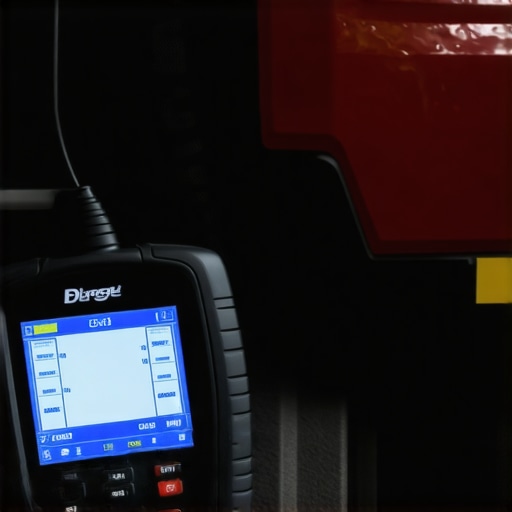
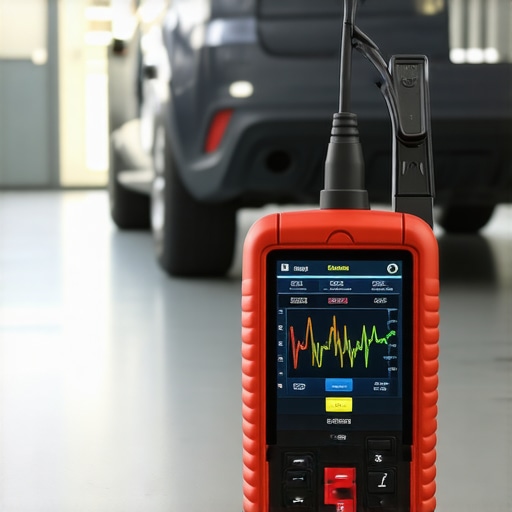
Car diagnostic tool showing real-time data and error codes.

Unraveling the Nuances of Diagnostic Data: My Personal Journey into Sophisticated Auto Analysis

As I delved deeper into the world of vehicle diagnostics, I realized that the surface-level understanding I had was merely the tip of the iceberg. Modern diagnostic tools, especially those analyzing sensor outputs and system interactions, offer a wealth of information that, when interpreted correctly, can predict failures before they manifest physically. For instance, I recall a time when my transmission sensor data began showing irregularities—initially subtle, yet significant enough to warrant attention. Learning to read these patterns transformed my approach from reactive to proactive maintenance, aligning with insights from expert diagnostics.

Why Do Some Diagnostic Codes Require a Nuanced Interpretation?

One challenge I faced was understanding that not all error codes are straightforward indicators of a problem. Some codes, especially in complex systems like the fuel injection or emission controls, require a nuanced understanding of how different components interact. For example, a P0420 code might suggest catalyst efficiency issues, but it could also stem from sensor malfunctions or wiring problems. This complexity underscores the importance of combining diagnostic data with real-world observations and experience. It’s akin to being a detective—piecing together clues to uncover the root cause. This approach has helped me avoid unnecessary repairs and focus on addressing the true issues, echoing the advice found in auto repair diagnostics strategies.

How Can I Leverage External Resources to Enhance My Diagnostic Skills?

Over time, I discovered that engaging with online forums, manufacturer resources, and professional workshops significantly boosted my diagnostic capabilities. For instance, participating in community discussions about common error codes or new diagnostic techniques provided practical insights that complemented my hands-on experience. Additionally, many manufacturers now offer user-friendly apps that translate complex error codes into plain language, making diagnostics more accessible for non-experts. These tools, combined with my curiosity and willingness to learn, have made me more confident in managing my vehicle’s health. If you’re eager to improve your diagnostic skills, I highly recommend exploring auto repair maintenance tips that incorporate diagnostic insights.

What Are the Ethical and Practical Limits of DIY Diagnostics?

While I’ve become more adept at interpreting diagnostic data, I also recognize the limits of DIY diagnostics. Certain issues, especially those involving complex electronic systems or requiring specialized tools, are best handled by professionals. Misinterpretation of error codes can lead to unnecessary repairs or overlooking serious problems. Therefore, balancing confidence with humility is essential. Knowing when to seek expert help ensures that diagnostic efforts are both effective and safe. Sharing experiences and asking questions in trusted communities can help navigate these boundaries, fostering a collaborative approach to auto care.

Ultimately, my journey into advanced diagnostics has been about more than just fixing cars; it’s about building a deeper understanding of how modern vehicles operate and how I can become a better steward of my own auto maintenance. As technology continues to evolve, staying curious and informed is my best strategy for ensuring my vehicle remains reliable and safe. If you’re passionate about keeping your car in top shape in 2025 and beyond, I invite you to share your insights or ask questions—let’s learn from each other’s experiences and grow together in this fascinating field.

Deciphering Complex Diagnostic Data: My Personal Evolution in High-Level Auto Analysis

As I immersed myself further into the intricacies of vehicle diagnostics, I realized that the superficial understanding I once held was merely scratching the surface of what modern automotive systems have to offer. The advent of sophisticated diagnostic tools, which analyze real-time sensor outputs and system interactions, has revolutionized how I approach vehicle maintenance. For example, I recall a situation where my vehicle’s ABS sensor data displayed subtle irregularities long before any warning light appeared. Interpreting these nuanced signals transformed my maintenance strategy from reactive repairs to proactive care, aligning with insights from expert diagnostics.

Why Do Certain Diagnostic Codes Demand a Nuanced, Contextual Interpretation?

One of the most challenging aspects I encountered was understanding that not all error codes are straightforward indicators of an immediate fault. Particularly in complex systems like emissions control or fuel injection, error codes such as P0420 can have multiple root causes—ranging from catalyst inefficiency to wiring issues or sensor malfunctions. This complexity necessitates a comprehensive approach, combining diagnostic data with real-world observations and a deep understanding of vehicle systems. It’s akin to being a detective—piecing together clues to uncover the true underlying problem. This method has helped me avoid unnecessary repairs and focus on targeted solutions, echoing strategies from auto repair diagnostics strategies.

Leveraging External Resources to Sharpen Diagnostic Acumen

Over time, I discovered that engaging with specialized online forums, manufacturer technical resources, and industry workshops significantly enhanced my diagnostic skills. Participating in community discussions about obscure error codes or innovative troubleshooting techniques provided practical insights that complemented my hands-on experience. Moreover, many vehicle manufacturers now offer advanced yet user-friendly diagnostic apps that translate complex error codes into plain language, empowering owners to take immediate corrective actions. These tools, along with my persistent curiosity, have made me more confident and effective in managing my vehicle’s health. For anyone eager to elevate their diagnostic expertise, I recommend exploring auto repair maintenance tips that incorporate diagnostic insights.

How Can Enthusiasts and Professionals Collaborate to Push Diagnostic Capabilities Further?

Advancements in vehicle diagnostics are increasingly driven by collaborative efforts between enthusiasts like myself, professional technicians, and OEM developers. Participating in beta testing programs for new diagnostic software or contributing to open-source diagnostic project forums can accelerate innovation. Sharing real-world experiences and troubleshooting successes not only helps refine tools but also fosters a community committed to automotive excellence. For those interested in contributing or simply staying at the forefront of diagnostic technology, I recommend keeping an eye on industry updates and participating in relevant workshops or online communities. Together, we can push the boundaries of what’s possible, ensuring the future of automotive diagnostics is both precise and accessible.

If you’re passionate about mastering the latest diagnostic techniques and want to share your journey or ask for advice, I invite you to join the conversation. Let’s explore these advanced strategies together and drive toward more reliable, safer vehicles in 2025 and beyond.

Things I Wish I Knew Earlier (or You Might Find Surprising)

The Hidden Power of Early Diagnostics

Looking back, I realize that catching issues early through diagnostics can save you a lot of money and stress. I once ignored a subtle engine hesitation, which turned into a costly repair. Now, I always pay attention to warning signs and use diagnostic tools proactively.

Not All Error Codes Are Equal

At first, I thought a check engine light was always a big deal. Turns out, some codes are minor and easy to fix, while others require expert attention. Learning to interpret these codes has made me more confident in managing my vehicle’s health.

Regular Maintenance + Diagnostics = Peace of Mind

Routine checks combined with diagnostic scans create a safety net. I swear by regular oil changes and brake inspections, which now incorporate diagnostic insights for better results.

Embracing New Tech Makes a Difference

Modern diagnostic tools and apps have made auto maintenance more accessible. I use user-friendly diagnostic apps that translate error codes into plain language, making repairs less intimidating.

Community Wisdom Enhances My Skills

Joining online forums and manufacturer resources has helped me understand complex diagnostics. Sharing experiences and learning from others keeps me updated and confident in my auto care journey.

Resources I’ve Come to Trust Over Time

  • Expert Vehicle Diagnostics: This site offers in-depth guides and tools that helped me understand real-time sensor data and system interactions. I recommend it to anyone serious about auto diagnostics.
  • Auto Repair Maintenance Tips: A fantastic resource for practical advice on integrating diagnostics into routine care, making it easier to stay ahead of potential issues.
  • Top-Rated Auto Repair for Brake Service & Diagnostics: Their insights have helped me maintain a safe and reliable brake system, crucial for peace of mind on the road.

Parting Thoughts from My Perspective

Vehicle diagnostics have transformed my approach to auto maintenance, turning it from reactive to proactive. Embracing advanced tools and continuous learning is essential for reliable vehicle performance in 2025. If this resonates with you, I’d love to hear your experiences or tips—sharing our journeys makes us all better auto caretakers. Remember, staying curious and informed is your best asset in keeping your car safe and dependable. Feel free to drop a comment or share this with someone who might find it helpful—together, we can navigate the future of auto repair confidently.

More Details
Oct 22, 2025
Top-Rated Oil Change & Brake Service Guide for Safer Driving in 2025

My Journey to Safer Driving Starts with Quality Maintenance

Last year, I found myself nervously approaching a busy intersection with a squeaky brake sound and an engine that felt less responsive. It was a wake-up call that reminded me how crucial regular oil changes and brake services are for safe driving. Since then, I’ve dedicated myself to understanding the best practices for vehicle maintenance, especially as we look ahead to 2025 where safety technology continues to evolve.

Why I prioritize top-rated oil change services

When I first researched oil change options, I realized that not all services are created equal. I learned that using high-quality, top-rated oil change providers can significantly extend my engine’s lifespan and improve fuel efficiency. I now trust companies that use synthetic oils and offer comprehensive engine inspections, aligning with insights from authoritative sources like NHTSA.

My secret to choosing the best brake service

Brakes are the most critical safety feature in my car, and I treat them with utmost importance. I look for auto repair shops that specialize in brake diagnostics and use genuine parts. Recently, I discovered that regular brake fluid replacement, as part of top-rated brake service, can prevent costly repairs and ensure responsive stopping power. For detailed tips, I often refer to this ultimate brake service guide.

What makes a service truly top-rated?

In my experience, a top-rated service isn’t just about reviews; it’s about the technicians’ expertise, transparency, and customer care. I appreciate shops that offer vehicle diagnostics to identify issues early, preventing breakdowns. This approach, supported by expert vehicle diagnostics, has saved me from unexpected breakdowns multiple times.

Is it time for my vehicle’s next oil change or brake check?

If you’re like me, keeping track of maintenance schedules can be tricky. I recommend consulting your vehicle’s manual and scheduling regular checkups with trusted auto repair experts. Remember, proactive maintenance is the key to safer driving and fewer costly repairs in the long run.

If you’ve had positive experiences with specific service providers or techniques, I’d love to hear about them! Sharing our knowledge helps all of us stay safe on the road.

Understanding the Nuances of Vehicle Diagnostics for Peak Performance

As vehicles become increasingly sophisticated, the role of expert diagnostics grows ever more critical. Modern auto repair shops utilize advanced diagnostic tools that can quickly identify issues before they manifest as costly breakdowns. For instance, state-of-the-art engine analyzers and onboard diagnostics (OBD) systems can detect subtle anomalies, allowing technicians to address problems proactively, rather than reactively. This proactive approach not only extends vehicle lifespan but also enhances safety, especially as new safety features like collision avoidance systems rely on precise sensor calibrations. Regular diagnostics, aligned with manufacturer specifications, can prevent minor issues from escalating into major repairs, saving you money and ensuring peace of mind. For more detailed insights, visit this comprehensive guide on vehicle diagnostics.

How to Prioritize Maintenance Tasks for Optimal Safety and Cost-Effectiveness

One of the most nuanced aspects of vehicle maintenance is understanding which services to prioritize based on your driving habits, vehicle age, and manufacturer recommendations. For example, while oil changes are routine, the timing and type of oil—synthetic versus conventional—can significantly influence engine longevity. Similarly, brake system maintenance isn’t just about replacing pads; it involves inspecting rotors, calipers, and brake lines to ensure comprehensive safety. An effective maintenance schedule balances these tasks, emphasizing critical checks like tire tread depth, suspension integrity, and fluid levels. Staying ahead of potential issues not only enhances safety but also reduces long-term costs. For tailored advice, explore auto repair tips for 2025.

Creative Question: Are Your Vehicle’s Safety Features Truly Working as Intended?

With the integration of advanced driver-assistance systems (ADAS), modern vehicles are equipped with features like lane departure warnings, adaptive cruise control, and automatic emergency braking. But how can you ensure these systems are functioning optimally? Regular calibration, sensor cleaning, and software updates are essential to maintain their effectiveness. For instance, misaligned cameras or dirty radar sensors can compromise safety features, creating a false sense of security. Consulting with certified technicians who understand the intricacies of ADAS calibration is crucial, especially as these systems become more integral to vehicle safety. Check out expert brake and safety system diagnostics for detailed guidance on maintaining these critical features.

Why Sharing Your Maintenance Experiences Can Improve Road Safety

Engaging with fellow drivers and sharing your maintenance successes and lessons learned can foster a community focused on safety. Whether it’s recommending trusted auto repair shops or alerting others to emerging common issues, collective knowledge enhances safety standards across the board. Additionally, reading peer reviews and expert articles helps you stay informed about emerging threats and best practices. Remember, informed drivers are safer drivers. If you want to deepen your understanding of vehicle safety in 2025, I suggest exploring our latest articles on auto repair strategies and safety upgrades to stay ahead of the curve.

Unveiling the Hidden Layers of Vehicle Diagnostics: A Personal Reflection

Over the years, my journey into auto maintenance has evolved from simple oil changes to a much more sophisticated understanding of how diagnostics shape vehicle safety and longevity. I vividly remember my first encounter with advanced diagnostic tools—an experience that transformed my approach to car care. It’s fascinating how modern diagnostics can detect issues before they become visible problems, saving both time and money. This proactive mindset, supported by authoritative insights from this comprehensive guide, underscores the importance of investing in regular, expert diagnostics. As my vehicle aged, I realized that these tools aren’t just for repairs—they’re vital for maintaining optimal safety, especially with the increasing complexity of safety features like collision avoidance systems.

Why Advanced Diagnostics Matter More Than Ever in 2025

With the rapid integration of ADAS and autonomous features, the role of diagnostics has skyrocketed. Modern vehicles rely on a network of sensors, cameras, and onboard computers that require precise calibration and regular updates. I learned this the hard way when a misaligned sensor caused my adaptive cruise control to malfunction unexpectedly. This experience taught me that diagnostics aren’t just about fixing problems—they’re about ensuring that safety features function as intended, which can be a matter of life and death. The technology behind these systems is complex, and only qualified technicians with access to the latest diagnostic tools can truly maintain their integrity. For a deeper understanding, I recommend exploring this expert diagnostics guide.

How Do You Know if Your Vehicle’s Safety Systems Are Working Properly?

What are the subtle signs that safety features might be compromised, and how can you proactively address them?

In my experience, warning lights aren’t the only indicators. Sometimes, sensors become dirty or misaligned, leading to false alarms or, worse, a complete failure of safety systems like lane departure warnings or automatic emergency braking. Regularly cleaning sensors and scheduling calibration checks with certified technicians can make a significant difference. I’ve learned that many safety features require software updates, much like a smartphone, to function optimally. Staying vigilant and proactive—by consulting trusted auto repair experts—ensures these critical systems are always ready to protect you. For detailed instructions on maintaining these systems, check out this detailed diagnostic approach.

Integrating Diagnostics with Routine Maintenance for Peak Performance

To truly harness the power of diagnostics, I’ve integrated regular checkups into my maintenance schedule, much like a health check for my car. This not only improves safety but also ensures the vehicle performs at its best. For example, routine engine diagnostics can reveal early signs of wear, allowing me to replace parts proactively rather than reactively. The interconnected nature of modern systems means that a small issue detected during diagnostics can prevent a cascade of failures. I’ve found that this approach significantly extends my vehicle’s lifespan and enhances safety on the road. For comprehensive tips, I often refer to auto repair tips for 2025.

What’s Next? Embracing the Future of Vehicle Safety and Diagnostics

Looking ahead, I believe that the evolution of diagnostics will continue to redefine vehicle safety and maintenance. Emerging technologies like AI-powered diagnostic systems promise even greater precision, detecting issues at a fraction of the time and cost. Personally, I’m excited about the potential for these innovations to make driving safer and more reliable. As vehicle technology advances, staying informed and engaged with these developments will be crucial. I encourage fellow drivers to share their experiences and insights—your stories can help others navigate this complex but fascinating landscape. For ongoing updates and expert advice, explore more about future-proof auto diagnostics.

Harnessing Cutting-Edge Diagnostic Technologies to Preemptively Safeguard Your Vehicle

As vehicles continue to integrate sophisticated safety systems, the importance of leveraging advanced diagnostic tools becomes more evident than ever. Modern diagnostic systems, such as those incorporating artificial intelligence and machine learning, enable technicians to identify minute anomalies that traditional methods might overlook. These insights allow for targeted interventions that enhance not only performance but also crucial safety features like collision avoidance and lane-keeping assist. My personal experience with a high-tech diagnostic scanner revealed subtle sensor misalignments that, if unaddressed, could have compromised safety functionalities. This proactive approach, supported by expert insights from this authoritative guide, underscores the necessity of regular, comprehensive diagnostics to stay ahead of potential failures.

What Are the Subtle Indicators That Your Advanced Safety Systems Might Be Compromised?

Beyond dashboard warning lights, subtle signs such as inconsistent sensor readings, delayed responses from safety features, or even unusual noises during system activation can indicate underlying issues. For instance, dirty or misaligned radar sensors can impair automatic emergency braking, creating a dangerous gap in your vehicle’s protective layers. Ensuring sensors are clean and calibrated through professional diagnostics is essential. Regular software updates also play a pivotal role, as manufacturers continually refine algorithms to adapt to evolving road environments. I learned this firsthand when my adaptive cruise control failed to respond correctly due to outdated firmware, a reminder that staying current is integral to safety. For more nuanced insights into maintaining these systems, I recommend exploring this expert diagnostics resource.

Integrating Diagnostics into Routine Maintenance for Optimal Safety and Longevity

In my journey toward comprehensive vehicle care, I’ve adopted a routine that blends regular diagnostics with preventive maintenance. This integration ensures that safety features operate flawlessly, especially as vehicles age and accumulate mileage. For example, periodic scans can reveal early signs of sensor degradation or software anomalies, allowing for timely repairs that prevent costly breakdowns. This approach aligns perfectly with the evolving landscape of vehicle technology, where interconnected systems require synchronized attention. Additionally, proactive diagnostics facilitate the calibration of safety sensors after repairs or realignments, maintaining their precision. To deepen your understanding of these practices, I suggest reviewing this comprehensive maintenance guide.

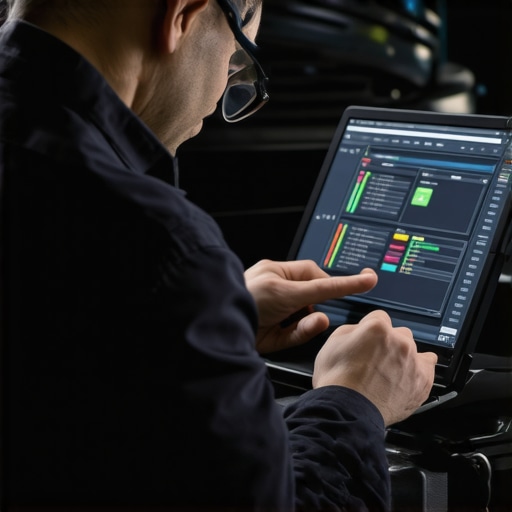
Diagnostic scanner connected to a vehicle's onboard system displaying diagnostics data.

Future-Forward: Embracing AI-Driven Diagnostics for Enhanced Road Safety in 2025

The horizon of automotive diagnostics is set to be revolutionized by AI-powered systems that adapt and learn from real-world driving conditions. These intelligent systems can predict potential failures before they manifest, offering a new level of safety assurance. I am particularly excited about how predictive analytics will enable personalized maintenance schedules tailored to individual driving habits, significantly reducing risk. For instance, AI can analyze sensor data over time to flag early signs of component fatigue, prompting preemptive replacements. To stay ahead in this rapidly evolving field, I recommend following this forward-looking diagnostic resource. Engaging with this knowledge empowers drivers to take control of their vehicle’s safety and performance, leveraging technology to create smarter, safer journeys.

Things I Wish I Knew Earlier (or You Might Find Surprising)

Hidden Power of Diagnostics

Early in my car maintenance journey, I underestimated how vital diagnostics are. Now, I realize that regular expert checks with advanced tools can prevent major breakdowns, saving money and lives.

The Sensor Cleaning Trick

It sounds simple, but keeping sensors clean and calibrated has made a huge difference in my vehicle’s safety features. A quick wipe can restore functionalities like lane departure warnings or collision alerts.

Software Updates Are Critical

I used to ignore firmware updates, thinking they weren’t essential. Turns out, manufacturers release updates to fix bugs and improve safety, making it crucial to stay current.

Proactive vs Reactive Repairs

Waiting for warning lights isn’t enough. Regular diagnostics help catch issues early, especially with complex systems like ADAS, ensuring my safety and peace of mind.

Integrating Diagnostics into Routine Maintenance

By making diagnostics a regular part of my car care routine, I’ve maintained optimal performance and safety, especially as my vehicle ages and technology advances.

Resources I’ve Come to Trust Over Time

  • NHTSA (National Highway Traffic Safety Administration): As a government agency, they provide authoritative safety guidelines and vehicle recall information, which I consult regularly.
  • SAE International: Their research and standards on automotive diagnostics and safety systems have deepened my understanding of vehicle tech.
  • Automotive News: Staying updated with industry trends and innovations helps me anticipate future vehicle safety features and diagnostics.
  • RepairMyCarPro.com: Their detailed guides on diagnostics and maintenance are invaluable resources I recommend to fellow enthusiasts.

Parting Thoughts from My Perspective

Understanding vehicle diagnostics has transformed how I care for my car. Regular, expert diagnostics are not just maintenance—they’re essential for ensuring safety and longevity, especially with the rapid technological advancements in 2025. Embracing these tools and staying informed helps me drive confidently, knowing my safety features are working as intended. If this resonated with you, I’d love to hear your thoughts or experiences. Share this with someone who might find it helpful, and let’s keep the conversation going about safer, smarter driving in the future.

More Details
Oct 22, 2025
Auto Repair & Maintenance Tips for Trusted Vehicle Care in 2025

My Journey into Reliable Vehicle Maintenance: A Personal Perspective

Ever since I bought my first car, I realized that maintaining it properly is not just about fixing problems but about ensuring safety and longevity. I remember the first time I experienced a sudden breakdown during a road trip; it was a wake-up call that led me to dive deep into auto repair and maintenance tips. Over the years, I’ve learned that proactive care keeps vehicles running smoothly and saves money in the long run.

Why Regular Auto Diagnostics Are My Best Friend

One of the most crucial lessons I’ve learned is the importance of regular vehicle diagnostics. Modern cars are equipped with sensors that can alert us to issues before they become costly repairs. I make it a point to schedule routine diagnostics, especially as vehicles age. Reliable diagnostics help me catch problems early, whether it’s a faulty sensor or an engine misfire, aligning with what experts recommend at expert vehicle diagnostics.

Essential Auto Repair Tips That Keep My Car in Top Shape

Over the years, I’ve adopted some essential auto repair and maintenance tips that have made a noticeable difference. Regular oil changes, for example, are vital. I follow the advice from best oil change practices to ensure my engine stays lubricated and efficient. I also pay attention to tire health, brake system checks, and fluid levels, all of which contribute to a safer driving experience.

How Do I Know When It’s Time for Professional Help?

Sometimes, despite my best efforts, I encounter complex issues that require professional expertise. This is where trusted auto repair shops shine. I’ve found that diagnosing and fixing issues like brake problems or engine performance glitches is best left to experienced mechanics, especially those skilled in top-rated diagnostics and repairs for 2025 models. Their insights save me from costly mistakes and ensure my vehicle remains reliable.

What are the latest innovations in vehicle maintenance I should look out for in 2025?

With technology evolving rapidly, I stay updated by reading authoritative sources like 2025 auto repair innovations. These innovations include smarter diagnostics, electric vehicle maintenance, and advanced safety features that require specialized knowledge. Staying informed helps me make better decisions and maintain my vehicle efficiently.

Would you like to share your own auto repair stories or tips? Drop a comment below—I love learning from fellow car enthusiasts! And if you’re curious about specific maintenance strategies, check out my favorite guides on brake service tips and oil change strategies for 2025.

Embracing Cutting-Edge Auto Maintenance Technologies

As vehicle technology continues to evolve at a rapid pace, staying ahead with the latest maintenance strategies becomes essential for vehicle owners and professionals alike. Innovations such as predictive analytics and AI-driven diagnostics are transforming how we approach auto repairs. These advancements enable mechanics to anticipate issues before they manifest, reducing downtime and repair costs. For instance, integrating advanced diagnostics software can provide real-time health assessments of critical systems, as highlighted by industry leaders in expert vehicle diagnostics. Embracing these technologies ensures your vehicle remains reliable and safe, aligning with the best practices for 2025.

How Can Electric and Hybrid Vehicles Change Your Maintenance Routine?

The rise of electric and hybrid vehicles introduces new maintenance paradigms. Unlike traditional combustion engines, these vehicles require specialized knowledge for battery management, electric motor servicing, and software updates. Regular diagnostics tailored for electric systems help detect issues such as battery degradation or software glitches early, preserving vehicle performance. According to 2025 auto repair innovations, mechanics will need to adapt to these changes by acquiring new skills and tools. Understanding these nuances can save owners significant expenses and ensure their eco-friendly vehicles operate optimally over their lifespan.

What Practical Steps Can You Take to Future-Proof Your Vehicle Maintenance?

Future-proofing your vehicle involves adopting a proactive maintenance mindset. Regularly scheduling comprehensive diagnostics, even when no symptoms are present, can preempt major failures. Incorporating routine checks for electric systems, fluid levels, and tire health ensures consistent performance. Moreover, staying informed about the latest service techniques through trusted resources can help you make smarter decisions. For example, exploring guides on top-rated diagnostics and repairs for 2025 models provides valuable insights into emerging trends. By integrating these practices, you extend your vehicle’s lifespan and enhance safety on every journey.

What expert strategies can help optimize my vehicle’s diagnostics and repairs in 2025?

To optimize your vehicle’s diagnostics and repairs, focus on leveraging integrated systems that combine hardware and software for comprehensive analysis. Regularly updating diagnostic tools ensures compatibility with new vehicle models and features. Additionally, collaborating with reputable auto repair shops that specialize in advanced diagnostics can provide tailored maintenance plans, reducing unforeseen breakdowns. For instance, consulting with specialists in brake service diagnostics and other critical systems guarantees precise interventions. Remember, proactive diagnostics backed by expert insights are key to maintaining reliability amidst evolving automotive technologies.

If you’re eager to delve even deeper into modern auto maintenance strategies, I recommend exploring resources on oil change best practices and vehicle diagnostics maintenance tips. Sharing your experiences or questions in the comments can foster a community of informed car enthusiasts dedicated to safe and efficient driving!

Deepening My Understanding of Advanced Diagnostics and Maintenance Nuances

As I immersed myself further into the world of auto repair, I realized that truly mastering vehicle diagnostics in 2025 requires more than just familiarity with new tools—it’s about understanding the subtle interplay of evolving automotive systems. Modern vehicles incorporate integrated electronic modules that communicate across multiple networks, making troubleshooting more complex but also more precise. I recall the first time I used a suite of diagnostic software that not only read engine codes but also analyzed real-time data streams from various sensors, giving me insights that were previously impossible. This experience underscored the importance of continuous learning and staying updated with industry innovations, like those highlighted by expert vehicle diagnostics.

One particular challenge I faced was diagnosing intermittent faults in hybrid systems, where traditional methods often fell short. Through persistent research and collaboration with seasoned technicians, I learned to interpret complex data patterns that indicated software glitches or battery management issues. These insights not only enhanced my troubleshooting skills but also deepened my appreciation for the sophisticated diagnostics now accessible to everyday mechanics and enthusiasts alike.

Reflections on the Ethical and Practical Dimensions of Future Vehicle Care

With all these technological advancements, I can’t help but reflect on the ethical responsibilities that come with maintaining increasingly complex vehicles. Ensuring data privacy during diagnostics, respecting manufacturer proprietary systems, and maintaining transparency with vehicle owners are becoming integral parts of responsible auto repair. My personal journey has taught me that building trust through honest communication and continuous education is as vital as mastering the latest tools.

Practically, this means adopting a mindset of lifelong learning—regularly updating my knowledge base, attending industry seminars, and participating in online forums dedicated to automotive innovation. For instance, exploring resources on auto repair in 2025 helps me stay ahead of the curve and serve my clients with the most current techniques and insights.

Personal Stories: Lessons from My Most Challenging Repairs

One repair that stands out involved a hybrid vehicle exhibiting unpredictable power fluctuations. The owner was understandably anxious, and I knew that a thorough, nuanced diagnostic approach was necessary. By combining software analysis with traditional inspection, I identified a faulty inverter that was subtly degrading performance. Fixing it not only restored the vehicle’s reliability but also reinforced my belief that blending advanced diagnostics with hands-on experience is essential for modern auto care.

Sharing these experiences with fellow enthusiasts in forums and local workshops has been incredibly rewarding. It’s inspiring to see how collective knowledge accelerates learning and problem-solving. If you’re passionate about automotive maintenance, I encourage you to explore more about brake service diagnostics and other specialized areas that are crucial for safe driving in 2025.

Looking Ahead: Embracing Innovation for a Safer, Smarter Future

Thinking about the road ahead, I am excited by the potential of AI-driven diagnostics and predictive maintenance. These technologies promise to transform auto repair from reactive to proactive, minimizing downtime and enhancing safety. For example, integrating predictive analytics into maintenance routines can alert me to potential issues before symptoms appear, saving time and resources.

In my personal practice, I’ve already begun incorporating some of these tools, and I see a future where vehicle owners and mechanics work collaboratively, leveraging data to extend vehicle lifespan and optimize performance. To stay aligned with this vision, I regularly review auto repair strategies for 2025 and other forward-looking resources.

What about you? Have you experienced the impact of new diagnostic tools or maintenance practices in your own vehicles? I’d love to hear your stories and insights—drop a comment below or connect through social media. Embracing these advancements not only enhances our technical skills but also deepens our appreciation for the intricate art of vehicle care, helping us ensure safer journeys for everyone on the road.

Harnessing the Power of Data Integration for Precision Repairs

In my pursuit of automotive excellence, I’ve come to realize that the most sophisticated diagnostics extend beyond mere code reading. Integrating data from multiple vehicle systems—such as engine control units (ECUs), transmission modules, and advanced driver-assistance systems (ADAS)—creates a comprehensive diagnostic picture. This holistic approach allows me to pinpoint elusive issues that traditional methods might overlook, ensuring repairs are both precise and durable. Leveraging enterprise-grade diagnostic tools, as discussed by industry experts, has been transformative in my workflow. Such integration minimizes guesswork and enhances my confidence in every repair.

The Emerging Role of Machine Learning in Auto Diagnostics

One of the most exciting developments I’ve embraced is the advent of machine learning algorithms tailored for vehicle diagnostics. These systems analyze vast datasets—comprising sensor readings, maintenance histories, and real-time performance metrics—to predict failures before symptoms manifest. I recall a recent experience where a machine learning-based diagnostic suggested an impending turbocharger failure, prompting preemptive intervention that saved the client significant costs and downtime. According to recent industry insights, these AI-driven solutions are poised to become standard, especially as vehicles grow increasingly complex. Staying abreast of these innovations through sources like auto repair in 2025 keeps me at the forefront of the field.

How Do I Optimize My Diagnostic Approach for Hybrid and Electric Vehicles?

Hybrid and electric vehicles introduce a new layer of complexity, demanding specialized diagnostic strategies. I’ve adopted a systematic approach that emphasizes battery health assessments, inverter performance analysis, and software integrity checks. For example, I utilize diagnostic protocols that interpret battery management system (BMS) data to identify early signs of degradation, which can significantly extend the vehicle’s lifespan. Collaborating with manufacturers’ proprietary diagnostic platforms has been essential, as highlighted by 2025 automotive diagnostics trends. Mastering these tools enables me to deliver reliable service tailored to the unique needs of eco-friendly vehicles, aligning with my commitment to sustainable automotive care.

The Ethical Dimensions of Advanced Diagnostics and Data Privacy

As my diagnostic capabilities evolve, I remain acutely aware of the ethical responsibilities involved. Handling sensitive vehicle data—ranging from location logs to personal user settings—necessitates strict adherence to data privacy standards. I prioritize transparency with clients, explaining how diagnostic data is used and stored, thereby building trust. This ethical mindfulness is reinforced by industry guidelines emphasizing responsible data management, as outlined by auto repair ethics in 2025. Balancing technological advancement with ethical integrity is vital for fostering long-term client relationships and sustaining professional credibility.

Invitation to Share Your Diagnostic Journeys

Deepening one’s expertise in vehicle diagnostics is a journey marked by continuous learning and real-world application. I invite you to share your experiences—be it a complex repair or a breakthrough in understanding vehicle systems. By exchanging insights, we can collectively elevate our craft. If you’re eager to delve into these advanced techniques, explore my detailed guides and join the conversation. Your stories not only inspire but also contribute to a richer community of automotive professionals dedicated to excellence.

Things I Wish I Knew Earlier (or You Might Find Surprising)

The Hidden Power of Regular Diagnostics

Early in my auto repair journey, I underestimated how much routine diagnostics could prevent costly breakdowns. Discovering sensors that alert us to issues before symptoms appear was a game-changer, saving me time and money.

Understanding the Nuances of Hybrid Vehicle Maintenance

When I first started working with electric and hybrid cars, I was surprised by the complexity of their systems. Learning to interpret battery management data and software diagnostics opened a new world of preventive care.

The Importance of Data Privacy and Ethics

With advanced diagnostics comes responsibility. I realized that respecting client data privacy and being transparent about data use are crucial for building trust and maintaining professional integrity in this evolving field.

The Role of AI and Machine Learning in Predictive Maintenance

Adopting AI-driven diagnostics tools revolutionized my approach. Predictive analytics now help me anticipate issues like turbocharger failures, enabling preemptive repairs that keep vehicles on the road longer.

Future-Proofing Your Vehicle Care Routine

Staying ahead means regularly updating diagnostic tools and learning new repair techniques. Incorporating these practices ensures my services remain reliable amid rapidly advancing automotive technology.

Resources I’ve Come to Trust Over Time

  • Industry Leaders in Diagnostics: Their insights on expert vehicle diagnostics have deeply influenced my work, keeping me updated on the latest trends.
  • Official Automotive Standards: Following guidelines from reputable sources ensures I adhere to ethical and technical best practices, which is vital in a high-tech landscape.
  • Online Forums and Communities: Engaging with fellow auto enthusiasts on platforms has provided practical tips and moral support, making continuous learning enjoyable.

Parting Thoughts from My Perspective

Reflecting on my experiences, I believe that embracing advanced auto diagnostics, especially the integration of AI and machine learning, will redefine vehicle maintenance in the coming years. Staying curious, ethical, and committed to learning keeps me confident that I can provide top-quality service, no matter how complex modern vehicles become. If this resonated with you, I’d love to hear your thoughts. Feel free to share your own repair stories or ask questions—let’s grow together as auto enthusiasts!

More Details
Oct 21, 2025
Top-Rated Oil Change & Brake Service Strategies for Safer Driving in 2025

My Journey to Safer Driving: Why Oil Changes and Brake Services Matter

Just last year, I found myself stuck in unexpected traffic, pondering how much my car’s condition impacts safety. It made me realize that routine maintenance, like oil changes and brake inspections, isn’t just about keeping the engine running smoothly—it’s vital for my safety on the road. Since then, I’ve been exploring the best strategies for oil change and brake services in 2025, aiming to stay ahead of potential issues and ensure a safer driving experience.

Understanding the Latest Oil Change Techniques for 2025

In my quest for reliable vehicle performance, I discovered that the newest oil change methods incorporate advanced diagnostics and synthetic oils that last longer. These innovations help reduce engine wear and improve fuel efficiency. I always choose high-quality oils recommended by auto experts, like those highlighted in this comprehensive guide. It’s fascinating how modern oil change services now include digital monitoring, alerting me when my oil needs attention before it becomes a problem.

What Makes Brake Services Critical for 2025 Safety?

Brakes are the backbone of safe driving, and I’ve learned that regular brake inspections can prevent accidents. The latest brake service strategies involve more than just replacing pads; they include rotor resurfacing, brake fluid analysis, and electronic diagnostics. I personally prefer providers that use top-rated brake service techniques, ensuring my vehicle responds promptly when I need it most. For instance, I recently visited a trusted auto repair shop that utilizes advanced diagnostic tools, as explained on this ultimate brake service guide.

How Do I Balance Cost and Quality in Modern Auto Maintenance?

Balancing affordability and quality can be tricky, but I’ve found that sticking to certified technicians and using recommended products makes a big difference. For example, I now schedule regular auto repair appointments that include comprehensive diagnostics, ensuring my vehicle’s systems work harmoniously. This proactive approach not only saves money in the long run but also keeps me safe on busy highways.

What Are the Latest Advances in Vehicle Diagnostics for 2025?

One thing I’ve become really interested in is how vehicle diagnostics have evolved with technology. Modern diagnostic tools can detect issues before they cause breakdowns, offering peace of mind. According to auto diagnostics experts, these systems analyze everything from brake wear to oil quality, helping me plan maintenance efficiently. I highly recommend exploring these options to stay ahead of potential problems.

If you’ve had experiences with innovative auto maintenance strategies, I’d love to hear your stories! Share your tips or ask questions in the comments below. Remember, staying informed and proactive is the best way to ensure your vehicle keeps you safe in 2025 and beyond.

How Can Advanced Diagnostics Transform Your Vehicle Maintenance Routine?

In the rapidly evolving landscape of auto repair, diagnostic technology is becoming more sophisticated, offering vehicle owners and technicians unprecedented insights into car health. These innovations enable early detection of issues, often before symptoms become visible or dangerous. For example, integrated systems now monitor oil quality, brake wear, and engine performance in real time, alerting drivers to potential problems via smartphone apps or in-dashboard alerts. This proactive approach not only enhances safety but can also significantly reduce repair costs over time.

What Are the Practical Benefits of Modern Diagnostic Tools for Everyday Drivers?

Modern diagnostic tools provide a level of clarity that was previously only accessible to professional mechanics with expensive equipment. Now, even DIY enthusiasts can access detailed reports on their vehicle’s condition through user-friendly interfaces. This democratization of diagnostics allows drivers to make informed decisions about repairs, schedule maintenance at optimal times, and avoid unexpected breakdowns. For instance, analyzing data on brake pad thickness and rotor condition helps prioritize repairs, ensuring your safety on busy roads.

How Do External Expert Resources Reinforce Your Auto Maintenance Knowledge?

Trusted external sources, such as the auto diagnostics experts, emphasize that integrating diagnostic data with routine inspections is essential for maintaining vehicle reliability. These resources offer in-depth guides on interpreting diagnostic reports, choosing the right maintenance schedules, and understanding the latest technological trends. Engaging with authoritative content ensures that your auto care decisions are backed by credible, up-to-date information, aligning with best practices recommended by industry professionals.

Are There Hidden Complexities in Implementing Advanced Diagnostics for Your Car?

While modern diagnostic systems promise numerous benefits, they also introduce complexities that require careful consideration. For example, interpreting diagnostic codes accurately can be challenging without proper training. Misdiagnosis can lead to unnecessary repairs or overlooked issues. Therefore, partnering with certified technicians who are trained in these new technologies is crucial. Additionally, integrating diagnostics into your regular maintenance routine can be resource-intensive, but the long-term safety and reliability gains are well worth the effort.

If you’re curious about how to leverage these cutting-edge diagnostic tools or want personal insights on integrating them into your vehicle care, I recommend exploring detailed guides and expert opinions available on reputable automotive sites. Sharing your experiences or asking questions about modern auto diagnostics can help foster a community of informed drivers committed to safer roads. Feel free to comment below or suggest further reading on vehicle diagnostics advancements!

Embracing Complexity: How Advanced Diagnostics Challenge Our Conventional Wisdom

When I first started exploring modern diagnostic tools, I thought they would simply serve as quick checklists for my vehicle’s health. However, I quickly realized that these systems introduce a level of complexity that demands a new kind of literacy from car owners. Interpreting diagnostic codes isn’t just about reading numbers; it’s about understanding the story your vehicle is telling. For instance, a code indicating brake wear might look straightforward, but its underlying cause could range from normal aging to a more subtle issue like hydraulic fluid leakage, which requires a nuanced approach. According to top-rated diagnostic guides, developing this literacy is crucial for truly leveraging these tools for safety and efficiency.

Personal Reflections on Integrating Diagnostics into Routine Maintenance

In my personal experience, integrating diagnostics into my regular maintenance routine has been transformative. I no longer rely solely on time intervals for oil changes or brake checks; instead, I use real-time data to inform my decisions. This proactive stance has prevented minor issues from escalating into costly repairs or safety hazards. For example, I recently noticed a slight reduction in brake responsiveness, which the diagnostic system flagged before I felt any loss of braking power. I then visited my trusted mechanic, who confirmed the system’s warning and replaced the pads early. This experience reinforced my belief that embracing these advanced tools isn’t just about convenience—it’s about safeguarding my journey on busy roads. If you’re curious about how to start integrating diagnostics into your routine, I recommend reviewing these practical tips.

Technological Nuances and the Human Element: Striking a Balance

Despite the allure of sophisticated diagnostics, I recognize a crucial nuance: technology can’t fully replace the human element. Certified technicians bring experience, intuition, and contextual understanding that machines can’t replicate. For example, a diagnostic code might suggest a worn brake pad, but a seasoned mechanic can also assess whether uneven wear results from suspension issues or driving habits. This balance between automated data and human judgment is where true safety resides. Moreover, as auto diagnostics experts emphasize, ongoing education and training are vital for technicians to interpret data accurately and recommend appropriate actions. This synergy ensures that advanced diagnostics serve as a tool to enhance, not replace, our innate automotive understanding.

Sharing Insights and Continuing the Journey

As I reflect on my journey into advanced auto diagnostics, I realize that continuous learning is key. The automotive landscape evolves rapidly, and staying informed about new tools, techniques, and best practices is part of responsible vehicle ownership. I invite you to share your experiences—have you embraced these technologies? What challenges or successes have you encountered? Engaging with a community of informed drivers can help us all navigate the complexities of modern auto maintenance more confidently. Feel free to comment below or explore related content on oil change and brake safety strategies. Remember, safety isn’t just about fixing problems; it’s about understanding your vehicle deeply enough to prevent them from happening in the first place. Let’s drive smarter and safer, together.

Unlocking the Power of Predictive Maintenance Through Cutting-Edge Diagnostics

As vehicle technology progresses, the integration of predictive maintenance tools has become a game-changer. Modern diagnostic systems now analyze a plethora of data points—ranging from brake pad thickness to engine vibrations—allowing me to anticipate issues before they manifest as warning lights or performance drops. This proactive approach not only enhances safety but also extends the lifespan of crucial components. For instance, by monitoring brake fluid quality and rotor condition through sophisticated sensors, I can schedule repairs at optimal times, avoiding sudden breakdowns and costly repairs. According to auto diagnostics experts, leveraging these insights is essential to modern auto care.

How Do Diagnostic Data and Human Expertise Complement Each Other?

While advanced diagnostics provide invaluable data, they are most effective when combined with the intuition and experience of seasoned technicians. For example, a diagnostic code indicating uneven brake pad wear might necessitate further inspection to identify underlying causes like suspension issues or uneven tire pressure. This synergy between technology and human judgment ensures precise diagnostics and targeted repairs. As I’ve learned, ongoing training in interpreting diagnostic outputs is vital for technicians to harness these tools fully. Engaging with authoritative resources like top-rated diagnostic guides helps refine this expertise.

Why Is Integrating Diagnostics into Routine Maintenance a Strategic Move?

Embedding diagnostic data into regular maintenance routines transforms how I approach vehicle care. Instead of adhering solely to fixed schedules, I now rely on real-time diagnostics to determine when oil needs changing or when brake components require attention. This shift from reactive to proactive maintenance minimizes unforeseen failures and optimizes resource allocation. For example, early detection of brake rotor corrosion through sensor data allowed me to plan repairs during scheduled service, saving time and money. To deepen your understanding of this approach, I recommend exploring these maintenance tips.

What Are the Latest Innovations in Diagnostic Technologies for 2025?

Innovations like wireless sensor networks and AI-driven analysis are revolutionizing diagnostics. These technologies enable continuous monitoring of vital systems, providing instant alerts via smartphone apps. For instance, I’ve integrated a system that tracks brake wear and engine health in real time, allowing me to respond swiftly to potential issues. This seamless flow of information empowers me to make informed decisions, significantly reducing the risk of accidents caused by overlooked maintenance needs. Experts highlight that staying abreast of these advancements is crucial for maintaining safety and performance, as detailed in this guide.

How Can I Foster Continuous Learning and Adaptation in Auto Maintenance?

Given the rapid evolution of automotive diagnostics, I believe that continuous education is essential. Participating in workshops, reading industry publications, and engaging with online communities helps me stay updated on new tools and techniques. Sharing experiences with fellow enthusiasts fosters a culture of learning that benefits everyone. For instance, I recently learned about a new laser rotor resurfacing method that extends brake component life, which I now plan to incorporate into my maintenance routine. If you’re eager to elevate your auto care knowledge, I encourage you to explore this comprehensive guide and share your insights with others.

Things I Wish I Knew Earlier (or You Might Find Surprising)

1. The Hidden Power of Diagnostics

When I first heard about advanced vehicle diagnostics, I thought it was just fancy tech, but I soon realized it’s a game-changer. These tools can detect issues before symptoms appear, saving me from unexpected breakdowns and costly repairs. My mechanic showed me how real-time data on brake wear and oil quality can guide proactive maintenance, which has truly transformed my approach to car care.

2. The Surprising Longevity of Synthetic Oils

I used to change my oil every 3,000 miles without thinking much, but switching to high-quality synthetic oils recommended by experts extended my oil change intervals. It’s not just about saving money; it’s about better engine protection and efficiency. I now plan oil changes based on diagnostic data, which feels much smarter and safer.

3. How Brake Services Have Evolved

Brake maintenance isn’t just about replacing pads anymore. Resurfacing rotors, analyzing brake fluid, and using electronic diagnostics improve safety and vehicle responsiveness. I recently had a full brake system check, and the peace of mind knowing my brakes are in top shape is priceless. It’s fascinating how much technology enhances safety in 2025.

4. The Cost-Quality Balance Is Real

Finding the sweet spot between affordability and quality can be tricky, but sticking to certified technicians and recommended products makes a big difference. I now schedule regular maintenance that includes diagnostics, which helps prevent expensive repairs later. It’s about investing a little now to save a lot later—and keeping my vehicle safe on the road.

5. The Evolving Role of Vehicle Diagnostics

Modern diagnostics are more than just trouble codes; they tell a story about your car’s health. Learning to interpret this data has empowered me to make informed decisions, avoiding surprises. I highly recommend exploring trusted sources to deepen your understanding and stay ahead in auto maintenance.

Resources I’ve Come to Trust Over Time

  • RepairMyCarPro.com: This comprehensive site offers detailed guides on oil changes and brake services, helping me understand best practices for 2025. It’s my go-to for reliable auto care tips.
  • Auto Diagnostics Experts: Their insights on modern diagnostic tools and techniques have expanded my knowledge about vehicle health monitoring, making me more confident in proactive maintenance.
  • Industry Publications: Staying updated through automotive magazines and online journals keeps me informed about new technologies and safety innovations, which I find invaluable.

Parting Thoughts from My Perspective

Reflecting on my auto maintenance journey, I realize that embracing modern diagnostics and advanced servicing techniques has profoundly enhanced my safety and confidence on the road. Knowing what’s happening under the hood — and acting early — is truly empowering. If you’re curious about how these innovations can make your vehicle safer and more reliable, I encourage you to start exploring trusted resources and consider proactive maintenance strategies. Feel free to share your experiences or ask questions in the comments — I’d love to hear your stories. Remember, staying informed and prepared isn’t just smart; it’s essential for safe driving in 2025 and beyond.

More Details
Oct 21, 2025
Essential Auto Repair Tips for Reliable Vehicle Maintenance in 2025

My First Encounter with Auto Troubles and How It Changed My Perspective

Not long ago, I found myself stranded on a rainy evening, engine sputtering and warning lights flashing. That experience was a wake-up call that made me realize the importance of proactive vehicle maintenance. Since then, I’ve dedicated myself to learning essential auto repair tips to keep my car reliable and safe, especially as vehicles become more advanced in 2025.

Understanding the Basics of Vehicle Maintenance

From my own experience, a well-maintained vehicle isn’t just about avoiding breakdowns; it’s about ensuring safety and saving money in the long run. Regular oil changes, tire rotations, and brake inspections are fundamental. I now schedule routine checkups and stay informed about the latest auto repair techniques, which I often explore through trusted sources like vehicle diagnostics for reliable auto repairs.

Why Keeping Up with Diagnostics Is a Game-Changer

In 2025, vehicle diagnostics have become more sophisticated, providing real-time data that can prevent costly repairs. I learned this firsthand when my mechanic used advanced diagnostics tools to identify an issue before it escalated. These tools help pinpoint problems accurately, saving time and money. For example, I always prioritize auto repair diagnostics and maintenance tips to ensure my vehicle runs smoothly.

How Do I Know When It’s Time for Professional Help?

Sometimes, DIY isn’t enough. My rule of thumb is if the warning lights stay on after a simple check or if I notice strange sounds or vibrations, I consult professionals. The importance of expert vehicle diagnostics can’t be overstated, especially for complex issues like brake system failures or engine troubles. For instance, I rely on trusted guides such as auto repair brake diagnostics to inform my decisions.

What’s the secret to staying ahead of auto repairs in 2025?

Staying proactive is key. Regular maintenance, staying informed about new auto tech, and partnering with reliable mechanics are my strategies. I also make it a point to educate myself on the latest vehicle features, which often include smart diagnostics and automated alerts. This approach aligns with recommendations from automotive experts and helps me keep my car in top shape.

If you’ve faced similar challenges or have your own auto repair tips, I’d love to hear your stories in the comments below. Sharing experiences can help us all drive safer and smarter in 2025 and beyond!

Remember, taking care of your vehicle today ensures peace of mind tomorrow. For more insights, check out this comprehensive oil change and brake service guide.

What Are the Hidden Benefits of Advanced Vehicle Diagnostics in 2025?

As automotive technology evolves rapidly, modern diagnostics tools offer more than just problem detection—they provide insights into vehicle health that were previously inaccessible. These advanced systems integrate AI-driven analysis, cloud connectivity, and real-time data, empowering drivers and technicians to anticipate issues before they manifest as costly repairs. For example, by leveraging these innovations, I’ve been able to schedule maintenance proactively, which minimizes downtime and maximizes vehicle lifespan. According to expert insights from vehicle diagnostics experts, embracing these tools is crucial for staying ahead in auto repair.

How Can DIY Enthusiasts Use High-Tech Diagnostics Without Overstepping?

While professional diagnostics require specialized equipment, many advanced tools now come with user-friendly interfaces designed for enthusiasts. Modern OBD-II scanners, for instance, can connect to smartphones and provide detailed reports on engine performance, emissions, and sensor data. I’ve found that familiarizing myself with these tools not only saves money but also deepens my understanding of my vehicle’s intricate systems. However, it’s essential to recognize the limits of DIY diagnostics—complex issues like brake system failures or transmission problems should always be handled by certified professionals. To enhance your knowledge, consider exploring trusted resources such as top-rated auto repair diagnostics tips.

What Are the Practical Steps to Integrate Diagnostics Into Routine Maintenance?

Integrating diagnostics into your regular maintenance routine involves more than just running scans when problems occur. It’s about establishing a systematic approach: schedule periodic diagnostics checks, especially before long trips, and keep a detailed log of the data collected. This proactive strategy helps identify subtle changes in vehicle behavior that might indicate underlying issues. Additionally, staying updated with the latest diagnostic software and tools ensures you’re leveraging the full potential of current technology. For instance, I now routinely check my vehicle’s diagnostic reports after each service, which helps me understand my car’s evolving needs better. For comprehensive maintenance strategies, see vehicle diagnostics maintenance tips.

How will vehicle diagnostics continue to evolve and influence auto repair in the coming years?

Looking ahead, the integration of machine learning and predictive analytics promises to revolutionize auto diagnostics even further. Vehicles will become more autonomous in identifying issues and scheduling repairs autonomously, reducing the need for immediate human intervention. This evolution will necessitate both drivers and technicians to adapt quickly, embracing new skills and tools. Staying informed about these trends is vital, and trusted sources like auto repair guides will be essential for understanding how to harness these advancements effectively.

If you’re interested in exploring how high-tech diagnostics can transform your vehicle maintenance routine, I encourage you to share your thoughts or experiences in the comments. Connecting with a community of auto enthusiasts can offer practical insights and support your journey toward smarter car care.

What Lies Beneath: Unraveling the Nuances of Modern Vehicle Diagnostics

As I delved deeper into the world of auto diagnostics, I realized that the surface-level readings from scanners only scratch the surface of what modern vehicles can tell us. In 2025, the integration of AI and machine learning into diagnostic systems has transformed maintenance from reactive to proactive. I remember the first time my car’s diagnostics system flagged a potential issue that I couldn’t detect with my own senses—a subtle vibration that only appeared during specific conditions. That experience made me appreciate how these advanced tools can uncover hidden problems before they escalate, saving me time and money.

The Complexity Behind Simple Codes: Decoding Advanced Diagnostics

One of the most fascinating aspects is understanding that diagnostic trouble codes (DTCs) are just the tip of the iceberg. Behind each code, there’s a complex web of sensor data, system interactions, and predictive analytics. I’ve spent hours exploring how manufacturers use cloud-connected data to update vehicle profiles continually, improving diagnostics accuracy over time. For example, a recent update to my vehicle’s software allowed me to receive real-time alerts about tire pressure fluctuations that could indicate slow leaks—something I previously only learned about after a flat.

How Can Enthusiasts Safely Engage with High-Tech Diagnostics?

For those of us passionate about DIY auto repair, the challenge is balancing curiosity with safety and efficiency. Modern OBD-II scanners now come with intuitive interfaces, but understanding the data requires a learning curve. I’ve found that starting with trusted resources like auto repair diagnostics tips helps build a solid foundation. Connecting with online communities has also been invaluable—sharing experiences and troubleshooting together often leads to surprising insights. Nevertheless, I always remind myself that some issues—like brake system failures—are best left to certified professionals, especially when dealing with critical safety components.

Practical Strategies for Integrating Diagnostics Into Routine Maintenance

Establishing a routine of regular diagnostics checks has revolutionized how I care for my vehicle. I now schedule scans before long trips and after major services, keeping detailed logs of findings. This habit has helped me recognize patterns—such as gradual sensor degradation—that would have otherwise gone unnoticed. Moreover, staying updated with the latest diagnostic software ensures I leverage new features like predictive maintenance and automated fault reporting. I’ve also experimented with integrating diagnostics data into my vehicle’s maintenance calendar, which helps me plan repairs proactively rather than reactively.

The Future of Vehicle Diagnostics: What’s Next?

Looking ahead, the evolution of diagnostics will likely include even more autonomous features. Vehicles will increasingly communicate with each other and infrastructure, creating a networked environment that predicts issues across entire fleets. Emerging technologies like predictive analytics and augmented reality diagnostics will make complex repairs more accessible, even to enthusiasts like myself. According to industry experts, embracing these innovations now prepares us for a future where auto repair is less about fixing problems and more about preventing them altogether.

If you’re as passionate about auto diagnostics as I am, I encourage you to share your experiences or questions in the comments. Connecting with others on this journey helps us all stay ahead in the fast-changing landscape of automotive technology.

Deciphering the Nuances of AI-Integrated Vehicle Diagnostics

As my journey into automotive diagnostics deepened, I realized that the integration of artificial intelligence (AI) has revolutionized how we interpret complex sensor data. Modern systems now analyze patterns over time, distinguishing between benign anomalies and genuine threats to vehicle health. This evolution is akin to having a seasoned technician’s intuition embedded within the vehicle’s software. For example, AI-driven diagnostics can detect subtle shifts in engine performance that a human might overlook, allowing for preemptive maintenance. According to a recent study by Automotive IT Magazine, this AI advancement significantly reduces repair costs and enhances vehicle longevity, making it a game-changer for both DIY enthusiasts and professional technicians.

How Do High-Precision Sensors Elevate Diagnostic Accuracy?

High-precision sensors have become the backbone of reliable diagnostics, capturing granular data on everything from exhaust emissions to vibrations. Their enhanced sensitivity allows for pinpointing issues with unprecedented accuracy. I experienced this firsthand when my vehicle’s suspension system showed irregularities; the sensors provided detailed insights that led me directly to worn-out bushings, avoiding unnecessary replacements. Integrating these sensors into routine diagnostics not only refines troubleshooting but also extends the lifespan of critical components. For enthusiasts eager to maximize their diagnostic capabilities, investing in advanced sensors and learning how to interpret their data through trusted resources like vehicle diagnostics maintenance tips is essential.

What Are the Ethical and Safety Considerations in DIY High-Tech Diagnostics?

While the allure of DIY diagnostics is strong, especially with increasingly user-friendly tools, it’s crucial to approach these technologies responsibly. Misinterpretation of data can lead to unnecessary repairs or overlooked problems, particularly when dealing with critical safety systems such as brakes or airbags. I always ensure I cross-reference my findings with professional guidelines and consult certified technicians when in doubt. The importance of ethical practices in auto diagnostics cannot be overstated, especially as vehicles become more connected and autonomous. Trusted information from sources like auto repair brake diagnostics guides my decision-making process, ensuring safety remains paramount.

Integrating AI and Sensor Data into Predictive Maintenance Frameworks

One of the most exciting prospects is embedding diagnostics data into predictive maintenance frameworks. This approach leverages machine learning algorithms trained on vast datasets to forecast potential failures before they occur. For instance, I’ve started using cloud-connected diagnostic systems that analyze my vehicle’s historical data, providing tailored maintenance alerts. This proactive strategy not only minimizes unexpected breakdowns but also optimizes repair schedules, saving time and money. The key to success lies in continuous data collection and analysis, which transforms auto repair from reactive to preventative. To deepen your understanding, explore detailed strategies at auto repair diagnostics efficiency tips.

Could Autonomous Vehicles Redefine Diagnostics and Maintenance?

Looking toward the future, autonomous vehicles are poised to redefine diagnostics entirely. These vehicles will possess self-monitoring capabilities, automatically reporting issues to manufacturers or service centers via secure networks. This seamless communication means problems can be addressed even before they impact driving safety. Moreover, maintenance might shift from scheduled servicing to continuous, real-time adjustments. As someone passionate about auto tech, I believe embracing these innovations now prepares us for a landscape where vehicles are not just transport tools but intelligent partners in road safety. Industry leaders like Forbes predict a transformative decade ahead for diagnostics and vehicle management.

If you’re eager to explore how these cutting-edge diagnostics can elevate your automotive knowledge or fleet management, I invite you to share your insights and questions below. Collaborating with fellow enthusiasts helps us navigate this complex, fascinating terrain more effectively.

Things I Wish I Knew Earlier (or You Might Find Surprising)

1. The Power of Proactive Maintenance

Looking back, I underestimated how essential regular diagnostics are before issues become serious. Early on, I’d ignore minor warning lights, only to face costly repairs later. Now, I understand that staying ahead with routine checks can save time and money, and extend my vehicle’s lifespan.

2. Advanced Tools Aren’t Just for Pros

At first, I thought high-tech diagnostics were only for professional mechanics. But today, user-friendly OBD-II scanners and smartphone apps have made high-quality diagnostics accessible to enthusiasts like me. This has transformed how I maintain my car, making diagnostics a regular part of my routine.

3. Hidden Insights in Data

One surprising thing I discovered is that diagnostic trouble codes (DTCs) are just the tip of the iceberg. Modern systems analyze vast data patterns, revealing subtle issues before symptoms appear. Embracing this technology has helped me prevent breakdowns and optimize repairs.

4. The Importance of Trusted Resources

Over time, I’ve learned that not all sources are equally reliable. Consulting industry leaders and expert guides ensures I get accurate, up-to-date information. This knowledge helps me make informed decisions and avoid unnecessary expenses.

5. The Future Is More Connected Than Ever

Looking ahead, autonomous and connected vehicles will self-diagnose and even schedule repairs. It’s exciting to think about how these innovations will shift auto maintenance from reactive to proactive, making driving safer and more efficient.

Resources I’ve Come to Trust Over Time

  • Automotive IT Magazine: Their articles on AI and diagnostics provide valuable insights into cutting-edge developments, helping me stay updated on future trends.
  • RepairMyCarPro.com: This site offers practical guides and tips, especially on vehicle diagnostics, which I’ve found extremely helpful for DIY repairs.
  • Industry Reports from Forbes: Their analyses on autonomous vehicles and diagnostics technology keep me informed about the broader industry shifts and innovations.

Parting Thoughts from My Perspective

Reflecting on my journey into auto diagnostics, I realize how empowering it is to understand and leverage emerging technologies. Staying proactive with diagnostics in 2025 isn’t just about fixing problems—it’s about preventing them and extending your vehicle’s life. For anyone passionate about car care, embracing these advancements can mean safer, smarter driving for years to come. If this resonated with you, I’d love to hear your thoughts. Feel free to share your experiences or ask questions in the comments below, and let’s navigate the evolving world of auto diagnostics together.

More Details
Oct 20, 2025
Best Oil Change & Brake Service Guide for Safe Driving in 2025

My Journey to Safer Driving Starts with the Right Oil Change & Brake Service

Last year, I faced a sudden brake squeal during my daily commute, which prompted me to dive deeper into vehicle maintenance. Through personal experience and research, I realized that the secret to safe driving in 2025 isn’t just about driving skill but also maintaining your car with the best oil change and brake services. This article shares my insights and practical tips to keep your vehicle in top shape.

Choosing the Perfect Oil Change: What I Learned from the Experts

When I first started exploring oil change options, I was overwhelmed by the variety of oils and services available. I found that synthetic oils, like those recommended by industry leaders such as top-rated auto repair shops, provide superior engine protection, especially in diverse weather conditions. Regular oil changes, ideally every 5,000 to 7,500 miles, significantly extend engine life and improve fuel efficiency. I now schedule oil changes based on my vehicle’s specific needs, guided by my owner’s manual and trusted mechanics.

Brake Service: My Experience with Ensuring Safety

Brakes are the unsung heroes of safe driving. I once ignored a slight pedal vibration, which worsened over time. After consulting with professionals, I learned that timely brake inspections and replacements prevent accidents. Modern brake services include rotor resurfacing, pad replacement, and hydraulic system checks. I now prioritize regular brake inspections, especially before long trips or adverse weather, to prevent costly repairs and ensure safety. For comprehensive brake service tips, I refer to this detailed guide.

Why Regular Maintenance Matters More Than Ever in 2025

With advancements in vehicle technology, regular maintenance like oil changes and brake services become even more critical. According to automotive safety experts, maintaining optimal vehicle condition reduces breakdown risks and enhances safety features’ effectiveness. I’ve also learned that proactive maintenance saves money in the long run, avoiding emergency repairs. For professional diagnostics and maintenance tips, I trust resources like auto diagnostics experts.

How do I know when my vehicle needs urgent attention?

Paying attention to warning signs such as unusual noises, vibrations, or warning lights can save you from costly repairs. Regular checkups help catch issues early, ensuring your car remains reliable and safe. I recommend scheduling diagnostics regularly, especially if your vehicle is older or has high mileage.

If you’re serious about safe driving in 2025, I encourage you to stay informed and proactive about vehicle maintenance. Feel free to share your own tips or ask questions — I’d love to hear your experiences! For more in-depth advice, explore auto diagnostics tips.

Are Modern Vehicle Systems Sensitive to Maintenance Timing and Quality?

As vehicles become more sophisticated with advanced electronics and sensors, the importance of timely and high-quality maintenance grows exponentially. Modern brake systems incorporate electronic stability controls and anti-lock braking systems (ABS), which require precision servicing to function correctly. Similarly, synthetic oils used today are formulated to enhance engine longevity and efficiency, especially in hybrid or electric vehicles that demand consistent performance. According to top-rated auto repair shops, staying ahead with regular, expert maintenance not only preserves vehicle safety but also ensures compatibility with emerging automotive technologies.

What Are the Nuances of Maintaining Hybrid and Electric Vehicles?

Hybrid and electric cars introduce new considerations for maintenance. For instance, electric vehicles often have regenerative braking systems that reduce wear on traditional brake components, but their electronic systems still need regular diagnostics to prevent issues. Likewise, synthetic oils in these vehicles are designed to operate under different thermal conditions, requiring specialized knowledge from mechanics. Experts recommend consulting with specialists who understand the intricacies of these powertrains, as outlined in vehicle diagnostics tips. This proactive approach ensures that both traditional and modern systems function harmoniously, extending vehicle life and safety.

Integrating Diagnostics into Routine Maintenance: Why It Matters

Routine diagnostics are no longer optional but essential, especially with the proliferation of complex electronic systems. Modern vehicles are equipped with sensors that monitor everything from tire pressure to brake pad wear, feeding data to onboard computers. Regular diagnostics can detect subtle issues before they escalate into costly repairs or safety hazards. This practice aligns with expert advice on auto diagnostics tips, emphasizing the importance of early detection. Integrating diagnostic checks during oil changes or brake inspections can provide a comprehensive view of vehicle health, ensuring optimal performance and safety.

How Can Car Owners Leverage Technology for Smarter Maintenance?

With the advent of telematics and connected car technology, owners can now monitor their vehicle’s health remotely. Many modern vehicles send maintenance alerts directly to their owners’ smartphones, guiding timely interventions. For example, apps linked to your vehicle can notify you when it’s time for an oil change or brake service based on actual usage patterns, not just mileage. This proactive approach minimizes downtime and enhances safety. But, to truly capitalize on these innovations, owners must understand their vehicle’s specific needs and consult trusted professionals for maintenance. For comprehensive insights on using technology to optimize vehicle care, explore brake service guides.

Are you taking advantage of modern diagnostic tools and connected car features to keep your vehicle in top shape? Share your experiences or ask questions in the comments—I love hearing how fellow drivers are embracing smarter maintenance solutions!

Reflections on the Evolving Landscape of Vehicle Maintenance

As I continue to delve into the intricacies of vehicle upkeep, I realize that each repair or service is more than just a routine task — it’s a journey into understanding the sophisticated systems that keep us safe on the road. With advancements in automotive technology, my personal experience has shown me that staying informed and adaptable is crucial. For example, I’ve noticed that newer vehicles often require specialized diagnostics, which I learned through engaging with trusted experts via this resource. This proactive approach has transformed my maintenance routine from reactive to strategic, emphasizing early detection and precision care.

Nuances in Maintaining Modern and Emerging Vehicle Technologies

One of the more complex aspects I’ve encountered is understanding how hybrid and electric vehicles demand tailored maintenance strategies. Electric cars, with their regenerative braking systems, reduce wear on traditional brake components but introduce new electronic diagnostics requirements. I’ve found that consulting specialists familiar with these systems, as suggested by vehicle diagnostics tips, is essential for preserving their longevity. This nuanced understanding underscores that maintenance in 2025 isn’t a one-size-fits-all approach but a sophisticated balancing act that requires ongoing education and adaptation.

How Do I Keep Up with the Rapid Advancements in Vehicle Safety and Diagnostics?

Keeping pace with technological innovations can be overwhelming, but I’ve found that leveraging connected car features significantly enhances my ability to maintain safety. Modern vehicles often alert me when a service is due, whether it’s an oil change or brake check, thanks to integrated telematics. This system not only saves me time but also ensures I don’t overlook critical maintenance tasks. For instance, I regularly use apps that sync with my vehicle to receive real-time diagnostics, helping me catch issues early. If you’re curious about how to make the most of these tools, exploring auto diagnostics tips can provide valuable insights.

Personal Lessons Learned and Future Directions

Reflecting on my journey, I realize that embracing technology and expert guidance has made vehicle maintenance more manageable and effective. Still, I remain aware that every vehicle is unique, and what works for one might not suit another. My advice to fellow drivers is to stay curious, ask questions, and never underestimate the importance of regular, professional diagnostics. As the automotive landscape continues to evolve, I look forward to discovering new ways to keep my vehicle safe and reliable, and I encourage you to share your own experiences or ask questions. Together, we can navigate the complexities of modern vehicle care and ensure our safety on every journey.

Integrating Predictive Maintenance: The Future of Vehicle Safety and Longevity

One of the most transformative shifts I’ve embraced in recent years is the adoption of predictive maintenance, leveraging telematics and advanced diagnostics to forecast potential issues before they become critical. Modern vehicles, equipped with an array of sensors, continuously monitor parameters such as brake wear, engine performance, and tire health, feeding data into sophisticated algorithms that predict failures with remarkable accuracy. This proactive approach not only minimizes unexpected breakdowns but also optimizes maintenance schedules, saving money and enhancing safety. I recall a time when a minor fluctuation in brake sensor data alerted me to a developing issue, allowing me to address it during a routine service — a perfect example of how technology is revolutionizing vehicle care. According to a comprehensive report by auto diagnostics experts, integrating predictive analytics into regular maintenance routines is now essential for modern vehicle ownership.

Deep Dive into Electronic Brake System Diagnostics: Why Precision Matters

As vehicles incorporate more electronic controls, understanding and diagnosing brake system anomalies requires a higher level of expertise. Electronic brake systems, such as anti-lock braking systems (ABS) and electronic stability controls, depend on intricate sensor networks and hydraulic controls. Misdiagnoses can lead to unsafe driving conditions or unnecessary repairs. I’ve found that utilizing specialized diagnostic tools, which interface with vehicle ECUs, provides detailed insights into the system’s health. Regularly updating diagnostic software and collaborating with certified technicians ensures these sophisticated systems function flawlessly. For a detailed overview of the latest diagnostic techniques, I recommend exploring this authoritative guide. The precision in diagnosing electronic brake components directly correlates with vehicle safety, especially in adverse weather or emergency situations.

What Are the Challenges and Solutions in Maintaining Electric and Hybrid Vehicles?

Electric and hybrid vehicles present unique maintenance challenges that require specialized knowledge. For instance, regenerative braking systems in EVs reduce wear on traditional brake parts but demand precise electronic diagnostics to prevent system failures. Additionally, high-voltage batteries require careful handling and monitoring, often involving thermal management systems that are complex and sensitive. I’ve learned that partnering with technicians trained specifically in electric vehicle systems is crucial. They utilize diagnostic platforms tailored to EVs, like those outlined in this resource. Staying abreast of technological advancements and manufacturer updates is vital for maintaining these vehicles safely and efficiently, ensuring their performance aligns with the latest safety standards.

How Can Connected Car Technology Elevate Routine Maintenance and Safety?

Connected car technology has profoundly impacted my approach to vehicle maintenance. Many modern cars send real-time alerts for fluid levels, tire pressure, and brake system health, enabling me to schedule interventions before issues escalate. This connectivity also facilitates remote diagnostics, where I can share vehicle data seamlessly with my mechanic, leading to faster and more accurate repairs. I’ve found that subscribing to manufacturer apps that monitor my car’s health provides peace of mind and keeps my vehicle in peak condition. To maximize these benefits, understanding how to interpret alerts and utilize diagnostic tools is essential. For insights into leveraging connected car features, I suggest exploring this in-depth guide. Embracing these technological advancements ensures that my vehicle remains safe, reliable, and compliant with evolving standards.

Harnessing Data Analytics for Personalized Maintenance Programs

Personalized maintenance, driven by data analytics, is revolutionizing how I care for my vehicle. By analyzing driving habits, environmental conditions, and historical repair data, I can tailor maintenance schedules that optimize performance and safety. For example, frequent city driving with stop-and-go traffic may accelerate brake wear, prompting more frequent inspections. Conversely, long highway trips might emphasize engine and transmission checks. Implementing these insights requires robust data collection and interpretation, often facilitated by manufacturer apps and third-party diagnostic platforms. This approach not only prevents costly repairs but also extends vehicle lifespan. I encourage fellow enthusiasts to explore resources like this expert advice on customizing maintenance routines based on real-world usage. Ultimately, data-driven strategies empower us to make informed decisions, ensuring maximum safety and efficiency on every journey.

Things I Wish I Knew Earlier (or You Might Find Surprising)

Hidden Impact of Regular Oil Changes

Initially, I underestimated how much regular oil changes could extend my engine’s life. It’s not just about avoiding engine wear; it’s about keeping the entire vehicle running smoothly, especially with the advanced technology in modern cars.

The Real Cost of Ignoring Brake Service

I once postponed brake maintenance and paid a hefty price. I learned the hard way that timely brake inspections and replacements are crucial for safety and can save you money in the long run by preventing major repairs.

Modern Vehicles Are Smarter Than Ever

With connected car technology, my vehicle now alerts me when maintenance is due, which has been a game-changer. It’s like having a mechanic in your pocket, helping you stay ahead of potential issues.

Specialized Maintenance for Electric & Hybrid Cars

Maintaining electric vehicles requires different skills and tools. Partnering with knowledgeable mechanics who understand EV systems has been key to keeping my EV in top shape without surprises.

The Power of Predictive Maintenance

Using sensors and data analytics, I can now anticipate problems before they happen. This proactive approach has made my driving safer and my vehicle more reliable, especially with complex electronic systems.

Resources I’ve Come to Trust Over Time

  • Auto Diagnostics Experts: Their insights on vehicle diagnostics have helped me understand my car better and catch issues early. I highly recommend exploring their diagnostics tips.
  • Top-Rated Auto Repair Shops: These shops provide quality oil change and brake services, ensuring my car stays safe. Their reviews and expertise give me peace of mind.
  • Automotive Safety Standards: Staying updated on safety standards from trusted organizations keeps me informed about best practices for vehicle maintenance.

Parting Thoughts from My Perspective

Reflecting on my journey, I realize that embracing regular maintenance like oil changes and brake services is essential for safe driving in 2025. The automotive industry is evolving rapidly, and staying informed about advanced diagnostics and vehicle technologies is more important than ever. My advice is to stay proactive, leverage the latest tools, and work with knowledgeable professionals to keep your vehicle in top shape. If this resonated with you, I’d love to hear your thoughts or experiences. Share it with someone who might find it helpful, and let’s keep the conversation going about safe, smart vehicle care in the modern age!

More Details
Oct 20, 2025
Top-Rated Vehicle Diagnostics & Auto Repair Tips for 2025

My First Encounter with Vehicle Diagnostics: A Wake-Up Call

Not long ago, I found myself stranded on the side of the road, frustrated and worried about my car’s sudden malfunction. That experience was a turning point that sparked my interest in understanding vehicle diagnostics. Since then, I’ve learned that staying ahead with proper auto repair tips can save you time and money, especially with the latest innovations heading into 2025.

Discovering the Power of Modern Auto Diagnostics

One of the most eye-opening moments was exploring expert vehicle diagnostics. Today, advanced tools like OBD-II scanners have become essential for diagnosing issues early. I remember using a modern diagnostic tool that read error codes effortlessly, revealing hidden problems beneath the surface. It’s remarkable how these technologies have evolved, making auto repair more precise and less invasive.

What Makes a Great Auto Repair Tip in 2025?

In my experience, the best tips blend technical expertise with practical advice. For example, regular oil changes and brake services can extend your vehicle’s lifespan significantly. I’ve also found that routine maintenance, like checking tire pressure and fluid levels, prevents costly breakdowns. The key is consistency—staying proactive rather than reactive.

Why Vehicle Diagnostics Are Critical for Safety

Safety is paramount, especially as vehicles become more sophisticated. According to industry experts, timely diagnostics can identify issues with brakes, steering, or suspension before they compromise safety. I’ve personally experienced peace of mind knowing my car’s systems are functioning correctly, thanks to regular diagnostics.

How Can I Keep Up with Rapid Auto Repair Innovations?

That’s a great question. I stay informed by reading reputable sources and attending local auto repair workshops. For instance, the latest auto repair tips emphasize the importance of integrating new diagnostic tools and eco-friendly practices. It’s fascinating how the industry is shifting towards more sustainable and efficient solutions.

If you’re like me and want your vehicle to perform reliably in 2025 and beyond, I recommend exploring comprehensive guides and staying connected with trusted auto repair professionals. Sharing your experiences or questions can also help build a community that navigates these technological advancements together.

Feel free to leave a comment below about your own auto repair journey or any tips you’ve discovered along the way!

Leveraging Cutting-Edge Diagnostic Technologies to Prevent Costly Repairs

As vehicle systems become increasingly complex, staying updated with the latest diagnostic tools is essential for both professionals and enthusiasts. Modern diagnostic scanners now incorporate AI and cloud connectivity, enabling real-time data analysis and remote troubleshooting. This integration accelerates problem identification and streamlines repair workflows, reducing downtime and repair costs. For those looking to deepen their understanding, exploring resources like expert vehicle diagnostics can provide valuable insights into these advancements.

How Can Advanced Diagnostics Enhance Safety and Reliability?

Advanced diagnostic systems can detect subtle anomalies in critical safety components—such as ABS, airbags, and stability control—before they become hazardous. Regularly running comprehensive diagnostics ensures these systems operate flawlessly, providing peace of mind. Moreover, proactive diagnostics help prevent breakdowns, especially in harsh weather or demanding driving conditions. Industry experts emphasize that early detection is key to maintaining vehicle safety and longevity, making diagnostic tools an indispensable part of modern auto care.

What Are the Practical Steps to Integrate New Auto Repair Innovations?

Integrating innovative auto repair techniques requires a proactive approach. Start by investing in certified diagnostic equipment, and ensure your team receives ongoing training to stay abreast of emerging technologies. Participating in workshops and industry seminars can also foster knowledge exchange. For example, adopting eco-friendly diagnostic procedures not only aligns with sustainability goals but also improves efficiency. For more guidance, consult comprehensive auto repair tips that highlight the importance of combining new tools with best practices.

Are There Hidden Challenges in Keeping Up with Auto Diagnostics Innovation?

Absolutely. The rapid pace of technological change can be daunting, especially for small repair shops or DIY enthusiasts. Compatibility issues between older vehicles and new diagnostic tools may arise, requiring careful selection of equipment and software updates. Additionally, staying compliant with industry standards and cybersecurity protocols is crucial to protect sensitive vehicle data. Experts advise continuous education and strategic investments to navigate these complexities successfully. To explore more, visit top-rated auto repair services for a comprehensive understanding of current trends.

If you’re eager to keep your vehicle in peak condition amidst technological advancements, I encourage you to share your experiences or ask questions in the comments below. Connecting with a community of auto repair enthusiasts can provide support and insights that make navigating this evolving landscape easier.

Vehicle diagnostic scanner connected to a car showing digital readouts.

Embracing the Complexity of Modern Vehicle Diagnostics

As I’ve delved deeper into the world of auto diagnostics, I realize that the landscape is becoming increasingly intricate. The integration of AI-driven analysis and cloud connectivity has transformed diagnostic tools from simple error code readers into sophisticated systems that provide real-time insights. This evolution means that, as an enthusiast or professional, staying updated requires continuous learning and adaptation. I vividly recall upgrading my diagnostic setup last year, investing in a tool that not only reads codes but also predicts potential failures based on historical data. It was a game-changer, emphasizing how much auto diagnostics have advanced beyond basic troubleshooting.

Reflecting on Safety and the Nuances of Preventive Diagnostics

One aspect that often gets overlooked is the subtlety involved in preventive diagnostics. For example, detecting minor anomalies in safety-critical systems like airbags or ABS early can prevent catastrophic failures. From my experience, these systems are incredibly complex, with thousands of micro sensors working seamlessly. An unexpected warning light can sometimes be a false alarm, but it’s crucial to interpret these signals correctly. According to industry experts, routine comprehensive diagnostics can uncover hidden vulnerabilities that standard inspections might miss. This proactive approach not only enhances safety but also extends the vehicle’s lifespan.

How Do I Balance Cutting-Edge Technology with Practical Maintenance?

That’s the question I often ask myself. The challenge lies in integrating new diagnostic technologies without overwhelming the repair process or alienating DIY enthusiasts. In my journey, I’ve found that regular training and hands-on experience are vital. For instance, attending workshops focused on eco-friendly diagnostic procedures has been invaluable. These innovations not only improve efficiency but also align with sustainability goals, which are increasingly vital in today’s industry. To stay ahead, I recommend a continuous cycle of learning—reading technical manuals, engaging with online communities, and experimenting with new tools in controlled settings. For those interested, exploring auto repair tips can provide practical guidance on this front.

Personal Insights: The Future of Vehicle Diagnostics and My Role in It

Looking ahead, I see myself not just as a user of diagnostic tools but as an active participant in shaping auto repair’s future. The industry’s rapid technological changes demand adaptability and a curious mindset. I believe that sharing experiences, asking questions, and collaborating with other enthusiasts and professionals create a collective intelligence that benefits everyone. For example, discussing challenges like compatibility issues with older vehicles or cybersecurity concerns helps us navigate the complexities more effectively. I encourage readers to reflect on their journey—what innovations have made the most impact, and what uncertainties still linger? Your insights could be the key to unlocking new levels of understanding.

Feel free to share your own experiences with advanced diagnostics or ask questions in the comments. Together, we can explore how to harness these evolving technologies for safer, more reliable vehicles.

What Are the Ethical and Practical Considerations When Using AI-Based Diagnostic Systems?

One of the nuanced challenges I’ve pondered is the ethical use of AI in diagnostics. While these systems offer remarkable predictive capabilities, they also raise concerns about data privacy and decision-making transparency. For example, if an AI system suggests a repair based on pattern recognition, how do we verify its accuracy without a thorough understanding of its algorithms? According to recent industry analyses, maintaining a balance between automation and human oversight is essential to ensure trust and accountability. This ongoing debate underscores the importance of continuing education and critical thinking in auto diagnostics—skills that are just as vital as technical knowledge. If you’re interested in exploring these issues further, I recommend reviewing materials on AI in auto diagnostics for a comprehensive perspective.

Ultimately, embracing these innovations with a cautious, informed approach allows us to enhance safety and efficiency while respecting ethical boundaries. I invite you to reflect on how these technologies are influencing your auto repair practices and share your insights below.

Deciphering Complex Diagnostic Data: Beyond the Surface

As my expertise deepened, I realized that modern diagnostic tools are capable of revealing far more than simple error codes. Advanced systems now analyze data streams from multiple sensors simultaneously, providing a comprehensive picture of vehicle health. For example, I recently used a diagnostic platform that integrated real-time telemetry to identify subtle irregularities in my vehicle’s engine performance, which traditional scanners might have missed. This capability is crucial for preemptive maintenance, especially when dealing with vehicles equipped with sophisticated driver-assist features. Industry reports, like those from auto diagnostics experts, emphasize that leveraging multi-parameter analysis enhances reliability and safety.

Unraveling the Ethical Dimensions of AI-Driven Diagnostics

With AI algorithms increasingly embedded in diagnostic systems, ethical considerations emerge. These systems often operate as black boxes, making it challenging to interpret how specific recommendations are generated. From my perspective, maintaining transparency and ensuring data privacy are paramount. For instance, I advocate for diagnostic solutions that allow technicians to review AI decision pathways, fostering trust and accountability. Moreover, industry standards now emphasize cybersecurity measures to protect sensitive vehicle data from breaches. These developments underscore the importance of continuous learning—both to harness technological benefits and to uphold ethical integrity in auto diagnostics.

How Can Enthusiasts and Professionals Collaborate to Accelerate Diagnostic Innovation?

The future of vehicle diagnostics is a collaborative frontier. I believe that open forums, shared databases, and joint research initiatives can propel the industry forward. For example, participating in online communities or industry seminars enables knowledge exchange about emerging challenges like software compatibility issues with legacy vehicles. I’ve found that engaging with these platforms not only keeps me informed but also allows me to contribute insights from my own hands-on experiences. If you’re passionate about pushing auto repair boundaries, I encourage you to explore avenues for collaboration, as collective intelligence accelerates innovation and helps solve complex diagnostic puzzles.

What Are the Best Strategies for Staying Ahead in a Rapidly Evolving Diagnostic Landscape?

To stay at the forefront, I recommend a multi-faceted approach: continuous education through specialized courses, active engagement with industry publications, and hands-on experimentation with new tools. Investing in training that covers the latest diagnostic software updates and cybersecurity protocols ensures readiness for upcoming challenges. Additionally, subscribing to authoritative resources like top-rated auto repair updates can keep you informed about trends shaping the industry. Your proactive efforts can make a significant difference in maintaining vehicle safety and performance amidst technological advances.

Finally, I invite you to share your own experiences or questions regarding advanced diagnostics. Connecting with a community of like-minded enthusiasts and professionals can provide invaluable insights, enriching our collective understanding of this fascinating and rapidly evolving field.

Things I Wish I Knew Earlier (or You Might Find Surprising)

The Hidden Power of Diagnostic Data

Early on, I underestimated how much diagnostic data can reveal about your vehicle’s health. Once I started exploring multi-parameter analysis, I realized that modern diagnostics can predict failures before they happen, saving me from costly repairs and breakdowns.

AI’s Role in Auto Repair

Initially skeptical, I was amazed to see AI-driven diagnostics in action. These systems analyze vast amounts of data to identify issues with incredible accuracy. It’s like having a super-smart mechanic working behind the scenes, which totally changed my approach to vehicle maintenance.

The Importance of Cybersecurity

What surprised me is how cybersecurity has become a crucial part of auto diagnostics. Protecting sensitive vehicle data from breaches is now essential, especially with connected cars. I’ve learned to prioritize secure diagnostic tools to keep my vehicle info safe.

Upgrading Your Diagnostic Toolbox

I used to rely on basic error code readers, but now I see the value in investing in advanced, cloud-connected diagnostic scanners. These tools offer real-time insights and remote troubleshooting, making auto repair more efficient and less invasive.

The Ethical Dilemmas of AI in Diagnostics

One thought-provoking aspect is the ethical use of AI. How do we ensure transparency and accountability when machines make repair suggestions? It’s a fascinating debate that has made me more conscious of the tools I trust and use.

Resources I’ve Come to Trust Over Time

  • Auto Diagnostics Experts: Their insights on multi-parameter analysis and safety diagnostics have been invaluable in expanding my understanding of vehicle health.
  • Industry Standards on Cybersecurity: Staying compliant with data protection guidelines has helped me choose reliable diagnostic tools that prioritize security.
  • Online Auto Repair Communities: Sharing experiences and troubleshooting tips with fellow enthusiasts keeps me updated on the latest innovations.

Parting Thoughts from My Perspective

Reflecting on my journey into modern vehicle diagnostics, I realize how essential it is to embrace continuous learning. These tools and technologies are transforming auto repair, making it more precise, safer, and efficient. If you’re passionate about keeping your vehicle in top shape, I encourage you to explore these advancements and share your experiences. Staying informed and connected can help you navigate the evolving landscape of auto diagnostics with confidence. If this resonated with you, I’d love to hear your thoughts or experiences in the comments. Sharing knowledge creates a stronger community and drives innovation forward.

More Details
Oct 19, 2025
Top Tips for Auto Repair & Vehicle Diagnostics Efficiency

My Journey into Auto Repair: Why Efficiency Matters

Not too long ago, I found myself stranded on the side of the road, frustrated by a mysterious engine warning. That experience ignited my passion for understanding how to perform vehicle diagnostics efficiently. Over the years, I’ve learned that mastering auto repair tips can save time and money, especially when it comes to vehicle diagnostics and maintenance.

Understanding the Basics of Vehicle Diagnostics

When I first started exploring auto repair, I realized that reliable diagnostics are the foundation of effective repairs. Using tools like OBD-II scanners, I could quickly identify issues without unnecessary guesswork. According to expert advice, investing in quality diagnostic equipment can significantly improve repair accuracy and speed.

Streamlining Your Auto Repair Workflow

One tip I swear by is organizing my workspace and keeping essential tools within arm’s reach. This small change reduces downtime and helps me focus on diagnosing and fixing issues swiftly. Additionally, staying updated with the latest repair techniques and vehicle service bulletins ensures I don’t miss crucial information that could speed up diagnostics.

How to Stay Ahead with Vehicle Maintenance

Regular maintenance is key to preventing unexpected breakdowns. I follow a strict schedule for oil changes, brake inspections, and fluid checks. For example, I refer to trusted resources like maintenance tips to keep my vehicle in top shape. This proactive approach minimizes diagnostic surprises and keeps my car running smoothly.

What are the most common vehicle issues I can diagnose myself?

In my experience, minor issues like faulty sensors, worn brake pads, or loose belts are often manageable with basic tools and some research. Recognizing symptoms early can prevent costly repairs and improve overall vehicle safety.

If you’re curious about how to further enhance your auto repair skills, I recommend exploring comprehensive guides and tutorials. And if you’ve got your own tips or stories, please share them in the comments—learning from each other makes all the difference!

Unlocking the Secrets of Expert Vehicle Diagnostics

As seasoned auto repair professionals know, accurate diagnostics are the cornerstone of effective vehicle repairs. Diving deeper into diagnostics involves understanding not just the tools but also the nuances of modern vehicle systems. For instance, integrating advanced diagnostic software with traditional OBD-II scanners can reveal hidden issues that might otherwise go unnoticed, saving both time and money.

How Can Sophisticated Diagnostics Improve Repair Outcomes?

Utilizing state-of-the-art diagnostic equipment allows technicians to interpret complex data streams from various vehicle sensors. This comprehensive approach enables pinpointing problems with greater precision. According to industry experts, investing in high-quality diagnostic tools enhances repair reliability, especially for newer vehicle models with intricate electronic systems.

Am I Really Using Diagnostics to the Full Potential?

Many repair shops still rely on basic scans, but the real potential lies in combining diagnostic results with vehicle history, repair manuals, and live data monitoring. This holistic method not only accelerates diagnosis but also improves the accuracy of repairs, reducing repeat visits and customer complaints. Mastering this approach involves continuous learning and staying updated with the latest diagnostic software updates and vehicle service bulletins.

Practical Tips for Enhancing Diagnostic Accuracy

First, always verify sensor readings with manual tests when possible. Second, remember that diagnostics are a guide, not an absolute verdict—use your expertise to interpret the data contextually. Lastly, document your diagnostic process meticulously; this creates a knowledge base that can streamline future repairs and improve overall service quality.

What are the key signs indicating the need for advanced diagnostics rather than simple scans?

Persistent warning lights despite reset attempts, inconsistent vehicle behavior, and recurring issues after repairs are tell-tale signs. Vehicles exhibiting multiple electronic faults often require a layered diagnostic approach, including expert software tools and in-depth system analysis. Prioritizing advanced diagnostics in these cases can prevent misdiagnosis and ensure reliable repairs.

For further enhancement of your diagnostic skills, consider exploring resources like comprehensive repair guides that delve into complex system troubleshooting. And don’t forget—sharing your own diagnostic triumphs or challenges in the comments can foster a community of continuous learning!

Technician using advanced diagnostic equipment to analyze vehicle data

Deepening Your Diagnostic Skills: Beyond the Basics

When I first started my journey into auto repair, I relied heavily on basic OBD-II scans, which often provided a snapshot but not the full story. Over time, I realized that true diagnostic mastery involves integrating these initial readings with a comprehensive understanding of vehicle systems and behavior. For example, I recall a case where a vehicle exhibited intermittent stalling, and a simple code wouldn’t reveal the root cause. By combining live data monitoring with manual sensor tests, I was able to identify a failing camshaft position sensor that was causing erratic engine behavior.

Why Do Some Diagnostic Attempts Fail Despite Clear Error Codes?

In my experience, a common pitfall is treating error codes as definitive diagnoses rather than clues. Modern vehicles are complex, with interconnected systems that can mask or mimic issues. An error code for a misfire might originate from a fuel delivery problem, a faulty spark plug, or even a mechanical issue deeper in the engine. Therefore, it’s essential to interpret codes within the broader context of vehicle history, recent repairs, and operational symptoms. This nuanced approach often requires advanced diagnostic tools that can interpret live sensor data and system responses in real-time.

How Can Advanced Diagnostics Save Time and Reduce Errors?

Investing in sophisticated diagnostic software, such as OEM-specific tools, allows me to access deeper system data and calibration parameters that standard scanners cannot. This depth of information is especially crucial for newer vehicles with complex electronic control modules. According to industry experts, leveraging these tools can dramatically improve repair accuracy, reduce diagnostic time, and ultimately enhance customer satisfaction. On a personal level, I’ve found that understanding these systems often feels like solving a puzzle — each sensor, module, and data stream reveals a piece of the bigger picture.

What Are the Nuances of Interpreting Sensor Data in Modern Vehicles?

Interpreting sensor data requires more than just reading numbers on a screen. It involves recognizing patterns, understanding normal vs. abnormal ranges, and correlating data from multiple sources. For example, a slight fluctuation in throttle position sensor readings might be normal at idle, but if it coincides with a drop in fuel pressure or irregular ignition timing, it points to a more complex problem. Developing this intuition takes practice, patience, and continuous learning. I often review vehicle-specific repair manuals and technical service bulletins to stay updated on common sensor anomalies and their solutions.

How Do I Stay Ahead in the Rapidly Evolving World of Vehicle Electronics?

Staying ahead requires a commitment to ongoing education and embracing new diagnostic technologies. I regularly participate in training sessions offered by OEMs and industry associations. Additionally, I follow online forums and technical resources where professionals share troubleshooting insights and software updates. This proactive approach ensures I am prepared to diagnose the latest vehicle models effectively. Moreover, I encourage fellow technicians and enthusiasts to share their experiences and insights, as collective knowledge accelerates our learning curve and improves diagnostic outcomes.

Exploring resources like vehicle diagnostics maintenance tips can further refine your skills. Remember, mastering diagnostics is an ongoing journey, and every challenging case is an opportunity to deepen your understanding and expertise. If you’ve encountered particularly tricky diagnostics or have tips to share, I invite you to comment below—our shared experiences are the best tools for growth.

Auto technician analyzing data from diagnostic software on a modern car's electronic system.

Deciphering the Complex Language of Modern Vehicle Electronics

As I delved deeper into the world of auto diagnostics, I discovered that understanding the intricate communication protocols within modern vehicles is essential. Vehicles today are equipped with multiple ECUs (Electronic Control Units) that interact via CAN (Controller Area Network) buses, transmitting vast amounts of data that can be overwhelming without the right expertise. Learning to interpret these data streams accurately has transformed my diagnostic approach from simple code reading to an art of systems analysis. One effective method I’ve employed is utilizing OEM-specific diagnostic software, which grants access to proprietary data that standard scanners often overlook. This approach has proven invaluable in troubleshooting complex issues, such as intermittent electronic throttle failures or intricate sensor malfunctions.

Why Is It Critical to Integrate Data Logging and Live Monitoring?

From my experience, static scans provide only a snapshot of the vehicle’s health, often missing transient faults that occur under specific conditions. Incorporating real-time data logging and live monitoring has been a game-changer. For instance, during a recent diagnosis of a vehicle with sporadic misfires, monitoring live sensor data while replicating the fault allowed me to pinpoint a failing camshaft position sensor that only exhibited anomalies under certain engine loads. This method not only saves diagnostic time but also ensures I address the root cause rather than temporary symptoms. Industry leader industry experts emphasize that integrating these advanced techniques enhances diagnostic precision and repair reliability.

Harnessing the Power of Cross-Referencing Data for Accurate Diagnoses

One of my most valuable insights has been the importance of cross-referencing multiple data sources. Instead of relying solely on error codes, I compare sensor outputs, system responses, and repair histories to build a comprehensive understanding. For example, suspecting an electronic issue in a vehicle’s fuel system, I examined fuel pressure readings alongside injector pulse data. When inconsistencies appeared, I explored further, discovering a wiring harness fault that standard scans had missed. This experience underscored the necessity of a holistic diagnostic mindset—viewing data as interconnected clues rather than isolated points. Developing this skill has required persistent practice, study of vehicle wiring diagrams, and staying current with technical service bulletins.

Why Continuous Education Is Non-Negotiable in High-Level Diagnostics

Given the rapid evolution of automotive technology, ongoing education is vital. I regularly participate in OEM training sessions, attend industry webinars, and follow technical forums where professionals share diagnostic breakthroughs. This commitment ensures I stay ahead of emerging vehicle systems, such as hybrid powertrains and advanced driver-assistance systems (ADAS). For example, understanding the nuances of CAN bus communication in electric vehicles has enabled me to diagnose and repair issues that would have previously required dealership-level tools. Staying connected to reputable sources like vehicle diagnostics maintenance tips helps me refine my skills continually and adapt to the shifting landscape of automotive electronics.

What Are the Best Practices for Mastering OEM Diagnostic Protocols?

Mastering OEM diagnostic protocols involves acquiring specialized tools, understanding proprietary communication standards, and studying vehicle-specific repair manuals. I recommend building a library of OEM training materials and maintaining a network of industry contacts for troubleshooting support. Over time, I’ve found that hands-on practice combined with theoretical knowledge accelerates proficiency. Sharing your experiences or challenging cases with peers can also offer fresh perspectives and innovative solutions. If you’re eager to elevate your diagnostic skills further, I encourage you to explore advanced training programs and participate in industry workshops—these are invaluable for staying at the forefront of automotive diagnostics.

<Auto technician analyzing real-time vehicle sensor data with advanced diagnostic equipment.}

Things I Wish I Knew Earlier (or You Might Find Surprising)

Listening to the Vehicle’s Language

Early in my auto repair journey, I underestimated how much a vehicle’s behavior can tell you before even plugging in a scanner. Sometimes, listening carefully to odd vibrations or unusual noises reveals problems that error codes alone won’t catch. It’s like learning a new language—once you tune in, the car starts communicating more clearly.

The Power of Combining Tools

At first, I relied solely on basic OBD-II scanners, but I soon discovered that integrating live data monitoring with manual sensor tests yields far better results. This holistic approach saves time and prevents misdiagnosis, especially in complex modern vehicles where electronic systems are intertwined.

Not All Error Codes Are Equal

I used to treat every trouble code as a definitive diagnosis. Now, I see them as clues—sometimes misleading if taken out of context. Cross-referencing codes with vehicle history and symptoms often uncovers hidden issues, saving me from unnecessary parts replacements.

Continuous Learning Is Non-Negotiable

The rapid evolution of vehicle electronics means staying static in your knowledge is a recipe for frustration. Attending OEM training sessions and following industry updates keeps my diagnostic skills sharp and allows me to tackle newer models confidently.

The Importance of Data Patterns

Recognizing patterns in sensor data over time, rather than reacting to isolated readings, has revolutionized my approach. It’s like solving a puzzle—each piece of data helps reveal the bigger picture, leading to more accurate repairs.

Resources I’ve Come to Trust Over Time

  • RepairPal: This site offers practical guides and troubleshooting tips that helped me understand vehicle systems better. It’s a reliable resource for both beginners and pros.
  • OEM Service Manuals: Nothing beats the accuracy of manufacturer manuals. They provide detailed wiring diagrams and diagnostic procedures specific to each vehicle model, which are invaluable in complex cases.
  • Automotive Forums: Communities like Garage Journal or specialized brand forums are gold mines for troubleshooting real-world issues. Sharing experiences with fellow enthusiasts often sparks new ideas and solutions.
  • Industry Webinars and Training: Participating in live sessions keeps me updated on the latest diagnostic technology and techniques, especially for hybrid and electric vehicles.

Parting Thoughts from My Perspective

Mastering vehicle diagnostics is as much an art as it is a science. While tools and codes are vital, developing an intuitive sense for vehicle behavior and data patterns elevates your repair game significantly. Remember, the journey of learning never truly ends—each challenging case offers new insights and skills. If this resonated with you, I’d love to hear your thoughts. Share your experiences or tips in the comments, and let’s keep the conversation going. Happy diagnosing!

More Details