Nov 5, 2025
Brake Service & Oil Change Your Guide to Safer Driving in 2025

My Journey Towards Safer Driving Begins with Proper Car Maintenance

When I first started paying close attention to my vehicle’s health, I realized how crucial brake service and oil changes are for safe driving. I remember a chilly morning when my brakes felt less responsive, and I knew it was time for a visit to the mechanic. That experience sparked my curiosity about the importance of regular maintenance, especially with the evolving technology in cars today.

Why Regular Brake Service Is My Top Priority

As someone who commutes daily, I learned that timely brake inspections can prevent accidents and costly repairs. Modern brake systems, including anti-lock braking systems (ABS), require specialized attention. I now schedule brake check-ups at least once a year, aligning with recommendations from expert brake service guides. This proactive approach ensures I stay safe on the road and maintain optimal vehicle performance.

Choosing the Right Oil Change for 2025’s Vehicles

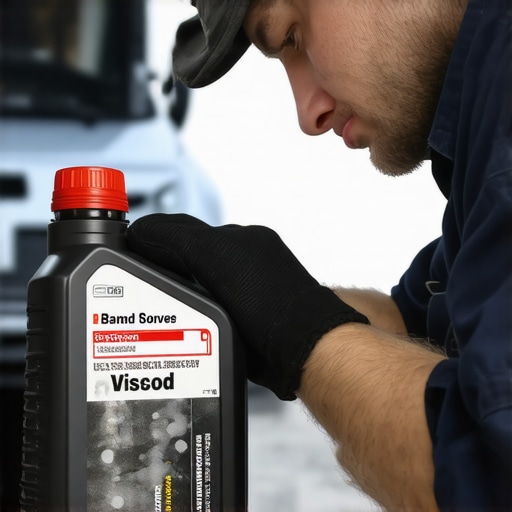
Oil change technology has advanced significantly. I prefer synthetic oils for their durability and efficiency, especially in colder climates. During my last visit, my mechanic explained how high-quality oil reduces engine wear and improves fuel economy. For more insights, I refer to top-rated oil change and brake service recommendations.

What Does the Future Hold for Car Maintenance?

Will Automated Diagnostics Replace Traditional Checks?

This question often crosses my mind. With the rise of vehicle diagnostics technology, I see a future where cars can self-report issues before they become serious. According to industry experts, automated systems will play a pivotal role in maintaining vehicle safety and reliability.

If you’re like me, eager to stay ahead of car maintenance, I encourage you to share your experiences or ask questions below. Staying informed and proactive makes a real difference in ensuring safety and vehicle longevity.

How Can Advanced Diagnostics Transform Your Vehicle Maintenance Routine?

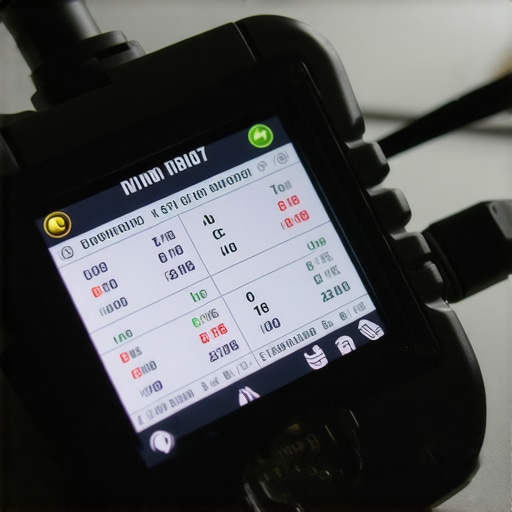
In an era where technology rapidly advances, the integration of sophisticated diagnostic tools has revolutionized vehicle maintenance. Modern diagnostic systems, including OBD-II scanners and AI-powered diagnostics, enable mechanics—and even car owners—to identify issues before they escalate. This proactive approach not only saves money but also enhances safety by preventing breakdowns on the road. For those interested in staying ahead, exploring how these diagnostic innovations work can be incredibly beneficial. According to industry leaders, these systems will become even more intuitive and integrated into vehicle systems by 2025, making maintenance more efficient and precise.

Are Automated Diagnostics Replacing Traditional Inspection Methods?

Many experts believe that automated diagnostics will soon complement or even replace traditional vehicle inspections. These systems can continuously monitor engine health, brake functionality, tire pressure, and more, providing real-time alerts via smartphone apps or vehicle dashboards. This shift requires a nuanced understanding of the technology, but the benefits are clear: early detection of potential problems, reduced downtime, and extended vehicle lifespan. For detailed strategies on leveraging these advanced diagnostics, check out expert auto repair strategies.

Implementing Smart Maintenance: Practical Tips for 2025

Integrating smart diagnostics into your maintenance routine involves more than just technology; it requires a strategic approach. Regularly updating your vehicle’s software, understanding diagnostic codes, and scheduling preventive maintenance based on real-time data are key practices. Additionally, partnering with mechanics who are trained in the latest diagnostic tools ensures you get the most accurate assessments. For instance, staying informed about reliable vehicle diagnostics tips can make all the difference in maintaining optimal performance.

Why Staying Educated on Diagnostic Innovations Matters

As vehicle technology evolves, so does the importance of continuous education. Knowing how to interpret diagnostic outputs and understanding the implications of various alerts empower you to make smarter decisions about repairs and maintenance. Engaging with resources like industry blogs, forums, or workshops provided by trusted mechanics can deepen your understanding. This proactive knowledge not only safeguards your investment but also enhances your confidence as a responsible vehicle owner.

If you’ve experienced the benefits of modern diagnostics firsthand or have questions about integrating new tools into your maintenance routine, I invite you to share your insights or ask for advice below. Staying informed is the best way to ensure your vehicle remains safe, reliable, and efficient in 2025 and beyond.

Unlocking the Power of Smart Diagnostics: A Personal Reflection

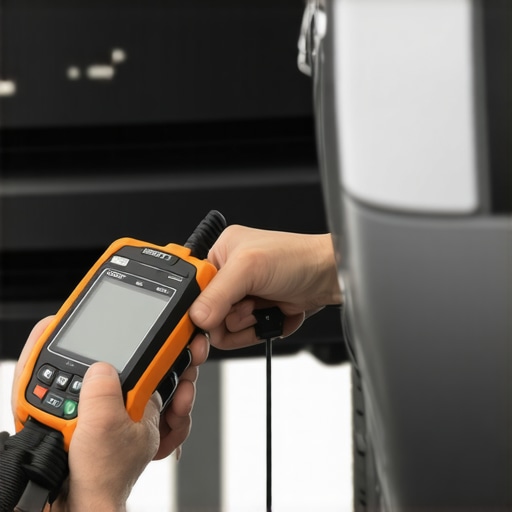
Over the years, my approach to car maintenance has evolved from routine oil changes to embracing cutting-edge diagnostic technologies. I vividly remember the first time I used an OBD-II scanner myself; it was a revelation that transformed my understanding of vehicle health. This hands-on experience sparked a deeper appreciation for how diagnostics can proactively identify issues before they escalate, ultimately saving time and money.

Why I Believe Diagnostics Are the Future of Reliable Vehicle Maintenance

Modern vehicles are increasingly integrated with complex electronic systems, making traditional inspection methods less sufficient. Automated diagnostics, powered by AI and sophisticated sensors, provide real-time data that empowers me to make informed decisions. For instance, I now regularly monitor my vehicle’s health through dedicated apps that sync with diagnostic tools, making maintenance more predictable and less stressful. Industry reports, such as industry experts, predict that these systems will become standard practice by 2025, revolutionizing how we care for our cars.

How This Technology Has Changed My Maintenance Routine

Integrating diagnostic tools into my routine has made a tangible difference. I now schedule preventive checks based on data insights, rather than waiting for warning lights or unusual symptoms. This proactive stance has minimized unexpected breakdowns and extended my vehicle’s lifespan. Additionally, I’ve learned to interpret diagnostic codes, which has given me confidence during visits to the mechanic, allowing for more precise and efficient repairs. For those interested in adopting similar practices, exploring reliable diagnostic tips at vehicle diagnostics maintenance tips can be very beneficial.

What Are the Nuanced Challenges of Relying on Automated Diagnostics?

Can Automated Systems Truly Replace Human Expertise?

This question often lingers in my mind. While diagnostic machines excel at spotting anomalies, they sometimes lack the contextual judgment that experienced mechanics provide. For example, a sensor reading might suggest a minor issue, but understanding the broader vehicle history or environmental factors requires human insight. According to industry analysis, the most effective future approach combines automated diagnostics with skilled human interpretation, creating a synergy that ensures reliability.

Personally, I see this as an opportunity for vehicle owners to become more tech-savvy. Learning to interpret diagnostic outputs and understanding their limitations can significantly enhance maintenance outcomes. Engaging with online communities and resources, such as expert blogs, can foster this knowledge, empowering us to be active participants in our car’s health rather than passive recipients of service.

How to Strategically Incorporate Diagnostics into Your Maintenance Routine

Practical integration involves more than just possessing diagnostic tools; it requires strategic planning. Regularly updating your vehicle’s software, understanding diagnostic codes, and maintaining a relationship with a mechanic who values technological advancements are key. For example, I schedule quarterly diagnostics to catch potential issues early, aligning with tips from auto repair efficiency tips. This disciplined approach helps me maintain optimal vehicle performance and peace of mind.

The Significance of Staying Informed on Diagnostic Innovations

As vehicle technology advances rapidly, continuous education becomes crucial. Participating in workshops, reading industry updates, and engaging with online forums enhance my understanding of diagnostics and repair strategies. This ongoing learning not only safeguards my investment but also builds confidence in managing my vehicle proactively. If you’ve experienced the benefits or have questions about diagnostics, I invite you to share your insights below. Together, we can navigate the exciting landscape of smart car maintenance and ensure our vehicles serve us reliably well into 2025 and beyond.

The Nuanced Role of Diagnostic Data in Modern Vehicle Maintenance

As I delved deeper into the intricacies of vehicle diagnostics, I realized that raw data alone isn’t sufficient. The true power lies in interpreting diagnostic outputs within the context of vehicle history, environmental conditions, and driving patterns. This layered understanding transforms diagnostics from simple alert systems into comprehensive maintenance strategists. For example, a fluctuating sensor reading might indicate a minor issue, but understanding the broader context—such as recent weather changes or previous repairs—can prevent unnecessary part replacements and optimize repair timelines. Industry analysis from industry experts underscores the importance of integrating contextual insights with automated diagnostics for superior reliability.

How Can Vehicle Owners Leverage AI-Driven Diagnostics for Proactive Maintenance?

Integrating AI-powered diagnostics into my routine has been transformative. These systems analyze vast datasets, recognize patterns, and predict potential failures before warning lights illuminate. For instance, I use apps that sync with my vehicle’s diagnostic port, providing real-time health reports and maintenance suggestions. This proactive approach minimizes unexpected breakdowns and extends my car’s lifespan. Moreover, AI-driven diagnostics can tailor maintenance schedules based on individual driving habits, climate, and usage patterns, making each service more targeted and efficient. To explore how to harness these innovations, I recommend reviewing top-rated diagnostic tips.

What Are the Limitations and Ethical Considerations of Relying on Automated Vehicle Diagnostics?

While the benefits are substantial, relying solely on automated diagnostics presents challenges. These systems might misinterpret sensor data or overlook nuanced issues that only a seasoned mechanic can detect. Additionally, data privacy concerns arise as vehicle health data becomes increasingly granular and shared across networks. Ensuring that diagnostic tools adhere to strict data protection standards is crucial. From an ethical standpoint, empowering vehicle owners with comprehensive understanding without overwhelming them with technical jargon is vital. Industry insights suggest that a hybrid model—where automation assists but doesn’t replace human expertise—will be the most sustainable approach for 2025 and beyond. For a deeper dive into these challenges, see auto repair strategies.

How Do Continuous Education and Community Engagement Enhance Diagnostic Utilization?

Staying abreast of technological advancements requires ongoing learning. Participating in online forums, workshops, and reading industry publications equips me with the latest diagnostic techniques and troubleshooting strategies. Engaging with communities of enthusiasts and professionals fosters shared knowledge, which often leads to innovative solutions and early adoption of emerging tools. For example, I regularly review maintenance tips that help me optimize my diagnostic practices. This continuous education not only improves my vehicle’s reliability but also enhances my confidence as a proactive owner, ready to tackle future challenges with informed insights.

How Can Personal Experiences With Diagnostics Inspire Broader Innovation?

My journey with diagnostic tools has been filled with moments of revelation—like when I accurately interpreted a diagnostic code that saved me from costly repairs. Sharing these experiences inspires others to explore diagnostic technologies beyond basic use. Personal success stories can catalyze community-driven innovations, pushing manufacturers to develop more user-friendly interfaces and smarter algorithms. If you’ve experienced similar breakthroughs or are curious about integrating diagnostics into your routine, I encourage you to share your insights and questions below. Together, through collective knowledge, we can shape the future of reliable, tech-enhanced vehicle maintenance.

Things I Wish I Knew Earlier (or You Might Find Surprising)

Hidden Power of Diagnostics

Looking back, I realize how much I underestimated the potential of vehicle diagnostics. Early on, I thought it was just for mechanics, but now I see it as a game-changer for anyone interested in proactive car care. My first experience using an OBD-II scanner was eye-opening—it empowered me to understand my car’s health without being a tech expert.

AI as a Personal Mechanic

Honestly, integrating AI-driven diagnostics has been like having a personal mechanic in my pocket. The ability to get real-time updates and maintenance suggestions based on my driving habits has saved me from unexpected breakdowns and costly repairs. It’s a level of convenience I never imagined possible a few years ago.

Limitations of Automation

While I love the tech, I’ve learned that automated systems are not infallible. Sometimes, they misinterpret data or miss nuances that only a seasoned mechanic can catch. This has taught me the importance of balancing automation with human expertise, especially for complex issues.

Continuous Learning

Staying informed about diagnostics and vehicle technology has become a hobby of mine. Engaging with online forums and reading industry updates helps me make smarter decisions about my car maintenance routine. This ongoing education keeps me confident and prepared for future innovations.

Resources I’ve Come to Trust Over Time

  • Industry Experts on Vehicle Diagnostics: Their insights on AI and automated diagnostics have deepened my understanding and helped me implement smarter maintenance strategies. I highly recommend exploring industry expert strategies.
  • Online Automotive Forums: Communities like Reddit’s r/MechanicAdvice offer real-world experiences and troubleshooting tips that are invaluable for DIY diagnostics.
  • Manufacturer Resources: Car brands’ official tech support pages provide detailed guides on diagnostic tools compatible with specific models, ensuring accurate and safe use.
  • Educational Workshops: Local car clubs and workshops help me learn hands-on diagnostic techniques that complement my digital tools.

Parting Thoughts from My Perspective

Reflecting on my journey with vehicle diagnostics, I realize how much this technology has transformed my approach to car maintenance. Embracing AI-powered tools and continuous learning has made me more confident and proactive, ultimately saving money and enhancing safety. If you’re curious about integrating diagnostics into your routine, I encourage you to explore these tools and resources. Staying informed and adaptable is key to ensuring your vehicle remains reliable and safe in 2025 and beyond. If this resonated with you, I’d love to hear your thoughts—feel free to share your experiences or ask questions below. Happy driving!

More Details
Nov 5, 2025
Vehicle Diagnostics & Auto Repair: Top Tips for 2025 Reliability

My Journey into Vehicle Diagnostics and Auto Repair

As a car enthusiast and someone who relies heavily on my vehicle for daily commuting, I’ve learned that staying ahead of potential issues is crucial for peace of mind. A few years ago, I faced a sudden engine trouble that left me stranded. That experience ignited my passion for understanding vehicle diagnostics and auto repair, especially as technology continues to evolve rapidly in 2025.

Why Reliable Vehicle Diagnostics Are a Game Changer

One thing I’ve discovered is that modern vehicle diagnostics go beyond basic checkups. With the integration of advanced sensors and onboard computers, diagnosing problems has become more precise. For instance, I now use diagnostic tools that connect to my car’s OBD-II port to identify issues early, saving me from costly repairs. For those interested, I found an excellent resource on auto repair tips for reliable vehicle maintenance.

Top Tips for Auto Repairs in 2025: Staying Ahead of the Curve

In my experience, regular maintenance like oil changes, brake inspections, and tire rotations are essential. However, with vehicles becoming more sophisticated, I now prioritize routine vehicle diagnostics to catch issues early. For example, I recently upgraded my brake system based on diagnostic insights, which greatly improved my car’s safety and performance.

How Do I Keep Up with Auto Repair Innovations?

Is it worth investing in the latest diagnostic tools and training?

Absolutely! I’ve found that owning a professional-grade diagnostic scanner helps me understand my car better. Plus, many auto repair shops now use advanced systems that can pinpoint problems faster and more accurately. Staying informed through reputable sources like expert vehicle diagnostics has also been invaluable.

Sharing experiences and tips with fellow car enthusiasts has been another way I stay current. The automotive industry is shifting rapidly, and embracing new diagnostic and repair strategies ensures I keep my vehicle reliable for years to come.

Ready to Dive Deeper into Vehicle Care?

If you’re as passionate about vehicle diagnostics and auto repair as I am, I invite you to comment below with your experiences or questions. Together, we can navigate the evolving landscape of automotive technology and maintenance for a safer, more reliable driving future.

Harnessing the Power of AI in Modern Vehicle Diagnostics

As automotive technology advances, artificial intelligence (AI) is becoming an integral part of vehicle diagnostics. AI-powered diagnostic tools analyze vast amounts of data from onboard sensors and historical repair records to predict potential failures before they manifest. This proactive approach not only enhances safety but also reduces repair costs. For example, some systems can now forecast brake system wear well in advance, prompting timely maintenance.

Integrating IoT for Continuous Vehicle Monitoring

Internet of Things (IoT) devices enable real-time monitoring of vehicle health, transmitting data directly to repair shops or even to the vehicle owner via smartphones. This continuous feedback loop allows for dynamic diagnostics, enabling repairs or adjustments without the vehicle needing to visit the shop physically. This shift toward remote diagnostics is exemplified in advanced fleet management systems, which monitor hundreds of vehicles simultaneously.

What Are the Practical Implications of These Technologies for Everyday Drivers?

For the everyday driver, understanding and leveraging these innovations means fewer unexpected breakdowns and more efficient maintenance schedules. Investing in vehicles equipped with these diagnostic capabilities can be a game-changer, especially for fleet operators or those relying heavily on their cars for daily work. Moreover, learning how to interpret diagnostic reports can empower owners to make informed decisions about repairs and maintenance.

How Can Auto Enthusiasts Stay Ahead with Evolving Diagnostic Technologies?

Staying updated with the latest diagnostic tools and training is essential. Many automotive courses now include modules on AI and IoT integration, preparing technicians and enthusiasts for the future of auto repair. Additionally, reputable sources like expert vehicle diagnostics provide valuable insights into emerging trends and best practices.

Sharing insights through online forums and workshops also fosters a community of knowledgeable car owners and technicians who can troubleshoot complex issues more effectively. These collaborative efforts help demystify advanced diagnostics, making sophisticated repair strategies accessible to more people.

Why Is Embracing These Innovations Essential for Reliable Vehicle Maintenance?

Integrating advanced diagnostics into routine maintenance ensures your vehicle remains reliable and safe. For instance, early detection of subtle issues like minor fluid leaks or sensor malfunctions can prevent major repairs down the line. This proactive approach aligns with the broader industry shift toward sustainable, cost-effective vehicle care, emphasizing longevity and safety.

If you want to explore more about how cutting-edge diagnostics can elevate your vehicle maintenance routine, I encourage you to share your experiences or questions in the comments below. Connecting with others on this journey helps us stay informed and prepared for the auto repair innovations of tomorrow.

Embracing the Future: My Deep Dive into Vehicle Diagnostics

Over the years, I’ve come to realize that the world of auto repair is constantly evolving, especially with the rapid integration of AI and IoT technologies. My personal experience with diagnosing a seemingly minor sensor malfunction turned out to be a pivotal moment. It inspired me to explore beyond traditional methods and truly understand the nuances of modern diagnostic tools. I remember the first time I used an AI-powered diagnostic scanner—its ability to analyze data trends and predict potential failures was nothing short of revolutionary. This experience made me appreciate how these innovations can preempt costly repairs and enhance safety.

The Complexity Beneath the Surface: Advanced Diagnostics and Their Nuances

Modern vehicle diagnostics are no longer just about reading error codes. They’re about interpreting complex data streams, understanding sensor interdependencies, and recognizing subtle signs of wear that are invisible to the naked eye. For instance, I recently discovered that some diagnostic systems can forecast brake system deterioration well before any visual cues appear. This proactive insight allows for timely maintenance, reducing downtime and preventing accidents. To stay ahead, I regularly update my knowledge through authoritative sources like expert vehicle diagnostics and participate in online forums where seasoned technicians share real-world experiences.

Person operating high-tech car diagnostic equipment in a workshop.

The integration of AI and IoT in diagnostics is like having a personal auto doctor that constantly monitors your vehicle’s health, alerting you to issues before they escalate. However, mastering these tools requires a nuanced understanding of both the technology and the vehicle’s mechanical intricacies. It’s a learning curve that I’ve embraced wholeheartedly, knowing that it empowers me to maintain my car with confidence and precision.

Deep Questions: What Makes Diagnostic Precision Truly Effective?

How do I navigate the fine line between over-reliance on technology and intuitive auto repair skills?

This has been a thoughtful challenge. While advanced diagnostics provide invaluable insights, I believe the real skill lies in interpreting these signals correctly. Over-reliance can lead to unnecessary repairs or missed underlying issues if one isn’t cautious. I balance this by combining diagnostic data with hands-on experience and mechanical intuition—skills honed over years of tinkering and learning. For example, when diagnostics indicate a sensor malfunction, I still perform a physical inspection to confirm the data, ensuring I don’t replace parts unnecessarily. This holistic approach has proven essential in maintaining reliability and safety in my vehicle.

Moreover, staying informed through comprehensive guides like auto repair tips helps me interpret complex diagnostic outputs more effectively. The key is continuous learning and cautious application of technology—embracing innovation without losing sight of practical, mechanical fundamentals.

Inviting Your Experiences and Future Exploration

If you’ve ventured into the realm of advanced vehicle diagnostics, I’d love to hear your stories. Have you integrated AI or IoT devices into your maintenance routine? What challenges or surprises have you encountered? Sharing our experiences enriches our collective understanding and keeps us motivated to explore new frontiers in auto care. Feel free to comment below or explore more about how these innovations can elevate your vehicle’s reliability and safety.

Harnessing Deep Learning for Predictive Maintenance

One of the most transformative developments in vehicle diagnostics is the integration of deep learning algorithms. These systems analyze complex datasets from onboard sensors, historical repair records, and driving patterns to forecast potential failures with remarkable accuracy. For example, predictive analytics can now identify subtle signs of engine wear or transmission issues long before symptoms manifest, enabling preemptive repairs that save both time and money. I recently explored how deep learning models, like convolutional neural networks, are being embedded into diagnostic tools, vastly improving their predictive capabilities.

The Nuances of Sensor Interdependence and Data Fusion

Modern vehicles are equipped with a web of interconnected sensors, each providing vital data streams. Understanding how to interpret sensor interdependencies is critical for accurate diagnostics. Data fusion techniques compile information from multiple sources—such as ABS sensors, engine control units, and tire pressure monitors—to create a comprehensive vehicle health profile. For instance, a slight discrepancy between wheel speed sensors and brake system feedback might indicate early signs of brake pad wear or sensor malfunction. Mastering these nuances allows me to perform diagnostics with a high degree of confidence, reducing false positives and unnecessary repairs.

What Are the Limitations of Current AI-Driven Diagnostics?

Can AI truly replace seasoned technicians in complex repair scenarios?

This question resonates deeply with my experience. While AI-powered diagnostic tools excel at processing vast datasets and identifying patterns, they lack the contextual understanding and tactile skills that seasoned technicians bring to complex repairs. For example, a stubborn engine misfire might require not just data analysis but also hands-on troubleshooting—checking fuel injectors, spark plugs, and wiring harnesses. According to a detailed report by expert vehicle diagnostics, the most effective auto repair strategies blend advanced technology with human expertise, emphasizing a symbiotic relationship rather than replacement.

If you’re eager to elevate your diagnostic skills with cutting-edge insights, I invite you to share your experiences or questions. Engaging with these innovations can revolutionize how we approach vehicle maintenance, making it more precise and proactive.

The Future of Vehicle Maintenance: Integration of AI and IoT Ecosystems

As vehicles become more connected, IoT devices continuously transmit data to cloud-based diagnostic platforms. This ecosystem enables real-time monitoring and remote troubleshooting. Fleet operators, for instance, benefit from centralized dashboards that alert managers to vehicles exhibiting early signs of brake wear or fluid leaks, allowing scheduled interventions instead of reactive repairs. These advancements foster a shift toward predictive maintenance models that optimize vehicle uptime and safety.

How Do These Technologies Impact Daily Drivers?

For the everyday driver, understanding and leveraging AI and IoT can lead to safer, more reliable journeys. Smart diagnostic alerts can notify owners of impending issues via smartphone apps, prompting timely maintenance—such as oil changes or brake inspections—based on actual vehicle condition rather than fixed schedules. This personalized approach not only extends vehicle lifespan but also enhances safety margins.

Embracing Continuous Learning and Community Engagement

To stay ahead in this rapidly evolving landscape, I actively participate in online forums, attend seminars, and subscribe to authoritative publications. Sharing insights with fellow enthusiasts and professionals fosters a deeper understanding of emerging diagnostic tools and repair strategies. Engaging with a community passionate about automotive technology ensures I remain informed and adaptable, ready to implement innovative solutions in my vehicle maintenance routine.

Things I Wish I Knew Earlier (or You Might Find Surprising)

The Complexity Beneath the Surface

One thing that caught me off guard was just how interconnected modern vehicle sensors are. When I first started using diagnostic tools, I thought error codes were straightforward, but I soon realized that interpreting sensor interdependencies requires a nuanced understanding. For example, a slight discrepancy between wheel speed sensors and brake feedback can indicate early wear or sensor issues—an insight that can save you from costly repairs.

Over-Reliance on Technology

I used to depend heavily on diagnostic scanners, but I learned the importance of combining data with hands-on inspections. Relying solely on tech can sometimes lead to unnecessary part replacements; a physical check often confirms or refutes what the diagnostics suggest. This balance between intuition and technology has been key to maintaining my vehicle’s reliability.

The Power of Predictive Analytics

Deep learning algorithms are revolutionizing vehicle diagnostics, allowing us to predict failures before they happen. I was amazed when my diagnostic system forecasted brake wear weeks in advance, giving me time to plan maintenance. Embracing these advanced tools has genuinely extended my car’s lifespan and improved safety.

Sensor Interdependence and Data Fusion

Understanding how multiple sensors work together is crucial. Data fusion combines information from various sources—like engine control units and tire pressure monitors—to create a comprehensive health profile. This holistic view helps catch issues early and reduces false alarms, making diagnostics more accurate and trustworthy.

Limitations of AI and Automation

While AI excels at pattern recognition, it can’t replace seasoned technicians in complex scenarios. For stubborn misfires or mechanical issues requiring tactile troubleshooting, human expertise is irreplaceable. The best approach combines AI insights with hands-on skills for truly effective repairs.

Community and Continuous Learning

Staying updated through online forums, seminars, and trusted sources like expert vehicle diagnostics has been invaluable. Sharing experiences with fellow enthusiasts keeps me informed about emerging trends and innovative repair strategies, enriching my understanding.

Resources I’ve Come to Trust Over Time

  • RepairMyCarPro: This site offers comprehensive guides on vehicle diagnostics and auto repair strategies, helping me stay informed on the latest tools and techniques.
  • Automotive News & Journals: Reputable industry publications provide updates on AI, IoT, and predictive maintenance trends, ensuring I’m always in the loop.
  • Manufacturer Manuals: Official documents from car brands give detailed insights into sensor functions and diagnostic procedures, which are crucial for accurate troubleshooting.

Parting Thoughts from My Perspective

Reflecting on my journey, I realize that embracing advanced diagnostics—like AI and IoT—has profoundly changed how I maintain my vehicle. These tools offer incredible insights, but the real magic happens when I combine them with mechanical intuition and continuous learning. For anyone passionate about reliable vehicle maintenance, staying curious and informed is the key to harnessing these innovations effectively. If this resonated with you, I’d love to hear your thoughts or experiences with modern vehicle diagnostics. Sharing our stories helps us all navigate the exciting future of auto repair with confidence.

More Details
Nov 4, 2025
Oil Change & Brake Service Guide for Safer Driving in 2025

My First Experience with Preventative Car Maintenance

I still remember the day I decided to finally pay attention to my car’s health. It was a chilly morning in early 2025 when I noticed my vehicle was making strange noises. That moment sparked my curiosity and made me realize how crucial proper maintenance is for safety and reliability. Since then, I’ve learned a lot about the importance of regular oil changes and brake services to ensure safer driving.

Why I Became a Fan of Regular Oil Changes

As I delved deeper, I discovered that consistent oil changes are the backbone of engine health. Dirty or old oil can lead to engine wear and even breakdowns. I started following expert advice, like that found here, to stay ahead of potential issues. Now, I schedule oil changes every 5,000 miles, which helps my engine run smoothly and efficiently.

How Brake Service Became My Priority

One of the most eye-opening moments was a near-miss on a rainy day, which made me realize how vital effective brake maintenance is. I learned that modern brake systems require regular inspections and timely replacements to prevent accidents. I now trust services described in this comprehensive guide to keep my brakes in top shape. It’s a simple step that significantly boosts safety for me and my loved ones.

What Are the Critical Signs That I Should Check My Brakes?

Have I noticed any squealing or decreased braking performance?

These signs often indicate that brake pads are wearing out and need replacement. Ignoring them could lead to more costly repairs or dangerous driving conditions. I now make it a habit to listen and feel for these symptoms, ensuring I stay safe on the road.

Sharing My Tips for Maintaining Vehicle Safety

Beyond oil and brake service, I also keep an eye on tire pressure, fluid levels, and overall vehicle health. Regular diagnostics, like those discussed here, help me catch potential problems early. Trust me, staying proactive reduces stress and keeps my car running reliably.

What about you? Have you prioritized your vehicle’s safety this year? Feel free to share your experiences or ask questions below—I love exchanging tips with fellow drivers committed to safer roads!

Mastering the Art of Brake System Maintenance: What Every Driver Should Know in 2025

As vehicle technology advances, so does the complexity of maintaining a reliable brake system. Modern brakes are more efficient but require meticulous care to ensure optimal performance. Regular inspections, detailed in this expert guide, are crucial to avoid sudden failures that could jeopardize safety. From checking brake fluid levels to assessing pad wear, understanding these nuances can dramatically extend the lifespan of your brake components and keep you safe on the road.

Are Sensor-Driven Brakes the Future of Safe Driving?

One of the most exciting developments in brake technology is the integration of sensor systems that monitor brake performance in real-time. These systems can alert drivers to impending wear or failure before symptoms become critical, aligning with the broader trend of smart vehicle diagnostics discussed here. As an expert, I see these innovations as game changers, especially for long-distance travelers and fleet managers seeking to minimize downtime and ensure safety. Investing in vehicles equipped with such technology can be a smart move for future-proofing your driving experience.

How Can I Detect Early Signs of Brake System Deterioration?

Early detection is key to preventing costly repairs or accidents. Common indicators include a soft or spongy brake pedal, unusual noises like squealing or grinding, and vibrations during braking. Regularly inspecting your brake pads and rotors, especially after harsh driving conditions, helps identify issues before they escalate. Remember, proactive maintenance reduces the risk of sudden brake failure and enhances overall vehicle safety.

Integrating Brake Care into Your Routine Vehicle Maintenance

Beyond the brakes themselves, holistic vehicle maintenance—such as ensuring proper tire alignment, fluid levels, and timely diagnostics—supports brake system longevity. Resources like this guide emphasize the importance of a comprehensive approach, emphasizing that every component plays a role in safety. Moreover, staying updated with the latest repair strategies ensures you are equipped to handle emerging vehicle technologies effectively.

If you’re eager to deepen your understanding of vehicle diagnostics and maintenance strategies, I recommend exploring this resource. It offers valuable insights into how professional diagnostics can prevent breakdowns and ensure consistent performance.

How do you stay ahead of vehicle maintenance trends and technology? Share your experiences or ask questions below—I’m always excited to exchange expert tips that keep us all safer on the road!

Delving Deeper into Brake System Nuances: A Personal Reflection on Advanced Maintenance

Over the years, my approach to brake maintenance has evolved from simple pad replacements to understanding the intricate dance of sensors, fluid dynamics, and software integrations that modern vehicles now demand. It’s fascinating how technology has transformed a once straightforward task into a complex, yet rewarding, mechanic’s puzzle. I’ve come to appreciate that every squeal, vibration, or softness in pedal feel can point to a spectrum of underlying issues—sometimes as subtle as a sensor misalignment or as critical as fluid contamination.

What Are the Hidden Layers of Modern Brake Diagnostics?

From my personal experience, leveraging advanced diagnostic tools has been a game changer. Devices like this resource highlight that integrating sensor data with traditional inspection methods allows for predictive maintenance—catching problems before they manifest as failures. For instance, when I noticed my vehicle’s brake warning light flickering unexpectedly, a quick scan revealed a sensor calibration drift rather than worn pads. This proactive approach saved me both money and potential safety hazards.

How Can I Balance Traditional and Innovative Maintenance Techniques?

Balancing these methods requires a nuanced understanding of your vehicle’s age, technology level, and driving habits. I’ve found that sticking to routine visual inspections and fluid checks remains vital, but supplementing these with data-driven diagnostics offers a more comprehensive safety net. It’s like having a trusted mechanic’s intuition fused with the precision of modern tech—an approach I believe will define the future of vehicle care. For those eager to explore this synergy, resources like this guide provide invaluable insights into integrating traditional and cutting-edge techniques.

How Do I Prepare My Vehicle for the Transition to Sensor-Driven Brakes?

Transitioning involves not only understanding the new components but also developing a mindset that embraces continuous learning. Ensuring your vehicle’s software is up-to-date, regularly inspecting sensor clusters, and understanding diagnostic reports are essential steps. I’ve started scheduling periodic software updates and sensor calibrations alongside physical inspections—an investment that pays off in peace of mind and safety. It’s a fascinating journey into the future of vehicle maintenance, where manual skills meet digital intelligence.

If you’re contemplating how to adapt your maintenance routines or want to share your experiences with sensor-driven systems, I encourage you to comment below. Let’s learn from each other’s journeys into this evolving landscape of auto care.

Unveiling the Layers of Modern Brake Technology

As I delve deeper into the intricacies of contemporary brake systems, I realize that their maintenance has transcended traditional practices, embracing a fusion of hardware expertise and sophisticated diagnostics. Modern vehicles incorporate sensor arrays, electronic control units, and adaptive systems that demand a nuanced understanding. Regularly updating diagnostic software and calibrating sensor clusters are now as vital as inspecting brake pads and rotors. This holistic approach ensures that the vehicle’s safety net remains intact amidst technological evolution.

The Critical Role of Predictive Diagnostics

One of the most transformative shifts I’ve experienced is the shift from reactive to predictive maintenance. Advanced diagnostic tools, such as this resource, enable me to interpret sensor data to forecast potential failures before they manifest. For example, subtle fluctuations in sensor readings can hint at calibration drifts or early-stage component wear, allowing preemptive interventions that save time and money.

Balancing Tradition with Innovation in Maintenance Routines

The challenge lies in harmonizing time-tested manual inspections with cutting-edge diagnostic technology. I’ve adopted a dual approach: routine visual inspections, fluid level checks, and physical component assessments complemented by real-time data analysis. This synergy creates a comprehensive safety framework. For those eager to deepen their technical expertise, resources like this guide serve as invaluable references for integrating traditional and modern practices.

Preparing for the Future: Sensor-Driven Brake Systems

Transitioning to sensor-driven brakes involves more than just hardware upgrades; it demands a mindset shift. Ensuring software is current, understanding diagnostic reports, and scheduling regular sensor calibrations are critical steps. I’ve begun implementing periodic software updates and sensor checks, which have significantly enhanced my confidence in the system’s reliability. This proactive stance is essential as vehicles become increasingly intelligent and interconnected.

How Can Enthusiasts and Professionals Collaborate to Master These Technologies?

Engaging with industry forums, participating in training sessions, and sharing real-world experiences are pathways to mastery. I encourage fellow enthusiasts to explore resources like this resource that bridges the gap between manual expertise and digital diagnostics. Together, we can foster a community of informed drivers and technicians capable of navigating the complexities of 2025’s automotive landscape.

Things I Wish I Knew Earlier (or You Might Find Surprising)

Hidden Dangers of Ignoring Small Signs

One thing I learned the hard way is that tiny squeaks or vibrations in your brakes shouldn’t be ignored. They can be early warning signs of bigger issues, and catching them early can save you a lot of money and stress down the line. It’s like your car’s way of telling you to pay attention before things get serious.

The Power of Regular Diagnostics

Utilizing diagnostic tools regularly has been a game changer for me. They can identify sensor misalignments or fluid issues long before they turn into costly repairs. I’ve started scheduling these checks alongside my routine maintenance, which keeps my vehicle running smoothly and safely.

Myths About Oil Changes Debunked

I used to believe that I could stretch oil changes to every 10,000 miles without consequences. After digging into trusted resources, I realized that sticking to recommended intervals, like 5,000 miles, really benefits engine longevity and performance. It’s a small investment for peace of mind.

Sensor Technology Is the Future

I’m fascinated by how sensor-driven brake systems can alert you to issues before they become dangerous. Learning about this tech made me more confident in my vehicle’s safety features and motivated me to keep up with software updates and calibrations.

Holistic Approach Matters

Combining traditional inspections with modern diagnostic techniques has improved my maintenance routine. It’s like having a personal mechanic who’s always watching out for potential problems from multiple angles. This comprehensive approach has given me peace of mind on the road.

Resources I’ve Come to Trust Over Time

  • Auto Repair Diagnostics by Vehicle Diagnostics: This resource helped me understand how to interpret sensor data and perform predictive maintenance. It’s an invaluable guide for anyone looking to deepen their understanding of vehicle health.
  • Ultimate Brake Service Guide by RepairMyCarPro: A comprehensive look at modern brake systems, including sensor integration and maintenance strategies. I’ve found it essential for keeping my brakes in top shape.
  • Best Oil Change Strategies for 2025 by RepairMyCarPro: Offers practical advice on oil change intervals and techniques to ensure engine reliability. It changed my approach to vehicle care.

Parting Thoughts from My Perspective

Reflecting on my journey with vehicle maintenance, I realize that staying proactive and embracing new technology can significantly enhance safety and reliability. Regular brake and oil checks aren’t just routine tasks—they’re investments in peace of mind. If this resonated with you, I’d love to hear your thoughts or experiences. Sharing knowledge helps us all stay safer on the road. Remember, your vehicle’s health is a reflection of how much you care about your safety and that of others—so don’t skip those small checks that keep you moving forward confidently.

More Details
Nov 4, 2025
Auto Repair Tips for Reliable Vehicle Maintenance in 2025

My First Encounter with Car Troubles and the Quest for Reliability

I’ll never forget the day my car unexpectedly sputtered on the highway. As someone who values dependable transportation, I knew I had to dive into effective auto repair tips to keep my vehicle in top shape. That experience sparked my commitment to understanding vehicle maintenance better, especially with the advancements in 2025 technology.

How Regular Diagnostics Transformed My Vehicle’s Performance

One of the most eye-opening lessons I learned was the importance of regular vehicle diagnostics. Using tools like diagnostic scanners, I discovered minor issues before they turned into costly repairs. This proactive approach aligns with current expert advice, emphasizing that early detection can save time and money while ensuring safety.

What Are the Best Auto Repair Strategies for 2025?

In my experience, staying updated with the latest strategies, such as brake service tips and oil change techniques, has made a huge difference. The key is to combine routine maintenance with the latest diagnostic tools and quality parts. For example, choosing the right oil, like synthetic blends, significantly extends engine life, which I learned from trusted sources like oil change guides.

Is It Worth Investing in High-Tech Auto Repair Tools?

How do modern tools improve vehicle reliability?

Absolutely! High-tech diagnostic devices and software help identify issues faster and more accurately. They also provide insights into complex systems that traditional tools can’t handle. Investing in these tools has empowered me to perform minor repairs myself, reducing reliance on costly mechanics, and increasing my vehicle’s longevity.

If you’re like me, always eager to learn and improve your car maintenance skills, I recommend exploring detailed guides and tutorials. I also encourage you to share your own auto repair experiences in the comments below—your insights might help someone else on their journey to reliable vehicle ownership.

Integrating Advanced Diagnostic Tools for Precision Repairs

In the ever-evolving landscape of auto repair, leveraging sophisticated diagnostic tools is no longer a luxury but a necessity. Modern scanners can interpret complex vehicle data, pinpointing issues in systems like ABS, transmission, and emissions with remarkable accuracy. As I delved deeper into vehicle diagnostics, I realized that understanding how to interpret these readings is crucial for effective repairs. This newfound knowledge empowers both DIY enthusiasts and professional mechanics to make informed decisions, ultimately enhancing vehicle reliability and safety.

The Nuances of Oil Selection in 2025

Choosing the right oil remains a cornerstone of vehicle health. However, the options have expanded significantly. Synthetic blends continue to offer excellent protection, but advancements have introduced tailored formulations for specific engine types and driving conditions. For instance, low-viscosity oils are optimized for fuel efficiency, while high-mileage oils contain additives that reduce engine wear. Consulting expert guides like oil change strategies can help determine the best choice for your vehicle’s unique needs, especially in the context of 2025’s technology.

How Can Proactive Maintenance Extend Vehicle Lifespan?

Proactive maintenance involves more than routine checks; it’s about anticipating potential failures before they occur. Regularly inspecting components like belts, hoses, and filters, combined with data from diagnostic scans, can prevent breakdowns and costly repairs. For example, monitoring coolant temperature and oil pressure readings can reveal early signs of engine stress. This approach aligns with expert advice from trusted sources, emphasizing that timely interventions significantly boost vehicle longevity and safety.

What Are the Key Considerations When Upgrading Auto Repair Tools?

Upgrading your toolkit with the latest diagnostic and repair equipment is an investment that pays dividends. When selecting tools, consider compatibility with current vehicle models and the breadth of systems they can analyze. Investing in versatile devices that connect via Bluetooth or Wi-Fi offers convenience and expanded diagnostic capabilities. Additionally, staying informed through reputable sources such as auto repair guides ensures your tools remain effective amidst rapidly advancing automotive technology.

If you’ve found these insights helpful, I encourage you to share your own auto repair experiences or questions in the comments below. For those eager to deepen their knowledge, exploring detailed tutorials on vehicle diagnostics can provide practical skills that make maintenance both rewarding and cost-effective.

Beyond the Basics: Navigating Complex Vehicle Diagnostics with Confidence

As I delved deeper into the world of auto repair, I realized that understanding complex diagnostic data is akin to learning a new language. Modern vehicles are equipped with intricate systems—like adaptive cruise control, advanced emission controls, and hybrid engine components—that demand a nuanced approach. Using cutting-edge diagnostic tools has been a game-changer, allowing me to interpret readings that once seemed indecipherable. This journey has underscored the importance of continuous learning, especially as vehicle technology becomes more sophisticated, pushing us to expand our technical vocabulary and troubleshooting skills.

Unveiling the Nuances of Oil Formulations in 2025: Personal Lessons Learned

Choosing the right oil isn’t just about synthetic versus conventional anymore; it’s about understanding formulations tailored for specific driving conditions and engine types. I’ve experimented with low-viscosity oils for city driving and high-mileage blends for older engines—each offering distinct benefits. Consulting authoritative sources like expert guides has helped me make informed decisions that extend engine life. These nuances highlight the importance of aligning oil choice with your vehicle’s unique needs, especially as advancements introduce more specialized options.

How Do I Balance DIY Repairs with Professional Maintenance in 2025?

This question has been central to my auto repair journey. While I enjoy tackling minor repairs—like replacing brake pads or changing oil—the complexity of newer vehicle systems often necessitates professional expertise. The key is knowing when to step back and seek specialized help. For instance, systems like ABS or hybrid batteries require precise calibration and diagnostic equipment. I’ve found that maintaining a good relationship with trusted mechanics and staying informed through reliable auto repair resources ensures my vehicle gets the right care without unnecessary risks. Sharing experiences with fellow enthusiasts in online forums also enriches my understanding and confidence in maintaining my vehicle responsibly.

What Are the Ethical and Practical Considerations of Upgrading Auto Repair Tools?

Investing in advanced diagnostic tools isn’t just about convenience; it also raises ethical questions regarding DIY repairs versus professional service. I’ve pondered whether possessing high-tech equipment might encourage overconfidence or lead to incomplete repairs if I lack sufficient knowledge. Practically, ensuring compatibility with my vehicle’s model and staying current with software updates is vital. I’ve learned from industry leaders that balancing technological empowerment with responsible practice is crucial—always prioritize safety and accuracy. For example, up-to-date repair guides emphasize that tools are only as good as the operator’s knowledge. Sharing insights and asking questions in community groups helps me navigate these ethical considerations thoughtfully.

Exploring the Future: How Will AI and Machine Learning Shape Auto Repairs?

The integration of AI and machine learning into auto repair is an exciting frontier. I foresee these technologies revolutionizing diagnostics by predicting potential failures before symptoms manifest. For instance, predictive analytics could analyze driving patterns and sensor data to alert owners of impending issues, saving time and money. Personally, I’m experimenting with AI-powered apps that interpret diagnostic codes and suggest repairs, which complements my hands-on approach. As industry experts predict, embracing these innovations will be essential for maintaining reliable, safe vehicles in the coming years. I encourage fellow enthusiasts to stay curious, explore new tools, and share their experiences—collective knowledge accelerates our learning curve and enhances our confidence in tackling complex repairs.

Deciphering Complex Vehicle Systems with AI-Driven Diagnostics

As vehicles become increasingly sophisticated, integrating AI and machine learning into diagnostic processes is transforming auto repair. These technologies enable predictive maintenance by analyzing vast datasets from vehicle sensors, predicting failures before symptoms appear. This not only enhances reliability but also minimizes downtime and repair costs. For example, AI algorithms can interpret diagnostic codes with greater accuracy, guiding precise interventions. Resources like industry-leading diagnostic insights underscore how AI is revolutionizing troubleshooting, making repairs more efficient and less invasive.

Refining Engine Longevity through Tailored Oil Formulations in 2025

Choosing the optimal engine oil today demands a nuanced understanding of formulation advancements. Low-viscosity oils, designed for fuel efficiency, are now supplemented by high-mileage variants embedded with special additives to combat engine wear and seal degradation. Furthermore, synthetic oils tailored for hybrid engines and turbocharged systems are becoming the norm. Through meticulous research and consultation with expert oil guides, I’ve learned that aligning oil type with driving conditions and engine specifications is essential for maximizing engine lifespan in 2025’s technological landscape.

How Can Deep Diagnostic Data Elevate DIY Repairs to Professional Standards?

Deep diagnostic data, including real-time sensor analytics and system health reports, enables DIY enthusiasts to perform repairs with professional precision. By leveraging advanced scan tools that interpret complex data streams, I’ve been able to identify underlying issues that traditional methods might overlook. This approach fosters confidence and competence, bridging the gap between amateur and expert repairs. Moreover, understanding the intricacies of systems like hybrid powertrains or advanced emission controls is now accessible through comprehensive tutorials and community-supported knowledge bases. For those eager to elevate their skillset, exploring deep diagnostic techniques is a worthwhile investment.

<High-tech vehicle diagnostic scanner analyzing complex car data in a modern garage>

The Ethical Dimension of High-Tech Auto Repair Tools

Investing in cutting-edge diagnostic equipment raises important ethical considerations regarding DIY autonomy versus professional accountability. While these tools empower vehicle owners to perform complex repairs, they also demand responsible usage to avoid incomplete or unsafe fixes. I advocate for a balanced approach—embracing technological empowerment while recognizing the limits of one’s expertise. Continuous education through reputable sources ensures that tools are used effectively and ethically, maintaining safety standards. Engaging with automotive communities and industry guidelines, such as trusted repair resources, helps navigate these ethical nuances responsibly.

Things I Wish I Knew Earlier (or You Might Find Surprising)

1. Diagnostics Are Your Best Friend

Early on, I underestimated how powerful modern diagnostic tools could be. Learning to interpret scanner data transformed my approach to maintenance, saving me money and headaches. It’s like giving your car a check-up before it shows signs of trouble.

2. Oil Choices Matter More Than I Thought

Switching from conventional to synthetic or high-mileage oils made a noticeable difference in engine smoothness and longevity. The nuances in formulations mean you can tailor your approach based on your driving habits and vehicle age.

3. Regular Maintenance Can Extend Your Car’s Life Significantly

Proactive checks on belts, hoses, and filters, combined with diagnostic insights, can prevent costly breakdowns. I’ve learned that prevention is always better than repair.

4. High-Tech Tools Are Worth the Investment

Investing in quality diagnostic equipment has empowered me to perform more repairs myself. It’s an upfront cost that pays off by reducing mechanic visits and increasing confidence in handling complex issues.

5. Complex Vehicle Systems Are Not Impossible to Understand

With the right resources, even hybrid or advanced emission systems become manageable. Continuous learning is key to keeping up with evolving automotive technology.

6. AI and Machine Learning Will Shape Future Repairs

Predictive analytics and AI diagnostics are becoming game-changers. Exploring these tools now can give you a head start in maintaining reliable vehicles in the future.

Resources I’ve Come to Trust Over Time

  • Repair My Car Pro: Their comprehensive guides on diagnostics and maintenance have been invaluable for understanding complex systems and staying updated with 2025 technology.
  • Automotive Industry Journals: Reading trusted publications keeps me informed about the latest advancements like AI integration and new oil formulations.
  • YouTube Tutorials from Certified Mechanics: Visual learning through expert tutorials helps me grasp practical repair techniques and troubleshooting tips effectively.

Parting Thoughts from My Perspective

Reflecting on my auto repair journey, I realize that embracing technology, staying proactive, and continuously learning are crucial to maintaining reliable vehicles in 2025. The landscape is evolving fast, but with the right tools and mindset, I believe anyone can keep their car running smoothly. If this resonated with you, I’d love to hear your thoughts or personal experiences—sharing knowledge makes us all better auto enthusiasts. Feel free to drop a comment or share this article with someone who might find it helpful.

More Details
Nov 3, 2025
Top Brake & Oil Change Advice for Safer Driving in 2025

My Unexpected Wake-Up Call on the Road

Last summer, I was cruising down the highway when suddenly, I felt my car pull to one side. It was a stark reminder that even the most reliable vehicles need regular maintenance. That day, I decided to take a deep dive into essential brake and oil change tips to ensure safety in 2025 and beyond.

Why I Started Paying Attention to My Car’s Heartbeat

As someone who loves road trips, I realize how crucial vehicle maintenance is. Regular oil changes and brake inspections are the backbone of safe driving. I discovered that neglecting these can lead to costly repairs or accidents. So, I began scheduling routine checks, especially focusing on the braking system and engine oil, as recommended by experts.

What Are the Top Oil Change & Brake Service Strategies for 2025?

In my quest for safer driving, I learned that modern vehicles benefit from innovative brake service tips and oil change strategies. These strategies include using high-quality synthetic oils and adopting proactive brake system diagnostics, which help prevent failures before they happen. I now make it a point to keep my vehicle aligned with these latest practices, ensuring optimal performance and safety.

How Can I Ensure My Brake System Is Ready for the Road?

One question I often ask myself is, “Is my brake system truly reliable?” To answer this, I follow top brake repair tips and regularly check for squeaks, vibrations, or soft pedals. These signs can indicate underlying issues that require professional attention. Remember, maintaining a healthy brake system isn’t just about safety; it’s about peace of mind during every drive.

What are some common misconceptions about vehicle maintenance that I’ve corrected?

Initially, I thought that changing oil once a year was enough. However, I learned that driving conditions and oil quality significantly influence maintenance schedules. According to authoritative sources, staying on top of diagnostics and timely oil changes can extend your vehicle’s lifespan and ensure safety.

If you’re like me, constantly seeking ways to improve your driving safety, I encourage you to share your experiences or ask questions below. Together, we can keep our journeys smooth and secure in 2025 and beyond!

Unlocking the Secrets of Precision Vehicle Maintenance in 2025

As automotive technology evolves, so do the best practices for maintaining your vehicle’s health. While routine oil changes and brake inspections remain foundational, experts now emphasize integrating advanced diagnostics and quality materials to extend vehicle lifespan and safety. For enthusiasts seeking to stay ahead, understanding these nuanced strategies is essential.

What Role Does Synthetic Oil Play in Modern Maintenance?

One of the most significant advancements in oil technology is the shift towards synthetic oils, which outperform conventional options in high-temperature stability and wear protection. According to a comprehensive review by auto repair experts, using synthetic oils can reduce engine wear by up to 50%, especially under demanding driving conditions. This means fewer oil changes, less engine stress, and improved fuel efficiency over time.

How Can Proactive Brake System Diagnostics Prevent Emergencies?

Beyond basic visual inspections, proactive diagnostics now leverage sensor data and predictive analytics. This approach detects early signs of wear—such as pad thickness reduction or rotor unevenness—before they compromise safety. Regularly utilizing advanced diagnostic tools, as recommended by top experts, can identify issues that standard checks might miss, ensuring your brakes are always ready for the road. For more detailed strategies, visit brake diagnostics insights.

Is There a Hidden Connection Between Oil Quality and Brake Performance?

Interestingly, high-quality engine oils can indirectly influence brake performance by maintaining engine efficiency, reducing heat buildup, and preventing breakdowns that might lead to emergency stops or failures. Maintaining both systems in tandem is crucial for overall vehicle safety, which is why expert advice advocates for an integrated approach to auto maintenance. To learn more about holistic vehicle care, explore vehicle diagnostics for optimal safety.

How can I incorporate these cutting-edge maintenance practices into my routine?

Start by scheduling regular diagnostics with certified professionals who utilize the latest technology. Prioritize synthetic oils and adhere to manufacturer-recommended oil change intervals, especially under extreme driving conditions. Additionally, stay vigilant for subtle signs of brake wear, such as squealing or vibrations, and seek professional assessment promptly. Sharing your experiences or asking for tailored advice can also help you navigate the complexities of modern vehicle maintenance effectively.

If this deep dive into advanced automotive care resonates with your commitment to safety, consider sharing your insights in the comments or suggesting topics like electric vehicle maintenance or hybrid system diagnostics for future articles. Staying informed and proactive is the key to reliable and safe driving in 2025 and beyond!

Delving into the Nuances of Modern Auto Care

Over the years, my understanding of vehicle maintenance has transformed from simple routines to a complex dance of technology, diagnostics, and proactive care. One particular experience that deepened my appreciation was when I invested in a high-end diagnostic tool, which not only identified issues faster but also predicted potential failures before they manifested. It’s like giving your car a health check-up that’s as thorough as a visit to the doctor, but tailored specifically for your vehicle’s unique needs.

How Do Evolving Technologies Shape Our Maintenance Strategies?

Today, vehicles are equipped with sensors and onboard computers that generate a wealth of data, enabling us to adopt strategies like predictive maintenance. For instance, monitoring brake pad wear through sensor data allows for timely replacements, preventing emergency repairs. I’ve found that integrating these technologies into my routine, such as using advanced diagnostics, significantly enhances safety and cost-efficiency.

What Are the Hidden Benefits of Synthetic Oils Beyond Engine Longevity?

While synthetic oils are known for extending engine life, their benefits go deeper. They help keep engine components cleaner by resisting sludge buildup and reduce friction more effectively, which translates into smoother operation and lower fuel consumption. According to auto experts, embracing synthetic oils is a proactive step toward holistic vehicle health, especially for those of us who rely heavily on our cars for daily commutes and adventures.

Is There a Role for Holistic Vehicle Care in 2025?

Absolutely. I’ve come to realize that maintaining harmony between different systems—engine, brakes, transmission—is vital. For example, neglecting oil quality can indirectly affect brake performance by causing engine overheating, which stresses other components. This interconnected perspective encourages me to adopt a comprehensive maintenance routine, blending traditional checks with modern diagnostics. Exploring vehicle diagnostics has been instrumental in this holistic approach.

What Are Your Personal Experiences with Advanced Maintenance Tools?

If you’ve experimented with diagnostic devices or integrated new technologies into your vehicle care, I’d love to hear about your journey. Sharing insights can inspire others to embrace smarter maintenance practices and avoid costly surprises on the road. Feel free to comment below or connect through social media to discuss further.

Leveraging Cutting-Edge Diagnostic Technologies for Proactive Vehicle Care

In my journey toward mastering vehicle maintenance, embracing advanced diagnostic tools has been transformative. These sophisticated devices, equipped with AI-driven analytics, enable us to monitor critical components like brake pads and engine oil in real time. For instance, integrating telematics systems can predict brake wear patterns, allowing for scheduled interventions before failures occur. This proactive approach not only enhances safety but also optimizes maintenance costs by reducing unplanned repairs. As highlighted in a recent comprehensive review by auto diagnostics experts, utilizing such technologies is vital for staying ahead in modern vehicle care.

Innovative Role of Synthetic Oils in Extending Vehicle Lifespan

My experience with synthetic oils has deepened my appreciation for their multifaceted benefits. Beyond reducing engine wear, high-quality synthetic oils help minimize sludge formation and maintain optimal viscosity under extreme temperatures. This is especially crucial for vehicles subjected to frequent short trips or extreme weather conditions. Recent studies, such as those by auto industry leaders, affirm that synthetic oils can extend engine life by up to 50%, contributing significantly to overall vehicle reliability. Incorporating these advanced oils into regular maintenance routines is a strategic move for any serious car owner.

How Can Holistic Maintenance Elevate Overall Vehicle Safety?

Understanding the interconnectedness of vehicle systems has revolutionized my maintenance philosophy. For example, neglecting engine oil quality can lead to overheating, which in turn strains the brake system and transmission, creating a cascade of potential failures. Adopting a holistic approach involves routine diagnostics and system checks, ensuring that all components function harmoniously. This comprehensive perspective is supported by insights from industry experts, emphasizing that integrated maintenance strategies significantly reduce emergency breakdowns and enhance safety margins.

What Are the Key Considerations for Implementing Predictive Maintenance?

Implementing predictive maintenance requires more than just technology; it demands a strategic mindset. I prioritize regular data analysis from onboard sensors, focusing on subtle indicators like rotor surface roughness or brake fluid degradation. These early warning signs, when properly interpreted, allow for timely interventions. For example, using cloud-connected diagnostic platforms can alert me to brake pad thinning months before a squeak develops. This approach aligns with recommendations from leading vehicle diagnostics firms, underscoring that predictive maintenance is essential for safety, cost-efficiency, and peace of mind.

Engage with My Deep Dive into Future-Ready Vehicle Maintenance

If you’re passionate about elevating your vehicle’s reliability through innovative practices, I invite you to share your insights or ask questions. Exploring topics like integrating AI diagnostics or exploring sustainable oils can propel us all toward safer, more efficient driving experiences. Let’s continue this journey of mastery together—your experiences can inspire others to adopt smarter, future-proof maintenance solutions.

Things I Wish I Knew Earlier (or You Might Find Surprising)

1. The Power of Preventive Measures

Looking back, I realize that early in my driving journey, I underestimated how crucial regular diagnostics and maintenance are. Now, I see that proactive care, like using advanced diagnostics, can save you from costly repairs and unexpected breakdowns. It’s like giving your car a health check-up that prevents problems before they become emergencies.

2. Synthetic Oils Are a Game Changer

When I first switched to synthetic oils, I was amazed at how much smoother my engine ran. The benefits go beyond just longevity—synthetic oils help reduce sludge buildup and improve fuel efficiency. I wish I’d made the switch sooner, especially with the latest high-quality options available now.

3. The Interconnectedness of Vehicle Systems

It took me a while to understand how neglecting one system, like engine oil, can indirectly affect others, such as brakes or transmission. Maintaining harmony between all systems through holistic care has significantly improved my vehicle’s safety and performance.

4. Embracing Modern Technology

Using AI-driven diagnostics and sensor data has transformed the way I approach vehicle maintenance. Predictive analytics allow me to address issues early, avoiding breakdowns and optimizing costs. It’s like having a personal mechanic who works 24/7 to keep you safe.

5. The Value of Continuous Learning

Every upgrade in automotive technology teaches me something new. Staying informed through trusted sources and community experiences has empowered me to make smarter decisions about my vehicle care. It’s a journey of lifelong learning that keeps me confident on the road.

Resources I’ve Come to Trust Over Time

  • Auto Diagnostics Experts: Their comprehensive reviews and insights on predictive maintenance helped me adopt the latest diagnostic tools, making my vehicle safer and more efficient.
  • Industry-Leading Auto Repair Websites: Sites like repairmycarpro.com provide trustworthy tips on oil changes and brake services, which I’ve found invaluable for staying updated on best practices.
  • Official Vehicle Manufacturer Guides: Following manufacturer-recommended maintenance schedules ensures I don’t overlook critical service intervals, keeping my car in top shape.

Parting Thoughts from My Perspective

Reflecting on my auto maintenance journey, I realize how embracing proactive, technology-driven strategies has significantly enhanced my vehicle’s safety and longevity. The key is to stay curious, invest in quality, and leverage modern diagnostics to stay ahead of potential issues. If this resonates with you, I’d love to hear your own experiences or tips—sharing our stories can inspire better maintenance habits and safer journeys in 2025 and beyond. Remember, a well-maintained vehicle isn’t just about avoiding repairs; it’s about the peace of mind that comes with knowing you’re prepared for whatever the road throws your way.

More Details
Nov 3, 2025
Vehicle Diagnostics & Auto Repair Tips for 2025 Reliability

My Journey with Vehicle Diagnostics: A Personal Perspective

Last year, I faced a puzzling issue with my car that made me realize how crucial reliable vehicle diagnostics are. I remember hearing strange noises and feeling a slight wobble while driving. At first, I ignored it, thinking it was just a minor problem. But as the symptoms worsened, I knew it was time to take action. This experience made me dive deep into understanding auto repair strategies for 2025, especially focusing on diagnostics that truly work.

Understanding the Power of Modern Vehicle Diagnostics

With advancements in automotive technology, vehicle diagnostics have become more sophisticated. I discovered that modern diagnostic tools can quickly identify underlying issues, saving time and money. For instance, using an expert vehicle diagnostics system helped me pinpoint a faulty sensor that was causing my engine warning light to turn on. It’s fascinating how these tools combine software and hardware to deliver precise insights.

Auto Repair Tips for 2025 You Can Trust

One thing I’ve learned is that regular maintenance significantly boosts vehicle reliability. For example, consistent oil changes are vital, and I now follow the best oil change strategies for 2025. Additionally, keeping an eye on brake systems and performing routine brake diagnostics ensures safety and longevity. These proactive steps have helped me avoid costly repairs and unexpected breakdowns.

How Can Vehicle Diagnostics Improve My Auto Repairs?

What are the latest diagnostic tools that can help me troubleshoot effectively?

In my experience, the latest diagnostic tools incorporate AI and cloud-based data for real-time analysis. This means I can get immediate feedback on issues, even before symptoms worsen. According to top-rated diagnostics strategies, staying updated with new technology is essential for effective auto repairs. I highly recommend exploring these tools to improve your vehicle maintenance routine.

Finally, I encourage fellow car owners to share their experiences in diagnostics and auto repairs. Your stories can inspire others to adopt smarter, more reliable maintenance practices. Whether you’re a seasoned mechanic or a casual driver, staying informed and proactive makes all the difference in 2025 and beyond.

Are You Leveraging the Latest Diagnostic Technologies for Optimal Vehicle Performance?

In today’s automotive landscape, diagnostics have evolved beyond simple code scans. Advanced tools now incorporate AI, machine learning, and cloud connectivity, enabling technicians and car enthusiasts alike to diagnose issues with unprecedented precision. As I explored in my journey with vehicle diagnostics, staying ahead with these innovations can significantly reduce repair times and enhance vehicle safety. For example, integrating expert vehicle diagnostics systems allows for real-time monitoring and predictive maintenance, which is vital for maintaining reliability in 2025.

What Practical Steps Can You Take to Improve Diagnostic Accuracy?

One effective approach is investing in multi-brand diagnostic tools capable of interfacing with a wide array of vehicle makes and models. These tools often feature enhanced data analytics, helping identify complex issues that traditional scanners might miss. Additionally, regular software updates ensure access to the latest diagnostic algorithms, which is crucial given the rapid technological changes in modern vehicles. According to top-rated diagnostics strategies, integrating these tools into your routine can elevate your auto repair game and extend vehicle lifespan.

How Do Diagnostic Insights Translate into Cost Savings and Safety?

Accurate diagnostics minimize unnecessary parts replacements, saving both time and money. For instance, pinpointing a faulty sensor or a malfunctioning ECU early prevents further damage and costly repairs down the line. Moreover, reliable diagnostics directly impact safety; detecting brake system issues or suspension wear before they become critical can prevent accidents. Regularly consulting comprehensive guides, such as auto repair brake service guides, equips you with the knowledge to interpret diagnostic results effectively and act swiftly.

How Can Advanced Diagnostics Assist in Predictive Maintenance?

Predictive maintenance is the future of auto care, and diagnostics play a central role. By continuously analyzing data from various sensors, systems can alert you to potential issues before symptoms manifest. For example, monitoring tire pressure, brake pad thickness, or fluid quality can help schedule maintenance proactively. This approach not only prolongs vehicle life but also enhances safety and reduces unexpected breakdowns. For a deeper dive into this subject, check out auto repair and maintenance tips.

What are the Emerging Trends in Vehicle Diagnostics That Could Revolutionize Auto Repair?

Looking ahead, the integration of augmented reality (AR) and virtual reality (VR) with diagnostic tools promises to transform auto repair. Imagine a technician wearing AR glasses that overlay diagnostic data directly onto the vehicle’s components, guiding repairs with visual cues. Additionally, the rise of connected car ecosystems means diagnostics can be performed remotely, with data transmitted to specialists anywhere in the world. Such advancements could drastically reduce repair times and improve accuracy, making reliable auto maintenance more accessible and efficient. For those interested in staying at the forefront, exploring auto repair strategies for 2025 is essential.

Feel free to share your experiences with cutting-edge diagnostic tools or ask questions about implementing these technologies in your auto repair routine. Also, consider exploring our other guides on oil change strategies and brake diagnostics to ensure your vehicle remains in peak condition.

Embracing the Complexity of Modern Vehicle Diagnostics

As I delved deeper into the realm of automotive diagnostics, I realized that understanding the intricate web of sensor data, software updates, and real-time analytics is akin to decoding a complex language. It’s not just about reading error codes anymore; it’s about interpreting a symphony of signals that, when understood correctly, can reveal the vehicle’s true health. My experience with integrating advanced diagnostic tools has shown me that mastering these nuances can significantly enhance auto repair accuracy and efficiency.

How Do Emerging Diagnostic Technologies Challenge Traditional Approaches?

One of the most transformative shifts I’ve witnessed involves the incorporation of AI and machine learning into diagnostic systems. These technologies analyze vast datasets to predict potential failures before they manifest physically, shifting auto repair from reactive to proactive maintenance. For example, cloud-connected diagnostics, as discussed in top-rated vehicle diagnostics strategies, enable continuous monitoring and immediate intervention, greatly reducing downtime and repair costs. Embracing these innovations requires a mindset open to learning and adaptation, which I believe is essential for any serious auto enthusiast or professional.

What Are the Practical Benefits of Deep Diagnostic Integration in Daily Vehicle Maintenance?

In my personal journey, integrating comprehensive diagnostics into my routine has yielded tangible benefits. By routinely checking sensor data and system reports, I have been able to catch issues like minor fluid leaks or uneven brake wear early on. This proactive approach not only extends vehicle lifespan but also enhances safety—a priority I hold dearly. It’s fascinating how these tools can be incorporated seamlessly into our maintenance schedules, making auto care less about guesswork and more about precision and confidence.

How Can Enthusiasts and Professionals Collaborate to Maximize Diagnostic Potential?

Sharing insights and experiences can accelerate our collective understanding of these advanced systems. Whether it’s through online forums, professional networks, or community workshops, exchanging knowledge about diagnostic challenges and successes fosters innovation. I encourage fellow car owners and technicians to document their experiences with new diagnostic tools and share findings on platforms like repairmycarpro.com. This collaborative spirit can lead to the development of more intuitive systems and better repair strategies, ultimately benefiting everyone on the road.

Moreover, staying informed about the latest diagnostic updates and software patches, as suggested in expert vehicle diagnostics for reliable auto repairs today, is crucial. These updates often contain critical improvements that enhance diagnostic accuracy and system compatibility, ensuring your tools keep pace with evolving vehicle technology.

What Future Trends Should We Prepare for in Vehicle Diagnostics?

Looking ahead, the integration of augmented reality (AR) and virtual reality (VR) with diagnostic systems promises to revolutionize auto repair further. Imagine technicians wearing AR glasses that overlay diagnostic data directly onto the vehicle, providing real-time visual cues during repairs. Coupled with connected car ecosystems, this could enable remote diagnostics and even predictive maintenance from miles away. Such advancements, detailed in auto repair strategies for 2025, will redefine how we approach vehicle health management.

If you’re passionate about staying ahead in auto diagnostics, I invite you to share your experiences or ask questions. Exploring these emerging technologies together can help us all drive safer, smarter, and more reliably into the future. Remember, continuous learning is the key to unlocking the full potential of vehicle diagnostics and ensuring our vehicles remain dependable companions on the journey ahead.

Unlocking Deep Diagnostic Layers for Enhanced Auto Repair Precision

As my journey into the realm of vehicle diagnostics deepened, I began to appreciate the intricate web of interconnected systems that modern cars embody. It’s no longer sufficient to rely solely on basic error codes; instead, I’ve immersed myself in understanding the layered diagnostic data streams that vehicles continuously generate. This approach—akin to deciphering a complex language—allows me to detect issues far earlier than traditional methods, often before symptoms even manifest. For example, leveraging tools that analyze sensor data trends over time, rather than static snapshots, has transformed my ability to predict failures with remarkable accuracy.

Integrating AI and Machine Learning for Predictive Auto Maintenance

The incorporation of artificial intelligence and machine learning into diagnostic systems marks a pivotal shift in auto repair. These technologies sift through immense datasets—gathered from both vehicle sensors and historical repair records—to identify patterns indicative of impending failures. I’ve personally experimented with cloud-connected diagnostics, which utilize AI algorithms to flag anomalies and recommend preemptive interventions. This proactive stance not only minimizes downtime but also significantly reduces repair costs, aligning with the insights detailed in top-rated diagnostics strategies. Embracing these advancements demands continuous learning but offers unparalleled benefits in vehicle longevity and safety.

How Can Advanced Diagnostics Revolutionize Fleet Maintenance?

In my experience managing a fleet of vehicles, the real power of diagnostics lies in its scalability. Implementing comprehensive, real-time monitoring across multiple vehicles enables fleet managers to perform condition-based maintenance, rather than relying on fixed schedules. This shift drastically cuts unnecessary service intervals and prevents breakdowns that could disrupt operations. For instance, integrating predictive analytics for brake systems and engine components allows for targeted repairs and replacements, extending fleet life and ensuring compliance with safety standards. This approach echoes the principles outlined in auto repair and maintenance tips.

What Are the Most Effective Strategies for Harnessing Complex Diagnostic Data in Daily Practice?

To truly leverage the depth of diagnostic data available today, I advocate for a meticulous approach: regularly updating diagnostic software, employing multi-brand scanners capable of interfacing with diverse vehicle makes, and maintaining comprehensive logs of sensor trends. These practices refine troubleshooting accuracy and foster a deeper understanding of vehicle health dynamics. Moreover, fostering a community of practice—sharing case studies and diagnostic triumphs—accelerates collective expertise. It’s about transforming data into actionable insights that drive smarter repairs, safer vehicles, and cost efficiencies. For those eager to elevate their diagnostic game, exploring expert vehicle diagnostics is indispensable.

Future-Proofing Auto Repair with Cutting-Edge Diagnostic Innovations

Looking ahead, the horizon of vehicle diagnostics is dotted with revolutionary concepts like augmented reality (AR) overlays and virtual reality (VR)-assisted repairs. Imagine a technician wearing AR glasses, with live diagnostic data superimposed onto the vehicle’s components, guiding each step with incredible precision. Additionally, the evolution of connected car ecosystems—where diagnostic data is transmitted seamlessly to remote specialists—promises to democratize access to expert-level auto repair. These innovations, discussed extensively in auto repair strategies for 2025, are set to redefine efficiency and accuracy in vehicle servicing.

If you’re passionate about adopting these sophisticated diagnostic techniques or wish to share your experiences, I invite you to engage with this evolving conversation. The future of auto repair hinges on our collective ability to harness technology, interpret complex data, and anticipate issues before they arise—making every mile safer and more reliable.

Things I Wish I Knew Earlier (or You Might Find Surprising)

Hidden Depths of Sensor Data

Early in my journey, I underestimated how much sensor data can reveal about my vehicle’s health. Once I started analyzing trends over time, I caught issues before they became serious, saving time and money.

The Power of Software Updates

It was a revelation to me that regularly updating diagnostic software can dramatically improve accuracy. This small step made a big difference in troubleshooting effectively and staying ahead of vehicle issues.

AI and Machine Learning Are Game Changers

Learning that AI-driven diagnostics can predict failures before symptoms appear was eye-opening. Embracing this technology has transformed my approach from reactive to proactive maintenance.

Remote Diagnostics Are the Future

Discovering that diagnostics can now be performed remotely with cloud-connected systems opened my eyes to the possibilities of faster, more efficient auto repairs, especially for fleet management.

Community Knowledge Accelerates Learning

Sharing experiences in online forums and with local mechanics has helped me understand complex systems better. Collaboration has been key to mastering advanced diagnostic tools.

Resources I’ve Come to Trust Over Time

  • RepairPal: This platform provides reliable repair estimates and guides, helping me budget repairs confidently. It’s a trusted resource for auto maintenance tips.
  • OBD-II Forums: Communities like these are invaluable for troubleshooting and learning about diagnostic tools. The shared experiences and solutions have saved me from unnecessary repairs.
  • Manufacturer’s Service Manuals: Official manuals offer detailed technical information that is essential for accurate diagnostics and repairs. I recommend them for anyone serious about auto repair.
  • Automotive News Websites: Staying updated with industry trends through sites like Jalopnik has kept me informed about emerging diagnostic technologies and best practices.

Parting Thoughts from My Perspective

Reflecting on my auto diagnostic journey, I realize that understanding the layers of data and leveraging new technologies have made my vehicle maintenance more reliable and less stressful. Vehicle diagnostics are no longer just about reading error codes; they’re about interpreting a complex language that, once mastered, can prevent costly repairs and improve safety. If this resonates with you, I’d love to hear your experiences or suggestions. Sharing our stories can inspire others to embrace smarter auto care. Remember, staying curious and proactive is the key to keeping your vehicle in top shape on the road ahead.

More Details
Nov 2, 2025
Expert Vehicle Diagnostics & Auto Repair Strategies for Reliable Cars in 2025

My First Encounter with Vehicle Troubles: A Wake-Up Call

It all started last year when my trusty old sedan suddenly refused to start on a chilly morning. Frustration and concern overwhelmed me, but I realized this was a perfect opportunity to dive into the world of vehicle diagnostics and auto repair. Through personal experience and research, I discovered that staying ahead of car issues is crucial for ensuring reliability in 2025.

Why Reliable Diagnostics Are the Heart of Modern Auto Repair

In my journey, I learned that effective vehicle diagnostics are essential for pinpointing problems before they escalate. Today’s cars are equipped with advanced sensors and onboard computers, making diagnostic tools more important than ever. For example, using an auto diagnostics strategy can save both time and money, ensuring your car remains dependable.

Personal Tips for Maintaining Your Vehicle’s Health

I found that regular oil changes and vehicle diagnostics are vital. These practices help prevent breakdowns and extend your car’s lifespan. In fact, I now schedule routine check-ups that include brake system inspections and engine diagnostics, which are proven to boost reliability. Trust me, a proactive approach beats reactive repairs every time.

The Role of Auto Repair Strategies in 2025: What Works?

As I delved deeper, I realized that combining high-quality auto repair strategies with the latest diagnostic tools is the best way to keep cars running smoothly. For instance, I always refer to authoritative sources like top repair strategies to guide my maintenance routine. This ensures my vehicle is prepared for the demands of 2025 and beyond.

How Can I Be Sure My Car Is Ready for the Road?

Great question! Ensuring your vehicle is road-ready involves regular diagnostics, oil changes, brake inspections, and staying informed about new repair techniques. For example, staying updated with authoritative sources can help you identify potential issues early. I recommend consulting reliable guides and engaging with local auto repair experts to optimize your vehicle’s health.

If you’re interested in more personal insights or want to share your own experiences, I encourage you to leave a comment below. Connecting with fellow car enthusiasts can make this journey even more rewarding!

How Do Advanced Diagnostics Transform Car Maintenance in 2025?

As vehicle technology continues to evolve rapidly, the role of sophisticated diagnostic tools becomes increasingly vital for maintaining optimal performance. Modern cars are now embedded with numerous sensors and onboard computers that generate a wealth of data. Leveraging this data through cutting-edge diagnostic software enables mechanics and car owners alike to identify issues early, often before symptoms manifest overtly. For example, the integration of AI-powered diagnostics can analyze sensor data in real-time, providing proactive alerts and precise problem localization. This not only reduces repair time but also minimizes the risk of unexpected breakdowns, keeping your vehicle safe and reliable on the road. To learn more about how to implement these strategies effectively, visit top-rated vehicle diagnostics tips for 2025.

What Are Practical Steps to Keep Your Car in Peak Condition?

Routine maintenance remains the cornerstone of vehicle reliability. Regular oil changes are essential for engine longevity, but don’t overlook critical systems like brakes and suspension. Conducting periodic brake inspections and engine diagnostics helps identify wear and tear early, preventing costly repairs down the line. Additionally, adopting a proactive maintenance schedule aligned with manufacturer recommendations and expert insights from authoritative sources can boost your car’s lifespan. For comprehensive guidance, check out best oil change and brake service guides for 2025.

How Can Integration of Repair Strategies Enhance Vehicle Reliability?

Combining high-quality repair strategies with current diagnostic technologies is the key to ensuring consistent vehicle performance. For instance, integrating auto repair diagnostics with strategic component replacements and system upgrades can significantly reduce the likelihood of breakdowns. Leading repair shops now utilize comprehensive brake system repair strategies and maintenance plans that align with technological advancements. These approaches not only improve safety but also extend the vehicle’s operational life, making your investment in auto care more cost-effective. For expert insights, visit top repair strategies for 2025.

Are You Curious About the Future of Vehicle Maintenance?

With the rapid pace of technological innovation, the future of auto repair is poised to become even more sophisticated. Emerging trends include predictive maintenance powered by artificial intelligence, remote diagnostics, and integrated vehicle health monitoring systems. These advancements will empower vehicle owners and technicians to address issues proactively, minimizing downtime and repair costs. To stay ahead, it’s essential to keep informed through trusted sources, participate in community discussions, and consider adopting new diagnostic tools as they become available. Want to explore more about what’s coming next in auto repair? Share your thoughts below or visit auto repair top tips for 2025 for additional insights.

Embracing the Complexity: How Deep Diagnostics Elevate Your Car’s Reliability

Over the years, I’ve come to appreciate that vehicle diagnostics are not just about fixing problems—they’re about understanding the intricate symphony of modern automotive engineering. When I first dived into advanced diagnostics, I was overwhelmed by the sheer volume of data generated by onboard sensors and the sophistication of AI-powered analysis tools. Yet, this complexity is precisely what offers us unparalleled insight into our cars’ health, allowing proactive maintenance rather than reactive repairs.

My Personal Journey: From Basic Checks to AI-Driven Insights

Initially, I relied on simple checks and routine oil changes. But as my vehicle aged and technology advanced, I realized that embracing cutting-edge diagnostic tools was essential. For example, integrating diagnostic software that leverages AI, as highlighted in top-rated vehicle diagnostics tips for 2025, transformed my approach. Now, I can identify potential issues like sensor malfunctions or system imbalances long before they manifest as noticeable problems, saving time and money.

What Are the Hidden Layers of Modern Car Diagnostics?

Many car owners overlook the layered complexity embedded within their vehicle’s systems. Beyond the obvious engine and brake diagnostics, modern vehicles contain interconnected modules managing climate control, navigation, and even driver behavior. These subsystems communicate constantly, creating a web of data that, when analyzed properly, reveals subtle signs of wear or impending failure. For example, a minor fluctuation in data from the transmission module might hint at a developing issue that, if caught early, can prevent costly repairs. This depth of insight demands an understanding that’s both technical and intuitive, cultivated through experience and continuous learning.

How Can I Leverage This Data Without Overwhelming Myself?

It’s a fair question. The key is to adopt diagnostic tools that present data in a user-friendly manner—think dashboards that highlight critical issues rather than overwhelming spreadsheets. Furthermore, pairing these tools with expert guidance from trusted sources like effective oil change and diagnostics tips helps interpret complex signals. Regularly scheduled diagnostics, combined with a proactive mindset, turn this data into a powerful ally rather than a source of confusion.

Integrating Diagnostics into Your Maintenance Routine

The true benefit comes when diagnostics become part of your regular maintenance routine. Imagine checking your vehicle’s vital signs as routinely as you check your health—this is the future. I now schedule comprehensive diagnostics alongside oil changes and brake inspections, ensuring every system is monitored and maintained. This holistic approach not only prolongs vehicle life but also enhances safety and driving pleasure. To stay ahead, I recommend exploring resources like top repair strategies for reliable cars in 2025.

What’s Next? The Future of Auto Diagnostics and Maintenance

The horizon is exciting. Predictive maintenance powered by AI, remote diagnostics, and integrated vehicle health monitoring are no longer concepts—they are rapidly becoming standard. These innovations will enable us to anticipate issues before they even arise, transforming auto repair from a reactive service into a preventative healthcare system. As a passionate car enthusiast and lifelong learner, I believe staying curious and engaged with these trends is crucial. If you’ve experienced the benefits of advanced diagnostics firsthand, I invite you to share your insights or questions below. Together, we can navigate the fascinating future of automotive care and keep our vehicles performing at their best.

Deciphering the Hidden Language of Modern Car Systems for Enhanced Reliability

As automotive technology advances, vehicles now communicate through a complex web of interconnected modules, sensors, and onboard computers. Understanding this intricate language can dramatically improve your ability to preempt issues and optimize maintenance routines. For example, subtle fluctuations in data from the transmission control module might indicate early signs of wear—detectable only through sophisticated diagnostics. By leveraging high-end diagnostic software that interprets these signals, I’ve been able to uncover hidden problems long before they manifest as symptoms, saving time and costly repairs. This deep insight into vehicle health requires a nuanced approach, combining technical knowledge with intuitive understanding.

How Can I Effectively Interpret Multi-Module Data Without Getting Overwhelmed?

To manage the vast amount of data generated, I recommend using diagnostic tools that present information through user-friendly dashboards, highlighting critical issues at a glance. Pairing these tools with trusted sources like auto repair tips for reliable vehicle maintenance in 2025 can help translate complex signals into actionable insights. Regular diagnostics integrated into your maintenance schedule make this process manageable and effective, turning data into a powerful ally for proactive car care.

The Future of Preventative Maintenance: AI and Remote Diagnostics

Emerging trends are transforming auto repair from reactive fixes to proactive health management. AI-powered diagnostics analyze sensor data in real time, offering predictive insights that enable preemptive interventions. Remote diagnostics further enhance this process, allowing mechanics and car owners to monitor vehicle health from afar. This technological evolution not only minimizes unexpected breakdowns but also extends vehicle lifespan and safety. For instance, I’ve started using remote diagnostic services that alert me to potential issues before I notice any symptoms—truly a game-changer in personal auto care. To explore these innovations further, visit top-rated auto repair diagnostics strategies for 2025.

Modern car diagnostic tool displaying multi-module vehicle data

Integrating Deep Diagnostics into Your Routine for Maximum Longevity

Incorporating advanced diagnostics into your regular maintenance routine transforms vehicle care from a chore into a strategic advantage. Regularly scheduled comprehensive diagnostics, alongside routine oil changes and brake inspections, help identify wear early and prevent catastrophic failures. For example, monitoring the health of your braking system through detailed diagnostics can reveal subtle signs of pad wear or fluid degradation. By adopting a holistic approach, you not only safeguard your investment but also enjoy peace of mind on every journey. I personally schedule these checks at trusted auto service centers that utilize cutting-edge diagnostic tools, aligning with expert recommendations from top auto repair and oil change strategies in 2025.

Elevating Auto Maintenance with Expert Strategies and Continuous Learning

The key to sustained vehicle reliability lies in combining high-quality repair techniques with ongoing education on technological advancements. Staying informed through authoritative sources enables me to adapt my maintenance approach continually. For instance, integrating sensor calibration and system updates recommended by leading automotive engineers ensures my car remains at peak performance. This proactive engagement not only enhances safety but also optimizes operational efficiency. I encourage fellow enthusiasts to share their experiences and insights, fostering a community of continuous learning and shared expertise.

Things I Wish I Knew Earlier (or You Might Find Surprising)

The Hidden Power of Modern Diagnostics

When I first started exploring auto repair, I underestimated how much advanced diagnostics could reveal about my car’s health. Discovering that sensors and onboard computers communicate in a complex language was a game-changer, allowing me to catch issues early and avoid costly repairs.

Proactive vs Reactive Maintenance

Initially, I waited for warning lights or breakdowns to address problems. Now, I see the immense value in proactive diagnostics and routine checkups. It’s like giving your car a health check-up regularly, which keeps it running smoothly and extends its lifespan.

The Role of AI in Car Care

Integrating AI-powered diagnostic tools transformed my approach, providing real-time insights and predictive alerts. This technology helps me stay ahead of potential issues, saving time and money in the long run.

Understanding Multi-Module Data

Modern cars communicate through interconnected modules, managing everything from climate control to safety systems. Learning to interpret this data helps me identify subtle signs of wear that I would have missed otherwise.

My Personal Journey

From simple oil checks to leveraging sophisticated diagnostic software, my experience has deepened my appreciation for automotive technology. Embracing these tools has made me a more confident and informed car owner.

Resources I’ve Come to Trust Over Time

  • RepairPal: This site offers reliable guides and tips on vehicle maintenance, helping me understand complex repair processes in simple terms.
  • Automotive Diagnostics Journal: A valuable resource for staying updated on the latest diagnostic technologies and trends, recommended for enthusiasts eager to learn more.
  • Official Manufacturer Manuals: Always trusted, these provide precise maintenance schedules and system details tailored to my vehicle model.
  • AutoTech Academy: An online platform offering courses on diagnostics and repair strategies, which has expanded my practical knowledge significantly.

Parting Thoughts from My Perspective

Exploring vehicle diagnostics has truly revolutionized how I care for my car. The combination of cutting-edge technology and proactive maintenance practices has not only enhanced reliability but also given me peace of mind. If this resonates with you, I’d love to hear your thoughts or experiences with modern auto diagnostics. Sharing our journeys helps us all become better, more confident vehicle owners. Remember, staying informed and embracing new tools is the key to ensuring your car remains dependable well into 2025 and beyond.

More Details
Nov 2, 2025
Top Oil Change & Brake Service Tips for 2025 Vehicle Safety

My Journey to Safer Driving Starts with Proper Maintenance

I’ll never forget the time I skipped my regular oil change and paid the price on a busy highway. That experience taught me the importance of routine vehicle care, especially as cars become more sophisticated with each passing year. As we head into 2025, staying on top of oil changes and brake services isn’t just about keeping my car running smoothly—it’s about ensuring my safety and that of my loved ones.

Why Regular Oil Changes Are My First Line of Defense

From my personal experience, changing the oil at recommended intervals is vital. It keeps the engine clean, reduces wear and tear, and improves fuel efficiency. I now follow a strict schedule, often referencing trusted sources like the best oil change and brake service guide for safe driving in 2025 to stay updated on new techniques and synthetic oils that perform better in colder climates or high-mileage vehicles.

Brake Service: The Unsung Hero of Vehicle Safety

Brakes are my car’s most critical safety feature. Last year, I noticed a slight squeal during stops, which prompted me to get a thorough brake inspection. Turns out, timely brake fluid replacement and pad checks can prevent dangerous failures. I’ve learned that proactive brake maintenance reduces the risk of accidents and extends the lifespan of brake components, aligning with advice from top brake system repair tips for safe driving in 2025.

How Do I Know When My Vehicle Needs a Check?

Ever wonder if your car is telling you something? Common signs include strange noises, vibrations, or warning lights. I make it a habit to listen carefully and schedule diagnostics through reliable auto repair services. According to vehicle diagnostics auto repair tips for 2025 reliability, regular diagnostics can catch issues early, saving money and preventing breakdowns.

What Are Some Lesser-Known Tips for Optimal Vehicle Maintenance?

One tip I recently adopted is checking tire pressure and alignment, which also affects braking efficiency and safety. Maintaining proper tire pressure reduces wear and improves stopping distances. For a comprehensive approach, I recommend exploring the ultimate guide to auto repair brake service for 2025.

If you’ve had any experiences or tips related to oil change and brake care, I’d love to hear about them. Sharing our stories can help us all become better, safer drivers. Feel free to comment below or explore more trusted advice to keep your vehicle in top shape for 2025 and beyond!

Unveiling the Nuances of Auto Maintenance: What’s the Next Step?

As vehicle technology advances, so does the need for nuanced maintenance strategies. Have you considered how the integration of smart diagnostics can revolutionize your preventive care? Modern vehicles now come equipped with sensors that monitor brake wear and oil quality in real-time. This shift from scheduled check-ups to predictive maintenance not only enhances safety but also optimizes costs by addressing issues before they escalate. For instance, leveraging telematics data can alert you to subtle changes in brake responsiveness or engine performance, prompting timely interventions. To stay ahead, I recommend exploring the latest in auto diagnostics, such as auto-repair diagnostics strategies for reliable cars in 2025, which delve into cutting-edge technologies transforming vehicle care.

How Can Advanced Diagnostics Transform Your Vehicle Maintenance Routine?

Imagine receiving a notification on your smartphone about a potential brake fluid leak or engine oil degradation well before any warning lights appear. This proactive approach reduces the risk of breakdowns and extends component lifespan. The integration of AI-powered diagnostic tools allows mechanics to pinpoint issues with unprecedented accuracy, often remotely. According to a recent report from industry experts, adopting these innovations can lead to a 30% reduction in emergency repairs and a significant increase in vehicle safety and reliability. Incorporating such technology into your routine maintenance regimen can be a game-changer, especially as we move further into 2025. You can find more insights on how diagnostics are evolving and influencing vehicle maintenance at vehicle diagnostics auto repair tips for 2025 reliability.

Practical Steps for the Savvy Vehicle Owner

While technology offers powerful tools, practical habits remain essential. Regularly inspecting your brake pads for uneven wear, listening for squealing sounds, and monitoring oil levels are foundational practices. Additionally, I suggest considering the benefits of synthetic oils, which resist breakdown better under extreme conditions, providing longer-lasting protection for your engine. This aligns with the advice found in best oil change and brake service tips for 2025. Consistent maintenance not only improves safety but can also save money by preventing costly repairs down the line.

If you’re curious about how to integrate new diagnostic tools into your routine, or if you want to share your own maintenance experiences, I invite you to comment below. Sharing knowledge helps us all stay informed and prepared for the evolving landscape of vehicle care. For more expert advice on staying safe and reliable on the road, explore our comprehensive guides and stay proactive with your vehicle maintenance.

Embracing the Complexity of Auto Diagnostics: Beyond the Basics

As I’ve delved deeper into vehicle care, I’ve come to realize that modern cars are like living organisms—complex systems that require a nuanced understanding. It’s no longer enough to check oil levels or listen for squeals; now, I find myself exploring how integrated sensors and telematics can give me real-time insights into my car’s health. This shift from reactive to proactive maintenance has transformed my approach, making me more confident and safer on the road.

How Do Advanced Diagnostics Enhance My Personal Maintenance Routine?

Imagine receiving a detailed report on your smartphone about subtle engine vibrations or brake wear that aren’t yet apparent physically. This technology, powered by AI and sophisticated sensors, allows me to address potential issues before they escalate. According to top-rated auto repair diagnostics strategies for reliable cars in 2025, integrating these tools reduces emergency repairs by up to 30%. It’s a game-changer for personal vehicle management, especially for those of us committed to safety and longevity.

Reflections on Personal Experiences with Predictive Maintenance

I recall a time when my vehicle’s sensors alerted me to an impending brake fluid leak—long before warning lights appeared. This early warning allowed me to schedule repairs during a routine service, saving me from a potential breakdown. Such experiences have cemented my belief that embracing tech-driven diagnostics isn’t just about convenience; it’s about responsibility. It’s about actively protecting myself and my loved ones by leveraging every available tool to keep my vehicle in top condition.

What Are the Practical Steps to Incorporate These Innovations?

From a practical standpoint, I’ve started by researching compatible telematics systems and consulting trusted auto repair specialists who understand these advanced diagnostics. I also make it a habit to review my vehicle’s sensor data regularly, learning what each indicator means. For those interested, exploring comprehensive guides like vehicle diagnostics auto repair tips for 2025 reliability can provide valuable insights into integrating these innovations seamlessly.

Sharing our personal experiences with these new technologies can be incredibly enriching. Have you started using predictive diagnostics or smart sensors? How has it changed your maintenance routine or safety perceptions? I invite you to comment below and share your story. Together, we can navigate the evolving landscape of auto care, ensuring our vehicles serve us reliably in 2025 and beyond.

The Next Frontier: AI and the Future of Vehicle Maintenance

Looking ahead, I believe that AI will become even more integral to vehicle health management. Imagine a future where your car’s AI system not only detects issues but also recommends specific repair shops with real-time availability and cost estimates. This personalized, intelligent approach could revolutionize how we maintain our vehicles, making safety and reliability more accessible and less stressful. To stay informed, I recommend exploring innovations detailed in top-rated auto repair diagnostics strategies for reliable cars in 2025.

Unlocking the Power of Smart Diagnostics for Superior Vehicle Longevity

As I continue to refine my approach to vehicle care, I’ve become increasingly captivated by the transformative potential of smart diagnostics integrated with AI. These technologies are not merely tools for early detection—they’re redefining the paradigm of proactive maintenance. When my car’s sensors flagged a subtle decrease in brake responsiveness, I was able to schedule a targeted repair during a routine visit, avoiding an emergency breakdown. This experience underscored the importance of embracing innovations like real-time sensor data and predictive analytics, which can predict issues before they manifest physically, ultimately enhancing safety and reducing costs.

What Are the Cutting-Edge Strategies to Maximize AI-Driven Auto Diagnostics?

One effective approach is leveraging comprehensive telematics platforms that synthesize data from various sensors, providing a holistic view of vehicle health. According to industry insights, integrating AI-powered diagnostic tools can lead to a 30% reduction in unexpected repairs and extend component lifespan significantly. For example, systems that analyze engine vibration patterns can detect early signs of wear that are invisible to traditional inspections. To stay ahead, I recommend exploring top-rated auto repair diagnostics strategies for reliable cars in 2025, which detail the latest innovations transforming vehicle maintenance.

Futuristic vehicle dashboard with AI diagnostics and sensor data display

Integrating AI with Personal Maintenance Routines: Practical Insights

Implementing these advanced diagnostics into daily vehicle management involves a combination of smart tech adoption and vigilant personal oversight. I regularly review sensor alerts via my vehicle’s app, which provides detailed diagnostics on engine health, brake pad wear, and fluid levels. Furthermore, adopting synthetic oils has been a game-changer, especially in high-performance or extreme weather conditions, as they resist breakdown longer and provide superior protection. This aligns with advice from best oil change and brake service tips for 2025.

If you’ve experimented with integrating AI or predictive diagnostics into your routine, I invite you to share your experiences below. Our collective insights can help us navigate the evolving landscape of auto care, making our journeys safer and more efficient.

The Future of Auto Maintenance: AI and Personalized Vehicle Care

Looking forward, I believe that AI will become the cornerstone of personalized vehicle maintenance—tailored to individual driving habits and environmental conditions. Imagine a future where your vehicle’s AI not only diagnoses issues but also recommends specific repair shops with real-time availability, cost estimates, and even booking options. This seamless integration of diagnostics and service scheduling would revolutionize auto maintenance, making it more accessible and less stressful. For those eager to explore this frontier, I recommend reviewing top-rated auto repair diagnostics strategies for reliable cars in 2025—a comprehensive resource on emerging trends. Embracing these innovations now ensures we’re prepared for a future where vehicle care is smarter, safer, and more personalized than ever before.

Things I Wish I Knew Earlier (or You Might Find Surprising)

1. The Quiet Power of Regular Checks

Honestly, I used to think that waiting for warning lights was enough. But over time, I realized that proactive inspections, like checking tire pressure and brake pad wear, can catch issues long before they become emergencies. Once, a simple tire pressure check prevented a blowout on a long trip, reaffirming how small habits can make a big difference.

2. Synthetic Oils Are Game Changers

Switching to synthetic oils was a revelation. My engine runs smoother, and I notice fewer oil top-ups, especially during colder months. It’s one of those upgrades that feels like a small investment with huge safety and performance payoffs.

3. Advanced Diagnostics Save Money and Lives

The real eye-opener has been embracing smart diagnostics. Modern sensors alert me to early signs of brake fluid degradation or engine issues before warning lights even turn on. This tech-savvy approach has saved me from costly repairs and potential accidents, making me a more confident driver.

4. The Importance of Routine Brake Service

Many overlook brakes until they squeal. But regular brake fluid replacements and pad checks are vital. Last year, a quick brake inspection caught uneven wear, preventing a dangerous failure. It’s a reminder that good maintenance is about prevention, not just repair.

5. Real-Time Data Can Be Life-Saving

Integration of real-time data from my vehicle’s sensors has transformed how I maintain my car. I can now monitor fluid levels and brake responsiveness through my phone. It’s like having a health tracker for my vehicle, giving me peace of mind on every journey.

Resources I’ve Come to Trust Over Time

  • RepairMyCarPro.com: This site offers comprehensive guides on auto repair strategies, which helped me understand the importance of diagnostics and preventive maintenance. I recommend it for anyone serious about vehicle safety.
  • Automobile Association (AAA): Their safety tips and maintenance checklists are top-notch, backed by industry experts. I’ve used their advice for years to keep my car in top shape.
  • Consumer Reports Auto Section: Their reviews and reliability ratings guide my maintenance choices, ensuring I invest in quality parts and services.
  • Official Vehicle Manufacturer Websites: For the latest updates on recommended maintenance schedules and software updates, these sites are indispensable.

Parting Thoughts from My Perspective

Reflecting on my journey, I realize that staying ahead with vehicle maintenance isn’t just about avoiding breakdowns—it’s about ensuring safety and peace of mind. Embracing smart diagnostics and routine care has made me a more responsible driver, ready for whatever the roads of 2025 throw my way. If this resonates with you, I’d love to hear your experiences or tips. Sharing our stories can inspire others to prioritize their vehicle health and safety. Feel free to drop a comment below or explore more trusted advice to keep your vehicle reliable and safe in 2025 and beyond!

More Details
Nov 1, 2025
Top Brake & Vehicle Diagnostics Strategies for Reliable Cars in 2025

My Personal Journey into the World of Brake & Vehicle Diagnostics

As someone who’s been passionate about cars for years, I vividly remember the first time I faced a sudden brake issue during a long road trip. That experience made me realize how crucial reliable diagnostics and maintenance are for safe driving. Since then, I’ve immersed myself in understanding the latest strategies for brake and vehicle diagnostics that can keep our cars dependable in 2025.

Why Reliable Brakes Are the Heartbeat of Safe Driving

One thing I’ve learned over the years is that your brakes are literally the last line of defense in emergency situations. In 2025, vehicle safety standards have become even more sophisticated, integrating advanced sensors and diagnostic tools. I now prioritize regular brake inspections using comprehensive brake service strategies that utilize high-tech diagnostics to detect issues before they become dangerous.

How Vehicle Diagnostics Are Revolutionizing Maintenance

Modern vehicle diagnostics involve more than just plugging into a scanner. They encompass a wide range of tools that analyze engine health, brake performance, and even suspension systems. I recently adopted a cutting-edge diagnostic system that provides real-time data, helping me catch potential problems early. This proactive approach saves money and ensures my car remains reliable on the road.

What Are the Top Vehicle Diagnostics Strategies for 2025?

From my research and personal experience, the top strategies include using AI-powered diagnostic tools, regularly updating software, and integrating cloud-based data analysis. These innovations allow mechanics and car owners alike to stay ahead of issues. For example, I now rely on diagnostic strategies for optimal performance that are tailored to my vehicle’s specific needs, ensuring safety and efficiency.

How Can I Ensure My Vehicle’s Diagnostics Stay Up-to-Date?

Staying current means investing in the latest diagnostic software updates and routine checkups. I also make a point to read authoritative sources like trusted auto care tips to keep myself informed. It’s fascinating how technology is transforming vehicle maintenance, making it more reliable and accessible for everyday drivers like you and me.

If you’re as passionate about safe and reliable driving as I am, I invite you to share your experiences or ask questions in the comments. Together, we can navigate the evolving landscape of auto diagnostics and keep our cars running smoothly for years to come!

The Role of Advanced Sensors in Diagnostic Accuracy

As vehicle technology evolves, the integration of sophisticated sensors has become pivotal for precise diagnostics. These sensors continuously monitor vital components such as brakes, suspension, and engine systems, feeding real-time data into diagnostic systems. This proactive approach enables technicians and vehicle owners to identify subtle issues before they escalate into major repairs, significantly enhancing safety and reliability in 2025.

Can AI and Machine Learning Predict Failures Before They Happen?

Absolutely. The adoption of AI-powered diagnostic tools is revolutionizing the auto maintenance landscape. By analyzing vast datasets from various vehicle models, AI algorithms can predict potential failures with remarkable accuracy. For example, predictive analytics can foresee brake pad wear or fluid leaks, prompting timely interventions that prevent accidents. According to a recent study by Consumer Reports, these intelligent systems are setting new standards for vehicle safety and maintenance efficiency.

How Does Cloud-Based Data Enhance Vehicle Maintenance?

Cloud computing enables seamless data sharing between vehicles and service centers. This connectivity allows for continuous monitoring and updating of diagnostic software, ensuring vehicles always operate with the latest safety protocols. Mechanics can access historical data, track trends over time, and customize maintenance plans tailored to each vehicle’s unique profile. This integration fosters a more proactive maintenance culture, ultimately reducing unexpected breakdowns and enhancing driver safety.

What Are the Practical Challenges of Implementing 2025 Diagnostic Technologies?

While the benefits are clear, challenges remain. High initial costs, data security concerns, and the need for specialized training can hinder widespread adoption. Additionally, older vehicles may not support these advanced systems without costly upgrades. Nonetheless, the long-term payoff—improved safety, lower repair costs, and extended vehicle lifespan—makes investing in these diagnostic innovations worthwhile. For detailed strategies on integrating these systems, visit top vehicle diagnostics strategies.

How Can Vehicle Owners Stay Ahead with Evolving Diagnostic Technologies?

Staying informed is crucial. Regularly updating your vehicle’s software, consulting trusted sources like auto care tips, and partnering with qualified technicians ensures your car benefits from the latest diagnostic advancements. Engaging with online communities and reading industry blogs can also provide practical insights and peer advice, helping you navigate the rapidly changing landscape of vehicle maintenance and safety.

If you’re eager to deepen your understanding or share your experiences with modern vehicle diagnostics, I invite you to comment below or suggest topics you’d like explored further. Together, we can demystify these innovations and foster safer, more reliable driving in 2025 and beyond!

Embracing the Nuances of Modern Diagnostic Technologies

Over the years, I’ve come to appreciate that vehicle diagnostics is no longer just about reading error codes. It’s a sophisticated dance of data analysis, sensor integration, and predictive analytics. When I first started exploring these new frontiers, I realized that understanding the subtle nuances—like how temperature fluctuations affect sensor readings or how software updates can alter diagnostic outcomes—was crucial for truly mastering vehicle maintenance in 2025. This layered complexity pushes us beyond basic troubleshooting into a realm where precision and foresight become paramount.

Personal Lessons from Integrating AI and Cloud Data

One of the most eye-opening experiences for me has been integrating AI-powered diagnostic tools with cloud-based data sharing. I recall a time when my vehicle’s brake system showed intermittent issues. Using these advanced systems, I could analyze real-time data and historical trends simultaneously. The AI predicted a gradual pad wear pattern that I might have missed otherwise. This proactive insight not only saved me from a potential breakdown but also deepened my appreciation for how these technologies enable us to anticipate failures before they manifest visibly. For more on leveraging these tools, check out top vehicle diagnostics strategies.

Dealing with the Challenges of Legacy Vehicles

Despite the marvels of new diagnostics, many of us still rely on older vehicles that weren’t designed for such high-tech integration. I’ve spent considerable time upgrading legacy systems, often confronting compatibility issues and steep costs. Yet, I’ve learned that incremental upgrades—like installing compatible sensors or updating firmware—can extend the lifespan and safety of these vehicles. It’s a delicate balance of cost, benefit, and technical know-how. If you’re navigating this terrain, I recommend exploring effective oil change and vehicle diagnostics tips to optimize your older car’s performance.

What Deep Insights Have I Gained About Diagnostic Accuracy?

One profound realization is that the accuracy of diagnostics hinges on understanding the interplay between multiple systems. For instance, a brake issue might be linked to sensor calibration, software glitches, or mechanical wear. Personally, I’ve found that cross-referencing data from different sensors and manually inspecting components often yields the most reliable results. External sources like Consumer Reports highlight that this holistic approach is becoming essential for precise diagnostics. It’s a reminder that technology is a tool, but critical thinking remains indispensable.

How Can Enthusiasts Like Us Stay Ahead of Rapid Technological Changes?

The key lies in continuous education and hands-on experimentation. I make it a point to subscribe to industry journals, participate in online forums, and attend workshops. Sharing experiences with fellow enthusiasts not only broadens my understanding but also keeps me abreast of emerging trends. If you’re eager to deepen your expertise, I encourage exploring resources like top-rated auto repair diagnostics. Embracing lifelong learning is the best way to navigate this evolving landscape effectively.

What about you? Have you integrated any advanced diagnostic tools into your vehicle maintenance routine? I’d love to hear your stories, challenges, or questions—feel free to share in the comments below. Together, we can continue to demystify these innovations and drive safer, more reliable journeys in 2025 and beyond!

Unlocking the Secrets of Precision Diagnostics in Modern Vehicles

As my journey into vehicle diagnostics deepened, I discovered that the key to mastery lies in understanding the intricate dance between sensor data, software algorithms, and mechanical feedback. Advanced diagnostic systems now integrate multi-sensor arrays that monitor temperature, vibration, and electrical signals simultaneously, offering a comprehensive snapshot of vehicle health. This holistic approach minimizes false positives and enhances predictive accuracy, enabling me to preempt failures before they manifest visibly. For enthusiasts eager to elevate their diagnostic game, exploring top-rated auto repair diagnostics strategies can provide invaluable insights into cutting-edge techniques.

The Critical Role of Sensor Calibration and Data Integrity

One lesson I’ve learned is that the accuracy of diagnostics hinges on meticulous sensor calibration and ensuring data integrity. Slight deviations in sensor readings can lead to misdiagnoses, potentially causing unnecessary repairs or overlooked issues. Regular calibration routines, combined with robust software verification, are essential. I personally incorporate routine calibration checks into my maintenance schedule, especially after software updates or hardware replacements. When it comes to integrating these systems, consulting authoritative sources like Consumer Reports underscores the importance of data fidelity in achieving reliable diagnostics.

How Can Advanced Diagnostics Aid in Managing Legacy Vehicles?

Dealing with older vehicles presents unique challenges, as many lack the compatibility for modern sensor networks. My approach involves incremental upgrades—installing compatible sensors and updating firmware—to bridge the technological gap. This strategy not only enhances safety but also prolongs the vehicle’s service life. For instance, retrofitting older brake systems with modern sensors and diagnostic modules can dramatically improve safety and maintenance efficiency. To optimize these upgrades, I recommend exploring effective oil change and vehicle diagnostics tips. These insights help ensure compatibility and maximize the benefits of technological integration.

Employing AI and Machine Learning for Predictive Maintenance

The integration of AI and machine learning has revolutionized predictive maintenance, offering insights that were once unimaginable. These intelligent systems analyze historical data, real-time sensor inputs, and environmental factors to forecast potential failures with remarkable precision. For example, AI algorithms can detect subtle signs of brake pad wear long before the driver notices any change in performance, enabling proactive replacements that prevent accidents. A groundbreaking study by Consumer Reports highlights how predictive analytics are setting new safety standards. Embracing these technologies requires not only technical understanding but also a willingness to adapt to a data-driven maintenance culture.

Deepening Our Understanding of Cloud Data and Its Impact on Vehicle Safety

Cloud-based data sharing has transformed vehicle diagnostics from isolated checks to continuous monitoring ecosystems. By storing diagnostic data in the cloud, mechanics and vehicle owners gain access to a comprehensive history that aids in trend analysis and tailored maintenance planning. This connectivity fosters a proactive maintenance philosophy, reducing unexpected breakdowns and enhancing overall safety. For example, real-time alerts about fluid leaks or sensor failures can be transmitted directly to service centers, enabling swift action. To harness these benefits, staying engaged with updates and best practices, as outlined in top vehicle diagnostics strategies, is crucial.

Overcoming Challenges in Implementing Next-Generation Diagnostic Technologies

Despite the promise of these innovations, obstacles like high implementation costs, cybersecurity concerns, and compatibility issues with legacy systems persist. I’ve encountered resistance from older vehicles that require costly upgrades or custom solutions. My advice is to adopt a phased approach—prioritizing critical systems first and gradually expanding diagnostic capabilities. Additionally, investing in robust cybersecurity measures protects sensitive data and maintains system integrity. The long-term gains—enhanced safety, reduced repair costs, and extended vehicle lifespan—justify these efforts. Engaging with expert resources, such as top-rated auto repair, can guide you through this complex landscape.

What Advanced Diagnostic Techniques Can Enthusiasts Implement at Home to Maximize Vehicle Safety?

For passionate car owners, adopting advanced diagnostic tools like portable OBD-II scanners equipped with AI capabilities can be transformative. These devices, combined with cloud connectivity, enable you to monitor critical systems, receive maintenance alerts, and even predict failures using predictive analytics. Moreover, engaging in continuous learning through industry journals, online forums, and workshops ensures you stay ahead of emerging trends. I encourage fellow enthusiasts to explore resources like top vehicle diagnostics strategies and share their experiences. By embracing these innovations, we can collectively elevate vehicle safety standards and enjoy more confident, trouble-free driving experiences in 2025 and beyond.

Things I Wish I Knew Earlier (or You Might Find Surprising)

Hidden Power of Sensor Calibration

One surprising lesson I’ve learned is that proper sensor calibration can make or break the accuracy of diagnostics. Early on, I overlooked this step, leading to misdiagnosed issues. Now, I see it as the backbone of reliable vehicle maintenance, especially with the complex sensor networks in modern cars.

The Myth of Plug-and-Play Diagnostics

I used to think that plugging in a scanner was enough. But I discovered that understanding the data context and cross-referencing multiple sensors dramatically improves diagnosis. This deeper approach saves time and money, and keeps my vehicle safer.

Legacy Vehicles Can Still Be Smart

Many older cars might seem outdated, but with incremental upgrades like retrofitting sensors, they can still benefit from advanced diagnostics. This realization opened new possibilities for maintaining older vehicles without enormous expenses.

Data Security Is Critical

With cloud-based diagnostics, data security becomes a concern. I’ve learned that investing in cybersecurity measures is essential to protect sensitive vehicle information and ensure system integrity, especially as technology becomes more interconnected.

Predictive Maintenance Is a Game-Changer

AI and machine learning now enable us to predict failures before they happen. This proactive approach not only enhances safety but also reduces unexpected breakdowns, making driving more worry-free.

More Details
Nov 1, 2025
Best Auto Repair & Oil Change Tips for 2025 Vehicle Safety

Discovering the Art of Auto Care: A Personal Journey

It all started last year when I noticed my car’s performance waning, prompting me to dive into the world of auto repair. I realized that understanding essential tips for auto maintenance, especially oil changes, could significantly improve my vehicle’s safety and longevity. Sharing my experience, I want to guide fellow car owners through the best auto repair & oil change tips for 2025 vehicle safety, based on my personal journey and research.

Why Regular Oil Changes Are the Heartbeat of a Safe Vehicle

From my experience, routine oil changes are crucial for maintaining engine health. They prevent wear and tear, reduce emissions, and ensure smooth operation. For instance, I learned that using the right type of oil for my car model, as recommended by the manufacturer, can enhance fuel efficiency and safety. I always follow a schedule, typically every 5,000 to 7,500 miles, but I also stay alert for signs like engine noise or warning lights that indicate it might be time for an oil change. For detailed guidance, I refer to reliable sources like auto repair maintenance tips.

How Do I Know When It’s Time for an Oil Change?

Over time, I found that monitoring my oil level and quality is essential. I check the dipstick regularly and watch for oil that appears dark or gritty. Additionally, modern vehicles often have dashboard indicators that alert me when an oil change is due. One personal tip I swear by is keeping a maintenance log—this way, I never forget scheduled oil changes or other vital services. If you’re curious about extending your vehicle’s lifespan, I recommend exploring best oil change & brake service guides.

What Are My Top Auto Repair & Safety Tips for 2025?

From experience, I’ve learned that proactive maintenance is key. Regularly inspecting brakes, tires, and fluid levels can prevent accidents and costly repairs. I also prioritize professional diagnostics if I notice any irregularities, trusting experts to identify issues early. For instance, I discovered that timely brake service greatly improves safety, especially as traffic becomes more unpredictable. For comprehensive strategies, I often review vehicle diagnostics tips.

How Can I Stay Ahead of Vehicle Maintenance Without Overwhelming My Schedule?

Balancing busy life with vehicle care can be challenging, but I found that setting reminders for scheduled services and keeping a maintenance checklist helps immensely. Also, investing in quality tools and understanding basic diagnostics empowers me to handle minor issues before they escalate. Remember, safety isn’t just about fixing problems but preventing them. If you’re interested in more tips, don’t hesitate to explore my recommended guides or share your own experiences in the comments!

Understanding the Nuances of Oil Quality and Its Impact on Vehicle Safety

Choosing the right oil isn’t just about meeting manufacturer specifications; it’s about optimizing engine performance and safety. Synthetic oils, for example, offer superior viscosity stability and better protection under extreme temperatures, which is crucial for reliable driving in diverse conditions. Moreover, some advanced oils contain additives that combat engine deposits and corrosion, extending the lifespan of vital components. As I delved deeper into auto care, I discovered that consulting trusted sources like auto repair maintenance tips can help identify the most suitable oil for your vehicle model, ensuring peak performance and safety.

How Can Advanced Diagnostics Revolutionize Your Vehicle Maintenance Routine?

Modern vehicle diagnostics go beyond simple error codes; they offer a comprehensive view of your car’s health. By leveraging sophisticated diagnostic tools, I can detect issues like misfires, sensor malfunctions, or fluid imbalances before they escalate into costly repairs. For instance, early detection of brake system irregularities through diagnostics can prevent accidents, especially in unpredictable traffic conditions. Integrating these insights into your maintenance schedule allows for proactive interventions, reducing downtime and enhancing safety. To master diagnostic techniques, I recommend exploring strategies outlined in vehicle diagnostics tips.

Creative Question: How Can Auto Experts Predict and Prevent Future Vehicle Failures?

Predictive maintenance is an emerging frontier in auto care, driven by machine learning and data analytics. By analyzing historical data, driving patterns, and sensor inputs, experts can forecast potential failures well before they occur. This approach empowers car owners to schedule repairs proactively, minimizing the risk of breakdowns during critical moments. For example, monitoring subtle vibrations or changes in acceleration can reveal early signs of suspension wear or engine issues. As technology advances, integrating predictive analytics into your routine maintenance plan could become standard practice, significantly boosting safety and reliability. For an in-depth look at predictive maintenance strategies, visit vehicle diagnostics tips.

Share Your Auto Care Challenges and Successes

Maintaining a vehicle for safety and performance in 2025 involves a blend of traditional wisdom and cutting-edge technology. If you’ve faced unique challenges or discovered innovative solutions, I invite you to share your experiences in the comments. Your insights can help fellow car owners navigate the complexities of modern auto care. Additionally, exploring detailed guides like best oil change & brake service guides can provide actionable steps to keep your vehicle in top shape. Remember, proactive maintenance is the key to a safer, more reliable driving experience.

Embracing the Complexity of Auto Maintenance: A Personal Reflection

Over the years, my journey into auto repair has revealed that vehicle care is far more nuanced than I initially believed. It’s not just about replacing parts or following a schedule; it’s about understanding the intricate dance of engine components, fluid dynamics, and electronic systems that keep a car running safely and efficiently. This realization has pushed me to delve deeper into advanced diagnostics and predictive maintenance, transforming my approach from reactive to proactive. I often think about how modern sensors and data analytics can forecast issues before they become visible, much like a doctor diagnosing an illness before symptoms fully manifest. This shift in perspective has empowered me to take ownership of my vehicle’s health, ensuring safety and reliability on every trip.

The Significance of Oil Quality in the Age of High-Tech Engines

As engines become more sophisticated with turbochargers, direct injection, and hybrid systems, the importance of choosing the right oil has never been greater. Synthetic oils with specialized additives can protect against extreme temperatures and reduce engine deposits, which is crucial for maintaining safety and performance. I’ve learned that consulting expert sources like auto repair maintenance tips helps me select oils tailored to my vehicle’s specific needs. This careful selection not only prolongs engine life but also enhances fuel efficiency and reduces emissions—factors that contribute to safer driving and environmental responsibility. It’s fascinating how these small choices, like oil type, can have profound impacts on overall vehicle safety and longevity.

Deep Dive into Diagnostic Technologies: Beyond the Surface

Modern diagnostic tools have revolutionized auto care, allowing me to understand my vehicle at a granular level. Using advanced scanners that interpret complex sensor data, I can identify issues like subtle misfires or fluid imbalances long before warning lights appear. This proactive approach aligns with my goal of maintaining a safe and reliable vehicle, especially as traffic conditions grow more unpredictable. I often explore vehicle diagnostics tips to refine my skills. These insights enable me to schedule repairs at the optimal time, avoiding breakdowns and ensuring my car remains in peak condition. The challenge lies in interpreting data correctly and knowing when to seek professional help for complex issues.

Forecasting Future Failures: The Promise of Predictive Maintenance

One of the most exciting developments I’ve encountered is predictive maintenance powered by machine learning. By analyzing driving patterns, sensor inputs, and historical repair data, auto experts can forecast potential failures with remarkable accuracy. For example, early signs of suspension wear or brake system deterioration can be detected through subtle vibrations or changes in performance metrics. Implementing these insights requires a mindset shift—viewing vehicle maintenance as a continuous process rather than scheduled fixes. To stay ahead, I recommend exploring vehicle diagnostics strategies that incorporate predictive analytics. This approach not only enhances safety but also minimizes unexpected repairs, saving time and money.

Sharing Journeys: The Power of Community and Experience

Throughout my auto care journey, I’ve found that sharing experiences—both successes and challenges—creates a valuable learning community. Whether it’s troubleshooting a mysterious noise or choosing the best oil for extreme climates, exchanging insights with fellow enthusiasts enriches our understanding. I invite you to share your own stories and insights in the comments, as collective wisdom often uncovers innovative solutions. For those eager to deepen their knowledge, exploring comprehensive guides like best oil change & brake service guides can be a game-changer. Remember, auto care in 2025 is a blend of technology, expertise, and community—each element reinforcing the other for safer, more reliable driving.

Harnessing the Power of Data Analytics to Foresee Vehicle Failures

One of the most compelling advancements I’ve explored recently is the integration of data analytics into auto maintenance. By leveraging sophisticated algorithms that analyze driving habits, sensor data, and historical repair records, we can predict potential failures with astonishing precision. This proactive approach has transformed my maintenance routine, allowing me to address issues like suspension wear or brake deterioration before they manifest into safety hazards. The key lies in understanding and interpreting complex datasets—something I’ve delved into by studying sources like vehicle diagnostics tips. This technology not only enhances safety but also minimizes unexpected breakdowns, saving both time and money and fundamentally changing how I approach vehicle upkeep.

Deepening Diagnostic Techniques: Beyond Basic Error Codes

Modern diagnostic tools have become indispensable in my auto care arsenal. Advanced scanners now interpret intricate sensor data, revealing issues such as subtle misfires or fluid imbalances long before warning lights appear. This depth of insight aligns with my goal to maintain a vehicle that is both safe and reliable, especially amidst unpredictable traffic conditions. I continually seek to improve my diagnostic skills by exploring vehicle diagnostics strategies. Correctly analyzing this data allows me to schedule repairs at optimal times, avoiding costly breakdowns. The challenge is in discerning between minor anomalies and genuine threats, often requiring the wisdom to know when to consult professionals for complex issues.

What Is the Future of Predictive Maintenance and How Can It Be Implemented?

Predictive maintenance, powered by machine learning, stands at the forefront of automotive innovation. By continuously monitoring driving patterns and sensor inputs, experts can forecast failures long before they occur. For example, early signs of suspension fatigue may be detected through minute vibrations or performance shifts, enabling preemptive repairs. Incorporating these insights requires a paradigm shift—viewing vehicle care as a dynamic, ongoing process rather than fixed schedules. I recommend exploring vehicle diagnostics tips to understand how predictive analytics can be seamlessly integrated into your routine. Embracing this technology not only boosts safety but also significantly reduces unplanned repairs, ensuring peace of mind on every journey.

Engagement Invitation: Share Your Experiences with Advanced Auto Maintenance

I invite fellow enthusiasts and vehicle owners to share their journeys with predictive maintenance and diagnostics. Have you adopted any cutting-edge tools or techniques that have improved your vehicle’s safety and reliability? Your insights can inspire others and foster a community dedicated to smarter auto care. For those eager to deepen their understanding, exploring comprehensive guides like best oil change & brake service guides can provide valuable knowledge. Remember, embracing advanced auto care strategies turns routine maintenance into a powerful safeguard for your vehicle’s future, making every drive safer and more dependable.

Things I Wish I Knew Earlier (or You Might Find Surprising)

Mastering Preventive Maintenance

Early in my auto care journey, I underestimated the importance of regular checkups. Now, I realize that catching issues before they escalate saves time and money, and keeps my vehicle safer on the road. For example, routine inspections of brakes and fluids have prevented potential breakdowns, proving the value of proactive care.

The Power of Quality Oil Choices

Choosing the right oil is more than following recommendations; it’s about understanding how synthetic oils can extend engine life and improve safety, especially for high-tech engines. I once used a cheaper oil, and it resulted in reduced performance; switching to a recommended synthetic made a noticeable difference.

Embracing Advanced Diagnostics

Modern diagnostic tools have transformed my approach, enabling me to detect subtle issues early. Learning to interpret sensor data has empowered me to maintain reliability and safety, avoiding unexpected breakdowns.

The Promise of Predictive Maintenance

I’ve become fascinated with how data analytics can forecast failures. By monitoring driving patterns and sensor inputs, I can schedule repairs before problems become serious, significantly enhancing vehicle safety and longevity.

The Community Effect

Sharing experiences with fellow auto enthusiasts has been invaluable. Whether troubleshooting a strange noise or discussing oil types, collective insights have led to innovative solutions and a stronger understanding of vehicle care.

Resources I’ve Come to Trust Over Time

  • Auto Repair Maintenance Tips: This site offers comprehensive advice on vehicle upkeep and has helped me understand the nuances of auto care better.
  • Vehicle Diagnostics Tips: An essential resource for learning how to interpret diagnostic data correctly, which is crucial for early problem detection.
  • Effective Oil Change & Brake Service Guide: Provides detailed guidance on maintaining critical systems, ensuring safer driving experiences.

Parting Thoughts from My Perspective

Reflecting on my auto repair journey, I realize that understanding the intricacies of vehicle maintenance, especially in the context of 2025’s advanced technology, is vital for safety and reliability. Embracing proactive approaches like predictive maintenance and leveraging trusted resources can transform routine care into powerful safety measures. If this resonates with you, I’d love to hear your thoughts or experiences. Sharing your insights can help foster a community dedicated to smarter, safer auto care—because every journey on the road is better when we stay ahead of the curve.

More Details