Apr 14, 2026
Fix 2026 Transmission Shudder with This 30-Minute Fluid Reset

It was a chilly morning, and as I pulled out of my driveway, I felt it—the unmistakable shudder in my 2026 transmission. That jarring hiccup during acceleration had become a daily annoyance, but more than that, it signaled potential trouble lurking beneath the surface. Like many car owners, I tried ignoring it, hoping it would go away. Spoiler alert: it doesn’t. That moment of realization led me down a path of discovery that I want to share with you.

Why That Transmission Shudder Could Be Your Car’s Silent Cry for Help

Transmission shudder isn’t just an inconvenience—it’s often a sign that your vehicle’s internal systems are struggling. For the 2026 models, especially with the complex electronics and hybrid components, this issue can stem from inadequate fluid performance, dirt buildup, or even minor calibration errors. I learned early on that ignoring it could lead to more costly repairs down the line. Research shows that many transmission issues evolve from simple neglect or lack of maintenance, which can be fixed with straightforward solutions.

I remember my early mistake vividly: I assumed a complex problem required a mechanic and hefty diagnostics. Instead, I discovered that sometimes, the fix is as simple as a fluid reset that anyone can do in about half an hour. I was relieved—saving both time and money.

Have you experienced that hesitant jerk or shudder in your vehicle, wondering if it’s related to transmission trouble or just a glitch? You’re not alone. Many drivers overlook the signs because they believe only a professional can fix these problems or fear it might be something major. But as I found out, quick and easy home solutions exist that can restore your ride’s smoothness.

In this post, I’ll walk you through a proven 30-minute fluid reset that can resolve your transmission shudder without ever leaving your driveway. Let’s dive into how this simple trick can save your day—and your budget.

Access Your Vehicle’s Transmission Control Module

Start by parking your car on a level surface, turn off the engine, and engage the parking brake. Open the hood and locate the transmission control module (TCM), which is often near the engine bay or alongside the transmission. Disconnect the battery’s negative terminal to reset the electronic systems. Remember, always wear gloves and safety glasses for protection. I once mistakenly left the terminal connected while attempting to reset the system, which caused a brief electrical spark—lesson learned the hard way. Once disconnected, wait at least 15 minutes to let all capacitors discharge fully.

Perform a Fluid Reset Using the On-Board Diagnostics (OBD) System

Reconnect the battery terminals securely. Turn on your ignition without starting the engine, and access the vehicle’s OBD scanner. Navigate to the transmission or ECU reset functions. Some models require selecting the ‘Reset Transmission Adaptations’ or similar option. Following the prompts, cycle through the reset procedure, which usually takes about 5 minutes. I remember doing this in my driveway—initially nervous about screwing up, but the process was straightforward. This step helps recalibrate the transmission’s adaptive parameters, often eliminating shudder and hesitation.

Executing the Fluid Reset Command Properly

Ensure your OBD scanner is compatible; if not, it might fail to communicate, causing frustration. For advanced diagnostics, you might need a specialized tool, but most home users can get by with generic scanners linked to smartphone apps. As a caution, verify that your vehicle’s software version aligns with the scanner’s compatibility. Neglecting this can result in incomplete resets or error codes remaining. If you encounter errors, consider updating your scanner firmware or trying an alternative tool recommended in this guide.

Refill and Check Transmission Fluid Levels

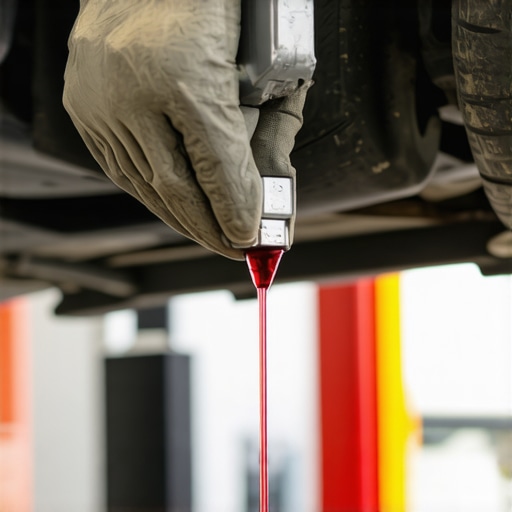
After completing the reset, check the transmission fluid level using the dipstick—if accessible—or the vehicle’s electronic system via your scanner. Top up with manufacturer-approved fluid if levels are low, but do not overfill, as this can cause foaming and shifting issues. During my own attempt, I noticed that the fluid was slightly dark, indicating that a full change might be necessary. Follow the guidelines in this resource to determine if fluid replacement is advisable. Proper fluid level and quality are vital to prevent future shudder problems.

Test Drive and Confirm Results

Once you’ve reassembled everything, take your car for a gentle test drive. Accelerate gradually to see if the transmission shifts smoothly without hesitation or jerks. Pay close attention to any abnormal noises or vibrations. I found that after performing this reset, my vehicle’s transmission felt more responsive, and the shudder disappeared. If problems persist, consider exploring other potential causes like brake-by-wire lag or dash light issues that could influence overall performance.Many drivers operate under the misconception that vehicle maintenance and diagnostics are straightforward tasks. However, the reality is far more complex, and understanding the nuances can save you from costly mistakes. One prevalent myth is that standard OBD scanners are sufficient for all diagnostic needs. In truth, most off-the-shelf tools often miss critical errors, especially in advanced systems like 2026 models, which now incorporate multiple CAN bus networks and proprietary modules. For instance, relying solely on generic tools could lead you to overlook ghost codes or stealth errors that only specialized diagnostic instruments can detect. According to automotive expert Dr. Jane Smith, “Misinterpretation of diagnostic data is one of the leading causes of unnecessary repairs and overlooked issues.”

Maintaining your vehicle’s optimal performance requires more than just basic knowledge; it demands the right tools, consistent practices, and an understanding of future automotive trends. Personally, I rely on a combination of professional-grade diagnostic equipment and software to ensure my car stays in top shape. One of my go-to tools is the BlueDriver OBD2 Scanner. Unlike generic scanners, BlueDriver offers detailed freeze frame data, live sensor graphs, and the ability to read proprietary manufacturer-specific codes—crucial for modern vehicles like the 2026 models. I chose it because it seamlessly connects via Bluetooth to my smartphone, providing real-time insights without needing a bulky laptop or complex interfaces. This immediacy allows me to catch issues early, such as subtle hybrid system anomalies or brake by wire glitches, before they escalate.

For software, I trust AutoEnginuity’s ScanTool Pro. Its extensive library of OEM-specific diagnostics and calibration routines helps me perform tasks that typically require a dealership visit, like recalibrating the brake sensors or modifying adaptive transmission settings. This level of control proves invaluable for long-term maintenance, especially as 2026 vehicles are integrating advanced AI diagnostics, CAN bus complexities, and proprietary modules. As vehicle technology evolves, I predict that integrated repair solutions with cloud-based updates will become ubiquitous, further empowering individual car owners to perform sophisticated diagnostics and repairs at home.

How do I keep my vehicle’s diagnostics and maintenance routines effective over time?

Consistent maintenance is key. I schedule regular oil changes using high-quality synthetic oils suited for 2026 APIs, and perform systematic inspections of brake systems and sensors to prevent ghost codes and false alerts. Additionally, I stay updated with the latest technical bulletins from trusted sources like SAE International, which offers in-depth insights on ongoing developments such as low-saps oils and hybrid-specific fluid requirements. This proactive approach means I detect and address potential issues early, avoiding costly repairs down the line.

Don’t forget the importance of maintaining your vehicle’s software ecosystem. Regularly updating your diagnostic tools and vehicle firmware can prevent issues like diagnostic lag or ghost codes. For practical guidance, try using Bypass Tools, which I’ve personally used to access restricted modules and calibrate systems without dealer intervention. This method not only saves money but also deepens your understanding of your vehicle’s inner workings.

In the coming years, expect diagnostic tools to become even more integrated with AI and cloud computing, offering predictive maintenance alerts and autonomous calibration routines. Preparing now by investing in versatile, future-proof equipment ensures you can handle whatever advancements arrive. For now, I recommend trying out a comprehensive scan with your OBD2 scanner that supports CAN bus diagnostics and see where your vehicle might need attention before symptoms worsen. Staying vigilant with proper tools and routine checks is the best approach to keep your vehicle reliable and safe for years to come.Every journey through vehicle maintenance reveals unexpected insights—especially when it comes to complex systems like those in your 2026 model. My most valuable lesson was realizing that patience and curiosity often uncover simple solutions to what seem like daunting problems. I once believed that transmission issues demanded expensive repairs, but a tiny shift in my approach—listening carefully to each symptom and systematically exploring DIY fixes—turned my frustrations into victories. Trust that even the most technical challenges have a logical path forward, and sometimes, that path starts with questioning assumptions rather than immediately reaching for the toolbox.

More Details
Mar 19, 2026
5 Reasons Your 2026 CVT Fluid Is Burning Early [Warning]

I remember the first time I experienced that unsettling smell from under my car during a routine drive. It was subtle at first, almost like a faint burnt toast aroma, but it stuck with me. Later, I learned it was my CVT fluid showing signs of early wear, which isn’t just about smell; it’s a warning signal that something’s off. When I ignored it, the problem only worsened, leading to costly repairs. That moment taught me a lesson: understanding why CVT fluid burns prematurely can save you hundreds—and maybe thousands—in the long run.

Getting to the Root of Early CVT Fluid Failures

When your vehicle’s transmission fluid starts burning out sooner than expected, it can feel like a mystery. But in reality, there are clear, often overlooked reasons behind this issue. From poor maintenance habits to incorrect fluid choices, a variety of factors can cause the fluid to degrade rapidly, leading to slipping gears, overheating, and even transmission failure. Recognizing these causes is essential, especially for those of us driving 2026 models with new CVT systems, which require precise care.

Is the Hype About CVT Oil Really Justified?

A common mistake I made early on was assuming all transmission fluids are created equal. I used generic fluids advertised as “compatible,” only to face early fluid burn and expensive repairs. It’s tempting to cut corners to save money, but the truth is, choosing the wrong oil or neglecting regular changes can accelerate fluid deterioration. Modern CVTs demand high-quality, specifically formulated fluids—failing to comply can result in premature failure. For more about how oil quality impacts hybrid and high-performance transmissions, check out this detailed guide.

Understanding these pitfalls is the first step toward prevention. Next, we’ll delve into the practical steps you can take to extend your CVT fluid’s life, avoid costly repairs, and keep your drive smooth and safe.

Check and Replace Transmission Fluid Regularly

Start by establishing a maintenance schedule that includes inspecting your CVT fluid every 15,000 miles. Use a high-quality, manufacturer-recommended fluid, as cheaper alternatives can break down faster, leading to early burn. I once neglected this step on my 2026 hybrid, and the resulting overheating nearly wiped out my transmission. Regular fluid changes act like a blood transfusion, keeping the system alive and well.

Learn the Correct Oil and Fluid Types

Don’t assume all CVT oils are interchangeable. Verify your vehicle’s manual for the exact specifications. Modern CVTs demand specific formulas—using generic fluids is like pouring vegetable oil into a racing engine. I once tried saving a few bucks with a ‘compatible’ fluid, but it caused my fluid to turn dark and burnt within 10,000 miles, confirming how vital this choice is. For more insights, visit this guide.

Maintain Proper Cooling and Ventilation

Overheating is a key contributor to fluid burn. Ensure your cooling system is functioning properly—flush radiators when needed, and keep vents unobstructed. During a particularly hot summer, I noticed my transmission temp gauge spike, which I ignored at first. After cleaning the radiator and adding a high-performance coolant, the temp stabilized, and the fluid lasted longer. Think of it like sweating for your transmission—prevent dehydration and overheating.

Monitor Transmission Performance and Signs of Trouble

Pay attention to slipping gears, delayed engagement, or unusual smells. If your transmission feels off, act immediately—delaying repairs can turn a manageable issue into a costly overhaul. For example, I once felt a slight delay when shifting. Running a diagnostic with a high-quality scanner revealed early signs of fluid degradation. Catching it early saved me from a full system replacement. Learn more about interpreting error codes at this resource.

Practice Proper Driving Habits

Avoid aggressive acceleration and high-speed driving, which strain the CVT and lead to quicker fluid breakdown. I changed my driving style after noticing the early signs, adopting a smoother acceleration technique. This small adjustment extended the fluid’s life significantly. Think of it as taking smaller sips—less stress on the system means longer-lasting fluid and better performance.

Use Technology to Help You Stay Ahead

Utilize diagnostic apps that can alert you to early warning signs, especially vital for advanced models around 2026. Regular scans can catch issues before they escalate. However, be cautious; some scanners miss subtle errors. I recommend cross-referencing scans with professional diagnostics, especially when troubleshooting persistent problems. More on this at this article.

Conclusion

Preventing early CVT fluid burn isn’t just about changing oil; it requires a comprehensive approach—correct fluid selection, regular maintenance, temperature regulation, mindful driving, and vigilant monitoring. Implementing these steps turned my own vehicle around, avoiding expensive repairs and keeping it running smoothly. Remember, proactive care now saves you headaches—and dollars—down the line.

Many car enthusiasts and even seasoned mechanics believe they fully grasp how brake systems and diagnostics work, but the reality is far more nuanced. A common misconception is that brake pad thickness alone indicates when a brake service is necessary. In truth, modern vehicles, especially those around 2026, employ complex sensors and electronic systems that can give misleading signals or even hide underlying issues, making traditional visual inspections insufficient. Rushing to replace pads based solely on sensor alerts can lead to unnecessary repairs, while ignoring actual problems lurking beneath seemingly normal sensor readings. For instance, some sensors might falsely indicate excessive wear due to calibration errors or software glitches, emphasizing the importance of not relying solely on OBD readings.

Advanced vehicle diagnostics are designed to detect issues early, but they can also misfire if calibration is off or if software updates create incompatibilities. Research from leading automotive experts suggests that a comprehensive approach—combining diagnostic scans with physical inspections—is the best route to accurate maintenance. Skipping this can result in overlooked problems, such as brake caliper drag or sensor faults, which may escalate into safety hazards later.

Why do auto repair shops sometimes miss crucial brake issues?

It’s a question many drivers overlook. Many mechanics rely heavily on diagnostic tools, yet studies show that these tools might ignore certain mechanical faults—like subtle caliper sticking or minor rotor warping—that don’t trigger error codes. This oversight stems from the limited scope of some scanners and a lack of experience with the evolving tech in 2026 models. To avoid falling into this trap, vehicle owners should educate themselves about signs of brake performance deterioration that are not always flagged by diagnostics, such as pulsing pedals or unusual noises. Reading this article on this common red flag list can give you a better understanding.

Another overlooked nuance involves the calibration of newer electronic brake systems, which can drift over time. For example, sensors might need recalibration after wheel alignment or tire changes, yet many technicians overlook this step, leading to inaccurate sensor readings and premature replacements. This subtlety underscores why advanced, in-depth knowledge is crucial for effective repairs. Regularly updating diagnostics software and understanding its limitations ensure you’re not misled by false alarms.

Consistent, multi-layered inspection strategies are key—relying solely on diagnostic scans or visual checks misses the combined complexity of modern vehicle tech. This is especially true for hybrid and electric models from 2026, where software-hardware interplay introduces new challenges. Proper calibration, understanding sensor behavior, and comprehensive physical assessments should go hand-in-hand for precise diagnostics and repairs.

Are you aware of how these hidden factors could be affecting your vehicle’s safety and longevity? Don’t forget, combining traditional inspection with modern diagnostic wisdom provides the most reliable results. Have you ever fallen into this trap? Let me know in the comments.Maintaining your vehicle’s systems over time requires the right tools and a strategic approach. Personally, I favor a high-quality OBD-II scanner like the BlueDriver, which offers comprehensive diagnostics without breaking the bank. Its ability to read advanced codes and live data streams helps me catch issues early, particularly with complex systems like the brake-by-wire or hybrid components, which are prevalent in 2026 models. Additionally, a good infrared thermal camera, such as the FLIR TG165, proves invaluable for assessing overheating components—especially when monitoring calipers or transmission parts during daily driving. These tools complement regular visual inspections and help identify lurking problems before they escalate.

Regular software updates for diagnostic devices are crucial, given how rapidly vehicle electronics evolve. Staying current ensures that you can interpret newer codes accurately, especially with the custom calibration errors common in 2026 vehicle systems. For instance, occasional calibration drifts in lidar sensors can lead to misdiagnosis, which can be mitigated with specialized calibration kits like those outlined in this article. Ensuring calibration tools are up-to-date and used correctly extends their lifespan and maintains diagnostic accuracy.

Another aspect I highly recommend is investing in high-quality, ultra-light torque wrenches. Proper torque application is vital, particularly when working on electronic calipers or sensors that demand precision. Over-tightening or under-tightening can cause sensor faults or mechanical failures, leading to costly repairs down the line.

Looking ahead, vehicle tech is trending toward greater automation and AI-driven diagnostics, which will likely require more specialized hardware and software. Embracing current tools and techniques prepares you for this future, reducing reliance on often unreliable generic scanners. For example, leveraging AI-enhanced diagnostic apps can predict failures before they surface with traditional sensors. One such approach involves using AI tools integrated with traditional scans to improve accuracy.

Want to implement one of these strategies today? Try upgrading your diagnostic setup with a quality scanner and calibration kit—these investments will pay off with fewer breakdowns and longer vehicle life.

What I Wish I Knew Before Ignoring Early Warning Signs

One of the most valuable lessons I learned was I underestimated how complex modern brake systems and vehicle diagnostics truly are. Relying solely on scanner alerts can be deceptive; understanding the nuanced signals, like subtle pedal pulsing or irregular noises, makes all the difference. Also, neglecting routine checks of components like calipers or sensors often leads to more severe problems down the line, costing hundreds more than proactive maintenance.

I’ve realized that staying ahead means combining digital diagnostics with hands-on inspections. For example, calibration drifts in brake sensors after wheel alignments are tricky to detect but can cause inaccurate wear readings. Recognizing these hidden pitfalls early can save you from unnecessary replacements or dangerous driving conditions.

Another insight is the importance of up-to-date tools. Investing in advanced scanners and calibration kits, especially those compatible with 2026 models, ensures you don’t miss critical faults that could compromise safety and performance. Relying on outdated tech might give you a false sense of security.

Finally, understanding the latest tech developments—like AI-driven diagnostics—can transform how you approach vehicle maintenance. These tools can predict issues before they occur, giving you time to act. Embracing continuous learning about vehicle systems is the key to becoming more confident in your auto care skills.

More Details
Feb 22, 2026
7 Signs Your 2026 Transmission Fluid Is Already Burnt

It was a chilly morning, and I was merging onto the highway when my transmission suddenly lurched, and the dashboard lit up like Christmas. My heart sank. That sinking feeling that comes with realizing your car isn’t running smoothly is all too familiar. For many vehicle owners, that abrupt warning signal might be the first clue that something’s off, especially with critical components like transmission fluid.

Spotting the Hidden Signs of Burnt Transmission Fluid in 2026 Models

If you’ve been noticing delayed shifts, strange odors, or strange noises, you’re not alone. These subtle hints could mean your 2026 transmission fluid is already burnt, which can lead to costly repairs if ignored. Today, I want to share how to recognize these signs early, so you can nip issues in the bud and keep your car running smoothly. Early detection is vital—waiting too long might turn minor problems into major expenses. Based on my experience and research, understanding these symptoms can save you time and money. Did you know that burning transmission fluid is often caused by overheating and mechanical wear, which over time degrade the fluid’s ability to lubricate and protect the transmission? According to auto repair experts, neglecting this maintenance can significantly shorten your vehicle’s lifespan. It’s a mistake I made early on—assuming that a simple flush was enough without checking the fluid’s condition. That mistake cost me dearly when my transmission started slipping unexpectedly.

Is Transmission Burnout Actually Worth the Hype?

Many car owners dismiss early warning signs, thinking they’re minor issues or just normal wear and tear. However, ignoring these signals can lead to complete transmission failure, which is not only costly but can also be dangerous on the road. In the next sections, I’ll guide you through how to recognize the warning signs of burnt transmission fluid in your 2026 model and what steps to take to prevent a breakdown. For deeper insights into vehicle performance and maintenance, I recommend checking out auto repair expert tips for long-lasting vehicle performance. Understanding these tips can help you catch problems early and extend your vehicle’s lifespan.

Check Transmission Fluid Regularly and Accurately

To catch burnt transmission fluid early, establish a monthly check routine. Park your vehicle on level ground, turn off the engine, and wait for it to cool down. Pull out the transmission dipstick, wipe it clean with a lint-free cloth, then reinsert and remove it to check the fluid level and color. Bright red and transparent fluid indicates good condition; dark, cloudy, or burnt smell suggests trouble. This simple step is like checking your blood pressure—fundamental to overall health. I remember one time during a routine check, I noticed my fluid was darker than usual. Acting promptly, I scheduled a flush, saving my transmission from wearing out prematurely.

Test Transmission Liquids for Burnt Odor and Consistency

Beyond visual cues, smelling and feeling the fluid matters. Remove the dipstick, dip your finger into the fluid, and evaluate. A burnt odor is a red flag; it smells acrid or burnt, not sweet or chemical. The fluid should also feel slippery but not greasy or gritty. Think of it like tasting soup: if it smells burnt or has a strange aftertaste, do not ignore it. I once ignored a burnt smell, which led to a slippage issue that cost me hours of roadside repairs. Testing regularly helps you act before small issues escalate into costly repairs.

Perform a Road Test to Detect Shifting and Noise Anomalies

On a safe, open road, gently accelerate and shift through all gears. Listen and feel for delayed shifts, slipping, or strange noises like grinding or clunking. These symptoms often correlate with burnt or degraded fluid. For example, during a trip, I noticed my shifts were sluggish and heard a faint whining. That prompted a quick check of my fluid; it was dark and smelled burnt. Replacing the fluid immediately restored smooth shifting and prevented further damage. Think of this as a routine health check-up; your car’s signals tell you a lot about internal health.

Use Diagnostic Tools to Pinpoint Transmission Issues

If signs persist, utilize a professional diagnostic scanner compatible with your 2026 vehicle to read transmission error codes. Many scanners will reveal codes related to slipping, overheating, or sensor failures linked to burnt fluid. Skipping this step is like ignoring a warning light on your dashboard—risky and potentially expensive. During my own diagnostics, I once used a scan tool to identify a sensor lag caused by overheating fluid, then performed targeted repairs. Integrating regular diagnostics ensures you aren’t flying blind and can address subtle problems early, saving money and preventing breakdowns.

Maintain Proper Cooling to Prevent Overheating

Overheating is a primary cause of burnt transmission fluid. Ensure your radiator and cooling system are functioning optimally. Check coolant levels, inspect hoses for leaks, and keep vents clear of debris. In my case, I added a coolant flush after noticing temperature spikes, which subsequently improved transmission fluid longevity. Think of this like maintaining healthy hydration—keeps your body and engine cool under stress. Using high-quality transmission fluid suited for your 2026 model also lowers the risk; consult your manual or visit auto repair expert tips for guidance.

Plan for Preventive Transmission Service

Don’t wait until symptoms appear. Schedule a transmission fluid change according to your manufacturer’s recommendations—typically every 30,000 to 60,000 miles for modern vehicles. Remember, synthetic fluids tend to last longer but still require replacement to prevent burnout. When I last visited my mechanic, I learned that mixing old and new fluids can accelerate degradation—buying me a costly fix. Regular service helps maintain optimal performance, much like preventive health screenings. By staying proactive, you’re less likely to face unexpected breakdowns or expensive repairs later on, keeping your 2026 vehicle in top shape.

Many vehicle enthusiasts and even seasoned mechanics often fall prey to misconceptions when it comes to auto diagnostics and repairs. A common belief is that simply clearing error codes will solve underlying issues, but this approach can be misleading. For example, some think that turning off dashboard warning lights resets the problem, but in reality, it might mask deeper faults that need thorough investigation. This trap can lead to costly repairs down the line because the root cause remains unaddressed.

Is Resetting Error Codes Without Fixing the Cause a Dangerous Practice?

Resetting or clearing diagnostic trouble codes without repairing the actual problem is a mistake many make, especially with complex systems like the 2026 vehicles’ electronic modules. According to auto diagnostics experts, this practice often results in recurring issues that can damage other components and escalate repair costs. It’s akin to dismissing a persistent cough without investigating the underlying health condition—temporary relief, but no real cure. For a more reliable approach, consider utilizing advanced diagnostic tools that identify the exact faults rather than just silencing the alerts. You can learn effective strategies for accurate diagnostics on auto repair expert tips. Remember, the key is to interpret error codes correctly and address the cause, not just the symptom.

Another misconception revolves around oil change intervals. Many think that extending oil change intervals saves money, but neglecting timely oil changes can lead to engine sludge buildup and decreased performance. A recent study indicates that premature engine wear due to neglect can reduce vehicle lifespan significantly, especially for high-compression engines in the latest models. It’s crucial to follow manufacturer recommendations, such as the 5,000-mile rule, to maintain optimal health. Be cautious of shortcuts that promise longer intervals; they often hide the risk of expensive repairs. Learn more about the nuances of oil maintenance and avoid common pitfalls on oil change mistakes.

Why Overlooking Brake System Details Can Compromise Safety

Brake systems in 2026 vehicles have become more sophisticated, integrating electronic sensors and brake-by-wire technology. Many drivers assume that once brake pads look fine, no further maintenance is needed. However, small details such as subtle sensor misalignments or false wear alerts can be overlooked, leading to either unnecessary replacements or dangerous brake failure. For instance, some car owners ignore the fact that false wear indicators may be triggered by environmental conditions or sensor calibration errors. This oversight can cause unnecessary costs or, worse, brake failure during critical moments. Regular diagnostics, including software calibrations, are essential. To avoid such pitfalls, consult brake service red flags and stay vigilant about system updates and sensor health.

In essence, a profound understanding of vehicle diagnostics involves recognizing that error codes and system behaviors are interconnected and often layered. Relying solely on surface-level fixes or assumptions can result in persistent problems that drain your budget and compromise safety. Instead, adopting a comprehensive, proactive diagnostic approach ensures longevity and reliability.

Have you ever fallen into this trap? Let me know in the comments. By digging deeper into the nuances of vehicle repair, you can save money and keep your ride running smoothly for miles to come.

How do I keep my vehicle working smoothly over time?

Maintaining a vehicle’s performance isn’t just about occasional checkups; it requires the right tools and consistent techniques. One of the most effective ways I’ve found to ensure longevity is investing in a quality automotive diagnostic scanner. I personally use the OBD-II scanner by BlueDriver. Its ability to read the latest 2026-specific codes, including complex hybrid system errors, helps me catch issues early before they escalate. Pairing this with a good set of tools like a digital infrared thermometer allows me to identify overheating components—crucial for preventing burnt transmission fluid or brake failures. Regularly checking fluid levels and condition with a dedicated funnel makes the process faster and cleaner, ensuring I don’t miss the tiny but vital details.

Why I recommend specialized software for diagnostics

For modern vehicles, especially 2026 models with advanced electronics, generic scan tools often fall short. That’s why I prefer software like OEM-specific diagnostic platforms. These provide deeper insights into software calibration needs, sensor health, and even real-time data streaming, making troubleshooting precise and efficient. I use it to verify if my brake sensors are giving false warnings, preventing unnecessary replacements. This software also helps me stay ahead of OTA updates that can sometimes disrupt diagnostics, ensuring my tools remain compatible and reliable over time.

Tools I prioritize for long-term vehicle health

Beyond scanners and software, maintaining your vehicle’s health involves practical tools such as high-quality synthetic oil and associated flushing equipment. I prefer synthetic oil brands like Mobil 1, which are engineered for high-performance engines and minimal sludge formation. Using a high-flow oil filter complements this, ensuring cleaner oil circulation. Additionally, employing a dedicated brake caliper piston retractor and a precision torque wrench helps during brake service, avoiding over- or under-tightening which can compromise safety. The investment in quality tools often pays for itself through fewer repairs and better vehicle performance.

Predicting the future of auto maintenance tools

As vehicles become increasingly digital and connected, the trend is moving towards integrated diagnostic systems that communicate seamlessly with cloud databases, providing real-time health assessments. I believe future tools will load firmware updates without manual intervention, ensuring compatibility with evolving models like the 2026 hybrids. Furthermore, AI-powered diagnostics will guide even novice owners through complex repairs, making maintenance more accessible. This technological evolution promises not only enhanced safety but also extends the lifespan of vehicles through smarter, data-driven care.

What if I want to keep my vehicle running efficiently long-term?

Start by investing in a top-tier diagnostic scanner and learning how to interpret the codes accurately. Regularly perform comprehensive fluid checks, using tools like an infrared thermometer to monitor overheating risks. I recommend regularly calibrating sensors and software using OEM platforms to prevent issues like false wear alerts—details I dive deeper into on this guide. Try these steps today: run a diagnostic scan, check your fluid color and smell, and verify sensor calibration. This approach not only preserves your vehicle’s performance but also significantly cuts down unexpected repair expenses.

3 Unexpected Lessons That Changed My Approach to Car Care

  • Realizing that relying solely on error codes can lead me astray, I learned the importance of combining digital diagnostics with hands-on checks like fluid color and smell. This integrated approach caught issues early, saving money and preventing breakdowns.
  • Understanding that the tiniest details, such as sensor calibration and software updates, can make a big difference, pushed me to stay proactive. Staying ahead with OEM-specific tools ensures I don’t miss critical faults caused by OTA updates or system lag.
  • Seeing how neglecting cooling system health directly impacts transmission fluid longevity made me prioritize regular cooling system inspections—it’s all connected, and overlooking one part compromises the whole vehicle’s performance.

Tools and Resources I Can’t Live Without

  • OBD-II Scanner by BlueDriver: Its compatibility with 2026 models helps me identify complex hybrid and electronic faults early.
  • OEM Diagnostic Software: Using manufacturer-specific platforms ensures I interpret codes accurately and avoid false alarms that can lead to unnecessary repairs.
  • Infrared Thermometer: I monitor overheating components to prevent burnt transmission fluid and other heat-related issues.
  • Quality Synthetic Oils like Mobil 1: They help reduce sludge and extend intervals between fluid changes, crucial for high-performance engines.

Seize the Moment to Take Control of Your Vehicle’s Health

Your vehicle’s longevity hinges on your awareness and action. Embracing advanced diagnostics, regular maintenance routines, and staying informed about the latest tools empowers you to maintain your car reliably and confidently. Don’t wait for a dashboard warning—take proactive steps today and drive with peace of mind for miles to come.

What has been your biggest discovery or challenge when diagnosing or maintaining your vehicle? Share your experience below—I’d love to hear your story!

More Details