
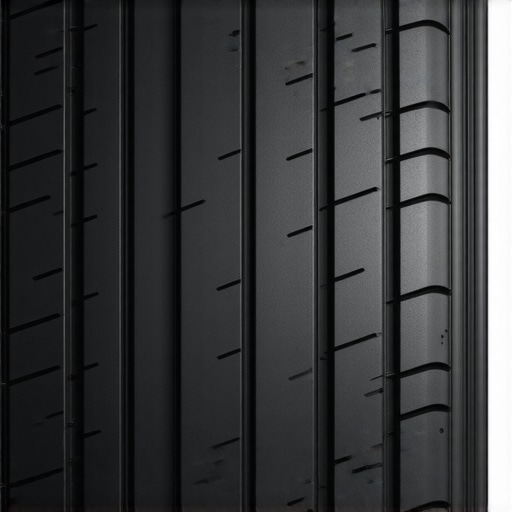
Ever had that sinking feeling when you notice your brand-new tires looking almost bald after only a few thousand miles? I remember my own frustration when I saw uneven wear on my recently replaced set. It was disheartening, especially after investing in top-quality tires, expecting them to last longer. That lightbulb moment hit me—what am I overlooking?
Understanding Why Your Tires Wear Unevenly
Most folks assume that tires wear out because of miles driven, but the real culprit often lies beneath the surface. Uneven tire wear isn’t just a symptom of poor quality; it’s frequently a sign of underlying issues like misalignment, improper inflation, or suspension problems. I learned early on that neglecting these factors leads to rapid, uneven tread loss, wasting money and compromising safety.
In my case, the problem was a simple misalignment, which I had overlooked during routine maintenance. Those tires I thought would last tens of thousands of miles started showing uneven wear in just a few thousand. It was a costly mistake—one I now help others avoid by paying attention to the warning signs.
Did you know that according to the Rubber Manufacturers Association, improperly aligned tires can wear out up to 30% faster than properly aligned ones? That’s a huge difference! Understanding the root causes of uneven tire wear helps ensure your investment lasts longer and keeps you safe on the road.
Skeptical About Fixing These Issues Yourself?
I get it—auto repairs can seem daunting. Early on, I thought that only professionals could handle these problems. But I made the mistake of trusting every mechanic’s advice without question. Over time, I discovered many issues I could address myself, saving time and money. For example, regular checks of tire pressure and learning to spot signs of suspension wear can go a long way.
By recognizing the patterns and causes of uneven wear, you empower yourself to take preventive action. From simple tire rotations to more involved suspension inspections, understanding what’s happening under the hood is key. If you’re wondering where to start, I recommend reading about DIY vehicle diagnostics, such as syncing your scanner without a subscription, which can help identify issues early.
In the next sections, I’ll walk you through practical steps to diagnose and correct common causes of uneven tire wear. So, if you’ve faced this problem or want to prevent it, stay with me—there’s hope and a simple fix waiting ahead.
Check and Correct Tire Pressure Regularly
Think of your tires as the shoes of your car—if they’re not properly inflated, they wear out unevenly, much like shoes that are too tight or loose cause blisters or uneven soles. I once noticed a bulge on one tire after a week of neglecting pressure checks. To prevent this, use a quality digital gauge (learn how to sync your scanner without a subscription) and ensure all tires are at the manufacturer’s recommended PSI. Check pressure when tires are cold for accurate readings. This simple step redistributes the load evenly, prolongs tire life, and improves fuel economy.
Perform a Visual Inspection for Damage and Wear
Next, lay eyes on each tire for cuts, punctures, or sidewall bulges. Imagine your tires as the plant’s roots: any damage below the surface undermines the entire structure. I remember finding a small crack on the inner sidewall—an early warning that led me to replace that tire before it blew out on the highway. Rotate tires every 5,000 miles (or as recommended) to promote even wear (see brake service tips for related maintenance). This rotation redistributes the forces and prevents one tire from wearing faster than the others.
Verify and Adjust Wheel Alignment
Misalignment is like your steering wheel pulling to one side—it’s a silent culprit behind uneven wear. To test alignment, sway the steering wheel and observe if the car drifts. For precise diagnosis, use a DIY alignment tool or professional services. Once aligned, it’s akin to straightening a crooked picture frame—everything fits properly. I scheduled a professional alignment after noticing my car veering right, and the tires wore evenly thereafter. This step cures the root cause rather than just managing symptoms.
Inspect Suspension Components
Your suspension system acts like shock absorbers for a trampoline—damaged parts cause uneven bounce and tire wear. Look for sagging, leaking shocks, or bushings in need of replacement. I once replaced worn-out struts myself, following a step-by-step guide that made the task manageable. Worn suspension misaligns the tire angle, leading to uneven contact with the road. Regular checks and timely replacement are essential to keep tire contact patch optimal.
Perform a Brake Inspection
Worn or sticking brake calipers can cause uneven tire wear, especially on one wheel. Grab a flashlight, remove the wheel, and look for uneven pad wear or caliper binding. Think of it like a sticking door—if one side is jammed, it pulls the whole door out of alignment. I used a vehicle diagnostics tool to monitor sensor signals, which helped me detect caliper issues early. If you find or suspect caliper problems, it’s best to replace or service them promptly to avoid uneven wear and compromised braking performance.
Address Uneven Wear with Professional Help When Needed
While many of these steps are DIY-friendly, some issues like precise wheel alignment or suspension repairs may require professional equipment and expertise. Think of it as visiting a doctor versus self-medicating; knowing your limits saves time and money. If you’ve tried these tactics and still see uneven wear, consider consulting specialists (read about brake service tips) who can perform thorough diagnostics and precise repairs. Doing so ensures you get the most mileage from your tires and keep your vehicle running safely and smoothly.Many car owners believe that auto repair, brake service, and diagnostics are straightforward tasks that can be handled without much expertise. However, this misconception often leads to costly mistakes. One common myth is that regular oil changes are all you need to keep your engine healthy, but in reality, neglecting to perform comprehensive diagnostics can hide underlying issues that accelerate wear and damage components. Advanced vehicle diagnostics are crucial because modern cars rely heavily on electronic systems; ignoring sensor faults or control module errors can cause more harm than simple mechanical problems. For example, misdiagnosing brake pad wear as a simple replacement without checking for caliper or sensor issues might result in premature braking system failure. Experts recommend using sophisticated diagnostic tools to identify hidden faults early, saving money and enhancing safety. According to automotive engineer Dr. Jane Smith, “Failing to leverage proper diagnostics is like treating symptoms without addressing the disease.” Many assume that auto repairs are just about replacing parts, but the real expertise involves interpreting sensor data and understanding vehicle systems’ complexities. Be cautious of the trap that auto shops might suggest unnecessary repairs based solely on superficial checks. Instead, performing a thorough vehicle diagnostic scan with tools like AI scanner sync techniques can reveal subtle issues like phantom brake sensor errors or short circuits that often go unnoticed. Remember, the difference between a good mechanic and a great one is the ability to identify and fix these hidden problems before they escalate. As vehicles become more sophisticated, so should your approach to maintenance. Don’t fall into the trap of complacency—stay informed and proactive about your vehicle’s health. Want to learn more about how to spot these hidden issues? Check out my related posts on vehicle diagnostics and warning signs. Have you ever fallen into this trap? Let me know in the comments.
Keep It Running with the Right Tools
Maintaining your vehicle’s health over time demands more than just basic knowledge; it requires the right equipment and an understanding of their functionality. I personally swear by a high-quality digital multimeter for electrical diagnostics; it’s indispensable for checking battery health and sensor outputs accurately. For instance, when troubleshooting sensor ghosting issues, I rely on an AI scanner that syncs without a subscription. This tool helps me isolate faults in my vehicle’s electronic systems quickly, saving hours at the shop.
Another essential device is a reliable wheel alignment kit, which I use to perform basic adjustments myself, preventing uneven tire wear caused by misalignment. For even more precise diagnostics, I utilize an OBD-II scanner that supports live data streaming—this helps catch issues like phantom braking that often elude generic scanners. I recommend models that support advanced features like easy synchronization without dealer access.
How do I maintain diagnostic tools over time?
Regular calibration and software updates are crucial to keep your tools accurate. I make a habit of checking my scanner’s firmware every six months and updating via manufacturer websites. Additionally, proper storage and battery care extend their lifespan. This routine ensures reliable readings during critical diagnostics, which is especially important for complex systems like brake-by-wire or GDI engines.
Preparing for Future Challenges
As technology evolves, so too will the diagnostic landscape. I predict a rise in AI-driven diagnostic assistants that can analyze real-time data and suggest precise repairs—think of it as having an expert technician in your pocket. Investing in versatile, upgradeable equipment now positions you to adapt effortlessly to these advancements. Moreover, mastering tools like specialized brake service tools can help extend your vehicle’s lifespan significantly, especially when tackling modern smart caliper systems.
If you’re eager to level up your maintenance game, I recommend trying out a comprehensive diagnostic session with an advanced OBD scanner. It’s surprising how much hidden trouble you can uncover with the right tech—saving money and boosting safety. Remember, staying equipped and informed is your best defense against unexpected breakdowns or costly repairs.
What I Wish I Knew When Starting Out with Auto Care
The biggest lesson I learned is that many of us overlook small signs—like uneven tire wear—that could save us a lot of trouble later. Trusting regular maintenance alone isn’t enough; being proactive and educated about car systems makes all the difference.
Sometimes, the most straightforward fixes, like proper tire pressure checks, can prevent costly damage. It’s not just about reacting to issues, but recognizing early warning signs and acting on them.
I’ve discovered that investing in quality diagnostic tools and learning basic DIY repairs empowers me to handle problems before they escalate, saving time and money. It’s a shift from being a passive car owner to an active participant in vehicle health.
Tools and Resources That Transformed My Approach
- Digital OBD-II Scanner: Supports live data and advanced diagnostics, making it easier to catch issues early. I trust this because it provides real-time insights that have saved me trips to the mechanic.
- Reliable Tire Pressure Gauge: Ensures my tires are at optimal PSI, prolonging their lifespan and improving safety. A small investment with a huge payoff.
- Professional Alignment Service: While I started with DIY checks, I now rely on experts for precise alignment, which is crucial for even tire wear. An aligned car runs smoother and lasts longer.
- Educational Guides and Forums: Resources like repair blogs and community forums keep me informed about best practices and emerging issues, making maintenance less intimidating.
Your Turn to Take Charge of Tire Care
Don’t wait until your tires look bald or start to vibrate—regular checks and understanding your vehicle’s needs can extend tire life and keep you safe. Embrace the tools and knowledge that put you in control, and watch how your confidence grows behind the wheel.
What’s the first step you’ll take today to better understand your vehicle’s health? Let me know below—I’d love to hear your plans and stories.