
Ever been stranded on the side of the road because your car suddenly refused to start? I have. It’s a frustrating, gut-wrenching feeling that hits when you least expect it. One day, after ignoring some basic maintenance, my car gave out on me during a busy weekday. That moment was a real eye-opener. It made me realize how important it is to stay ahead of potential problems, especially when your vehicle is your lifeline for daily life. If you’re like me, driving often and counting on your car, then you know that a breakdown isn’t just an inconvenience—it’s a major disruption to your routine and wallet. Today, I want to share how embracing simple auto repair strategies can save you from these headaches and keep your vehicle running smoothly for miles to come.
Check Your Fluids Regularly
One of the simplest yet most effective maintenance steps is checking your car’s fluids—oil, coolant, brake fluid, and transmission fluid. I recall a time when I neglected my coolant levels and ended up stranded on a hot summer day. After topping up and flushing the system myself, I realized how routine checks can prevent overheating and costly repairs. For detailed guidance, see Top Auto Repair Tips to Extend Your Vehicle’s Lifespan.
Learn to Read Your Oil Dipstick
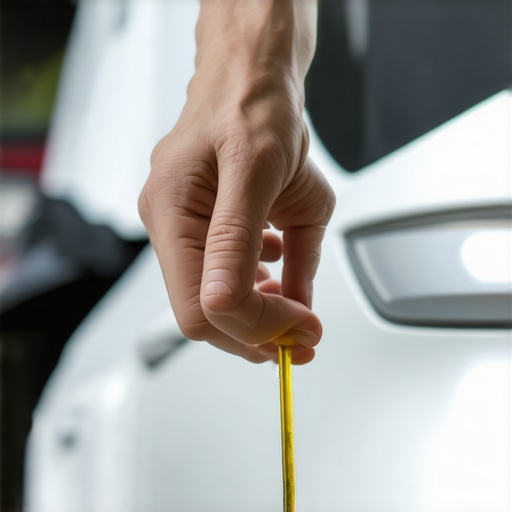
Pull out the dipstick, wipe it clean, then dip it back in and check the level. A dark, gritty oil indicates it’s time for an oil change. I once ignored this, and my engine started to sputter during a long drive, costing me a lot in repairs. Regular oil checks are your first line of defense. When to get an oil change is critical, and understanding the signs can save you money—see When to Get an Oil Change.
Inspect Your Brake System
Brakes are vital for safety, and neglecting them can lead to dangerous situations. I replaced my brake pads after noticing squeaking, which was a straightforward fix that improved stopping power. Check brake pads, rotors, and fluid levels periodically. The Ultimate Guide to Brake Service can help you understand what to look for. If your brake pedal feels soft or spongy, get it inspected immediately—delaying could lead to brake failure.
Keep Your Tires in Good Shape
Proper tire maintenance involves checking pressure and tread depth. I once ignored my tire pressure, which caused uneven wear and reduced fuel efficiency. Using a tire gauge, I learned to keep pressure at the recommended PSI. Also, rotate tires every 5,000 to 8,000 miles. For a quick check before road trips, see Vehicle Diagnostics Explained.
Master Basic Repairs
Learn to change a flat or replace your windshield wipers. I had a flat tire on the highway once; knowing how to change it saved me hours and towing fees. Keep a basic toolkit in your car—jack, wrench, jumper cables—and practice using it. For more tips, visit Auto Repair Hacks.
Stay Ahead with Diagnostics
Modern cars come with onboard diagnostics (OBD-II) that can alert you to issues early. I bought a diagnostic scanner, which connected to my phone, revealing engine trouble codes before a breakdown. Regular scans can prevent costly repairs—see Decoding Vehicle Diagnostics. Learning to interpret these signals keeps your car running smoothly and safely.
< >Let’s dig deeper into some of the common misconceptions and advanced pitfalls that even seasoned drivers often overlook when it comes to auto repair. First, many believe that sticking to basic maintenance alone—like oil changes and fluid checks—is sufficient for a vehicle’s health. While these are foundational, neglecting more nuanced aspects such as understanding the significance of drivetrain components or the subtle signs of early wear can lead to costly repairs down the line. For example, many drivers don’t realize that wheel alignment isn’t just about tire wear but also directly affects fuel efficiency and steering safety. Regularly misinterpreting or ignoring diagnostic trouble codes from onboard diagnostics (OBD-II) can cause minor issues to escalate unexpectedly. Instead of reacting only when a warning light appears, proactive diagnostics and understanding the specific signals your car sends can prevent breakdowns. Have you ever fallen into this trap? Let me know in the comments. Another common myth is that high-tech tools are only for professionals. In reality, affordable diagnostic scanners and smartphone apps have democratized vehicle diagnostics, enabling even non-experts to identify and address issues early. This is especially critical for frequent drivers whose cars endure more wear and tear. Additionally, many assume that replacing parts only when they break is the best approach. But component lifespan varies, and knowing when to replace parts like timing belts or transmission fluid based on manufacturer recommendations can save you from catastrophic failures. Remember, advanced vehicle diagnostics can reveal hidden problems before they manifest as costly repairs, making regular scans a smart investment for the diligent driver. Lastly, some drivers underestimate the importance of proper tire maintenance. Beyond pressure checks, understanding tread wear patterns and their implications can improve safety and fuel economy. For example, uneven tire wear might indicate suspension issues that, if unaddressed, can accelerate other wear-related problems. To truly stay ahead in auto maintenance, embrace a comprehensive, proactive approach—one that combines basic upkeep with an understanding of complex systems and diagnostic tools. For deeper insights, check out Top Auto Repair Tips to Extend Your Vehicle’s Lifespan and Decoding Vehicle Diagnostics.Maintaining your vehicle over time requires more than just basic checks; it involves investing in the right tools and understanding advanced diagnostics. Personally, I rely on a high-quality OBD-II scanner like the BlueDriver, which provides detailed insights into engine health and can decode trouble codes that simple dashboard lights might not reveal. This device connects effortlessly to my smartphone via Bluetooth, allowing me to perform quick scans before long trips or after noticing unusual engine behavior. Regular diagnostics help catch issues early, saving hundreds in future repairs and ensuring my car remains reliable. For frequent drivers, this proactive approach is invaluable, especially as modern vehicles become increasingly complex with electronic systems. Predicting where this trend is heading, I believe vehicle diagnostics will become even more integrated with AI and cloud-based data, enabling real-time health monitoring and predictive maintenance alerts directly from your smartphone or car’s infotainment system. This evolution will make preventive care accessible to everyone, not just mechanics. So, how do I maintain my diagnostic tools over time? I keep my scanner updated with the latest firmware from the manufacturer, which ensures compatibility with new vehicle models and keeps the software bug-free. I also subscribe to manufacturer or third-party app updates that improve data interpretation and user interface. These small but crucial steps ensure my diagnostic tools stay reliable and accurate, giving me peace of mind on every drive. Don’t forget, learning how to interpret these signals can be a game-changer—try connecting your scanner to your vehicle today and see what hidden issues you can uncover before they become costly repairs. For more in-depth strategies, check out Decoding Vehicle Diagnostics and start empowering yourself with knowledge that will keep your car running smoothly for miles to come.Ever been stranded on the side of the road because your car suddenly refused to start? I have. It’s a frustrating, gut-wrenching feeling that hits when you least expect it. One day, after ignoring some basic maintenance, my car gave out on me during a busy weekday. That moment was a real eye-opener. It made me realize how important it is to stay ahead of potential problems, especially when your vehicle is your lifeline for daily life. If you’re like me, driving often and counting on your car, then you know that a breakdown isn’t just an inconvenience—it’s a major disruption to your routine and wallet. Today, I want to share how embracing simple auto repair strategies can save you from these headaches and keep your vehicle running smoothly for miles to come.
Insider Wisdom About Hidden Car Troubles
- One of the biggest lessons I learned is that many issues start small. A slight vibration or a weird smell can be early signs of bigger problems if you know what to look for. Ignoring these signs often leads to costly repairs later.
- Understanding your car’s diagnostic codes was a game-changer for me. Instead of waiting for a warning light, I now perform quick scans with affordable tools, catching issues early and saving hundreds.
- Another insight is that regular maintenance isn’t just about adding fluids; it’s about understanding how different components work together. For example, misaligned wheels don’t just wear tires—they can affect fuel efficiency and steering safety.
My Essential Toolkit for Car Care
- OBD-II Scanner: I trust the BlueDriver scanner because it connects easily to my phone and provides detailed engine health reports. It’s like having a mechanic in my pocket.
- Basic Repair Kit: A good jack, wrench set, and jumper cables are must-haves. They’ve saved me from roadside disasters more times than I can count.
- Car Maintenance Log App: Keeping track of fluid changes, tire rotations, and repairs helps me stay proactive and avoid surprises.
- Reliable Resources: Websites like Top Auto Repair Tips and Decoding Vehicle Diagnostics give me the knowledge I need to make smart decisions about my vehicle’s care.
Ignite Your Drive to Keep Your Car Healthy
Taking ownership of your auto maintenance isn’t just about saving money; it’s about empowering yourself to keep your vehicle reliable and safe. Modern cars are complex, but with the right tools and knowledge, you can prevent most breakdowns before they happen. Think of your car as a trusted partner—investing a little time and effort now will pay dividends in miles to come. So, get out there, learn your vehicle’s signals, and take control of your auto health today. Your future self will thank you for it.