
It was a chilly Saturday morning when I finally faced the truth: my car repair bills were draining my wallet faster than I expected. Like many, I’d blindly trusted mechanics and paid whatever they asked, assuming I had no other options. But that lightbulb moment changed everything. I realized I was throwing money away on fixes I could handle myself or prevent altogether. Today, I want to share how I turned that around and how you can save big without sacrificing quality.
Why Most Drivers Waste Money on Repairs and How to Stop
Many of us fall into the trap of pricey repairs because we don’t know the tricks to maintaining our vehicles effectively. I used to think that every odd sound or warning light meant a trip to the shop. Turns out, a lot of issues stem from simple problems I could spot with a basic understanding of my car. For example, neglecting routine checks or ignoring small signs can lead to costly breakdowns. I learned this the hard way early on, when I replaced parts unnecessarily, thinking it was the only fix. That mistake cost me hundreds — money I could have saved by smarter maintenance.
What changed my approach was realizing that a little knowledge goes a long way. Instead of rushing to the mechanic for every minor issue, I started doing my own research and simple checks. Trust me, it’s easier than you think, and the savings are real. Want to learn how I started catching problems early and avoiding unnecessary expenses? Stick around, because I’ll show you exactly how to do it.
Is DIY Auto Repair Actually Worth the Hype
Many skeptics ask if tackling repairs yourself is really practical or just a myth. My initial fear was that I’d make things worse or end up with a dangerous mistake. That’s a valid concern. But I found that with the right guidance, many repairs are straightforward. Plus, there are tons of reliable resources online—like detailed tutorials and troubleshooting guides—that make DIY repairs accessible. For instance, I discovered that changing my brake pads wasn’t as intimidating as I thought, and it saved me a hefty shop fee.
Early on, I also learned a crucial lesson: not every problem is DIY-friendly. Knowing when to call in a professional is just as important as knowing how to fix simple issues. Getting this balance right can save you from costly mishaps. If you’re nervous about jumping into repairs, don’t worry. There are plenty of beginner-friendly tips, and I’ll guide you through the essentials. Want to see how I got started? Check out our [Auto Repair Hacks: Save Money Without Sacrificing Quality](https://example.com/auto-repair-hacks) for all the good stuff.
Now, let’s dive into the practical steps I took to become more confident and wallet-wise. Trust me, this isn’t just theory—these are real strategies that work.
Start with Basic Maintenance Checks
My first practical move was to learn how to perform simple maintenance checks, like inspecting tire pressure and fluid levels. I remember one weekend when I took a few minutes to check my coolant and oil levels. The process was straightforward—just pull out the dipstick, wipe it, dip it again, and compare it to the markers. I found that my coolant was slightly low, so I topped it off—saving me from an overheating issue later. Regular checks like this can prevent minor problems from turning into costly repairs, and they’re easy to do with minimal tools. For a comprehensive guide, you can explore Top Auto Repair Tips to Extend Your Vehicle’s Lifespan.
Learn to Read Your Vehicle’s Warning Signs
One of the most valuable skills I picked up was understanding warning lights and sounds. When my dashboard lit up with a strange warning, instead of rushing to a mechanic, I looked up the meaning online. It turned out to be a simple issue like a loose gas cap, which I tightened myself. This saved me a diagnostic fee and gave me confidence in handling minor issues. Decoding vehicle diagnostics can be intimidating, but with a bit of practice, it becomes second nature. For detailed insights, check out Decoding Vehicle Diagnostics: What Your Car Is Trying to Tell You.
Perform Basic Repairs Safely
Once I felt comfortable with diagnostics, I started tackling small repairs. Changing my air filter was my first project. I watched a tutorial, gathered a few tools, and carefully replaced it. The process took about 10 minutes, and I felt a huge sense of achievement. If you’re nervous about doing repairs yourself, start with simple tasks and gradually build your confidence. Remember, knowing when to seek professional help is crucial—if a repair seems complicated, it’s better to leave it to the pros. For beginner-friendly tips, see Auto Repair Hacks: Save Money Without Sacrificing Quality.
Use Proper Tools and Resources
Investing in basic auto repair tools like a jack, wrenches, and screwdrivers paid off in the long run. I kept a small toolkit in my trunk for emergencies and minor fixes. Additionally, online resources like tutorials and forums became my go-to guides. For instance, I used a step-by-step guide to change my brake pads, which saved a hefty shop fee. When in doubt, consulting reliable guides like Brake Service Myths Busted ensures I don’t make costly mistakes.
Schedule Regular Professional Checkups
While DIY skills are invaluable, some checks are best left to professionals. I schedule an annual comprehensive inspection, especially focusing on areas like brakes and engine health. This proactive approach helps catch issues early. For example, during a routine inspection, my mechanic recommended an oil change, which I might have delayed otherwise. Regular maintenance keeps my car running smoothly and prevents expensive breakdowns. For expert advice, I refer to When to Get an Oil Change.
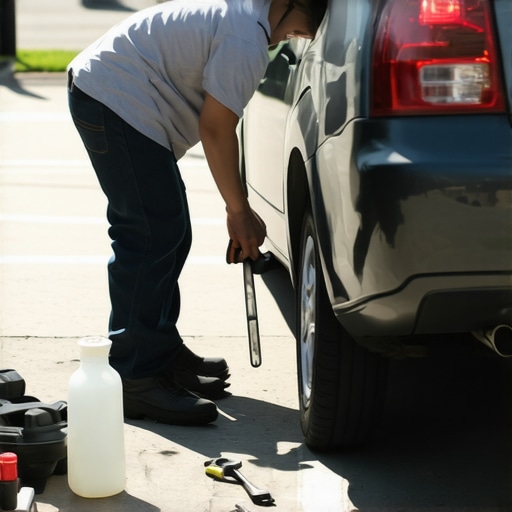 Many enthusiasts and even seasoned DIYers often fall into the trap of oversimplifying auto repair advice, believing that following a set of basic tips guarantees maximum savings without risking quality. The reality is that what works for a beginner might not be effective—or even safe—for someone looking to truly optimize vehicle maintenance and repair. One common myth is that all repairs can be easily tackled with YouTube tutorials, but in practice, this can lead to overlooked nuances and improper fixes that compromise safety and longevity. For instance, a seemingly straightforward task like replacing brake pads requires an understanding of proper torque specifications and safety procedures, which many DIY guides oversimplify or omit. Rushing into repairs without recognizing these subtleties can cause further damage or jeopardize safety.
Another misconception is that the cheapest parts always provide the best value. While shopping for discounts is smart, opting for subpar components can lead to frequent breakdowns and higher long-term costs. Expert advice suggests balancing cost with quality—sometimes paying a little more upfront for parts that last longer and perform better is the smarter choice. This is supported by research from the Automotive Maintenance Association, which indicates that quality parts and proper installation significantly reduce repair frequency and costs over time.
What many drivers overlook is the importance of advanced diagnostics. Modern vehicles are equipped with sophisticated sensors and computer systems, and ignoring these signals can cause minor issues to snowball into costly breakdowns. For example, ignoring a subtle check engine light may seem harmless, but as explained in How Advanced Vehicle Diagnostics Prevent Costly Breakdowns, early detection and professional diagnostics can save hundreds of dollars by catching problems before they escalate.
A critical trap to avoid is underestimating the complexity of certain repairs. While some tasks appear simple, they can involve hidden challenges like proper alignment, calibration, or torque specifications. Attempting these repairs without proper knowledge can lead to safety issues or damage that ends up costing more than professional service. Recognizing when to seek expert help is an advanced skill that separates savvy DIYers from amateurs.
Have you ever fallen into this trap? Let me know in the comments.To keep your vehicle running smoothly over time, investing in the right tools is essential. I personally rely on a high-quality socket set, like the Craftsman Mechanics Tool Set, because it covers a wide range of sizes and is durable enough for frequent use. Having a reliable jack, such as a hydraulic floor jack, makes lifting your car safer and easier, especially when performing tasks like tire rotations or brake inspections. For more precise diagnostics, I use an OBD-II scanner like the BlueDriver, which provides clear error codes and helps me decide whether a problem is minor or requires professional attention. These tools have paid for themselves many times over by allowing me to handle routine maintenance without costly trips to the shop.
Lessons the Garage Won’t Reveal
- One of the biggest revelations was realizing that many repairs are more about knowing what to check than actually fixing complex parts. The moment I stopped fearing the engine and started understanding its basic components, I felt empowered and less vulnerable to overcharging.
- I learned that patience is a secret weapon. Rushing into repairs without proper prep or understanding often leads to mistakes that cost more in the long run. Taking my time, doing thorough research, and double-checking my work saved me from costly errors.
- The importance of balance became clear. While DIY fixes are great for simple issues, trusting experts for complicated tasks like transmission work saved me from dangerous mistakes. Knowing when to step back and call a professional is a skill worth mastering.
Tools and Resources That Became My Auto Allies
- The Craftsman Mechanics Tool Set has been a game-changer—durable, versatile, and worth every penny for DIY repairs.
- An OBD-II scanner like BlueDriver transformed my understanding of what my car was trying to tell me, making diagnostics quick and accurate.
- Online tutorials and forums, especially sites like Auto Repair Hacks, provided step-by-step guidance that boosted my confidence and skills.
- Books such as “Auto Repair for Dummies” gave foundational knowledge that made even complex repairs feel approachable.
Embrace Your Repair Journey Today
Taking control of your vehicle maintenance isn’t just about saving money—it’s about empowering yourself and building confidence. Every small repair you tackle adds to your skill set and reduces dependency on costly mechanics. Remember, the road to becoming a confident DIYer starts with a single step, so why not begin today? Your car—and your wallet—will thank you.
What’s the first repair you’re thinking of trying on your own? Share your plans or questions below—I’d love to hear from you!