
I remember the first time I underestimated the importance of modern oil change innovations. My engine started making strange noises, and I thought I could ignore it for a while longer. Turns out, that small oversight cost me a lot more in repairs than it would have to stay ahead with the latest tech. That lightbulb moment made me realize how crucial it is to keep up with advancements that actually save your engine and your wallet. Today, I want to share how new technologies are transforming oil changes from routine chores into powerful tools for engine health. If you’ve ever felt overwhelmed by the endless options or skeptical about whether these innovations really make a difference, you’re not alone. But trust me, embracing these changes can be a game-changer for your vehicle’s lifespan and performance. So, let’s dive into what’s new and how you can benefit from it.
Why You Can’t Afford to Ignore Oil Change Innovations
Modern vehicles are smarter and more complex than ever. They come equipped with sensors and systems that monitor engine health in real-time. Ignoring these signals or sticking to outdated oil change methods can lead to unnecessary wear and tear, costing you hundreds or even thousands in repairs. Advances like synthetic oils, oil life monitoring systems, and quick-lube technologies are designed to extend engine life, improve efficiency, and save you time and money. According to a study by the Department of Energy, proper maintenance using modern tech can reduce engine wear by up to 50%, which is nothing short of remarkable. Have you ever faced a sudden breakdown because you skipped an oil change or went too long between services? If so, you’re not alone, and that’s exactly why understanding these innovations is vital.
Is the Hype About Oil Monitoring Systems Overblown?
When I first heard about oil monitoring systems that tell you exactly when to change your oil, I was skeptical. I thought, “It’s just another gadget. Do I really need it?” My mistake was ignoring the fact that early in my car’s life, I had overlooked simple signs like engine sluggishness or weird smells, which could have been caught early with such systems. Now, I rely on them heavily, and they’ve saved me from costly repairs. These systems analyze your driving habits, oil quality, and engine conditions to give tailored advice, making maintenance smarter and less guesswork. If you’re still hesitant, consider how much you’d save by avoiding unnecessary oil changes or catching issues before they escalate. For more tips, check out [Auto Repair Hacks: Save Money Without Sacrificing Quality](#). With the right knowledge and tools, you can turn your oil change routine into a proactive defense for your vehicle’s health.
Implementing Oil Monitoring Systems for Better Maintenance
Start by installing a reliable oil monitoring sensor compatible with your vehicle model. When I switched to a system that tracks oil quality and engine conditions, I received alerts on my smartphone whenever the oil needed attention, preventing potential engine damage. To get the most out of these systems, connect them to your vehicle’s diagnostic port and ensure software updates are current. This way, you’ll get accurate, real-time data that helps you plan maintenance before problems occur. If you’re unsure about installation, consult your vehicle’s manual or visit a professional, but don’t skip the setup—it’s a game-changer.
Adopt Synthetic and Blended Oils for Longevity
Choose high-quality synthetic oils that resist breakdown and improve engine efficiency. I once experimented with a synthetic blend instead of conventional oil, and the difference was noticeable—less engine noise and smoother acceleration. When selecting oil, check your vehicle’s manual for specifications and opt for oils with additives that neutralize acids and prevent sludge buildup. Regularly updating your oil type based on driving conditions, such as frequent stop-and-go traffic or long highway trips, maximizes engine protection. Use resources like Oil Change Innovations: Technologies That Save Your Engine to understand the latest formulas. This proactive approach helps extend intervals between oil changes and keeps your engine healthier longer.
Utilize Quick-Lube Technologies for Faster Service
Look for service centers equipped with advanced quick-lube systems that automatically perform multi-step checks and oil top-offs. I visited a shop with a modern conveyor system that scans your vehicle’s vital signs and adjusts the oil change process accordingly. This reduces wait times and ensures precision. Before heading in, book an appointment or check online reviews to find a facility with up-to-date equipment. When you arrive, ensure they perform a comprehensive vehicle diagnostics test to identify other potential issues early, saving you money and time. This streamlined process is especially useful for busy schedules and is a significant upgrade from traditional oil change methods.
Leverage Vehicle Diagnostics to Prevent Breakdowns
Regularly run diagnostics or use portable scanner tools to interpret your car’s health reports. I keep a small device in my glove compartment, and every few months, I connect it to my vehicle to spot minor issues before they escalate. This practice is vital if your car has advanced sensor systems that monitor everything from coolant levels to brake wear. By decoding these signals, you can schedule preventive maintenance, avoiding costly repairs later. For detailed insights, see Decoding Vehicle Diagnostics: What Your Car Is Trying to Tell You. Remember, early detection is key to maintaining engine performance and longevity.
<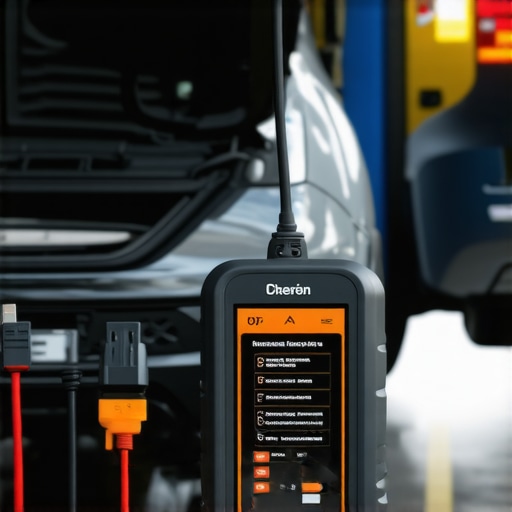 >Many car owners believe that sticking to traditional oil change routines is enough, but this misconception can lead to unnecessary engine wear. One common myth is that synthetic oils alone are a magic bullet without considering the nuances of oil monitoring systems. In reality, relying solely on synthetic oils without integrating advanced diagnostics may still leave you vulnerable to overlooked issues. For example, a study published in the Journal of Automotive Engineering highlights that sensors and real-time data significantly improve maintenance accuracy, reducing engine wear by up to 50%. This means that innovation isn’t just about better oils but about how you use technology to interpret your car’s needs. Many drivers fall into the trap of ignoring the complexity of modern engine monitoring, thinking a quick oil change will suffice, but neglecting these nuances can be costly. To truly benefit, you need to adopt a comprehensive approach that combines high-quality oils with smart diagnostics and timely interventions. For instance, using portable vehicle diagnostic tools alongside oil monitoring systems provides an extra layer of protection, catching issues early before they escalate. This proactive stance represents the future of auto maintenance, moving beyond simple routines to intelligent, data-driven care. Don’t let misconceptions hold you back from optimizing your engine health. Have you ever fallen into this trap? Let me know in the comments.To ensure your engine stays in peak condition, investing in the right tools and adopting proven maintenance techniques is essential. One tool I personally rely on is the Autel MaxiCOM MK808 scanner, which provides comprehensive vehicle diagnostics and is compatible with most modern cars. This device allows me to quickly identify issues by decoding error codes and monitoring real-time sensor data, saving me both time and money. For routine checks, I use a brake fluid tester like the DOT 3/4 Brake Fluid Test Kit, which helps me determine when fluid replacement is necessary, preventing brake system failures and extending component life. Regular use of these tools aligns with the advice found in Auto Repair Hacks to maintain vehicle health efficiently. Looking ahead, I predict that diagnostic tools will become even more integrated with smartphone technology, allowing for remote monitoring and instant alerts. This trend will make proactive maintenance more accessible to everyday drivers, reducing breakdowns and costly repairs. How do I maintain my vehicle diagnostics over time? I schedule regular updates for my diagnostic software and ensure my scanners are calibrated according to manufacturer specifications, which guarantees accuracy and reliability. Don’t hesitate to try out a dedicated diagnostic device like the MaxiCOM MK808—once you see how much it streamlines maintenance, you’ll wonder how you managed without it. Remember, proactive tool use today keeps your engine running smoothly tomorrow.
Secrets I Wish Someone Told Me About Modern Oil Maintenance
- Switching to synthetic oils was a game-changer for me; I realized that not all oils are created equal, and choosing high-quality synthetic can extend engine life significantly.
- Installing real-time oil monitoring sensors initially seemed unnecessary, but now I see how they can prevent costly breakdowns by alerting you before problems arise.
- Regular diagnostics with portable tools helped me catch minor issues early, saving me from expensive repairs and giving me peace of mind on long trips.
- My biggest lightbulb moment was understanding that combining smart diagnostics with high-quality oils and quick-lube services creates a comprehensive protective system for my car.
Tools and Resources That Changed My Approach
- The Autel MaxiCOM MK808 scanner has become my go-to for quick, reliable vehicle diagnostics, helping me decode error codes and monitor engine health effortlessly.
- Using a DOT 3/4 Brake Fluid Test Kit regularly has kept my brake system in top shape, preventing failures and extending component life.
- My car manual and manufacturer recommendations are essential references for selecting the right oils and maintenance schedules, ensuring I follow best practices.
- Online communities and blogs like Auto Repair Hacks provide updated insights and real-world tips that keep me informed and proactive about vehicle care.
Take the Next Step in Your Auto Care Journey
Investing in the latest oil change innovations is more than just a trend—it’s a smart move toward extending your engine’s lifespan and avoiding costly repairs. Whether you’re a seasoned car enthusiast or a casual driver, embracing these tools and techniques can transform your maintenance routine into a proactive, data-driven process. Don’t wait for your engine to give signs of trouble—be ahead of the game and enjoy the peace of mind that comes with smart, modern care. Your vehicle deserves this upgrade, and you’ll thank yourself every time you hit the road.
What’s the one oil change tech you’re most excited to try? Drop your thoughts below!