
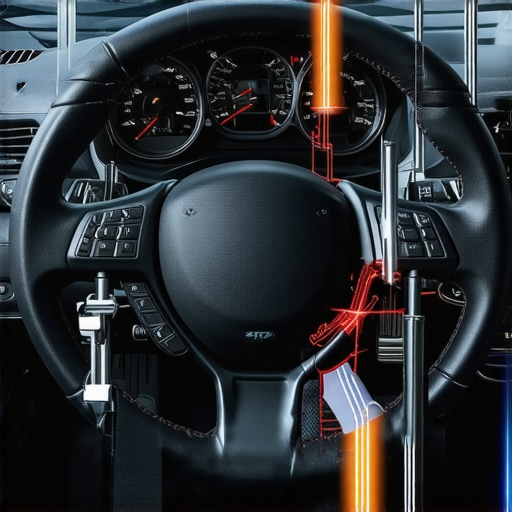
It happened suddenly one morning. I was cruising down the highway when I lightly pressed the brake pedal, and out of nowhere, my steering wheel shook violently. At first, I thought I was imagining things, maybe my grip was loose. But no — that jarring vibration persisted every time I slowed down. Frustrating, unsettling, and downright dangerous. That lightbulb moment made me realize just how critical proper brake and steering system health really is. If this sounds familiar to you, you’re not alone. Many drivers face this perplexing issue, wondering, “Why does my steering wheel only shake when I hit the brakes?”
Getting to the Root Cause of the Shaking Steering Wheel
Understanding why your steering wheel shakes during braking isn’t just about fixing a squeak or a quirk — it’s about safety. The shaking could indicate several underlying problems, from warped rotors to uneven tire wear. The good news? Many of these issues are manageable, and some can be addressed with simple inspections and DIY remedies. But before you dive into fixing anything, it’s crucial to know what pitfalls can trip you up. Early on, I made the mistake of assuming it was just brake pad wear, leading me down the wrong path and risking further damage. Learn from my mistake and ensure your diagnosis is accurate.
Is It Really Worth Worried About? The Shaking and Your Safety
Initially, I dismissed the vibration as a minor inconvenience. Maybe a slight warp or a balance issue. But ignoring the problem can escalate quickly. The shaking is a clear warning sign that your braking system is compromised, and if left unchecked, it can lead to more severe issues like brake failure or damage to your suspension components. According to experts, this problem should never be taken lightly; addressing it promptly can save you money and, most importantly, your safety. For a deeper understanding, check out this detailed article about the terrifying reasons behind steering vibrations at highway speeds.
Pull Out Your Tools and Prepare for Inspection
Start by parking your vehicle on a level surface, engaging the parking brake, and turning off the engine. Gather essential tools: a jack, jack stands, a wrench set, and a flashlight. I once attempted this by just turning the wheels and blindly guessing—resulted in more confusion. Instead, I jack up the car securely, so you can manually check the components without risk. Listen for any unusual sounds as you rotate the wheels by hand; this can reveal worn or damaged parts early on.
Check Brake Rotors for Warping or Damage
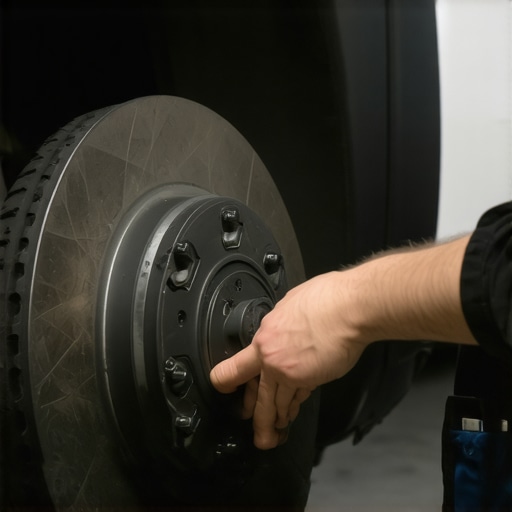
Remove the wheels to expose the brake rotors—imagine them as the bicycle’s rim but for your car. Use a dial indicator or a ruler to measure rotor thickness at multiple points. Variations over 0.015 inches indicate uneven warping. Visual signs like scoring, grooves, or cracks also point to need for replacement. I once spotted deep grooves on my rotor, which led me to replace it—restoring smooth braking. For ongoing issues, consider if your rotors have been subjected to excessive heat cycles, which can cause warping over time.
Assess Brake Pads and Calipers
Inspect the thickness of the brake pads through the slots or by removing the caliper. Worn pads under 3mm should be replaced to prevent metal-to-metal contact. Check that calipers slide freely; sticking calipers cause uneven pressure, leading to rotor warping. Push the piston back slowly with a C-clamp to reset the caliper when installing new pads. Failing to do this can result in insufficient brake pad contact, increasing uneven wear, or caliper binding, which complicates diagnostics. For precise caliper checks, use a caliper piston compression tool and consult the power steering guide for related insights.
Examine Wheel Balance and Alignment
Improper wheel balance creates vibrations that mimic brake-related shaking. Spin each wheel on a balancing machine or, if unavailable, observe the tire for uneven wear or bulges. Move the car slowly and feel for vibrations; if the steering trembles at higher speeds but smoothens at lower speeds, imbalance might be at play. During my DIY repair, I used household weights to balance a wobbling wheel, which temporarily improved my ride but professionally balancing was necessary for a long-term fix. Regular alignment ensures the wheel tracks straight, reducing uneven rotor wear that amplifies vibrations—consider this step if you notice steering pulling aside post-repair.
Inspect Tire Condition for Uneven Wear
Uneven tire wear can cause vibrations during braking. Check for cupping, feathering, or bald spots. Rotating your tires every 5,000 to 7,500 miles prevents uneven wear patterns. I once ignored tire wear signs, leading to increased brake vibrations; once I replaced the tires, the shaking diminished. Use a tread depth gauge to assess wear and consider a professional alignment if wear patterns are irregular. This proactive measure sustains even brake pad pressure distribution and prolongs component life.
Decide When to Seek Professional Help
If after these checks the problem persists, it might be time for expert assistance. Specialized equipment like rotor lathes and alignment tools can find issues beyond DIY capabilities. Also, consider potential internal caliper or suspension problems. Never ignore consistent vibrations; they could be symptomatic of a failing component that risks your safety. Visiting a trusted mechanic with the preliminary diagnostics you’ve gathered speeds up the repair process and ensures you’re not overlooking hidden damage.
 Many car owners believe that routine maintenance tasks like oil changes or brake services are straightforward, but there’s often a deeper layer of nuance that most folks overlook. One prevalent myth is that synthetic oils last forever, leading to neglect that accelerates engine wear — in reality, research shows that timely oil changes are critical to engine longevity, especially considering how synthetic oils can degrade faster if contaminated or used improperly. Additionally, many assume that brake squeal always indicates worn pads; however, factors like moisture or dust accumulation can cause squealing without actual component wear, potentially leading to unnecessary replacements.
Are modern sensor failures primarily due to age, or do external factors play a bigger role?
Advanced diagnostics reveal that environmental influences, like pressure washing or exposure to road salt, can cause sensors to fail prematurely, contradicting the common belief that sensor lifespan is solely dependent on mileage. For example, brake pressure sensors are notably sensitive; pressure washing can introduce moisture that triggers sensor errors, as discussed in this article. Understanding these hidden factors helps prevent costly, unnecessary repairs and ensures more accurate diagnostics. Moreover, a frequent mistake is assuming that every warning light signifies a critical problem; some alerts, like minor coolant leaks or loose fuel cap indicators, are easy to overlook but can cause long-term damage if ignored. Engaging in DIY diagnostics without proper knowledge might seem cost-effective but can backfire, especially when it leads to misinterpreting complex system interactions. For instance, replacing a transmission fluid without confirming it’s a genuine issue might do more harm than good, as highlighted in this insight. Always remember, a nuanced approach involves understanding how various components interplay and recognizing external influences. In the end, comprehensive diagnostics go beyond scanning for codes; they require considering environmental, operational, and vehicle history factors. Have you ever fallen into this trap? Let me know in the comments.
Prioritizing Maintenance with the Right Equipment
Keeping your vehicle in peak condition requires more than just routine checks; it demands precision tools tailored for specific diagnostics and repairs. Personally, I rely heavily on a digital automotive scanner, like the Autel MaxiSys, because it offers comprehensive code reading and real-time data, allowing me to identify issues early—saving time and money. Unlike generic scanners, this device supports deep diagnostics compatible with various vehicle makes, which is essential as car systems become more complex. Investing in quality diagnostic tools pays off by enabling accurate troubleshooting, especially when dealing with modern systems like GDI engines, where carbon buildup prevention is critical.
Tools I personally trust for repairs and maintenance
For oil changes, I prefer a high-quality oil extractor pump, such as the Mityvac Flexi Dive, because it minimizes mess and ensures you replace the exact amount of oil required—crucial for maintaining optimal engine health. When it comes to brake servicing, a digital micrometer is invaluable for measuring rotor thickness precisely, helping me determine whether a rotor is warped beyond safe limits or needs replacing. A reliable caliper compression tool also makes installing new brake pads easier, especially for vehicles with tight-fitting calipers. Using specialized tools ensures that repairs are not just quick but also durable, maintaining vehicle safety over the long term.
The importance of a good lift and safety equipment
Having a sturdy hydraulic lift, like the RhinoGear 1500, allows me to work comfortably underneath the car while maintaining safety standards. Pairing this with quality jack stands and wheel chocks prevents accidents and provides a stable working environment. Additionally, investing in a LED worklight ensures detailed inspections, such as checking for uneven tire wear or hidden leaks—critical during long-term maintenance routines. Remember, proper safety gear such as gloves and eye protection isn’t optional; it’s essential for preventing injuries during repairs.
Predicting future trends in diagnostics and maintenance tools
The automotive repair landscape is moving toward advanced diagnostics with AI integration. As vehicles become increasingly software-dependent, I predict that future tools will incorporate machine learning to predict failures before they occur—a proactive approach that revolutionizes maintenance routines. Early adopters who utilize comprehensive diagnostic kits now will have a significant advantage, reducing unexpected breakdowns and extending vehicle lifespan. Companies are also developing portable scan devices that connect via smartphones, making high-level diagnostics accessible to DIY enthusiasts. Embracing these developments will redefine how we approach vehicle care in the coming years.
How do I maintain tools and diagnostics over time?
Regular calibration and cleaning of diagnostic equipment are crucial, especially for sensitive devices like scanners and micrometers. Keep your tools stored in protective cases to prevent damage from dust and moisture. Periodic firmware updates for your diagnostic software ensure compatibility with the latest vehicle models, preventing obsolescence. Also, investing in a dedicated toolbox organizer helps keep your tools in prime condition and ready for any repair. Remember, well-maintained tools not only improve repair accuracy but also extend their lifespan, making them a cost-effective investment in your vehicle maintenance routine. For instance, following best practices like those outlined in reputable sources can help avoid unnecessary errors when diagnosing complex systems, such as automatic transmission shift issues—which, according to this article, are often due to sensor miscalibration or fluid degradation. Try implementing a routine calibration schedule for your diagnostic gear today to keep your vehicle running smoothly.
What I Wish I Knew About Vehicle Diagnostics Before My First Fix
One of the most valuable lessons I learned was to never jump to conclusions based solely on immediate symptoms. Early in my troubleshooting journey, I replaced brake pads thinking worn pads caused the shake, only to find the problem persisted. The real culprit was warped rotors hiding beneath the surface, which I discovered after a careful inspection. This taught me the importance of thorough diagnostics over quick fixes.
Another insight was understanding how environmental factors, such as road salt and pressure washing, could prematurely impair sensors and components—even if they seem fine at first glance. Keeping these external influences in mind helps prevent unnecessary parts replacement and broadens troubleshooting skills.
Lastly, I realized that modern vehicles require more than just mechanical checks; embracing diagnostic tools and technology can save you time and money. Investing in a reliable scanner and learning how to interpret its data has transformed the way I approach auto repairs, making me more confident and efficient.
Tools and Resources I Swear By for Diagnosing and Repair
- Autel MaxiSys Scanner: This comprehensive device has allowed me to delve deep into my vehicle’s electronic systems, identifying issues beyond just codes. Its compatibility with various makes and models makes it indispensable.
- Precision Brake Caliper Compression Tool: Ensures proper installation of new pads and aligns calipers perfectly, reducing uneven wear and vibrations.
- Digital Micrometer for Rotor Thickness: Accurate measurement helps determine if rotors are warped or below safe thickness, preventing unsafe driving conditions.
- Quality Jack and Sturdy Wheel Chocks: Safety first—these ensure stability during inspections and repairs, giving peace of mind while working underneath your vehicle.
These tools have significantly improved my repair quality and confidence, turning DIY projects into professional-level maintenance routines. They also remind me that investing in good equipment is ultimately a cost-saver.
Your Next Move in Keeping Your Vehicle Safe
Remember, understanding the hidden causes behind steering shake and vibrations can be transformative. The more you learn and embrace diagnostic tools, the more empowered you’ll be to handle issues early before they escalate. Don’t shy away from exploring your vehicle’s internals—your safety depends on it. The future of auto repair is moving toward smarter diagnostics, and being prepared now puts you ahead of the curve. Share your experiences and questions below—what’s been your biggest surprise in vehicle troubleshooting? Let’s learn together and keep our rides smooth and safe!