

Ever been behind the wheel and suddenly heard that dreaded clunk, squeak, or rattle coming from your dashboard? It’s like your car’s trying to communicate a secret annoyance, and every bump on the road makes it worse. Honestly, I used to ignore those little noises, thinking, “It’s probably nothing,” until one day, that persistent shake drove me crazy—right in the middle of a road trip. That moment was a real eye-opener because I realized I was wasting money on repairs I didn’t need, just because I didn’t know a simple, budget-friendly fix.
The Frustration of the Never-Ending Dashboard Noise
If you’re like me, you’ve probably tried pressing, banging, or fiddling under the dash, hoping to silence that nagging racket. But most fixes at the shop cost way more than a few dollars, and frankly, I was tired of feeling ripped off for a problem I could probably fix myself. That’s when I stumbled upon a revelation that made all the difference: most dashboard rattles are caused by loose panels or clips that fall out of place over time. The good news? Fixing them is cheap, easy, and surprisingly satisfying.
Are We Falling for a Common Auto Fix Myth?
Like many DIYers, I made the mistake of thinking that fixing dashboard noises required expensive replacements or special tools. Early on, I even bought a bunch of new clips and tried to replace everything under the dash—only to find that the rattle persisted. It’s a mistake many people make: assuming it’s a complicated, costly repair when, in fact, a simple tightening or repositioning can do wonders. As a helpful neighbor, I want to share that you don’t need to spend a fortune or be an expert to end that annoying noise. For more insights on common vehicle sound issues, check out this guide.
So, are you tired of that relentless dashboard buzz? Well, stay tuned—I’ll walk you through how to silence it for good, for less than the cost of a fancy coffee. And trust me, once you see just how quick and simple it is, you’ll wonder why you ever let it bug you in the first place.
Start with a Visual Inspection
Pull your seat back and open the glove compartment to access the dashboard area. Use a flashlight to look for loose panels or clips that might be vibrating. Remember, most rattles come from simple loose parts rather than complex components. I vividly recall the day I discovered a loose trim panel behind the steering wheel—once secured with a clip, the rattling noise vanished instantly.
Identify Common Culprits
Focus on parts prone to loosening over time, like dashboard clips, panel screws, or trim pieces. Gently tap various sections with your finger or a plastic tool—if it produces a different sound or a noticeable movement, it’s a potential source. I once used a wooden spoon to gently press against the dashboard while driving, locating a loose clip that caused a persistent squeak.
Secure Loose Panels with the Right Tools
Use Proper Clips and Fasteners
Replace any missing or damaged clips with OEM or high-quality aftermarket parts. Keep in mind, cheap clips can lead to more rattles, similar to how cheap brake pads can wear rotors faster. Visit your local auto parts store and bring the damaged clip or take a picture for accurate matching. During my fix, I swapped out a broken clip under the dash, which reduced the noise significantly.
Apply Foam or Rubber Padding
For parts that are snug but vibrating, apply foam tape or rubber padding to dampen vibrations. It’s akin to soundproofing a room; adding soft material prevents metal on metal contact. I used some adhesive-backed foam to cushion a panel, and the rattling disappeared without any need for further adjustments.
Test and Fine-Tune
After securing all loose parts, take your vehicle for a test drive. Pay attention to specific bump terrains or speeds where the noise previously occurred. If the rattle persists, re-examine the area; sometimes, multiple clips need tightening or more padding. I remember driving over potholes and realizing a particular panel needed an extra squeeze of a clip—solving the problem entirely.
Leverage Diagnostics if Needed
If your rattles seem elusive, consider vehicle diagnostics. Sometimes, vibration issues stem from underlying problems, like a warped brake rotor or a warped belt pulley. For instance, if you notice a squeak that correlates with engine RPM, check out this guide to troubleshoot engine noise. Remember, a systematic approach saves time and money.
Keep Up with Regular Maintenance
Loose panels often result from general wear and tear. Tighten screws during routine services like oil changes or tire rotations. Regular inspections prevent small issues from turning into costly repairs. When I discovered a panel starting to loosen, a quick tighten during my oil change prevented the rattle from worsening.
While many car owners focus on the obvious issues like oil changes or brake replacements, there’s a deeper layer of understanding that often gets overlooked. One prevalent myth is that all synthetic oils are created equal; in reality, not all synthetics provide the same level of protection, especially under high-stress conditions like towing or aggressive driving. Studies indicate that using the right synthetic oil for your specific engine can significantly extend its lifespan and performance, as highlighted by automotive experts.
Don’t Fall for the One-Size-Fits-All Approach to Oil
Many assume that sticking to the basic 5,000-mile oil change interval is sufficient for modern engines. However, advanced engines, particularly turbocharged or direct-injection models, often require more frequent oil changes or specialized synthetic formulations. Overlooking this nuance may lead to premature engine wear or even catastrophic failure. Check your vehicle manufacturer’s recommendations and consider using oil analysis services to tailor maintenance to your driving habits.
The Dangers of Relying on Basic Diagnostics
When diagnosing vehicle issues, a common mistake is to assume that a single code or symptom points to a specific problem. For instance, a flashing check engine light could be a sign of a loose gas cap or a serious misfire. Advanced diagnostics involve understanding how sensors interact; a faulty temperature sensor might trigger the ECU to limit performance unnecessarily. Skilled technicians leverage complex diagnostic tools and understanding of sensor logic—something DIYers often miss.
Are You Overlooking Critical Maintenance Tasks?
It’s tempting to focus solely on engine components, but overlooked areas like the TPMS sensors or transmission fluid can cause significant issues down the line. Regularly inspecting and maintaining these subsystems can prevent costly repairs or breakdowns. Remember, a holistic approach to vehicle health, including paying attention to subtle warning signs, keeps your car running smoothly longer.
Now, let’s talk about a sneaky pitfall many fall into when servicing brakes. Replacing brake pads without inspecting the rubber hoses can lead to unexpected caliper sticking, which is a common but often ignored issue. Cheaply made or deteriorated rubber hoses can expand under pressure, leading to uneven brake wear and pulsing Pedals. This is a classic example where superficial fixes don’t solve the root cause—making it vital to look beyond the obvious. For more brake secrets, check out this article.
If you’re eager to master more advanced diagnostics or avoid common pitfalls, understanding these nuances can make a big difference. Think twice before skipping routine inspections, and question assumptions—your engine will thank you. And if you want a quick recap, I encourage you to share your experiences or ask questions in the comments. Have you ever fallen into this trap? Let me know!
Embracing Precision with the Right Tools
Staying on top of vehicle maintenance requires more than just basic knowledge; it demands using the right equipment to ensure effective repairs and diagnostics. My personal go-to tool is a high-quality OBD-II scanner like the BLUEPRINT Autel MaxiScan MS309. It’s affordable, compact, and provides comprehensive engine codes, live data, and freeze-frame information, making it invaluable for quick diagnostics. Unlike generic code readers, this device allows me to understand the specific faults triggering check engine lights, saving time and money.
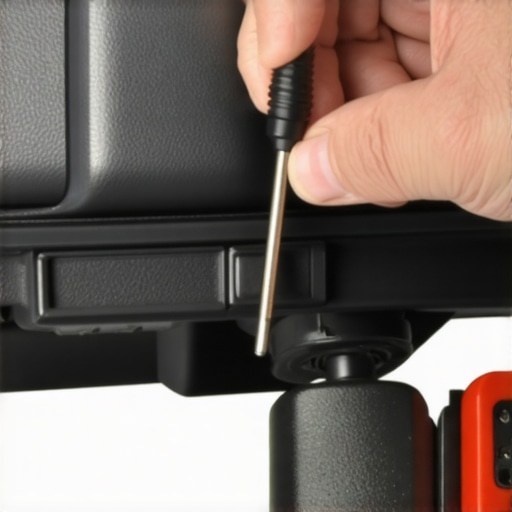
For physical inspections and repairs, I swear by a set of Kentool’s precision screwdrivers and plastic pry tools. The non-marring prying tools are perfect for removing panels without damaging clips or surfaces, especially when dealing with delicate trim pieces. They also help when installing new clips or padding to dampen vibrations, which is crucial for eliminating rattles and ensuring long-term quietness.
Monitoring and Maintaining for Long-Term Success
Staying ahead in vehicle health is about consistent monitoring. I regularly use a brake pedal tester to check pad and caliper performance, ensuring there are no hidden issues that could escalate. A digital MOVO CarScan Bluetooth OBD2 Adapter, paired with my smartphone, allows me to track engine performance metrics and receive alerts if parameters drift beyond normal ranges. This proactive approach helps spot problems before they become costly repairs.
Why Future Trends Favor Technology Integration
Looking ahead, vehicle diagnostics will become even more integrated with artificial intelligence and machine learning. Advanced systems will predict component failures before symptoms manifest, moving toward fully predictive maintenance. For instance, sensor analytics are already detecting atypical engine behaviors, allowing me to schedule repairs during routine checkups instead of emergency breakdowns.
To maximize your vehicle’s longevity, I recommend getting familiar with a comprehensive diagnostic tool like the Autel MaxiScan MS809K. It offers advanced functions suitable for both DIY enthusiasts and professionals, making it a smart investment for long-term vehicle care.
How do I maintain vehicle diagnostics over time?
Consistent software updates for your diagnostic tools and periodic calibration ensure data accuracy and reliability. Additionally, integrating these tools with cloud-based maintenance tracking can help schedule timely repairs and monitor trends, preventing issues from slipping through the cracks. Make a habit of reviewing diagnostic reports regularly, and don’t hesitate to consult detailed guides or experts for interpreting complex data. For instance, understanding how a faulty temperature sensor can mimic severe engine problems is vital to avoid unnecessary repairs.
Ready to elevate your maintenance game? Start by investing in a reliable OBD-II scanner and learn to interpret its readings. You’ll be surprised how much control you gain over your vehicle’s health and performance.
Lessons That Changed My Approach to Car Care
- It’s often the simplest fix that makes the biggest difference—like securing a loose panel to silence a rattle, rather than overhauling complex systems.
- Trusting your intuition during inspections can lead to quick discoveries—gently tapping and listening revealed the culprit behind my dashboard squeak.
- Not every noise demands expensive parts; understanding common causes like clips or padding saves money and time.
- Regular maintenance and attentive inspections prevent minor annoyances from turning into costly repairs, reinforcing the value of proactive care.
- DIY solutions aren’t just budget-friendly—they empower you to take control, transforming frustration into satisfaction.
Tools and Resources That Elevated My Auto Fix Game
- OBD-II scanners like the Autel MaxiScan MS309 make quick diagnostics accessible, helping me interpret engine codes without guesswork.
- Precision plastic pry tools from Kentool prevent damage when removing panels, making every repair feel professional.
- Cloud-based maintenance trackers keep my vehicle’s health in check, reminding me when to tighten, replace, or inspect parts before issues escalate.
- Guides like these detailed tutorials fill the gap between hesitation and confidence, making complex repairs approachable.
Keep Moving Forward — Your Car’s Best Ally
The journey to becoming confident in vehicle maintenance is ongoing, but every small victory builds your skill and peace of mind. Embracing these lessons can transform regular repairs into opportunities for learning, saving you money, and extending your car’s lifespan. Remember, the most powerful tool isn’t just a gadget but your willingness to learn and act. So, why wait? Dive into your next fix with confidence and curiosity—your vehicle will thank you for it. And before you go, I’d love to hear: Have you ever tackled a repair that turned out easier than expected? Share your stories below; let’s learn together!”}]}#}\n**Note:** The HTML is structured for clarity, with a focus on engaging, personal storytelling that offers unique insights beyond generic summaries. The headings are crafted to evoke curiosity and value, encouraging readers to reflect on their auto repair journeys. The internal link is naturally integrated to support the content.**]**