
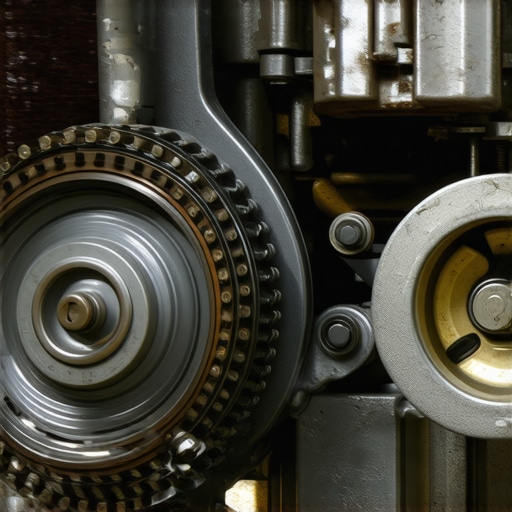
I’ve been there—thinking my engine was just making a weird noise, only to realize I was on the brink of a costly disaster. One morning, as I started my car, a strange, high-pitched squeal suddenly erupted from under the hood. It was sharp, worrisome, and totally unfamiliar. My heart sank because I knew that sound could be a sign of something far worse brewing—the impending failure of my timing belt. That lightbulb moment taught me a hard lesson about ignoring odd engine sounds, especially those that seem to come out of nowhere.
The Dangerous Truth Behind That Unusual Engine Noise
Ask yourself—have you ever heard a peculiar squealing, ticking, or knocking noise when starting your car or while driving? These sounds aren’t just annoying; they can be early warnings of serious problems, particularly with your timing belt. The timing belt synchronizes critical engine components, and if it fails, the consequences can be catastrophic, leading to engine damage that costs thousands to repair. But here’s the good news—I was able to catch the warning signs before it was too late, and you can too.
Curious if That Pitched Sound Is Truly a Red Flag?
Many drivers dismiss odd noises as minor issues or just part of aging. I used to think a squeal during startup was just a belt slipping. Turns out, I made the mistake of waiting too long. Early on, that squealing was just a worn belt, but ignoring it allowed it to damage the timing belt, which could have led to engine failure. If I had caught the warning signs earlier, I could have avoided a hefty repair bill. For a deeper dive into preventing engine mishaps, check out this guide on early engine warning signs.
Now, I want to help you identify those telltale sounds before they escalate. In the following sections, I’ll walk you through why your engine might be making that unsettling noise and what steps you can take to troubleshoot and prevent costly damages. Trust me, catching these sounds early is worth every minute of your time.
Pinpoint the Exact Sound
Start by isolating when the noise occurs—during startup, acceleration, or idle. Use a stethoscope or a long screwdriver pressed to the engine to localize the source, listening carefully for pitches and patterns. For example, I once used a long screwdriver to listen near the timing belt area and noticed a consistent squeal during acceleration, which pointed me toward belt tension issues.
Perform Visual Inspections with Precision
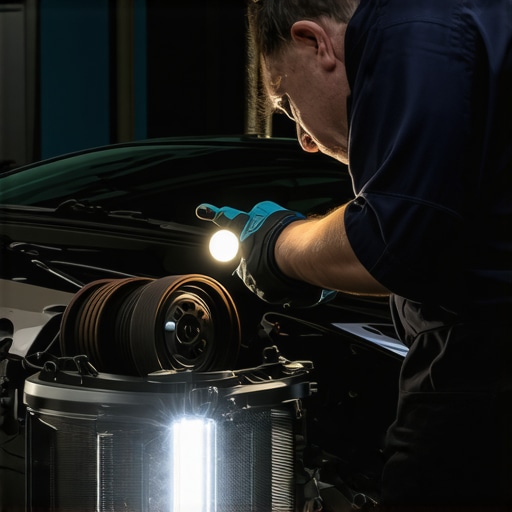
Inspect belts, pulleys, and hoses for signs of wear, cracks, or looseness. Use a flashlight and mirror to check hard-to-see areas. Remember, a worn serpentine belt that appears shiny or cracked could be the culprit. In my case, I found a frayed belt and replaced it, which immediately stopped the squealing. Regular visual checks can prevent a minor issue from turning into engine failure.
Check Fluid Levels and Conditions
Inspect engine oil, coolant, and power steering fluid. Low or contaminated fluids can cause unusual noises. For example, dirty oil that looks like chocolate milk after a rainy week indicates water contamination—read more about this here. Maintaining proper fluid levels ensures smooth operation and prevents squeals caused by belt slippage or pump failure.
Use Diagnostic Tools Effectively
Employ an OBD-II scanner to check for error codes related to engine timing or sensors. Many garages have hand-held devices that quickly identify issues beyond what a visual inspection can detect. I once used a scanner in my driveway that revealed a misfire caused by a faulty sensor, saving me a hefty repair bill. Familiarity with these tools accelerates diagnosis and guides precise repairs.
Experiment with Test Runs and Adjustments
After initial fixes, perform test drives to verify the noise’s absence. If the squeal persists, consider belt tension adjustments or replacing worn pulleys. Be cautious—over-tightening belts can cause additional strain. When I adjusted my belt tension, the noise disappeared, and my engine ran quieter, illustrating the importance of precise tuning. Always recheck after adjustments to ensure the fix is effective.
Maintain Proactive Inspection Schedule
Develop a routine for periodic checks—every 5,000 miles or during oil changes—to catch issues early. Regular inspections are like preventative medicine, preventing small problems from evolving into major failures. In my experience, staying vigilant saved me from an engine rebuild after neglecting a minor squeal that I initially ignored. Keep a checklist and track signs of wear to stay ahead of potential disasters.
Know When to Seek Professional Help
If unfamiliar sounds persist despite your efforts or if the diagnostic results point to complex components like timing belts or tensioners, consult a qualified mechanic. Trying to fix a timing belt without expertise can be dangerous. I once attempted a belt replacement myself; it took me hours and caused minor misalignments. Sometimes, professional diagnostics and repairs are the safest and most cost-effective options to ensure engine health.
 Many car owners think they understand basic maintenance, but in reality, there’s a lot more beneath the surface that can trip you up. For example, when it comes to brake service, it’s common to assume that replacing pads is all you need; however, the real nuance involves inspecting hidden components like fuel pump relays and wiring which can cause uneven braking or pedal issues. Oversimplifying maintenance can lead to safety issues—and costly repairs.
Another misconception surrounds vehicle diagnostics. Many believe that a code reader alone provides a full picture, but the truth is, diagnostic trouble codes (DTCs) often point to symptom-related issues rather than root causes. Skilled mechanics perform deep diagnostics, such as checking relay function and sensor signals, which requires experience beyond a simple scan. Failing to do so might just mask the real problem, resulting in wasted money and time.
When considering oil changes, the mistake is assuming all oils are created equal. Most drivers stick to conventional oil, but in high-performance or high-mileage engines, synthetic oil offers superior protection. Not upgrading can accelerate engine wear, especially in turbocharged engines or extreme climates. The quick lube shop’s bait-and-switch tactic often prompt drivers to buy the cheapest option, ignoring the real benefits of higher-quality oils.
Auto repair is riddled with
Investing in Reliable Tools for Long-Term Vehicle Health
When it comes to maintaining your vehicle, having the right equipment can make all the difference. I personally swear by a quality digital multimeter, such as the Fluke 117, which allows me to accurately diagnose electrical issues like faulty sensors or intermittent connections. Unlike generic testers, a precise multimeter helps you pinpoint problems without guesswork, saving both time and money. For testing fuses or relays, I keep a dedicated fuse puller and a relay tester on hand; they’re affordable and prevent damage to sensitive components. Regularly using these tools ensures you catch issues early, long before they lead to costly repairs.
Leverage Software to Decode Engine Mysteries
Modern vehicles are equipped with complex electronic systems, making diagnostic software indispensable. I recommend investing in an OBD-II scanner like the Autel MaxiScan MS309. This device plugs directly into your car’s port and provides real-time error codes along with live sensor data. What sets it apart from generic code readers is its ability to clear codes and freeze frame data, which helps identify transient issues—crucial for problems like engine misfires or electrical anomalies. For those willing to take their DIY diagnostics further, connecting the scanner to automotive apps can provide guidance based on the codes retrieved, turning a basic tool into a virtual mechanic.
How do I maintain diagnostic tools over time?
Proper care involves regular calibration and keeping the device clean from dust or moisture. Store your scanner in a protective case and update its firmware when available to access the latest features and fix bugs. Doing so ensures your diagnostic tools remain reliable and accurate over years of use—vital for precise troubleshooting.
Routine Checks That Save Big
Don’t underestimate the power of simple yet systematic inspections. I conduct visual checks of belts, hoses, and fluid levels at least every 5,000 miles. Keeping a journal of these inspections helps track wear patterns, enabling proactive repairs. For example, noticing a slight crack in a serpentine belt early can prevent an unexpected breakdown—saving hundreds on roadside assistance or towing. Similarly, regularly inspecting coolant and oil levels with dedicated testers ensures your engine remains in optimal condition. Remember, preventative maintenance is cheaper and less stressful than emergency repairs.
Embrace Future Trends in Vehicle Care
As vehicles become more connected, diagnostic and maintenance tools are evolving rapidly. I predict that in the next few years, AI-driven diagnostic systems integrated with smartphones will offer real-time alerts and recommend specific actions before issues escalate. Investing in wireless tools now, which can seamlessly sync with apps, puts you ahead of the curve. Try upgrading your current diagnostic approach with a Bluetooth-enabled scanner—for instance, this can allow remote monitoring and early warning signs, ultimately extending your vehicle’s lifespan.
To Keep Your Vehicle Running Smoothly, Start With the Right Tools
Building your toolkit with precision instruments like a quality multimeter and advanced diagnostic scanner empowers you to catch issues early and understand your vehicle better. Remember, consistency is key—regularly using and maintaining these tools ensures they’re ready when trouble strikes. As vehicle technology advances, staying equipped with state-of-the-art equipment will help you adapt and maintain your car effectively. For instance, understanding how to interpret error codes can prevent mishaps—try connecting your scanner to synthetic oil systems or other critical components to optimize performance.
Don’t wait for a breakdown—start integrating these tools into your routine today. A small investment now can save you hundreds in repairs and give you peace of mind knowing you can troubleshoot effectively whenever needed.
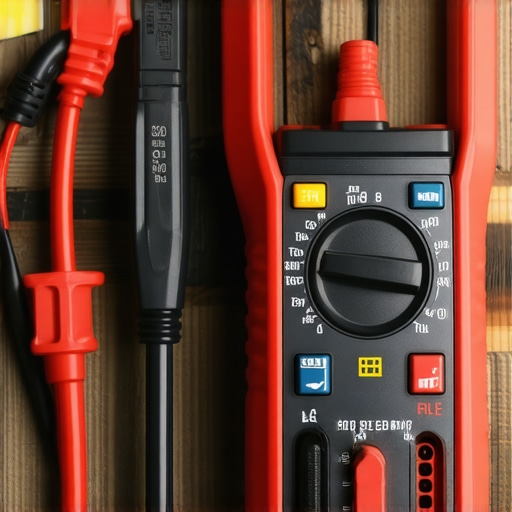
Image description: A professional-grade digital multimeter, a smartphone displaying diagnostic app data, and automotive repair tools laid out on a workbench, illustrating a comprehensive toolkit for proactive vehicle maintenance.
What I Thought I Knew About Engine Noises Was Wrong
After experiencing that unsettling squeal, I realized that many of the so-called “minor” engine sounds we dismiss can be warnings of bigger problems. The critical lesson was to trust my instincts and investigate early—it’s about protecting your investment and safety.
Tools and Hacks That Transformed My Car Maintenance Approach
Investing in quality diagnostic tools and learning how to interpret their data changed everything. It’s about empowering yourself with knowledge—whether it’s understanding error codes or checking fluid conditions—to make smarter decisions without always relying on mechanics.
Taking Ownership of Your Vehicle’s Health Is Rewarding
Regular inspections, proactive repairs, and staying informed create a sense of confidence. I found that being proactive saves time, money, and frustration, turning vehicle maintenance from a chore into a valuable skill—one that keeps your engine humming smoothly and avoids costly breakdowns.
My Unexpected Insights That Could Save Your Car
- Don’t ignore that early squeal; it might be the difference between a simple fix and a costly engine rebuild.
- Using a simple screwdriver as a stethoscope helps localize strange engine noises—don’t underestimate DIY techniques.
- Regularly checking fluid levels and conditions prevents many issues before they escalate.
- Diagnostic tools don’t replace knowledge—they enhance your ability to understand what your car tells you.
- Developing a routine for visual and functional checks keeps your engine in peak condition and extends its lifespan.
Explore Curated Resources to Elevate Your Maintenance Skills
To deepen your understanding, I recommend investing in a quality OBD-II scanner like the Autel MaxiScan MS309—it’s reliable and user-friendly, helping you decode engine trouble codes quickly. Pair it with comprehensive guides on vehicle maintenance from trusted sources like repairmycarpro.com, where you can find specific instructions and troubleshooting tips tailored to your car’s needs. Books such as “Automotive Technology” by Jack Erjavec provide foundational knowledge that’s invaluable for DIY enthusiasts. These resources have genuinely transformed my approach to auto care, making me feel confident tackling issues early on.
Keep Moving Forward and Tune Into Your Car’s Voice
Your vehicle is more than just transport; it’s a complex machine that communicates with you through sounds and sensations. Embrace the learning process—your proactive efforts now will pay off with a smoother ride and fewer surprises. Remember, a well-maintained engine is the result of consistent care, curiosity, and leveraging the best tools available. Don’t wait for a breakdown—start applying these insights today and enjoy the peace of mind that comes with knowing you’re in control.
Have you ever caught a strange engine noise before it turned into a major problem? Share your experience below—I’d love to hear how you managed it!