
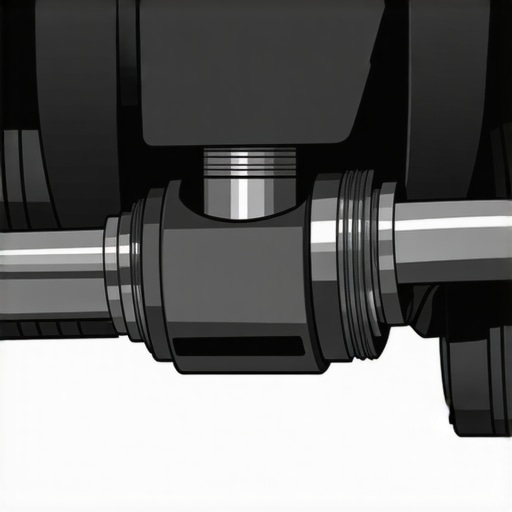
I’ll never forget the sinking feeling I had during a routine oil change. As I was under my car, I realized the engine was sluggish, and I hadn’t noticed anything unusual until that moment. That lightbulb moment made me wonder: could my catalytic converter be clogged? It’s a sneaky problem because it doesn’t always show obvious signs, but ignoring it can lead to costly repairs or even worse, stranded roadside.
Today, I want to walk you through how I learned to identify the signs of a clogged catalytic converter early on. Because believe me, catching it before the engine runs poorly or the check engine light blinks can save you heaps of money—and a lot of frustration. If you’ve ever had your car suddenly lose power or start to behave strangely, then this guide is for you. Together, we’ll explore simple methods to determine if your catalytic converter is truly the culprit, or if something else is causing your ride to act up.
Why Ignoring a Potentially Clogged Converter Can Cost You
Facing the Risks of Delay: Is a Clogged Converter Really a Big Deal?
When I first started noticing sluggish acceleration and a slight smell of exhaust fumes, I hesitated. I thought, maybe I just needed an oil change or a tune-up. It’s easy to dismiss these signs as minor issues, but what I didn’t realize was that ignoring a clogged catalytic converter can lead to increased emissions, poorer fuel economy, and even damage to other engine components. The Environmental Protection Agency notes that a failing catalytic converter can cause your vehicle to produce more pollutants—something many car owners overlook until it’s too late.
One common mistake I made was assuming that strange smells or slight power dips were just normal wear and tear. But the truth is, early detection is key. By the time your car stalls or the engine light blinks, the problem might be more serious and expensive to repair. If you’re unsure, it’s worthwhile to perform some simple checks or get a professional vehicle diagnostic—something I learned from this quick guide on vehicle diagnostics.
So, how do you know if your catalytic converter is clogged? Keep reading, because I’ll share the practical steps I use—and that you can perform too—to identify this sneaky issue early on.
Start with the Exhaust Smell and Performance Clues
When I first suspected my catalytic converter was clogged, I listened to my engine’s behavior and noted any unusual smells. A strong sulfur or rotten eggs odor often signals that exhaust gases aren’t flowing properly. Pay attention to engine sluggishness, especially during acceleration. If your car feels sluggish like trying to pedal through honey, it could be a warning sign. I once experienced this on a rainy Saturday when my car suddenly hesitated and produced a foul smell. Recognizing these early signals helped me act before costly damage occurred. For a more detailed check, consider performing preliminary vehicle diagnostics.
Perform a Backpressure Test to Confirm Blockages
One effective method I used involved checking exhaust backpressure, which indicates if gases are trapped. To do this safely, warm up your vehicle, then remove the oxygen sensor closest to the manifold. Connect a manometer or pressure gauge in its place and carefully start the engine. Elevated pressure reading compared to normal suggests a clog. Think of it like trying to blow through a straw blocked with peanut butter — resistance tells you there’s a barrier. When I did this on my SUV, the gauge shot up, confirming a partial blockage. To avoid mistakes, always follow safety precautions and, if unsure, consult a professional.
Use a Vacuum Gauge for Additional Clues
I also employed a vacuum gauge to observe engine intake pressures. Attach the gauge to a port on the intake manifold, start the engine, and compare the readings to manufacturer specs. A significantly lower reading indicates possible exhaust restrictions. Imagine the engine as a breathing creature; if its lungs (the exhaust system) are obstructed, it struggles to get air in and out. My vacuum test revealed low readings, which, along with my backpressure results, pointed toward a clogged converter. Proper interpretation of these readings can be tricky—consult vehicle diagnostics guides for precise analysis.
Inspect the Converter Visually or Remove It
If you feel confident, a direct inspection can reveal internal damage or heavy carbon buildup. Locate the catalytic converter underneath your car, and check for discoloration, soot accumulation, or physical damage. For a more thorough check, you might need to remove the component. When I did this, I found the honeycomb inside was coated in thick black deposits, confirming clogging. Be sure to support your vehicle securely on ramps or stands and follow safety protocols. If you’re unsure about removal or inspection, contacting auto repair professionals is wise.
Always Cross-Check with a Diagnostic Scanner
Modern vehicles often have onboard diagnostic systems that can detect converter inefficiencies. Using an OBD-II scanner, you can retrieve trouble codes like P0420 or P0430, indicating catalytic converter issues. I borrowed a scanner from a local tool rental shop, plugged it into my car’s port, and found these codes stored in the memory. This data reinforced my suspicion and directed my next steps. Remember, code readings need to be interpreted in context—consult advanced diagnostics resources for accurate diagnosis.
Prepare for Professional Assessment
While these DIY steps help narrow down the problem, a professional inspection often provides definitive answers. Mechanics use specialized equipment and expertise to test and sometimes even remove and test the catalytic converter directly. When I noticed persistent symptoms despite my checks, I scheduled an appointment through contacting a trusted auto repair shop. They confirmed my converter was indeed clogged and replaced it efficiently, preventing further damage to my engine and improving my fuel economy.
Why Most Car Maintenance Advice Misses Critical Nuances
Many car owners rely on popular beliefs or quick fixes when it comes to essential services like brake repairs and oil changes. While these tips might seem effective on the surface, they often overlook nuanced details that can significantly impact vehicle longevity and safety. For instance, believing that all brake pads wear evenly can lead you to ignore uneven signs that suggest underlying problems—a trap I fell into early in my mechanic journey. Recognizing these subtleties is vital; otherwise, you risk premature component failure or safety hazards.
Why The Quality of Parts Outweighs the Price Tag
There’s a common misconception that cheaper auto parts are equally reliable. In my experience, this isn’t accurate. High-quality components, though more expensive upfront, often last longer and perform better, ultimately saving you money. According to auto repair experts, investing in OEM parts can prevent recurring issues that cheaper knock-offs might cause. Always consider the hidden costs of frequent replacements when choosing parts—it’s a nuance most overlook.
Beware the Oops of Relying Solely on Diagnostic Codes
Many drivers assume that pulling a trouble code guarantees a pinpoint diagnosis. However, codes like P0420 don’t specify whether your catalytic converter is entirely dead or just slightly clogged, leading to potential misdiagnosis. I learned this the hard way when my mechanic just replaced a presumed faulty converter based solely on a code, only to realize later that a simple exhaust leak was the actual culprit. For well-rounded diagnostics, integrating data from easy pre-trip checks and professional inspection is crucial. Remember, relying solely on scanners can be a costly mistake.
Can You Trust Your Gut or Is It a Trap?
In auto repair, often our intuition is challenged by common myths. For example, many think that a small leak from the brake caliper isn’t urgent. The reality? Even minor leaks can escalate quickly, compromising safety and causing uneven brake pad wear. Never dismiss subtle signs—what seems minor now can turn into a major repair later. *Always* cross-check symptoms with trusted guides like brake service essentials.
Have you ever fallen into this trap? Let me know in the comments.
Investing in Quality Diagnostic Equipment for Longevity
One of my go-to tools for maintaining vehicle health is the OBD-II scanner. Unlike basic models, I opt for advanced devices like the Autel MaxiCOM, which offers comprehensive code reading, live data streaming, and freeze frame analysis. This level of detail allows me to pinpoint issues like fuel mixture anomalies or sensor failures early, saving me costly repairs. I rely on these diagnostics regularly, especially before long trips, to ensure all systems are functioning optimally. For drivers serious about proactive maintenance, investing in a high-quality scanner pays off in the long run.
The Value of Reliable Vehicle Inspection Methods
In addition to electronic tools, I use visual inspection techniques like a magnetic borescope. This narrow camera is invaluable for peering into hard-to-reach areas such as the inside of the catalytic converter or engine block without disassembly. It’s a game changer for early detection of internal damage or excessive wear, which otherwise might require costly teardown. I recently used a bore scope to check for internal soot buildup, confirming my suspicion of a clogged converter. This simple yet effective tool complements electronic diagnostics perfectly.
Long-Term Maintenance Tactics for Vehicle Performance
Maintaining vehicles isn’t just about fixing problems when they arise; it’s about consistent, strategic upkeep. I schedule regular fluid analyses using test kits that detect engine oil degradation or cooling system contaminants. These tests alert me to issues before symptoms become severe, allowing for timely interventions. Going a step further, I automate reminders for scheduled services, integrating data from my diagnostic tools for a comprehensive maintenance plan. This approach ensures my vehicle remains reliable, fuel-efficient, and safe over years of use.
How do I keep my vehicle running smoothly over time?
My strategy involves a combination of routine inspections, using high-grade parts like OEM replacements, and leveraging technology for accuracy. For instance, I adhere to auto repair hacks by always sourcing quality components, which reduces the frequency of repairs. Additionally, I perform periodic diagnostics—not just when issues surface—so I catch potential failures early. This proactive mindset, paired with precise tools, keeps my vehicle performing at its best, saving money and increasing safety.
The Future of Vehicle Maintenance
As vehicle technology advances, I predict an increased reliance on integrated diagnostic systems and machine learning algorithms that predict failures before symptoms even appear. My plan is to stay ahead by investing in cloud-connected diagnostic tools that analyze trend data over time, offering personalized maintenance recommendations. Embracing such innovations will make auto repair more precise, less invasive, and ultimately more cost-effective for drivers committed to long-term vehicle health.
If you haven’t already, I recommend trying an advanced diagnostic method like the backpressure test I discussed earlier. It offers immediate insights that can save you from unexpected breakdowns. For detailed guidance on performing this test, visit this resource and give it a shot during your next maintenance session. Staying ahead with proper tools isn’t just smart—it’s essential for ensuring your vehicle’s reliability over its lifespan.
What I Wish I Knew Before Ignoring Warning Signs
The biggest lesson I learned is that strange smells and sluggish rides aren’t trivial—they’re signals. Ignoring early signs of a clogged catalytic converter can cost a fortune and compromise safety. Trust your intuition and don’t dismiss minor issues; they can snowball into major repairs.
Documenting the symptoms—like smells, performance dips, or unusual noises—helped me approach professional diagnostics more effectively. Recognizing these nuances allowed me to act quickly and save money, instead of waiting for a breakdown or more severe engine damage.
One lightbulb moment was realizing that visual inspections and simple tests like backpressure checks aren’t just DIY tricks—they’re vital diagnostic tools that preempt costly repairs. From that point, I saw myself as proactive, not reactive, in my vehicle maintenance.
My Go-To Resources for Keeping My Vehicle in Top Shape
I’m a firm believer in investing in quality tools. An advanced OBD-II scanner has become a staple for me, offering detailed insights beyond generic codes. It helps me differentiate between minor hiccups and serious issues like converter clogging or sensor failures.
For visual inspections and internal diagnostics, I rely on a magnetic borescope. It’s a game-changer, revealing internal soot buildup or broken honeycomb structures that standard tests might miss. These tools empower me to make informed decisions or know when to consult a professional.
Books like auto repair hacks have also guided me toward smarter maintenance routines, balancing cost-saving with vehicle longevity.
Charge Forward with Confidence in Your Auto Care Journey
Knowledge is power—especially when it comes to auto repairs. Trust your observations, utilize the right diagnostic tools, and seek professional help when needed. Automobiles are complex, but with curiosity and proper resources, you can prevent costly mistakes and extend your vehicle’s lifespan.
Have you ever misinterpreted car symptoms or hesitated to perform basic checks? Share your experiences below—your stories might just help someone else avoid a costly mistake!