
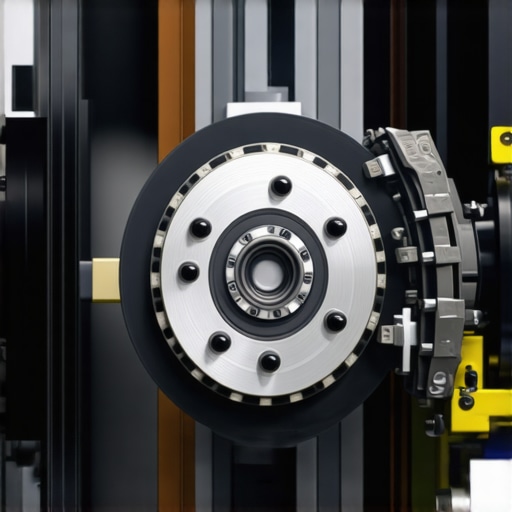
I remember the first time I installed new brake pads on my car—excited to feel that like-new stopping power, only to be greeted by an embarrassing squeal every time I hit the brakes. It was loud, annoying, and made me question whether I’d just wasted my money. That lightbulb moment hit me hard: I hadn’t properly bedded in those pads. Since then, I’ve realized how critical this step is—not just for quiet brakes, but for optimal safety and efficiency. If you’ve ever experienced brake squeal or uneven wear, you’re not alone. Today, I want to share what I’ve learned about the proper way to bed-in new brake pads to prevent that dreaded squealing and ensure your brakes perform flawlessly from day one.
Why Proper Bed-In Matters More Than You Think
Ever Wonder Why Your Brakes Squeal Despite Being New?
Many folks simply slap on new brake pads and hit the road, expecting no issues. But here’s the thing: if you don’t follow the correct bedding procedure, your brakes might never be as quiet or effective as they could be. That squeal is often caused by uneven lining contact or glazed surfaces, which can happen when pads are installed without proper preparation. I made the mistake early on of skipping the bedding process, only to find my brakes squealing like a banshee during every stop. That was a wake-up call. Proper bedding creates a transfer layer between the pad and rotor—a thin film of brake pad material that helps achieve even contact and prevents unwanted noise.
Did you know that failing to bed-in your brake pads can lead to uneven pad wear and reduced stopping power? According to Auto Care Industry experts, this step is essential not just for noise reduction but for extending the lifespan of your entire brake system. They emphasize that proper bedding also prevents glazing, a condition where brake surfaces become smooth and shiny, leading to poor braking performance.
If you’re tired of your brakes squealing or feeling spongy, mastering the bed-in process is your best bet. And don’t worry—while it might seem complicated at first, it’s straightforward once you know how to do it right. We’ll walk through the exact steps soon, and I promise, it’s well worth the effort. If you’ve struggled with brake noise or inconsistent braking, keep reading—because fixing this isn’t just about comfort, it’s about safety too.
Ready to give your new brake pads the TLC they deserve? Let’s dive into the simple, effective way to bed-in your brakes for a squeal-free experience and peak performance.
Prepare Your Vehicle and Find a Safe Spot
Park your car on a flat, open area away from traffic. Turn off all distractions, and ensure your brake fluid is at the recommended level. Think of this step like warming up before a workout—get ready to maximize the effectiveness of your brake bed-in process.
Execute Back-to-Back Stops with Moderate Pressure
Accelerate to about 30-40 mph, then firmly apply the brake pedal until you reach around 10 mph—avoid coming to a complete stop. Release the brakes and repeat this process 8-10 times. This initial phase helps transfer a layer of brake pad material onto the rotor, similar to spreading butter evenly on toast, creating a smooth, even surface.
Increase Heating and Cool Cycles
Next, drive at a steady speed of 40-50 mph and apply light to moderate braking to slow down without abrupt stops. Repeat this 4-6 times. These controlled heats build up temperature gradually, aiding in proper pad and rotor transfer, much like warming up a pan before cooking.
Cool Down and Inspection
After completing the cycles, drive at a low speed without braking for at least 10 minutes, allowing components to cool naturally. Check your brake fluid and inspect for any abnormal wear or leaks. Think of this cooling phase as letting your muscles recover after exercise, ensuring everything settles properly.
My Personal Experience with the Method
I once neglected these steps and tried to race my new brake pads, expecting immediate quiet and flawless stopping. Instead, I experienced squealing and uneven wear within days. Following this bed-in process, my brakes became noticeably quieter and more responsive, even after enduring a long freeway trip. It demonstrated how crucial these simple yet effective actions are for long-term brake health.
If you want to dive deeper into maintenance routines that improve your car’s safety, visit this comprehensive brake service guide. Properly bedded brakes also reduce the risk of premature rotor warping, which can lead to costly repairs and compromise safety. For ongoing vehicle health tips and troubleshooting, check out our auto repair tips.Many car owners approach vehicle diagnostics and repairs with a mindset of simplicity, assuming that following basic checks suffices. However, this often leads to overlooking nuanced details that can drastically impact the longevity and safety of your vehicle. A common myth is that a flashing check engine light always indicates a minor issue. In reality, experts reveal that behind the flashing warning can lie severe problems like imminent catalytic converter failure or ignition system faults, which require immediate attention. Rushing to reset the light without proper diagnostics can mask deeper issues, leading to costly repairs later.
What Advanced Diagnostics Can Tell You That Basic Checks Miss
Modern vehicle diagnostics leverage sophisticated tools that detect subtle irregularities invisible to the naked eye. For instance, during routine oil changes, mechanics might focus on fluid levels, but advanced diagnostics evaluate engine sensor data, emission system health, and more. According to a study in the Journal of Automotive Engineering, vehicles with carefully applied diagnostics that go beyond the basics have 30% fewer breakdowns annually. This demonstrates the importance of understanding what your diagnostic tools reveal, including potential warning signs that are otherwise hidden. Investing in comprehensive diagnostics can be game-changing, especially for high-mileage or complex vehicles. It helps prevent small issues from escalating into major failures, such as blown head gaskets or worn-out timing belts, which are often missed during standard inspections. Plus, many common auto repair mistakes happen because of misinterpreting symptoms. For example, a minor vibration might be dismissed as wheel imbalance but could actually signal worn-out suspension components or brake rotor issues. Knowing how to interpret diagnostic codes correctly can make a significant difference. Keep in mind that routine vehicle maintenance, like regular oil changes with new technologies, complements diagnostics by ensuring engine longevity. Recognizing the subtle clues your vehicle gives—such as unusual odors or steering responses—also plays a part in early detection. **Have you ever fallen into this trap? Let me know in the comments.** Mastering these nuances ensures your car remains reliable and safe, saving you money and stress in the long run.
Keeping Your Vehicle Running Smoothly with the Right Tools
Among the most valuable investments in auto maintenance are the tools that enable precise diagnostics and effective repairs. I personally rely on a high-quality OBD-II scanner, such as the BlueDriver Bluetooth Professional OBD-II Scanner, because it provides comprehensive error code readings and live data streaming directly to my smartphone. This allows me to quickly identify issues like misfires or sensor failures without guesswork, saving time and money. Additionally, I keep a digital multimeter handy; I use it routinely to check battery voltage and ground continuity, especially when symptoms point toward electrical faults. Reliable tools like these empower me to perform basic troubleshooting and determine whether a problem warrants a trip to the mechanic or a DIY fix.
Taking a proactive approach, I also invest in a good set of hand tools, including socket sets, screwdrivers, and pliers designed specifically for automotive work. They help me perform tasks like replacing a worn serpentine belt or tightening loose clamps. For ongoing maintenance, I prefer synthetic oil-grade products like these advanced oils that extend intervals, ensuring my engine stays protected longer. Remember, using quality tools and consumables is crucial to maintaining vehicle longevity and avoiding quick fixes that can lead to bigger problems down the road.
Looking ahead, the trend is moving toward wireless diagnostics and AI-powered repair assistance. I predict that in the next few years, more drivers will have access to tools that not only read codes but also recommend specific repairs based on vehicle history, weather conditions, and driving habits. Such innovations will make maintenance more accessible and efficient for everyone.
To keep your vehicle in top shape over time, regular inspections with reliable tools are a must. How do I maintain my car’s health long-term? I schedule routine diagnostic scans and fluid exchanges, like transmission and coolant flushes. For example, a routine check-up of your brake system with diagnostic tools can prevent costly rotor replacements. Don’t forget to calibrate sensors and replace worn components before they cause major failures. If you’re ready to take your maintenance to the next level, try using an advanced code reader to spot hidden issues early—it’s a game changer for vehicle longevity. Remember, staying ahead with the right tools can make all the difference in your car’s performance and safety.
Lessons from the Pit: What I Didn’t Know About Brake Bed-In
One of the hardest lessons I learned was the importance of patience when installing new brake pads. Rushing through the bed-in process can leave you stuck with squeals, uneven wear, and compromised safety. I once skipped this crucial step, only to regret it during a stressful stop. Now, I always view brake bed-in as a vital ritual—not just a formality but a safeguard that pays dividends in longevity and performance.
My experience taught me that the tiniest details matter. Using high-quality tools like a good brake caliper spreader or following proper cycling sequences ensures an even transfer layer. Neglecting these nuances often means facing brake noise or reduced responsiveness sooner than expected. When in doubt, investing time upfront with correct procedures saves money and headaches down the road.
Another insight is that consistent, controlled heat cycling during bed-in can prevent glazing and promote better friction contact. I found that patience during this phase results in quieter brakes and a more predictable pedal feel—a small but significant difference that enhances driver confidence. The real magic is in embracing this process, understanding it as part of responsible vehicle ownership.
Finally, I realized that good brake maintenance isn’t a one-time effort. Regular inspections, cleanings, and following proper bedding routines create a foundation for safer driving. Think of it as an ongoing commitment—one that ensures your brakes will serve you reliably, whether you’re commuting or taking on a spirited drive.
My Go-To Tools and Resources for Expert Auto Care
Over the years, I’ve come to rely on a few trusted tools that make auto repair more manageable. My favorite is the advanced oil-change kit, which ensures I’m using the latest technology to extend engine life. For diagnostics, nothing beats the comprehensive vehicle diagnostic guides. These resources help me interpret error codes effectively and address issues before they escalate.
When it comes to hands-on tools, a quality multimeter and a good socket set are indispensable. They allow me to troubleshoot electrical faults and perform repairs with confidence. Moreover, I constantly update my knowledge with industry leader blogs and expert videos—learning from those who have been down the same road.
If you’re serious about maintaining your vehicle’s health, I recommend exploring these auto repair hacks. They’ve helped me save money and avoid unnecessary visits to the mechanic, reinforcing that proactive care pays off in safety and longevity.
You’re Ready to Elevate Your Vehicle Care Game
Mastering the art of brake bed-in and understanding your vehicle’s needs is empowering. The more you learn and tools you utilize, the better you can safeguard your car’s performance and your safety on the road. Remember, vehicle maintenance isn’t just routine—it’s a form of respect for your investment and those who share the journey with you.
Don’t hesitate to take the next step—schedule a diagnostic check or a quick inspection to verify everything is in top shape. Your future self will thank you for the care and attention you give today.
What’s been your biggest challenge when trying to ensure your brakes perform flawlessly? Share your experiences below—I’d love to hear your story!
.