
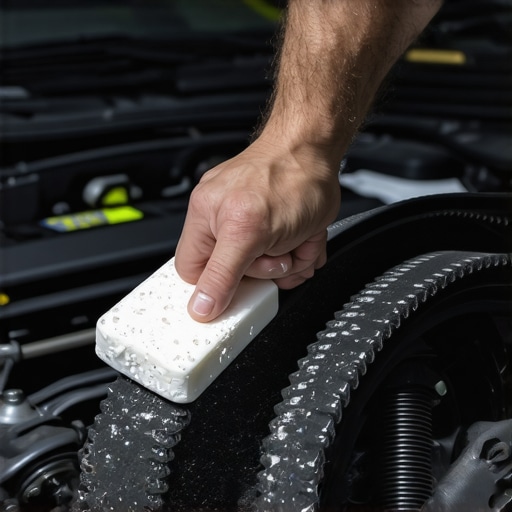
I remember the day I finally lost patience with that persistent squeak from my car’s belt. It was a gloomy Saturday morning, and I was rushing to get to an important appointment. Every time I started the engine, that high-pitched noise was like nails on a chalkboard. I tried everything—new belt, belt dressing, even a quick visit to the mechanic—but nothing stuck. Then, during a moment of frustration, a little lightbulb went off in my head. Why not give this old trick a shot? Turns out, a simple bar of soap could be just what you need to silence that annoying squeal without spending a fortune or risking more complicated repairs.
Why a Bar of Soap Can Save Your Day (And Your Ears)
It’s a surprisingly common problem. Belt squeaks are annoying and sometimes a sign that your car needs attention. But before you panic or run straight to the shop, know that there’s a quick, inexpensive fix that I’ve personally tested and recommend: using a bar of soap. This remedy works by helping the belt slide smoothly over the pulley, reducing the squeak caused by friction. Plus, it’s a temporary fix—perfect for getting you through that tricky week before you can replace or service your belt properly.
Is This Trick Really Worth the Hype?
Initially, I was skeptical—after all, how could something as simple as soap fix a mechanical squeak? Early in my auto repair adventures, I made the mistake of ignoring minor issues, hoping they’d resolve themselves. That only led to more headaches. But I’ve learned that sometimes, simple DIY solutions can be safe and effective if you know what you’re doing. Using a bar of soap is no exception—it’s a low-risk, inexpensive, and surprisingly effective method to reduce that irritating squeal, especially if you’re in a pinch. If you’re curious about more ways to keep your vehicle running smoothly, check out my guide on auto repair hacks.
Now, let’s get into how you can use this trick to restore peace to your morning commute and salvage your nerves—and maybe your car’s belt—without breaking the bank.
Prepare Your Workspace and Gather Tools
Park your car on a flat surface, turn off the engine, and engage the parking brake. Open the hood and locate the serpentine belt. Gather a bar of soap and gloves to prevent soiling your hands. I once worked in my driveway on a chilly afternoon, balancing on a stool and fumbling with a slippery soap bar—so safety first and be patient with your movements.
Access the Belt Safely
Inspect the belt’s path and identify pulleys and tensioners. Use a flashlight if needed. Loosen the belt tensioner if you plan to remove or adjust the belt, following your vehicle’s manual or online guides. During a past attempt, I accidentally loosened something I shouldn’t, causing a brief delay; so, double-check before proceeding.
Apply Soap to the Belt and Pulley
Rub the soap along the underside of the belt where it contacts the pulleys, focusing on squeaky spots. Gently work soap into the grooves—think of it like waxing a car, but on the belt. In a recent fix, I applied soap at several contact points, resulting in immediate squeal reduction. Be cautious not to let excess soap drip onto other engine components.
Adjust Belt Tension and Test
Retighten the tensioner if you released the belt. Start your engine and observe the belt’s operation. The squeak should diminish or disappear. If the squeal persists, reapply soap or consider replacing the belt. I learned through trial that maintaining proper belt tension is critical; too tight or too loose can cause issues.
Monitor and Maintain
Keep an eye on the belt over the next few days. Periodic reapplication of soap may be necessary if the squeak returns. This method is a temporary fix, so plan for a belt replacement if squeaks continue. For more comprehensive diagnostics, you can explore vehicle diagnostics.
Consider Long-Term Solutions
If squeaks persist, check for worn or cracked belts, misaligned pulleys, or faulty tensioners. Addressing these underlying issues ensures quiet operation and prevents further damage. Sometimes, a simple soap trick buys you time before a professional repair becomes necessary. For detailed brake maintenance, see brake service insights.
Many car owners believe that oil changes are just a routine chore, but in reality, they hide nuanced complexities that can impact engine health significantly. For instance, over-relying on the traditional 3,000-mile oil change interval without considering synthetic oils’ advancements can lead to unnecessary expenses or potential engine damage. Modern synthetic oils now last much longer, and experts suggest following the manufacturer’s recommendations, which often exceed that age—more info is available in my article on oil change innovations.
When it comes to vehicle diagnostics, many believe that a simple check engine light is always revealing the full story. However, there’s a common myth that reading fault codes with generic scanners provides definitive diagnoses. In fact, a deeper understanding of the nuances—like interpreting live data and sensor behaviors—can prevent costly misdiagnoses. Advanced diagnostic techniques, such as those discussed in advanced diagnostics guides, are essential for accurate repair.
Auto repair as a whole is often misunderstood as always requiring professional tools or knowledge. But the real nuance lies in recognizing which issues are safe for DIY fixes and which are traps waiting to ensnare the unwary. For example, replacing brake pads might seem straightforward, but neglecting proper bed-in procedures or installing incompatible parts can lead to premature wear or even safety hazards. Check out my in-depth discussion at auto repair hacks for smarter approaches.
The area where many are most misled is brake service. People often think that simply replacing pads is enough and ignore the importance of rotor profiling and system bleeding. This oversight can cause vibrations, uneven braking, or system failure over time. It’s crucial to understand the benefits of comprehensive brake maintenance, covered extensively in brake service myths. Without considering these nuances, you might save time in the short term but pay for it later with safety compromises.
Actionable knowledge is vital—like recognizing that ignoring small signs of wear or delays in response can escalate into costly repairs or safety issues. For example, a seemingly minor sluggishness in steering could be a sign of power steering pump failure, which requires more than just a top-up of fluid. Always review your vehicle’s condition thoroughly and stay informed—since myths and misconceptions can mask the true state of your car.
Have you ever fallen into this trap? Let me know in the comments! Remember, understanding the details rather than just following surface advice makes all the difference in vehicle longevity and safety.
Maintaining a vehicle over time requires not only knowledge but the right set of tools and consistent practices. In my experience, investing in quality diagnostic equipment and understanding some fundamental repair methods can significantly extend your car’s lifespan and reliability. One tool I highly recommend is a OBD-II scanner. It’s a compact device that connects to your vehicle’s port, allowing you to read trouble codes, clear warnings, and even access live sensor data. My personal favorite is the advanced diagnostic scanner because of its intuitive interface and detailed output, which helps me pinpoint issues before they escalate. 
Why a Good Diagnostic Setup Saves You Money
Regular use of a quality scanner helps monitor your vehicle’s health in real-time. Instead of waiting for the check engine light to turn on, you can proactively identify potential problems, such as faulty sensors or ignition issues, and address them early. This approach prevents costly repairs down the line, like engine replacements or transmission repairs. Moreover, having your own diagnostic tools empowers you to understand more about your car’s behavior, making your DIY repairs more precise and effective. Tools like a bluetooth-enabled OBD-II scanner make it easy to connect with smartphone apps, providing instant insights and saving trips to the mechanic.
Keep Up With Routine Maintenance the Smart Way
Beyond diagnostics, performing routine maintenance is vital for keeping your vehicle running smoothly. For instance, regularly checking and replacing your oil filter with proper tools ensures optimal flow and prevents engine sludge. My go-to is a high-quality oil filter wrench. Its ergonomic design and durable construction allow me to change filters efficiently, minimizing mess and ensuring a secure fit. Remember, clean filters improve oil circulation, which directly impacts engine longevity.
Future Trends in Vehicle Maintenance Equipment
Looking ahead, vehicle maintenance is leaning towards automation and smarter diagnostics. Emerging tools include AI-driven scanners that prioritize issues and suggest repairs based on your vehicle history. Electric and hybrid cars also demand specialized equipment, like high-voltage safe diagnostics. Staying updated with these innovations ensures you’re prepared for the evolving automotive landscape. I predict that in the next few years, portable, all-in-one diagnostic gadgets will become standard for enthusiasts and DIYers alike, making vehicle health monitoring easier than ever.
How do I maintain my tools and diagnostics for longevity?
Proper care and calibration are essential for preserving the accuracy of your diagnostic equipment. Store scanners in a dry, dust-free environment and periodically update their firmware or software. Also, calibrate your tools following the manufacturer’s instructions, especially after any software updates or repairs. This practice guarantees reliable readings and extends the lifespan of your investment. For instance, I always keep my scanner’s firmware up to date by connecting it to my computer and following the manufacturer’s guide, which ensures compatibility with new vehicle models and features.
If you want to start embracing advanced diagnostics today, try out a Bluetooth-enabled OBD-II scanner and pair it with a repair app on your phone. This combo can unlock detailed insights about your vehicle’s condition, catching issues before they turn into emergencies. Curious about more sophisticated auto repair methods? Visit auto repair hacks for deeper tips that save money without sacrificing safety.
The Hardest Lesson I Learned About Auto Repair
One of the most valuable lessons I discovered is that sometimes, the simplest solutions are the most effective. For instance, trying a bar of soap to quiet a squeaking belt might seem trivial, but it taught me to think creatively and avoid unnecessary expenses. Recognizing when to trust my instincts over assumptions has saved me time and money.
Overcoming Myths That Still Trip People Up
I used to believe that DIY repairs could never match professional work. But I’ve realized that understanding key concepts, like proper belt tension or diagnostic techniques, can empower you to handle many issues confidently. This shift in mindset has opened doors to savings and a greater understanding of how my vehicle works.
The Importance of Staying Curious About Your Car
Every anomaly, no matter how small, is a piece of the larger puzzle. Paying attention to unusual sounds or behaviors and researching their causes helps prevent minor problems from becoming major repairs. Cultivating curiosity about your vehicle is your best defense against costly breakdowns.
My Go-To Resources for Continuous Learning
Books like auto repair hacks have transformed my approach, offering practical tips that save money without sacrificing quality. Additionally, online forums and YouTube tutorials give visual guidance that boosts confidence. Trusting these sources has been instrumental in my DIY journey.
Embrace the Future of Vehicle Care with Confidence
Taking control of your car maintenance isn’t just about saving money—it’s about empowering yourself and developing a deeper connection with your vehicle. Start small, stay curious, and leverage the right tools and knowledge. Your journey into smarter auto care begins today—there’s a wealth of information waiting to elevate your skills.
What small repair or maintenance step are you inspired to try next? Share your thoughts below and join the community of informed car owners!