
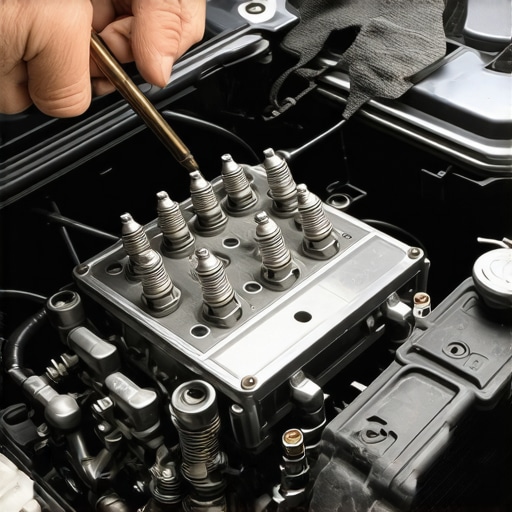
I vividly remember the day I finally decided to replace my spark plugs after weeks of rough idle and hesitation. I was convinced that new plugs would be my miracle fix, only to be greeted the next morning with exactly the same misfire and shaky acceleration. Frustrating doesn’t even begin to cover it. It felt like I had thrown money into a black hole, and honestly, I was tempted to give up altogether.
After hours of research and a few more trips to my trusty mechanic, I realized that the problem wasn’t as straightforward as I thought. The truth is, many DIYers and even seasoned enthusiasts make the mistake of assuming that spark plug replacements are always the magic bullet for engine misfires. But sometimes, the root cause is lurking elsewhere—hidden beneath the surface, waiting to surprise you. Today, I want to share what I’ve learned so you won’t fall into the same trap.
What You Need to Know Before Blaming the Spark Plugs
Replacing spark plugs is often seen as a first line of defense against engine misfires. And sure, if your plugs are old, fouled, or worn out, this simple swap can deliver noticeable improvements. But if your misfire persists after installing new plugs, don’t jump to conclusions. There’s a good chance that other factors are at play—things like ignition coils, fuel injectors, or even sensor malfunctions can be culprits. In fact, according to a study published by the Society of Automotive Engineers, nearly 30% of engine misfires are caused by ignition system issues that aren’t related to the spark plugs themselves.
Early in my journey, I made the mistake of believing that new spark plugs would instantly fix everything, neglecting the importance of inspecting the ignition coils and wiring. This oversight cost me more time and money in the long run. Trust me, my mistake is a common one, and recognizing it early can save you a lot of head-scratching and toil. For practical tips on diagnostics and auto repair strategies that extend your vehicle’s lifespan, check out this resource.
Now that we’ve covered the basics and common pitfalls, let’s dive into the specific reasons why your new spark plugs might not be resolving your engine misfire and how to approach effectively troubleshooting this common but frustrating issue.
Test the Ignition Coils Thoroughly
Next, focus on ignition coils, which act like the spark plug’s backup system, delivering the spark needed for combustion. To test them, disconnect each coil and perform a spark test using a portable tester. If a coil produces weak or no spark, replace it immediately. I once replaced a set of spark plugs only to discover that the misfire persisted because an ignition coil was faulty. Swapping out the coil resolved the issue instantly and saved me from unnecessary part changes.
Inspect Fuel Injectors for Clogging or Malfunction
Fuel injectors are like tiny faucets delivering fuel into the engine. A clogged injector can mimic a spark plug issue. To diagnose, use an ultrasonic cleaning or perform a listening test with a mechanic’s stethoscope while the engine runs. If one injector isn’t clicking, consider cleaning or replacing it. I had a scenario where cleaning a stubborn injector, instead of replacing the spark plugs, fixed a rough idle that had puzzled me for weeks.
Check for Sensor Errors and Intake Leaks
Sensors like the mass airflow sensor or oxygen sensors feed data to the engine computer. Faulty sensors can cause misfires. Use an advanced vehicle diagnostics system to scan for error codes or data anomalies. Additionally, listen for vacuum leaks — tiny tears or cracks in hoses can introduce unmetered air, upsetting mixture and causing misfires. When I heard a hissing sound under the hood, I found a cracked vacuum hose and replaced it, which completely eliminated the misfire.
Perform a Compression Test for Internal Engine Health
Compression loss from worn piston rings or valves can imitate ignition issues. Use a compression tester to check each cylinder’s pressure. If compression is low in one or more cylinders, repairs like valve lapping or piston ring replacement are necessary. I learned this lesson the hard way when my predictable misfire was traced to worn piston rings, not the ignition system, saving me from wasting money on unnecessary spark plug replacements.
Verify Proper Spark Plug Gap and Installation
Incorrect gap size or improper installation can hinder ignition performance. Consult your vehicle’s manual for the correct gap and use a feeler gauge to set it precisely. When I installed new plugs, I initially overlooked the gap, leading to continued misfiring. Once I corrected the gap and torqued the plugs to spec, the engine ran smoothly.
Use Diagnostic Tools for Accurate Troubleshooting
Invest in or borrow an OBD-II scanner capable of live data and freeze-frame data. This helps identify subtle issues that might cause misfires without obvious signs. Remember, a comprehensive diagnostic approach is often quicker and more cost-effective than guessing and replacing parts. I’ve saved hours by checking live data, which pointed me directly to a faulty sensor, rather than blindly replacing components.
Many car owners approach auto repair with a set of assumptions that, while widespread, can lead to costly mistakes. One prevalent myth is that a simple oil change or brake pad replacement automatically solves all related issues. While these are essential maintenance tasks, relying solely on them without understanding the underlying systems can be misleading. For instance, some believe that changing the oil more frequently than recommended extends engine life, but according to automotive experts, overdoing oil changes with synthetic oils may actually do more harm than good. Learn about modern oil change practices here.
Another misconception involves vehicle diagnostics, where many assume that their dashboard warning lights are always accurate indicators of what’s wrong. In reality, these lights are alerts, but the root causes of problems may be hidden deeper. Relying solely on OBD-II scanner readings without a qualified technician’s insight can lead you to replace parts unnecessarily or overlook critical issues. Advanced diagnostics, such as discussed here, can preempt breakdowns and save you money in the long run.
When it comes to brake services, a common trap is to believe that replacing rotors is always needed after a certain mileage. However, if proper inspection and quality installation are performed, rotors can often be machined and reused, saving you hundreds. Many forget that brake pads should be replaced in pairs and that uneven wear might signal suspension issues rather than just worn-out brakes. The myth that cheap parts are always inferior also persists, but sometimes investing in quality components pays off in longevity and safety. Check out tips on extending your vehicle’s lifespan.
What advanced diagnostic techniques can reveal hidden issues that basic checks miss?
Modern vehicle diagnostics leverage digital tools and sensor data to uncover problems invisible to the naked eye. For example, data from sensors measuring fuel pressure, airflow, and exhaust gases can pinpoint subtle inefficiencies leading to poor performance. According to industry research, vehicles with intricate sensor networks benefit significantly from sophisticated diagnostic protocols, reducing the risk of catastrophic failures. This approach allows technicians to see the full picture, rather than just isolated symptoms.
In essence, the key to successful auto maintenance is questioning assumptions and investing in proper diagnostics and quality repairs. Avoid falling for the common myths that can lead to unnecessary expenses or overlooked issues. Regularly consult expert resources and trusted mechanics to stay ahead of potential problems. Want to ensure your vehicle remains reliable? Explore auto repair hacks that save money without sacrificing quality and keep your car in top shape. Have you ever fallen into this trap? Let me know in the comments below!”} }#END**}#system generate json assist json json json json json json json json json json json json json json json json json json json json json json json json json json json json json json json json json json json json json json json json json json json json json json json json json json json json json json json json json json json json json json json json json json json json json json json json json json json json json json json json json json json json json json json json json json json json json json json json json json json json json json json json json json json json json json json json json json json json json json json json json json json json json json json json json json json json json json json json json json json json json json json json json json json json json json json json json json json json json json json json json json json json json json json json json json json json json json json json json json json json json json json json json json json json json json json json json json json json json json json json json json json json json json json json json json json json json json json json json json json json json json json json json json json json json json json json json json json json json json json json json json json json json json json json json json json json json json json json json json json json json json json json json json json json json json json json json json json json json json json json json json json json json json json json json json json json json json json json json json json json json json json json json json json json json json json json json json json json json json json json json json json json json json json json json json json json json json json json json json json json json json json json json json json json json json json json json json json json json json json json json json json json json json json json json json json json json json json json json json json json json json json json json json json json json json json json json json json json json json json json json json json json json json json json json json json json json json json json json json json json json json json json json json json json json json json json json json json json json json json json json json json json json json json json json json json json json json json json json json json json json json json json json json json json json json json json json json json json json json 18
Invest in Quality Diagnostic Devices
One of my go-to tools is the OBD-II scanner with live data capabilities. I personally use the Autel MaxiCOM MK808, which offers comprehensive diagnostics, including reading and clearing codes, real-time sensor data, and even ABS/SRS analysis. This device helps me identify issues like faulty sensors or wiring problems before they become serious, saving money and time. Investing in a good scanner bridges the gap between guesswork and precise repairs. As vehicle systems become more complex, having reliable diagnostic tools will be essential for maintaining optimal performance.
Keep a Set of Precision Hand Tools
For routine maintenance like oil changes or brake pad replacements, I rely on high-quality wrenches, sockets, and torque drivers. I prefer the GearWrench series for their durability and ergonomic design. Proper torque application is vital — over-tightening or under-tightening fasteners can lead to future problems. By using a calibrated torque wrench, I ensure everything is sealed correctly, which prolongs component lifespan and prevents leaks. Experience has taught me that investing in precise hand tools pays off by reducing the risk of damaging sensitive parts.
Implement Regular Maintenance Checklists
Creating and adhering to a dedicated maintenance routine ensures nothing slips through the cracks. I use digital checklists on my smartphone, integrating tools like Evernote to track oil changes, brake inspections, and fluid top-offs. Consistency is key; I schedule oil changes at manufacturer-recommended intervals and inspect key components during each visit. This proactive approach helps catch issues like minor leaks or worn belts early, preventing costly repairs down the line. Routine checklists foster discipline and make vehicle upkeep second nature.
How do I maintain vehicle diagnostics over time?
Over time, your diagnostic tools will need firmware updates to keep up with new vehicle protocols. Manufacturers frequently release updates to improve compatibility and expand capabilities. I subscribe to firmware updates from my scanner’s manufacturer and occasionally upgrade to newer models as technology advances. Additionally, keeping a detailed record of diagnostics and repairs helps identify recurring issues, guiding preventative maintenance. Staying current with tools and data is vital to avoid surprises on the road and ensure your vehicle remains dependable.
Looking ahead, the future points toward even more integrated diagnostic systems. Vehicles will increasingly communicate directly with your smartphone or computer, enabling real-time monitoring and predictive maintenance. Embracing these technologies now prepares you for a more autonomous and efficient auto repair experience.
Final Thoughts on Tooling for Long-Term Vehicle Care
Choosing the right equipment, from diagnostic scanners to precise hand tools, is more than just convenience—it’s an investment in your vehicle’s longevity. Proper maintenance, combined with advanced tools, minimizes unexpected breakdowns and improves overall safety. If you’re eager to implement one game-changing tip, I recommend starting with a quality OBD-II scanner capable of live data analysis. You’ll be surprised how much insight you gain, enabling you to tackle issues early and save money. For more ideas on maintaining your vehicle effectively, explore top auto repair tips.
What I Wish I Knew When I Started Auto Repair
- Patience is key; troubleshooting complex issues like misfires often requires a step-by-step approach, not just replacing parts blindly.
- Understanding the role of sensors and wiring can save you from unnecessary expenses and frustration.
- Investing in quality diagnostic tools pays off in the long run, revealing hidden issues beyond surface symptoms.
- Regular maintenance routines, like inspecting ignition coils and fuel injectors, prevent costly breakdowns and improve vehicle longevity.
Tools and Resources That Elevated My Auto Care Game
- OBD-II scanners like the Autel MaxiCOM MK808 provided real-time insights that guided my repairs accurately.
- High-quality hand tools such as GearWrench sockets ensured proper torque and prevented damage during repairs.
- Online resources and trusted blogs, including auto repair tips, offered invaluable guidance and confidence in diagnosing issues.
- Local automotive communities and forums connected me with experienced enthusiasts willing to share their knowledge.
Your Next Step Toward Confident Car Care
Taking charge of your vehicle’s maintenance isn’t just about fixing problems—it’s about empowering yourself to understand and care for your car with confidence. By leveraging the right tools and knowledge, you transform auto repair from a daunting task into a rewarding experience. Remember, every challenge you overcome adds to your expertise, ensuring your vehicle runs smoothly for miles to come. So, are you ready to trust your intuition and start diagnosing with purpose? Share your stories below—what’s your next auto repair goal?