
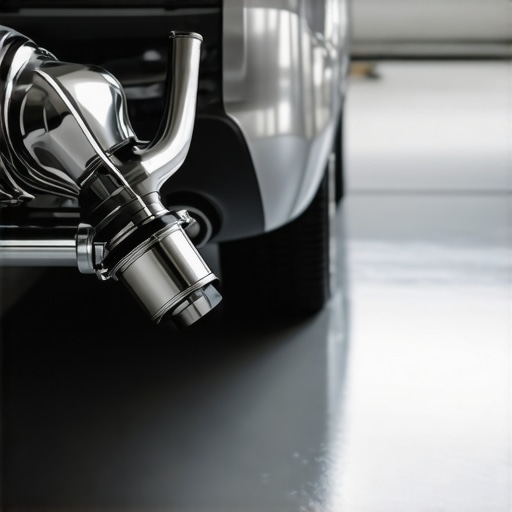
You know that sinking feeling when you take your car in for an oil change, and suddenly your mechanic starts talking about a clogged catalytic converter? I’ve been there too. One day, after a routine visit for a quick oil change, I was handed a bill that made my eyes widen—over a thousand dollars for a part I’d never even heard of before. It felt like I was being taken for a ride. That lightbulb moment made me realize I was paying top dollar for a problem I could understand and even fix myself.
Why You Shouldn’t Let Shops Charge You for a Clogged Catalytic Converter
For years, I blindly trusted repair shops, assuming that if they said my catalytic converter was clogged, I had no choice but to pay up. But it turns out, many of these issues are either blown out of proportion or completely preventable. The truth is, a clogged catalytic converter isn’t always the emergency some shops make it out to be. By understanding how your exhaust system works and learning a few simple diagnostic tricks, you can save yourself hundreds—and maybe even thousands—every year.
Questioning the Hype: Is a Catalytic Converter Replacement Always Necessary?
Early on, I made the mistake of accepting a mechanic’s word without doing my homework. I didn’t realize that carbon buildup can often be remedied with simple maintenance, or that a genuine diagnosis might target other issues like fuel mixture problems or faulty sensors. According to automotive experts, nearly 80% of catalytic converter failures are caused by upstream engine problems—not the converter itself. Advanced diagnostics can help identify these root causes, saving you money and trouble down the line.
Now, I’d like to guide you through some strategies to avoid unnecessary repairs and truly understand what’s going on under your hood. Ready to become your own auto detective? Let’s get started.
Perform Visual Inspections Like a Pro
Start with a thorough visual check under your hood, looking for obvious leaks, worn hoses, or disconnected wires. Remember, a loose or cracked vacuum hose can mimic complex issues like sensor failures. During one workshop, I noticed a cracked intake boot that had eluded the mechanic, causing rough idling. Replacing it myself saved me a hundred dollars and took less than an hour.
Use a Multimeter to Test Critical Sensors
A multimeter is your best friend in diagnosing electrical issues. For example, testing the throttle position sensor’s voltage can reveal problems that cause stalling or hesitation. I once used a multimeter to check my engine coolant temperature sensor, discovering it was faulty. Replacing it restored proper engine warm-up times and improved fuel economy. To learn more, check out this guide.
Perform a Basic Compression Test
This step helps identify worn piston rings or valves. Using a compression gauge, I tested each cylinder after realizing my engine was losing power. The low readings on one cylinder pointed directly to worn rings, saving me from unnecessary costly repairs. It’s a straightforward process—just remove the spark plug, connect the gauge, and crank the engine. For detailed steps, see this resource.
Listen Carefully for Unusual Sounds
Unusual noises can reveal a lot—like grinding brakes or squealing belts. I once diagnosed a failing wheel bearing by how it whined loudly at certain speeds, even before it was dangerous. Pay attention to sounds during different driving situations; they often point to the component needing attention. An easy way to validate these clues is to gently turn your steering wheel at low speeds and listen for roughness, which indicates suspension issues. For more tips, see this article.
Learn to Read Dashboard Warning Lights
Modern cars are packed with sensors that alert you to potential problems. I once ignored the check engine light for weeks until a diagnostic tool revealed a faulty oxygen sensor. Not only did I replace it myself, but I also avoided a significant emissions problem. Investing in an OBD-II scan tool can empower you to understand what your vehicle is communicating, preventing costly surprises. For beginner-friendly advice, visit this guide.
Check Fluid Levels and Condition Regularly
Routine checks of oil, transmission fluid, and coolant can prevent many breakdowns. I caught a transmission fluid leak early by noticing a burnt smell and a slipping sensation. Topping up and flushing the fluid restored smooth shifting. Keep a maintenance log and learn the signs of deteriorating fluids—regular inspection can extend your vehicle’s lifespan and keep repair costs down. Read more at this resource.
Test Drive with Purpose
Finally, a controlled test drive can uncover issues not apparent in static checks. Pay attention to how the car accelerates, brakes, and handles. For instance, I noticed my car pulled slightly to one side during acceleration, leading me to discover uneven brake pad wear. Documenting such observations makes diagnostics faster and more accurate. If you want a checklist for effective test drives, see this guide.
Even seasoned car owners often fall prey to misconceptions that can cost them dearly. Many believe that brake repairs are solely about replacing pads or rotors, but in reality, there’s a complex web of factors that influence brake performance and safety. For example, some assume that as long as the brake pedal feels firm after service, everything is fine—yet, underlying issues like caliper sticking or hydraulic leaks can lurk beneath the surface. Delving into these nuances reveals that many myths surrounding auto repair are simply oversimplifications or outdated advice.\nOne common trap is trusting shops to perform ‘full’ brake replacements without verifying whether they accurately diagnosed the real problem. This oversight can lead to unnecessary parts replacement, wasting your money and time. In my experience, a thorough inspection of brake lines, fluid quality, and pad wear can uncover issues that are more affordable and quicker to fix if caught early.\nA significant yet often overlooked aspect involves vehicle diagnostics—many drivers rely solely on warning lights or symptoms, but advanced diagnostics can reveal hidden faults. For instance, a malfunctioning ABS sensor may not trigger a dashboard light immediately but can cause long-term damage if ignored. Studies show that about 70% of vehicle breakdowns are caused by problems undetected by traditional visual inspections alone, emphasizing the importance of integrating diagnostic tools during repairs.\nBeyond diagnostics, understanding the importance of regular maintenance—like checking brake fluid quality or inspecting brake lines for corrosion—can prevent costly repairs. Skipping these checks under the false assumption that brake parts only need replacement when visibly worn is a widespread mistake. Modern vehicles may have complex brake systems incorporating electronic control units, making diagnostic skills even more crucial.\nMake no mistake: expertise in auto repair isn’t just about quick fixes; it’s about mastering the nuances that prevent future problems. For example, using high-quality brake fluid compatible with your vehicle’s specifications, as recommended in this comprehensive guide, ensures longevity and safety. Remember, cutting corners may save money short-term but compromise safety long-term.\nAre you aware of how many advanced tools and inspections can uncover issues that conventional methods miss? Investing in proper diagnostics and understanding these subtleties can dramatically improve your vehicle’s reliability. Want to learn more about avoiding repair pitfalls? Browse this resource for actionable tips. Have you ever fallen into this trap? Let me know in the comments.
Essential Tools for Long-Term Vehicle Care
Investing in quality tools is key to maintaining your vehicle effectively over time. I personally rely on a digital multimeter because it helps me quickly diagnose electrical issues, such as faulty sensors or wiring problems. A good compression tester is invaluable for assessing engine health, especially when estimating piston ring or valve conditions. For brake care, I use a brake fluid tester to ensure the hydraulic system remains responsive; neglecting fluid quality can lead to costly repairs, as explained in this comprehensive guide. Keep in mind, investing in reliable tools not only saves money in the long run but also gives you confidence in handling routine maintenance.
Leveraging Diagnostic Software for Better Results
Modern vehicle diagnostics are revolutionized by software that connects to your car’s OBD-II port. I use a reputable diagnostic scanner with live data capabilities because it allows me to monitor engine parameters in real-time, identify sensor anomalies, and reset warning lights after repairs. This proactive approach prevents small issues from becoming major failures. For example, regularly checking sensor voltages using my scanner has prevented unnecessary component replacements and kept my vehicle running smoothly. As vehicle technology advances, integrating these diagnostic tools becomes even more critical for DIY enthusiasts and professional mechanics alike.
Regular Maintenance Pays Off
Revisiting routine checks—like fluid levels, tire pressure, and belt conditions—is simple yet effective. I schedule bi-monthly inspections using a checklist from this resource and document changes. For lubrication points, I prefer synthetic lubricants that maintain their properties longer, reducing wear and tear. Keeping a detailed maintenance log helps me stay ahead of potential problems, ensuring minor issues don’t escalate into expensive repairs. Prediction suggests that integrated vehicle diagnostics will become even more intelligent, enabling automated alerts and predictive maintenance in future models.
How do I maintain vehicle diagnostics over time?
To sustain effective diagnostics, I recommend updating your diagnostic software regularly and calibrating your tools according to manufacturer specifications. Also, familiarize yourself with common trouble codes and their meanings through resources like this guide. By doing so, you can quickly interpret sensor data, customize alerts, and avoid unnecessary trips to the mechanic. For instance, regularly testing sensor voltages and monitoring live data can help catch issues early. I suggest trying out a diagnostic scan during your next oil change; it’s a simple yet powerful way to keep tabs on your vehicle’s health and prevent costly breakdowns.
What the Toughest Lessons About Auto Repair Taught Me
- Rushing to replace parts without proper diagnostics often leads to wasted money and time. I learned that a systematic approach—starting with visual checks and sensor tests before swapping components—saves headaches and cash.
- Ignoring routine maintenance creates crises that could have been prevented. Regularly checking fluid levels and tire pressures might seem simple, but neglecting them can cause big problems down the line.
- Trust but verify—especially when a mechanic’s recommendation feels excessive. Doing your homework and understanding your vehicle’s systems empowers you to make informed decisions and avoid unnecessary repairs.
My Favorite Tools and Resources for Keeping My Car in Top Shape
- OBD-II Scanner: This device revolutionized my vehicle maintenance, letting me read trouble codes myself and decide whether a visit to the shop is urgent. I recommend a scanner with live data capabilities and user-friendly interface—it’s worth the investment.
- Multimeter: It helps me test sensors and electrical connections quickly and accurately. Trust me, mastering multimeter use allows you to diagnose issues like a pro and catch problems before they escalate.
- Online Guides and Forums: Websites like this resource have saved me countless times; they break down complex diagnostics into manageable steps and often include troubleshooting checklists.
- Workshop Manuals: Investing in a reputable vehicle repair manual tailored to your car model provides crucial insights into maintenance procedures and troubleshooting tips—an invaluable reference for a DIY enthusiast.
Your Move: Take Control of Your Auto Care Journey
Remember, understanding your vehicle’s systems and having the right tools turn you into your own mechanic. Don’t wait for a breakdown or costly repair—take proactive steps today. Whether it’s performing visual inspections or using diagnostic software, small actions lead to big savings and safety improvements. Are you ready to start practicing these techniques? Drop a comment below and share your experience or questions—let’s learn together and keep our cars running smoothly!