
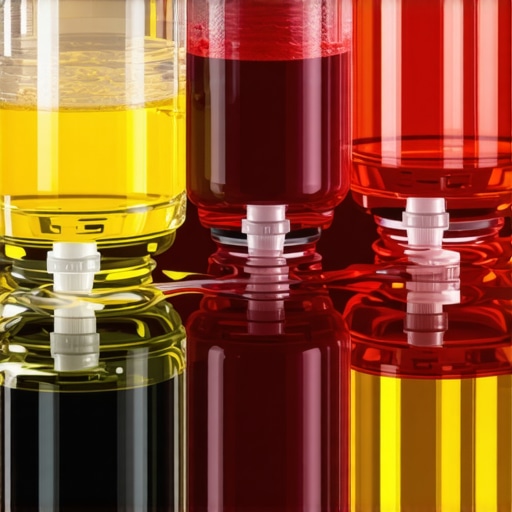
Ever experienced that sinking feeling when your brake pedal suddenly feels spongy, and you realize you’ve mixed two different types of brake fluid? I vividly remember the day I almost lost control of my car because I ignored this seemingly minor mistake. It was a hot summer afternoon, and I was in a rush to get my brake system topped off. In my haste, I reached for the wrong bottle, mixing different brake fluids without giving it a second thought. That’s when I felt the pedal go all the way to the floor—an alarming, almost helpless sensation.
Why Mixing Brake Fluids Can Be a Deadly Mistake
This lightbulb moment made me realize how a simple oversight can turn into a serious safety hazard. To be honest, I had no idea that using different colors of brake fluid could cause such chaos. It turns out that not all brake fluids are compatible, and mixing them can lead to ineffective braking, or worse, complete brake failure. The gloom of that day isn’t just about my car—it’s a wake-up call for every driver out there. Your vehicle’s brake system relies on the chemical properties of the brake fluid, and incompatible mixes can cause corrosion, vapor lock, and eventual system failure.
Is the Hype About Brake Fluid Compatibility Really Worth It?
At first, I thought it was just a myth or an overstatement. Surely, adding a bit of brake fluid wouldn’t be a big deal, right? Wrong. I made the mistake early on of assuming that all brake fluids were the same, regardless of their color or brand. That was a costly misconception. According to vehicle safety experts, mixing different types of brake fluid can compromise your entire braking system, leading to costly repairs or even accidents. For a more detailed understanding of brake systems, you might find our guide on brake service essentials quite enlightening.
Have you ever made a similar mistake or faced a brake-related scare? It’s more common than you think, and learning from others’ missteps can save you a lot of trouble. The good news is, identifying the potential pitfalls and knowing what to look out for can keep you safe on the road. In the upcoming sections, I’ll walk you through the crucial steps to avoid mixing incompatible brake fluids and protect your vehicle’s braking integrity. Because trust me, it’s a mistake you don’t want to make twice.
Properly Identify Your Brake Fluid Type
Begin by confirming the exact type of brake fluid your vehicle requires, typically DOT 3, DOT 4, or DOT 5.1. Check the owner’s manual or the fluid reservoir cap for specifications. During my first brake fluid top-up, I mistakenly used DOT 3 instead of DOT 4, which caused improved braking temporarily but led to corrosion issues; this taught me the importance of precise identification.
Gather the Right Tools and Materials
Prepare clean, sealed containers of the correct brake fluid, a clear plastic syringe or squeeze bottle for transfer, gloves to prevent skin contact, and clean rags. Using contaminated tools can introduce moisture or debris, compromising the fluid’s effectiveness. I once used a dirty funnel, which later caused air bubbles in the system, emphasizing the need for cleanliness.
Perform a Gentle Fluid Removal
Loosen the brake fluid reservoir cap carefully, then use a syringe to draw out the old fluid. Replace it with fresh fluid slowly, preventing overflow. I recall in my garage that rushing this step led to spillage, which is dangerous because brake fluid damages painted surfaces and attracts dirt.
Use Transparent Containers to Monitor Fluids
Hold the syringe against a clean, transparent container so you can visually check the color of the old fluid versus the new. Pale amber indicates fresh fluid, while dark or cloudy fluid signals contamination or aging. This visual check helped me verify that I had successfully replaced the fluid without mixing incompatible types.
Address and Bleed the Brake System
After filling, start the vehicle and pump the brake pedal a few times to distribute the new fluid. If you notice sponginess or low pedal, bleed the brakes at each wheel to remove air pockets—air can enter during fluid replacement if connections aren’t sealed properly. During my last brake fluid change, I learned that air entrapment can cause brake failure under heavy use, which is why thorough bleeding is crucial.
Check for Leaks and Proper Function
Inspect all connections, brake lines, and the master cylinder for leaks before driving. Test the brake pedal firmness; it should feel solid without any excessive travel. I experienced a soft pedal after my first attempt, which was due to a disconnected brake line. Tightening connections resolved it immediately.
Document Your Maintenance Schedule
Maintain a log of your brake fluid change dates, typically every 2 years or as specified. This habit ensures you don’t forget critical maintenance steps. Keeping records helped me track my vehicle’s health and plan future services easily.
While many car enthusiasts and even seasoned technicians believe they’ve seen it all, the reality is that misconceptions persist—especially around braking systems and diagnostics. A common myth is that using any brake fluid interchangeably won’t cause long-term issues. However, this oversimplification ignores the nuanced chemical compatibilities that are critical for safety.
Are Car Owners Overlooking Advanced Diagnostic Signs?
Recent studies indicate that subtle diagnostic clues—like slight pedal vibrations or unusual noises—can save you from costly repairs if interpreted correctly. Experts from auto diagnostics specialists emphasize that ignoring these signs often leads to overlooked problems, escalating minor issues into major failures. An advanced mistake many make is neglecting routine oil analysis, which can reveal early engine wear or contamination, long before symptoms appear. This proactive approach is endorsed by automotive researchers like those at SAE International, who recommend regular oil testing to predict impending engine issues with greater accuracy. Furthermore, in the realm of brake maintenance, the misconception that a simple flush is always sufficient may trap car owners into thinking their brake system is healthy. In reality, the quality of brake pads, rotors, and even hydraulic components plays vital roles that aren’t immediately apparent. Understanding these nuances can dramatically improve vehicle safety and longevity. Never underestimate the importance of precise vehicle diagnostics—the difference between a smooth ride and an unexpected breakdown. To refine your auto maintenance knowledge, check out our auto repair hacks that combine cost-effectiveness with reliability. Have you ever fallen into this trap? Let me know in the comments.
Keep It Running with Precision Tools
Investing in high-quality, specialized tools is essential to maintain your vehicle effectively. For automotive diagnostics, I personally rely on the Autel MaxiCOM MK808, which offers comprehensive scan capabilities, allowing me to identify issues before they escalate. This device helps me quickly pinpoint sensor failures or code errors, saving both time and money. For fluid management, a Digital Brake Bleed Kit ensures precise removal of air from brake lines, which is crucial after fluid replacements. These tools are reliable, durable, and offer professional-grade performance for DIY enthusiasts.
Embrace Modern Software and Techniques
Vehicle diagnostics software like OBDLink MX+ pairs perfectly with my smartphone, providing real-time data and a user-friendly interface. It allows me to monitor live engine parameters and clear fault codes effortlessly. In addition, I schedule regular vehicle health checks using diagnostic apps that analyze trends over time, helping me anticipate maintenance needs well in advance. Staying ahead of issues ensures longer vehicle lifespan and improved safety on the road.
Long-Term Results through Consistent Maintenance
Applying these tools consistently yields impressive long-term results. Regularly diagnosing minor issues prevents them from becoming major, costly repairs. For instance, early detection of coolant temperature sensor anomalies can improve fuel efficiency and prevent engine overheating, as explained by auto diagnostics experts. Using software to track oil quality and engine performance helps me decide the optimal time for oil changes, extending intervals without risking engine wear. This proactive approach enhances reliability and saves money over time.
Scaling Your Maintenance Routine
As your vehicle ages or if you manage multiple cars, scalable solutions become vital. Upgrading to multi-vehicle diagnostic scanners, like the BlueDriver Pro, enables efficient management of several cars’ health data. Regularly updating diagnostic software ensures compatibility with new vehicle models and emerging issues. Automating routine checks with scheduled reminders keeps maintenance on track without overwhelming your schedule. These strategies contribute to consistent performance and peace of mind.
How do I maintain vehicle diagnostics over time?
Maintaining vehicle diagnostics involves regularly updating your software, calibrating your tools, and recording service history to spot patterns early. Staying informed about the latest diagnostic tech and techniques allows you to adapt your methods proactively. For comprehensive maintenance tips, visit our auto repair tips page and implement a routine that fits your driving habits.
For anyone serious about vehicle longevity, integrating advanced diagnostic tools with a disciplined maintenance schedule is key. I recommend trying out the latest OBD2 scanner with real-time monitoring capabilities — it’s a game-changer for long-term vehicle health. Remember, consistent upkeep combined with the right tools can transform a neglected car into a dependable companion for years to come.

Wisdom Hidden in My Mistakes
One of the toughest lessons I learned was that neglecting to double-check brake fluid compatibility can put lives at risk. I once added the wrong type without realizing it, thinking all brake fluids are interchangeable. That wrong move nearly caused a system failure. Now I know that even small oversights—like ignoring the specific brake fluid type—can lead to serious safety hazards. Always trust your vehicle’s specifications and never assume; a simple check can save you from costly mistakes.
Another insight I gained was the importance of using the correct tools. Rushing through a brake fluid change with dirty equipment introduced air and debris into the system. Precision tools and thorough cleaning aren’t just formalities—they’re essentials that ensure your brake system remains sealed and functional. Dirty tools might seem trivial, but they can compromise safety long-term.
Finally, I discovered that routine maintenance isn’t just about ticking boxes. Scheduling regular brake fluid checks and flushes according to your owner’s manual prevents corrosion and buildup that obscure warning signs. Staying proactive can prevent emergencies and extend your vehicle’s health far beyond initial expectations.
Tools and Resources That Make the Difference
To elevate my auto repair game, I rely on tools like the Auto Repair Hacks guide which cuts through the confusion with practical advice tailored for DIY enthusiasts. The essential strategies for frequent drivers have helped me schedule maintenance efficiently, avoiding costly breakdowns. For diagnostics, the advanced diagnostic tools have uncovered issues early, saving time and money. Trust these resources—they come from experience, not just theory, and have empowered me to take charge of my vehicle’s health.
Keep Your Drive Safe and Sound
Now it’s your turn to take control of your vehicle maintenance journey. Embrace the tools, routines, and knowledge that put safety first. Remember, the small details—like verifying brake fluid compatibility—are your best defense against unexpected failures. Your vehicle’s safety is a reflection of your commitment to smart auto care. So, are you ready to apply these insights and ensure your brakes perform when you need them most? Share your experiences or questions below—let’s grow together in automotive confidence.