
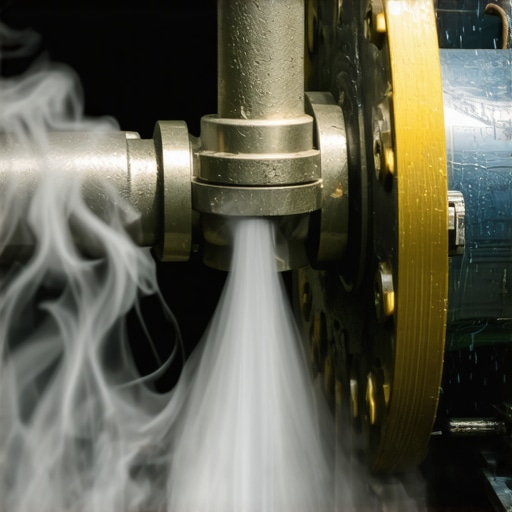
It was a morning just like any other, until I stepped into my garage and heard a faint squeal from under the hood. That sharp, high-pitched whine made my stomach drop. I’ve been around cars long enough to know—when your water pump starts making noises, it’s not a matter of if, but when it will fail completely. That realization was a lightbulb moment for me, and I bet many of you have faced something similar.
In today’s post, I want to share how you can tell if that strange sound is warning you of an impending water pump catastrophe. These moments can be subtle, but catching them early can save you a hefty repair bill and the inconvenience of suddenly overheating on a busy road.
Why That Sound Should Never Be Ignored
That squealing or grinding noise is your vehicle’s way of whispering, “Hey, something’s not quite right.” It often signals worn-out bearings or a failing impeller—parts essential to your engine’s cooling system. Neglecting these sounds might lead to a complete water pump failure, which can cause your engine to overheat, leading to severe damage and expensive repairs.
From personal experience, I once dismissed a similar squeak, thinking it was just belt noise. Turned out, I was one step away from a blown head gasket. Early diagnosis and knowing what to listen for can be the difference between a simple fix and a major overhaul.
To better understand what you should be listening for, check out this detailed explanation on vehicle diagnostics and how they can alert you to impending failures. It’s surprisingly straightforward and worth the few minutes of your time.
Are you tired of guessing what those weird noises mean? Do worries about unexpected breakdowns keep you awake at night? You’re not alone. Many drivers overlook subtle signs until it’s too late. Thankfully, recognizing the early clues is easier than you think. Stay tuned—we’ll explore the specific sounds, how to identify them, and what steps to take before your engine overheats. Because when it comes to water pumps, your ears—and quick action—are your best friends.
Listen Carefully and Pinpoint the Sound
Start by parking your vehicle safely and popping the hood. Crank the engine halfway and listen for that distinct squeal or grinding noise. A personal experience I recall involved hearing that squeak while idling, which led me to inspect the water pump first. If you hear similar sounds, that’s your first clue to investigate further.
Access the Water Pump and Check for Leaks
Locate the water pump—usually attached to the engine and driven by the serpentine belt. Look for signs of leakage around the pump’s seals or weep holes; a visible coolant residue indicates a failing pump. While checking, pay attention to the belt’s tension and condition. Remember, a loose or cracked belt can mimic pump noise. Tighten or replace the belt if needed.
Perform a Simple Noise Test
With the engine off, gently spin the water pump pulley by hand. It should turn smoothly without wobbling or resistance. A gritty feel or wobble suggests bearing wear. In my case, I once found the pulley wobbly during this test, confirming that the bearing was failing and needed replacement. This quick check prevents unnecessary disassembly.
Check Coolant Levels and Conditions
Low coolant levels often accompany water pump issues. Remove the radiator cap when the engine is cool and inspect for proper coolant amounts. Also, examine coolant color and smell—contaminated or rusty coolant hints at internal corrosion. Regularly maintaining coolant quality can prolong water pump life.
Use Advanced Diagnostics for Precise Trouble-shooting
When basic inspections are inconclusive, employing vehicle diagnostics can reveal hidden faults. Connect an OBD-II scanner to detect error codes related to coolant system or water pump sensors. I’ve found that many modern vehicles store codes even when symptoms aren’t obvious, saving me from guesswork. For comprehensive insights, explore advanced vehicle diagnostics.
Decide When a Replacement Is Urgent
If your checks show signs of severe leakage, a wobbling pulley, or persistent noise despite belt adjustments, it’s time for a replacement. Waiting too long risks engine overheating or catastrophic failure. Prioritize safety and efficiency—sometimes, a DIY replacement with quality parts can be swift, but don’t hesitate to consult a professional if unsure.
Replace the Water Pump and Test
Remove the old pump following manufacturer instructions, ensuring all gaskets and seals are replaced. When installing the new pump, use a torque wrench to tighten bolts evenly. Once reassembled, refill the cooling system with fresh coolant. Start the engine, let it reach operating temperature, and check for leaks or abnormal noises. Repeating the pulley spin test during this stage can confirm the repair.
In my experience, meticulous attention to these steps prevented a costly breakdown, demonstrating that early detection and precise execution are your best defenses against water pump failures.
Many car owners believe that regular oil changes are just about changing the filter and oil, but the truth runs deeper; modern innovations like synthetic oils and precise engine monitoring mean that a simple routine can be optimized significantly for longevity and performance. When it comes to vehicle diagnostics, many assume that plugging in an OBD-II scanner and clearing codes is the full extent of troubleshooting, but experienced technicians know that interpreting the data contextually—and understanding the nuances—can reveal hidden issues, preventing costly breakdowns.
Why do some diagnostic trouble codes mislead even experienced mechanics?
In my experience, a code like P0171 indicating “System Too Lean” might point to a vacuum leak, but it could also mean a failing fuel injector or a faulty MAF sensor. Relying solely on codes without considering sensor calibration, environmental factors, or recent repairs can result in misdiagnosis. Studies show that up to 80% of sensor-related faults stem from calibration errors rather than outright hardware failure, emphasizing the importance of nuanced diagnostics.
Another common misconception involves brake service—many people think that all brake pads wear out at the same rate, but in reality, the composition of your brake pads—ceramic versus semi-metallic—affects their lifespan and performance, especially under different driving conditions. Misunderstanding this can lead to premature or delayed replacements, risking safety or unnecessary expense. For example, aggressive driving in urban stop-and-go traffic accelerates pad wear, particularly on semi-metallic brakes, which also produce more brake dust. A comprehensive approach includes inspecting rotors, calipers, and brake fluid alongside pad condition—more than just swapping pads.
What’s the most overlooked aspect of auto repair that can cause repeated issues?
Often, overlooked factors like improper torqueing of bolts or neglecting fluid quality lead to recurring problems. For instance, a faulty power steering pump might be replaced, but if the technician neglects to flush contaminated fluid or verify belt tension, the new pump may quickly fail. Being meticulous about torque specifications, fluid flushes, and component compatibility is key to lasting repairs. It’s like building a house; the foundation must be solid, or everything else will eventually give way. Regularly check manufacturer guidelines and never skip basic steps—this discipline bridges the gap between average repairs and expertly executed maintenance. For deeper insight into avoiding common pitfalls, check out auto repair hacks that save money.
Let’s equip ourselves with this nuanced understanding—question assumptions, embrace detailed inspections, and remember that the devil is often in the details. Have you ever fallen into this trap? Let me know in the comments and share your experience with uncovering the hidden layers of auto care.
Invest in Quality Diagnostic Equipment
For any car enthusiast or professional mechanic, having a reliable OBD-II scanner is essential. My personal choice is the BlueDriver for its comprehensive code reading capabilities and compatibility with smartphones, making diagnostics accessible and quick. It helps me identify trouble codes accurately, like the often-misleading decoding vehicle diagnostics tips, which saves time and prevents unnecessary repairs.
Regular Fluid Analysis and Replacement
Preventative maintenance starts with understanding your vehicle’s fluid health. Using a magnetic drain plug on oil pans allows me to check for metal particles that indicate internal wear. For coolant and transmission fluid, I rely on test strips that assess acidity levels and contamination. This proactive approach aligns with the latest oil change innovations that extend engine life.
Specialized Tools for Brake and Suspension Checks
Precision tools like dial indicators and laser alignment systems let me assess brake rotor runout and suspension geometry accurately. Proper alignment not only ensures safety but also prolongs brake pad and tire life, which is supported by brake service guides. When performing brake service, I always double-check torque specifications with a quality digital torque wrench to avoid uneven wear and premature component failure.
Embrace Technology for Long-Term Monitoring
Smart vehicle monitoring systems are becoming increasingly accessible. Devices like TEKTRONIX Oscilloscopes or Wi-Fi-enabled tire pressure monitoring help me keep an eye on critical components over time. Future trends hint at AI-powered predictive maintenance, enabling vehicles to inform owners about upcoming issues before symptoms manifest.
How do I keep my vehicle performing well year after year?
Establishing a routine that incorporates adaptive tools and technology is vital. Regularly scheduled diagnostics, fluid analysis, and precise adjustments based on data prevent breakdowns and extend your vehicle’s lifespan. Don’t forget the importance of top auto repair tips—like replacing worn components early and keeping detailed maintenance records.
For example, I recently adopted a habit of monthly simple vehicle diagnostics, which uncovered a minor coolant leak before it escalated. I encourage you to try using a high-quality diagnostic tool for your next maintenance session—it could save you money and stress in the long run.
” alt=”Diagnostic equipment and tools laid out for vehicle maintenance” title=”Essential tools for auto maintenance” />
The Hardest Lesson I Learned About water pump care and diagnosis
One bitter truth I discovered was that even small signs, like a faint squeal, can signal impending disaster. Ignoring subtle noises might save time in the short term but often leads to costly repairs. Early detection, through attentive listening and inspection, changed my approach forever, emphasizing that patience and curiosity are your best tools.
Uncovering My Mistakes with Vehicle Diagnostics
I once relied solely on code readers without considering the full picture, which delayed proper repair. Learning to interpret diagnostic data contextually—especially when codes can be misleading—has been a game-changer. It’s vital to combine tech tools with seasoned intuition, something I now advocate wholeheartedly, as explained in detail here.
Why Overlooking Coolant Conditions Can Cost You Dearly
A common oversight is neglecting coolant quality and levels. I realized that maintaining pristine coolant not only extends water pump life but also prevents hidden corrosion and internal wear. Regularly checking and replacing fluids before issues arise feel like a small step with huge payoff, aligning with insights from advanced oil change tech.
Crucial Tweaks That Make Repairs Stick
One lesson that stuck with me is the significance of torque specifications and proper gasket sealing. Rushing through these steps can lead to recurrence or new problems. Precision and patience during replacement not only save time but also build long-term trust in your repair efforts, echoing recommendations in brake service.