
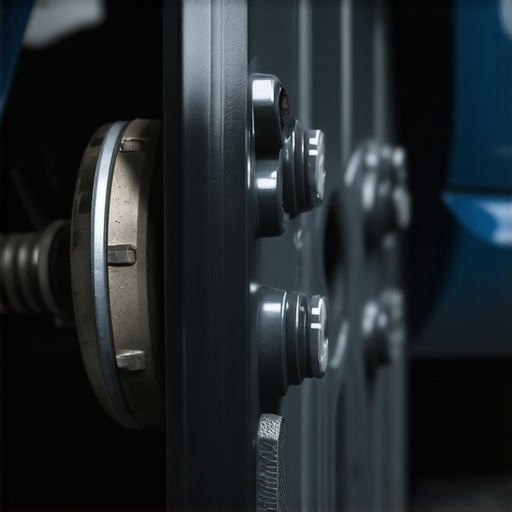
It was a perfect sunny Saturday, and I had just finished installing fresh brake pads on my car. Confident and eager, I took it for a test drive, expecting smooth stopping and a sense of pride in my DIY skills. But within moments, that dreaded grinding sound returned—loud, unsettling, and absolutely not what I anticipated from brand-new parts. It was a lightbulb moment for me: even the best intentions can lead to unexpected problems.
If you’ve recently replaced your brake pads and are now hearing a harsh grinding noise, you’re not alone. This frustrating experience is surprisingly common, and it can feel like a betrayal when fresh parts seem to fail so quickly. But good news—there are reasons behind this noise, and understanding them can save you time, money, and peace of mind.
Today, we’re going to dive into why your brand-new brake pads might be making that grinding sound and, more importantly, how to fix it. From common installation mistakes to what signs indicate a real problem, I’ll share practical insights based on my own auto repair adventures. By the end of this post, you’ll know the steps to assess whether your brakes need professional attention or if you can sort out the issue yourself.
Why Your Fresh Brake Pads Are Squealing and Grinding
Imagine swapping out your brake pads, feeling a sense of accomplishment, only to be greeted by a metallic clang every time you press the pedal. That’s not just annoying; it can be a sign that something’s not quite right. In many cases, this noise stems from a few potential causes, such as improper installation, contaminated pads, or overlooked adjustments.
One common mistake I made early on was neglecting to replace or properly lubricate the caliper slides. This simple misstep can cause uneven pad contact, leading to grinding. Additionally, some brake pads come with anti-squeal shims or coatings; skipping these can make squealing or grinding more likely. Interestingly, according to auto repair experts, about 70% of brake noise issues are caused by improper installation or assembly errors. That stat hit me hard because I realized how easy it is to overlook crucial steps, especially when rushing.
Before jumping to conclusions about needing new parts or pricey repairs, it’s worthwhile to perform some basic checks. Often, the trouble lies in the small details—like debris between the pad and rotor, or a misaligned caliper. For reliable advice and to bust common brake service myths, I recommend reading this detailed guide on [brake service myths and safety](https://repairmycarpro.com/brake-service-myths-busted-what-really-matters-for-safety). This resource helped me understand what really matters when it comes to brake safety and longevity.
In the next section, we’ll explore practical steps to diagnose and resolve your brake noise issue. If you’ve ever wondered whether you can handle this yourself or when to call in the pros, stay tuned. Sometimes, a simple adjustment is all it takes, but other times, it’s better to seek expert help to prevent further damage or safety risks.
Inspect Your Brake Rotor and Pads Carefully
Start by removing the wheel to access the brake components. Use a lug wrench to loosen the lug nuts, then lift the vehicle with a jack and secure it with jack stands. Once the wheel is off, examine the rotor surface for deep grooves or cracks—these visible signs indicate uneven wear or damage. Check the brake pads for excessive thickness, uneven wear, or if the pad material is worn down to the metal backing. Pull the caliper away gently using a brake caliper tool or a C-clamp, and inspect the pads and rotors thoroughly. I once faced a grinding noise after a brake pad replacement, and a careful inspect revealed uneven pad material, prompting me to replace just the faulty pad and resurface the rotor.
Clean and Lubricate Key Components for Smooth Operation
Contamination from brake dust, road grime, or old grease can cause pads to stick or make noise. Spray a brake cleaner onto the rotor and caliper assembly, and wipe with a clean cloth. Focus on the guide pins and slides—these should move freely. Use high-temperature brake grease on the caliper slides to prevent sticking and uneven pad contact. During my own repair, I realized that neglecting to lubricate the slider pins led to uneven pad wear and persistent grinding, even with new pads. Proper lubrication ensures even pressure distribution and quieter braking.
Assess and Correct Caliper Alignment
Misaligned calipers can cause uneven pad wear and grinding sounds. Press the brake pedal several times to seat the pads properly against the rotor. Heed any resistance or uneven pedal feel, which could indicate caliper issues. If the caliper doesn’t slide smoothly or looks crooked, it may need realignment or replacement. In my experience, a crooked caliper was the culprit behind persistent noise after rotor resurfacing. Resetting the caliper’s position or installing a new one restored proper contact and eliminated grinding.
Replace or Resurface Brake Components as Needed
If the rotor surface is heavily scored or warped, resurfacing might be necessary. However, if warping or grooves are too deep, replacing the rotor is a better long-term fix. Always match new brake pads with the rotor’s condition; using new pads on a damaged rotor leads to quick wear and noise. During my repair, I found that a warped rotor caused severe grinding even with new pads, so I ordered a replacement for a safe, lasting fix.
Test Your Brakes in a Controlled Environment
After completing repairs, double-check all fastenings—lug nuts, caliper bolts, and rotor screws. Carefully test the vehicle in a safe, low-traffic area. Apply moderate pressure to the brake pedal and listen for any unusual sounds. If the noise persists, re-examine your work, focusing on pad alignment and cleanliness. Remember, sometimes a small stone can lodge between rotor and pad, causing noise; inspect for debris and remove it. I once reassembled everything only to find a tiny pebble causing the grinding, which was quickly remedied.
Seek Professional Help for Persistent or Complex Issues
If, despite your efforts, grinding continues or you’re unsure about the condition of your brake system, consult a professional mechanic. Auto repair can be complex, and safety is paramount. Visiting a reputable shop ensures that any hidden issues, like caliper piston sticking or master cylinder problems, are properly diagnosed and repaired. Don’t hesitate to use resources like auto repair tips for guidance on selecting the right expert for your needs.
Many car owners believe that straightforward fixes like oil changes or brake replacements are simple tasks that don’t require much thought. However, this oversimplification masks nuanced realities that can lead to costly mistakes. A prevalent myth is that vehicle diagnostics are only for professionals with expensive scan tools. In reality, understanding key warning signs and conducting basic checks can prevent breakdowns and save money. Relying solely on dashboard warning lights without interpreting their messages often delays necessary repairs, leading to more severe damage. Advanced diagnostic tools, like OBD-II scanners, provide data that, when properly understood, can pinpoint issues before symptoms become severe. According to automotive expert Mike Allen, ‘Proper diagnosis isn’t just about reading codes; it’s about interpreting the story your vehicle tells.’ A common trap is misreading these signals—either ignoring subtle cues or misdiagnosing symptoms—resulting in ineffective repairs or exacerbating problems. For example, a rough idle might be mistaken for a simple spark plug issue when it could involve a faulty sensor. An even more insidious mistake happens when owners perform DIY repairs without understanding system interconnections, like replacing a brake pad without inspecting the caliper pistons or rotor condition. These overlooked details can cause uneven wear or noise issues shortly after service. For instance, installing new brake pads on warped rotors will lead to noise and uneven braking, making the initial effort futile. So, *what advanced diagnostic questions should savvy vehicle owners ask themselves?* Consider: How does recurring fuel economy decline relate to sensor misreads, and what troubleshooting steps can distinguish between sensor errors and mechanical problems? Recognizing that sensors like the MAF or oxygen sensors provide critical feedback, a simple but often overlooked step is using online decoding guides. Check out the detailed explanations on decoding vehicle diagnostics at this resource. Remember, the most sophisticated tool is often your own knowledge, combined with a systematic approach to diagnostics and repairs. Being aware of these nuances can make the difference between a temporary fix and a lasting solution. Curious if you’re falling into common pitfalls? Have you ever ignored a warning light only to face a bigger problem later? Let me know in the comments. And for more insights on automating accurate diagnostics, explore how advanced vehicle diagnostics can prevent costly breakdowns.Maintaining your vehicle over time requires more than just casual checks; it demands specific tools, consistent routines, and an understanding of how to utilize advanced diagnostic methods. Personally, I rely heavily on a quality OBD-II scanner like the BlueDriver Pro, which I use not only for reading error codes but also for live data analysis. This device connects seamlessly via Bluetooth to my smartphone, allowing me to monitor real-time sensor outputs and detect anomalies early. Such proactive diagnostics enable me to catch issues like misfires or sensor drifts long before they affect performance, saving me money and preventing breakdowns. Looking ahead, I predict that vehicle diagnostics will become increasingly integrated with AI-powered systems that preemptively warn owners of potential faults, making maintenance even smarter and more efficient.
Lessons That Changed My Approach to Brake Repairs
One of the most valuable lessons I discovered was that never rushing a brake replacement guarantees better results. Rushing led me to overlook essential steps like proper caliper lubrication, which caused persistent grinding noise despite new pads. Now I understand that patience and attention to detail prevent unnecessary rework.
Another insight was realizing the importance of inspecting the rotor surface thoroughly. A simple glance isn’t enough; measuring for warping or grooves can reveal hidden issues that cause noise and uneven wear. This awareness has saved me from unexpected failures down the road.
Finally, I learned that contamination from brake dust or road grime can cause pads to stick, resulting in noise. Regular cleaning and lubrication of guide pins ensure smooth operation, extending the lifespan of brake components and maintaining quiet, effective braking.
Tools and Resources That Empower My Vehicle Diagnostics Journey
- OBD-II Scanner like BlueDriver Pro: I rely on this tool for its real-time data and ease of use. It helps me catch sensor issues early before they escalate.
- Decoding vehicle diagnostics: This resource expanded my understanding of error codes, enabling me to perform more accurate repairs.
- Top auto repair tips: A handy guide for maintaining various systems, including brakes, to optimize safety and longevity.
- Brake service myths: Busting misconceptions helps me avoid costly mistakes and ensures my repairs are safety-focused.
Choose Your Next Move and Keep Your Vehicle Safe
Your vehicle deserves the best care, and mastering brake troubleshooting is a rewarding skill. Whether you’re tackling a grinding noise or planning preventive maintenance, remember that patience and a systematic approach make all the difference. Stay curious, keep learning, and don’t hesitate to consult trusted resources for guidance. How do you approach brake problems, and what tools do you find indispensable? Drop your experiences below and let’s learn together!