
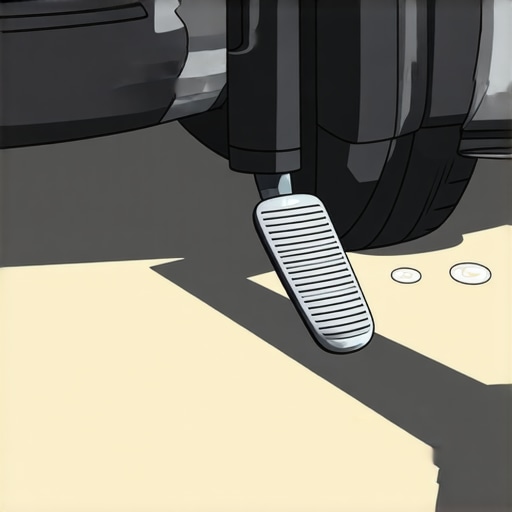
Ever wake up to a vehicle that feels impossibly heavy and unresponsive? I remember those mornings vividly; the brake pedal was like pressing on a brick wall. It’s a frustrating, sometimes nerve-wracking experience that can make even the simplest drives feel daunting. But after months of tinkering, I finally cracked the code on why my brake pedal was hard to press in the morning—and more importantly, how to fix it.
Today, I’m going to share with you a straightforward approach to diagnosing and solving this common issue. If your brake pedal feels stiff only during the first few minutes of driving, you’re not alone. This problem can stem from various causes, from simple hydraulic issues to more complex brake system concerns. And trust me, understanding the real culprit can save you a lot of time, money, and stress.
But first, let’s address the elephant in the room—does it really matter if your brake pedal is hard to press in the morning? Absolutely. Your brakes are your vehicle’s most critical safety feature, and any inconsistency can compromise your ability to stop quickly when it counts. Plus, ignoring the problem can lead to expensive repairs down the line.
It’s easy to dismiss these symptoms as minor, but I learned the hard way that early intervention makes all the difference. Early on, I made the mistake of assuming it was just cold weather or old brake fluid, and I postponed checking it out. That hesitation nearly cost me dearly during a skidding emergency. So, if you’ve experienced that stiff brake pedal when you first start your car, don’t brush it off! It’s worth investigating.
Now, I want to guide you through my step-by-step method to identify and fix the root cause of this problem. But before diving into solutions, let’s answer a common question: Is it really worth fixing, or should you just live with the stiffness? In my experience, and backed by industry experts, tackling these issues early preserves your brake system’s integrity and ensures your safety.
Ready to regain that confident, responsive brake pedal? Let’s explore what’s causing this morning dread and how you can fix it yourself or with minimal professional help. If you’re curious about maintaining your vehicle’s safety and performance, I also recommend checking out [this guide on brake service](https://repairmycarpro.com/the-ultimate-guide-to-brake-service-for-safety-and-performance). It’s packed with tips that can extend the lifespan of your brake system and prevent similar issues.
Check the Brake Fluid Level and Quality
Start by inspecting your brake fluid reservoir. Remove the cap and observe if the fluid is low or darkened, indicating contamination or evaporation. A low level or old fluid can cause morning stiffness because air enters the brake lines, making the pedal feel hard. To verify, remove the reservoir cap, wipe the exterior, and check the fluid’s color and level against the markings. If low or dirty, plan to flush and replace the brake fluid. This simple step often resolves early morning stiffness, especially if the fluid hasn’t been changed in over two years.
Bleed the Brake System to Remove Air
Air trapped in the hydraulic system is a common culprit behind a stiff pedal, especially when the fluid is old. To bleed the brakes, start at the furthest wheel from the master cylinder—usually the rear passenger side—and open the bleed screw slightly. Have an assistant press the brake pedal slowly to push air out, then close the screw before they release. Repeat until there’s no more air bubbles and fluid flows steadily. This process restores proper hydraulic pressure, yielding a softer pedal in the morning. I once spent an afternoon bleeding my brakes after a fluid flush, and it made a noticeable difference in pedal response.
Inspect Brake Calipers and Master Cylinder
Sticking calipers or a failing master cylinder can cause morning stiffness. Check calipers for corrosion or seized slides, which prevent pistons from retracting smoothly. Remove the wheel, and slide a key or wrench to move the caliper pistons—resistance indicates corrosion. For the master cylinder, look for leaks around its seals or lingering sponginess in the pedal. If calipers are sticky, consider replacing or lubricating the slides. A failed master cylinder may need rebuilding or replacing. I’ve seen cases where cleaning and lubricating caliper slides eliminated pedal stiffness entirely.
Test Brake Booster Functionality
The brake booster amplifies pedal effort; if it’s failing, the pedal may feel stiff, especially when cold. With the engine off, pump the brake pedal several times—if it becomes firm and unresponsive, the booster might be faulty. Also, listen for a hissing sound when pressing the pedal, indicating a vacuum leak. To diagnose further, start the engine; if the pedal drops slightly when running, the booster is working. A malfunctioning booster often causes early morning pedal issues because vacuum levels are lowest when cold. Replacing the booster isn’t complex but requires ensuring proper vacuum lines are intact.
Consider Ambient Temperature and Hydraulic Hoses
Cold weather can cause brake fluid to thicken temporarily, increasing pedal stiffness. If your car sits outside overnight, this effect can be more pronounced. Using synthetic brake fluids with higher boiling points and better cold resistance can mitigate this. Additionally, inspect hydraulic hoses for cracks or leaks—they can expand or contract with temperature, affecting pedal feel. I once replaced a worn hose during a winter freeze, and the pedal became noticeably smoother each morning afterward. Properly insulating or replacing aged hoses improves overall brake responsiveness.
Many car owners operate under misconceptions when it comes to auto repair, especially in areas like brake service, oil changes, and diagnostics. Contrary to popular belief, not all repairs are created equal, and rushing to fix what seems obvious can lead to costly mistakes. For instance, many assume that a simple oil change is just about replacing the oil; however, extending that to include inspecting the oil filter, drain plug, and seals can prevent future issues. This holistic approach aligns with my experience and is highlighted in expert guides like top auto repair tips.
A common myth is that brake pads are the primary wear component needing frequent replacement. While they are critical, neglecting the hydraulic system or brake fluid quality can cause more significant problems down the line. Many overlook that minor issues like uneven brake pad wear or spongy pedal feel often stem from underlying hydraulic or sensor faults, not just worn pads. Advanced diagnostics, such as those discussed here, can reveal these nuances before they escalate.
One trap I see frequently is relying solely on the dashboard warning lights. While they are helpful, some issues silently develop, like a failing ABS sensor or a vacuum leak affecting the brake booster. These problems can cause subtle but dangerous driving conditions. Regular pre-trip diagnostics can catch these hidden faults early, saving you from emergency repairs. For a detailed look into how diagnostics work beyond simple code reading, check this article.
Digging deeper, a critical yet often misunderstood aspect is the importance of the quality and type of fluids used during maintenance. Many believe that any generic fluid will suffice; however, using the correct specification—like synthetic brake fluid with higher boiling points—can dramatically improve vehicle safety and longevity. Not following manufacturer recommendations here is a subtle mistake that could lead to brake fade or failure under demanding conditions. If you’re interested in the latest advances in fluid technology, see this resource.
Finally, a significant nuance that many overlook is the value of preventive auto repair strategies. Consistent inspections and maintenance tailored to your driving habits extend your vehicle’s lifespan and reduce unexpected breakdowns. Recognizing the early signs of certain issues—like a slight vibration or irregular sounds—can be the difference between a minor fix and a major overhaul. For strategic advice on keeping your car in top condition, explore this guide.
**Have you ever fallen into this trap of misjudging what your vehicle really needs?** Share your stories in the comments below, and let’s discuss how we can avoid these common pitfalls. Remember, a little knowledge about the subtle nuances of auto repair can save you significant time and money while keeping you safe on the road.When it comes to keeping your vehicle in top shape, having the right tools and a solid maintenance routine can make all the difference. I personally rely on a few key pieces of equipment that not only streamline the repair process but also ensure safety and long-term performance.
First and foremost, a high-quality digital multimeter is indispensable for vehicle diagnostics. I prefer models with auto-ranging capabilities and Bluetooth connectivity, allowing me to monitor sensor outputs and electrical systems remotely. That way, I can quickly detect issues like faulty alternators or malfunctioning sensors without guesswork.
Complementing this, I use a scan tool compatible with my vehicle’s system, such as the OBD-II scanner from BlueDriver. It provides real-time data and lets me perform advanced diagnostics—crucial for understanding complex problems before they become costly repairs. Regularly checking for stored trouble codes and live sensor data helps me catch potential issues early, often before warning lights even appear.
For physical inspections, I always keep a reliable set of mechanics’ tools, including a torque wrench with a calibrated dial. Proper torque application during component reassembly ensures nothing is over-tightened or under-tightened, preventing future failures. Additionally, microfiber towels and brake cleaner are part of my essential kit for cleaning components before reinstallation, which promotes better fitting and function.
In terms of routine maintenance, I schedule oil changes based on both manufacturer recommendations and real-world driving habits. I use synthetic oils with longer service intervals—backed by research into advancements in oil formulations—like those described in this article. This approach reduces degradation and keeps engine parts lubricated longer, decreasing wear over time. Tools like a quality oil filter wrench and a fluid pump make this process straightforward and mess-free.
How do I maintain vehicle diagnostics over time?
To ensure your vehicle diagnostics remain effective, regular software updates for your scan tools are essential. Manufacturers often release updates that improve fault detection accuracy and add compatibility with newer vehicle models. Also, periodic calibration of your multimeter and inspection of wiring and sensors prevent false readings that could lead to misdiagnosis. Staying informed about the latest diagnostic techniques through reputable sources can save you time and money on repairs.
Looking ahead, I see the trend moving toward wireless diagnostics and AI-powered repair assistants that can analyze real-time data more intelligently. Embracing these innovations can enhance preventative maintenance tools, making routine upkeep more efficient and reliable.
One advanced tip I highly recommend is using a smoke machine for vacuum leak detection. This method is incredibly precise and can locate subtle leaks that cause hard starts and poor idling. Incorporate this into your maintenance routine, and you’ll significantly improve overall vehicle performance and longevity. For detailed guidance, check out this resource.
More Than Just Cold Weather—A Personal Game Changer
Early on, I dismissed the morning brake stiffness as a cold-weather quirk, but I later realized it was a sign that I neglected essential maintenance steps. This lesson taught me to trust my instincts and pay attention to subtle shifts in vehicle behavior, as they often hint at deeper issues.
The Power of Proactive Maintenance Over Quick Fixes
Rushing to replace parts without proper diagnosis can lead to wasted time and money. I learned that understanding the root cause—be it air in the brake lines or a failing caliper—saves headaches. Regularly reviewing my maintenance routine by consulting trusted resources, like this guide, keeps my vehicle performing reliably.
Embracing the Unexpected—Sometimes Repairs Were Simpler Than I Thought
One surprise was how often a simple brake fluid flush fixed my morning stiffness. Sometimes, the solution isn’t complex. Being open to straightforward fixes makes auto repair less intimidating and more accessible, reminding me that patience and knowledge are key allies.
Listening to Your Vehicle’s Quiet Signs Can Prevent Bigger Problems
Ignoring minor indicators like pedal feel or unusual noises almost always led to more severe issues down the line. Tuning into these quiet signals, and educating myself through expert articles like this resource, has empowered me to take timely action before breakdowns occur.