

One rainy afternoon, I opened my hood expecting my usual routine check and was hit with a sight that made my stomach drop—thick, chocolate milk-looking liquid on my dipstick. My heart sank. I’d just changed my oil a couple of weeks ago, and now, this? It was a lightbulb moment. Something was seriously wrong, and I was about to find out what. Have you ever faced a similar dilemma where your engine oil turns into a sugary beverage after a splash of rain? If yes, you’re not alone, and there’s a good reason to pay close attention to this peculiar phenomenon.
Understanding the Rain and Oil Mix-Up
Is this just a weird coincidence or a sign of something bigger?
Inspect the Oil Composition Thoroughly
Start by turning off your engine and removing the dipstick carefully. Observe the oil’s appearance; if it resembles chocolate milk, your first step is to confirm contamination. Use a clean cloth or paper towel to wipe off a small sample and check for a milky consistency and a sweet smell. Remember, this indicates water or other contaminants infiltrating your oil system, often caused by rain or leaks. When I encountered this on a rainy day, I immediately scheduled a detailed inspection to identify the source of water ingress.
Identify the Water Entry Point
Trace back possible sources such as the valve cover gasket, oil fill cap, or damaged seals. Check for cracks or worn-out gaskets that could allow rainwater to seep into the engine. For instance, I once found a torn oil fill cap during a roadside inspection after a heavy downpour. Replacing or sealing these entry points prevents future contamination and preserves oil integrity.
Drain and Replace Contaminated Oil
With contaminated oil confirmed, drain it completely using the drain plug or oil extraction pump. Be mindful that water in oil can cause corrosion and sludge buildup, similar to how sugar causes sticky residues. After draining, refill with fresh, high-quality oil suitable for your vehicle model. Remember, neglecting this step can accelerate engine wear, so it’s vital to act promptly.
Check Engine Components for Water Damage
Water ingress can affect other engine parts, including spark plugs, filters, and sensors. Remove and inspect these components for signs of corrosion or moisture retention. For example, I once found rust forming around the spark plug holes after a rainstorm, which required cleaning and replacement. Ensuring these parts are dry and functional reduces the risk of engine misfires or performance issues.
Seal Entry Points to Prevent Future Incidents
Once you’ve addressed immediate concerns, apply appropriate sealants or replace gaskets at identified leak points. Sealants like silicone gasket maker provide an extra layer of protection against rainwater intrusion. It’s similar to weatherproofing a home; sealing cracks keeps unwanted elements out. After sealing, conduct a test run in rainy conditions to ensure no further water enters the engine bay.
Monitor Your Vehicle After Repair
Finally, keep an eye on oil consistency and engine performance over the next few weeks. Regularly check the dipstick, especially after weather changes, to catch any recontamination early. If you notice persistent milky oil or performance issues, it might be time to consult a professional. Remember, quick detection and action can save your engine from costly repairs down the line.

When it comes to automotive maintenance, there’s a widespread misconception that basics like oil changes and brake service are straightforward, simple tasks. However, as an automotive expert, I’ve come to realize that many car owners and even some technicians overlook critical nuances that can significantly impact vehicle longevity and safety. Let’s explore some advanced pitfalls and myths that deserve your attention.
Why Rushing Oil Changes Can Backfire
Many believe that changing oil every 3,000 miles is a hard rule, but modern synthetic oils and engine technologies allow for longer intervals—sometimes up to 7,500 or even 10,000 miles—if your driving habits and conditions permit. The catch is that neglecting to follow manufacturer recommendations or failing to perform proper oil analysis can cause engine wear. Overlooking oil quality and contaminant levels is a common mistake. For instance, neglecting to consider oil viscosity changes at different temperatures may lead to inadequate lubrication, especially in extreme climates. For a comprehensive approach, see this guide on oil change innovations.
Brake Service Myths that Could Cost You
One widespread myth is that brake pads need replacing as soon as they’re worn to a certain level, without considering the importance of rotor conditing or the role of brake fluid in system performance. Over-scraping the rotors during replacement or neglecting to flush brake fluid can lead to uneven braking and reduced pedal feel. Advanced diagnostics can reveal subtle issues like caliper sticking or fluid contamination that aren’t apparent visually. I recommend reading this article busting brake myths for a clearer understanding.
Automotive Diagnostics: More than Just Checks
Many assume that basic code reading is enough, but modern vehicles require sophisticated diagnostics to prevent costly breakdowns. Failure to perform thorough system analysis, including electronic sensor testing and data logging, can leave critical problems unnoticed. For example, a subtle misfire caused by a failing coil might not trigger a check engine light but can damage catalytic converters over time. Advanced diagnostics like these techniques can save hundreds of dollars and extend your vehicle’s lifespan.
Why Most Auto Repairs Go Wrong Without Replacement Planning
One nuanced mistake is neglecting the importance of matching parts, especially during component replacements. Using generic or low-quality parts can lead to faster wear and failure. For example, installing mismatched brake pads and rotors may seem harmless but can cause uneven wear or noise issues. Always opt for OEM or high-quality aftermarket parts and consider the entire system’s integrity. If you’re unsure, consulting a professional is wise. Need guidance? Visit auto repair hacks here.
In your experience, have you ever fallen into this trap? Let me know in the comments. Recognizing these advanced nuances can make the difference between a well-maintained vehicle and one prone to breakdowns. Remember, investing a little extra effort and knowledge now can preserve your car’s performance and safety for years to come.
Keep It Running: My Essential Gear for Auto Care
Maintaining a vehicle’s performance over the long haul requires the right tools and a strategic approach. Personally, I rely on a combination of high-quality diagnostic software and precision hand tools to ensure every repair or check-up is accurate and efficient. One staple in my toolkit is an OBD-II scanner like the Autel MaxiCOM MK808, which allows me to quickly read and clear codes, track sensor data, and identify issues before they escalate. The advantage of such advanced diagnostic tools is that they provide real-time insights, saving me time and preventing unnecessary part replacements.
Furthermore, I use a precision torque wrench, such as the Snap-On SDR720A, to ensure components like wheel lug nuts and brake calipers are tightened to manufacturer specifications. This precision prevents over-tightening, which can cause damage, and under-tightening, which can be dangerous. Regularly recalibrating my torque wrench maintains its accuracy, much like calibrating a precision instrument in a laboratory.
When it comes to fluid analysis, I employ a refractometer to evaluate oil quality, especially during extended intervals. This device helps me decide whether an oil change is due or if synthetic oils can safely go longer. Using the right tools for fluid analysis aligns with the newer trend of data-driven maintenance, which aims to maximize vehicle lifespan and safety.
How do I keep my maintenance game strong over time?
Apart from using advanced diagnostic tools, I believe in maintaining a comprehensive service log. Keep track of all repairs, including dates, parts used, and observations. This record-keeping simplifies trouble-shooting and helps identify recurring issues early. For instance, I noticed a pattern of brake pedal softness and checked the brake fluid’s condition — which led me to flush and replace it proactively, avoiding costly repairs later.
Looking ahead, the future of auto maintenance is trending toward AI-integrated diagnostics and predictive analytics. These tools can forecast failures before they happen, saving time and money. For now, I recommend integrating a reliable scan tool and systematic checklists into your routine — tools like diagnostic software solutions can be game-changers.
If you’re ready to elevate your maintenance routine, start by investing in a quality OBD-II scanner. It’s a small step that can save you thousands by catching issues early. To learn more about optimizing vehicle longevity, visit this guiding article.
3 Unexpected Truths That Changed How I Approach Vehicle Care
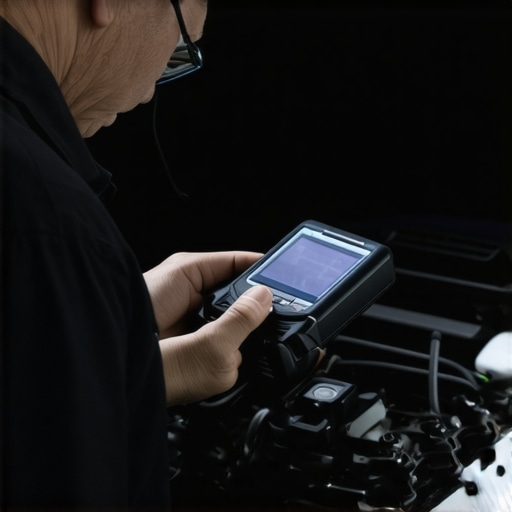
One of the most eye-opening lessons I learned was the importance of proactive diagnosis over reactive repairs. Waiting until something breaks often leads to more costly fixes; catching issues early with tools like an advanced vehicle diagnostics toolkit has been a game-changer. I also discovered that quality parts make all the difference—skimping on OEM or trusted aftermarket components tends to backfire in the long run. Lastly, I realized that understanding the nuances of fluid behavior, especially when water contaminates oil after rain, can prevent minor problems from snowballing into engine disasters. These insights pushed me from basic maintenance to strategic vehicle care, saving time and money.