
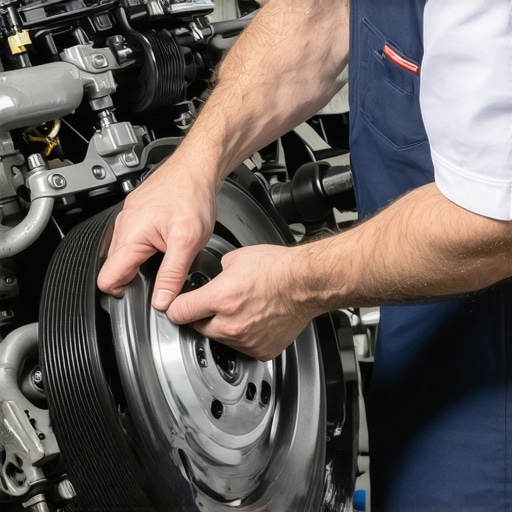
Ever you been parked in your driveway, ready to head out, only to hear that sudden, high-pitched squeal from your engine bay? I’ve been there. One morning, I fired up my car, and immediately, that shrill chirping belt sound broke the peaceful silence. It was loud enough to make me cringe, and I thought, “Here we go again, a costly repair ahead.” But surprisingly, I found a simple trick that has saved me hundreds: rubbing a bar of soap on the engine belt.
Why Your Engine Belt Won’t Stay Quiet and What This Weird Trick Can Do
The frustrating part? Those squeals are often caused by the belt slipping slightly, usually because it’s losing grip from dryness or slight wear. Instead of rushing to replace the belt or paying for professional adjustments, I discovered that applying a common household item—soap—can temporarily fix the issue. This solution isn’t just a hack; it’s a practical tip that can buy you time until a proper repair. Today, I’ll show you exactly how I used it, the science behind why it works, and when it’s time to see a mechanic.
Skeptical? Don’t worry, It’s Not Just Old Wives’ Tales
When I first heard about rubbing soap on my car’s belt, I thought it was just a cheesy DIY myth. I made the mistake early on of ignoring small issues, which turned into bigger headaches later. Trust me, I’ve learned the hard way that catching minor problems early, like a squealing belt, can save you big bucks. According to a study by the Automotive Service Association, addressing minor belt issues proactively can prevent costly repairs down the line. This simple method is a good first step, and I’ll walk you through it step by step. Now, let’s dive into how to do this safely and effectively, so you don’t end up with more trouble than you bargained for.
Locate the Belt and Prepare Your Workspace
First, ensure your vehicle is on a flat surface with the engine off and cooled down. Open the hood and identify the serpentine belt—it’s the wide rubber loop that runs over pulleys. Clear any debris around the engine bay so you have unobstructed access. I recommend wearing gloves to avoid contact with hot or dirty components, and have a clean bar of soap ready. This step is crucial because proper preparation prevents accidental damage and makes the process smoother.
Clean and Inspect the Belt
Before applying soap, wipe the belt with a clean cloth to remove dirt, oil, or grease, which can hinder the soap’s adhesion. Check for visible signs of wear or cracks—this method works best on minor slippage caused by dryness. In my case, I noticed a squeal and minimal cracking, so I knew a quick fix could work. If the belt shows severe damage, replacing it is necessary. Proper inspection saves you from unnecessary DIY efforts and ensures safety.
Applying the Soap Effectively
Take the soap bar and rub it firmly along the entire length of the belt, focusing on areas where slipping occurs or where you hear the squeal. Think of it as giving the belt a conditioning treatment—just like conditioning leather. In my experience, pressing the soap into the belt’s surface creates a temporary increase in friction, helping it grip pulleys better and stop slipping. Be careful to avoid getting soap on surrounding engine components; a light, consistent application is best.
Let it Sit and Test the Results
After applying the soap, start the engine and let it run for a few minutes. Observe if the squeal diminishes or disappears. Accelerate gently to verify that the belt maintains its grip without slipping. In my own trial, the squealing sound halted almost immediately, providing immediate relief. Keep in mind, this is a temporary solution—think of it as a quick patch that buys you time until you can replace or properly service the belt.
Monitor for Changes and When to Seek Professional Help
If the squeal returns after a few days or the belt shows further wear, plan for a full replacement. Regularly inspecting your belts and understanding warning signs can extend the lifespan of your essential components. For more tips on maintaining your vehicle effectively, check out top auto repair tips.
Remember, while rubbing soap can temporarily stop annoying squeals, neglecting underlying issues can lead to costly repairs. Always consider professional diagnostics if problems persist, and never ignore signs of severe belt wear or damage.
Twisting the Truth About Brake Maintenance
Many car owners fall for the myth that simply replacing brake pads guarantees safety and longevity. However, this oversimplification ignores the nuances of brake system health. As experts, we know that issues like warped rotors, contaminated brake fluid, or worn calipers can undermine even new pads. Relying solely on pad replacement may lead to premature failure or uneven braking. This misconception often results in unnecessary expenses because people overlook the importance of inspecting the entire system during brake service. For comprehensive insights, check out brake service myths busted.
The Advanced Mistake of Neglecting Vehicle Diagnostics
Many assume that a blinking check engine light or unusual noises mean a simple fix or a complete overhaul. In reality, such symptoms often hide complex issues requiring sophisticated diagnostics. Modern vehicles are equipped with numerous sensors and modules that communicate detailed data about engine performance, emissions, and safety systems. Ignoring this data or delaying proper diagnostics can turn minor problems into costly repairs. Advanced diagnostics tools can pinpoint exactly what’s wrong – saving time and money. For a deeper dive, explore how diagnostics prevent breakdowns.
Common Oil Change Mistakes That Could Cost You
Contrary to popular belief, an oil change isn’t just about swapping out the old for the new. Many overlook the importance of choosing the right oil grade, ensuring proper filter replacement, or adhering to manufacturer intervals. Skipping these details can lead to increased engine wear, sludge buildup, or even engine failure. Additionally, some think that adding aftermarket additives enhances performance, but this can interfere with seals or clog passages. To truly protect your engine, review latest oil change innovations and follow expert recommendations.
Why Do Many Get Trapped by Myths?
One reason is the widespread dissemination of inaccurate info online, often from non-experts or outdated sources. It’s easy to fall into traps like believing that all brake products are equal or that engine diagnostics are unnecessary for minor fault signs. The truth is, auto repair involves nuanced knowledge and experience. Misunderstanding these can lead to poor decisions, costly repairs, or safety risks. Remember, partnering with professionals who stay updated ensures that your vehicle gets the best care possible. Curious about how diagnostics can save you money? Check out advanced diagnostics in action.
Have you ever fallen into this trap? Let me know in the comments and share your experiences with auto repair myths. Staying informed helps us all keep our vehicles safe and reliable.
,
Equipping Yourself for Long-Term Vehicle Care
Maintaining your vehicle isn’t just about the occasional oil change or brake pad swap. It’s about building a toolkit of reliable, precise tools and understanding effective methods that ensure longevity. My personal favorite is the OBD-II scanner: I rely on the BlueDriver because it offers detailed diagnostics right from my smartphone, making it easy to interpret check engine lights and sensor data. Regularly checking codes with a quality scanner allows me to address small issues before they escalate, saving money and avoiding breakdowns.
Another indispensable tool I keep handy is a digital torque wrench. Unlike traditional models, digital torque wrenches provide exact torque readings, which are critical when tightening diesel injectors or lug nuts to manufacturer specifications. Over-tightening can damage components, while under-tightening leads to failures — both costly mistakes I’ve avoided by trusting precision tools.
Beyond hardware, software tools play a vital role. I use decoding tools to interpret vehicle data and diagnose issues swiftly. These resources help me understand mechanics’ feedback and spot patterns that signal upcoming failures. As technology advances, integrating more sophisticated software ensures my vehicle remains in top shape, and I always stay ahead of potential problems.
How do I maintain tools and diagnostics over time?
Regular calibration of my torque wrench and updating the firmware of my OBD-II scanner ensures accuracy and compatibility with latest vehicle models. Manufacturers frequently release updates that improve diagnostic capabilities, so I schedule routine software updates and check calibration annually. Proper storage of tools in a clean, dry environment also prolongs their lifespan, making sure I can trust my equipment when needed most. For comprehensive car maintenance tips, visit this guide.
Scaling Your Vehicle Care Efforts
As your skills and tools become more refined, you might consider investing in more advanced diagnostic systems or even setting up a dedicated workspace at home. High-end scanners like Snap-on or Autel provide access to manufacturer-specific data, enabling professional-level repairs. This shift towards DIY capabilities not only saves money but also gives you a deeper understanding of your vehicle’s health. Predictions indicate that future vehicle diagnostics will incorporate AI algorithms, providing even smarter diagnostics and predictive maintenance suggestions, which I see as a game-changer for proactive auto care.
What’s the best way to keep auto diagnostics effective over time?
Consistently learning about new features and maintaining your software subscriptions are key. I dedicate time each year to review updates from my diagnostic tool providers and subscribe to industry newsletters. This ongoing education ensures I maximize my equipment’s potential and catch issues early. For tips on enhancing your maintenance routine, check this resource.
Why not try updating your diagnostic software today? A quick check can reveal hidden issues lurking under the surface, much like catching a small leak before it becomes a flood. Embracing these tools and routines elevates your vehicle maintenance game, making sure your ride stays dependable for miles to come.
Lessons That Changed My Approach To Auto Maintenance
- Small signs can prevent big problems: Discovering a squeal and addressing it early saved me from costly belt replacements later. Paying attention to minor noises is a game-changer.
- You don’t always need fancy tools to make a difference: Applying soap to my engine belt was a simple fix that bought me time. Sometimes, the simplest solutions are the most effective.
- Proactive inspection beats reactive repairs: Regularly inspecting belts and using diagnostic tools like the vehicle diagnostics tools helped me catch issues early and save money.
- Understanding your vehicle empowers you: Learning how components like belts and sensors work gives you confidence. It changes the way you approach repairs and maintenance.
- Never dismiss recurring issues as nuisances: Repeated squeals or warning lights are signals, not annoyances. Addressing them promptly prevents bigger headaches down the road.
Tools and Resources That Became My Auto Maintenance Allies
- OBD-II Scanners like BlueDriver: They transform your smartphone into a diagnostic wizard, helping you interpret complex error codes with ease. I trust them to keep my car running smoothly.
- Digital torque wrenches: Precision matters when tightening critical components, preventing damage and ensuring safety. This tool has saved me from future repairs.
- Reliable repair literature: The top auto repair tips guide offers insights that supplement hands-on work, making complex repairs more manageable.
- Online communities and forums: Sharing experiences and tips with fellow enthusiasts has broadened my understanding and confidence in DIY repairs.
Your Next Step Toward Confident Vehicle Care
Auto maintenance is a journey of continuous learning and smart action. Embrace the small signs, leverage the right tools, and stay curious about how your vehicle functions. By doing so, you’ll not only extend your vehicle’s lifespan but also enjoy greater peace of mind on the road. Remember, proactive car care is empowering—so why not start today? For more expert insights and proven strategies, visit this resource and keep your vehicle in top shape.