
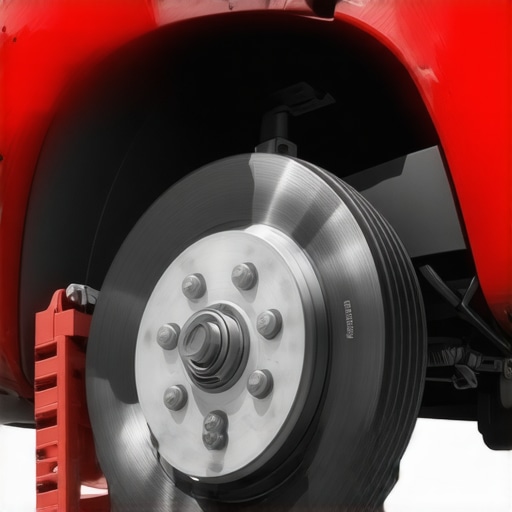
Ever been cruising down the road when suddenly you notice your car feels heavier, or your steering isn’t as responsive as it used to be? That sinking feeling in your gut, realizing something’s off with your brakes, is all too familiar for many car owners—including me. I learned this lesson the hard way when my own vehicle started making strange noises after a routine brake service. It turned out I had overlooked the signs of dragging brakes, leading to unnecessary wear and costly repairs. That’s when I decided to get to the bottom of the issue and understand how to detect if my drum brakes are dragging before it escalates.
Why Identifying Dragging Drum Brakes Matters for Your Safety and Wallet
Dragging brakes are more than just a minor annoyance—they can compromise your safety and accelerate component wear, leading to bigger bills down the line. When your brakes stick or drag, your vehicle might pull to one side, overheat, or even fail unexpectedly. Recognizing these signs early can save you from roadside emergencies and hefty repair costs. Moreover, understanding this problem empowers you to perform simple checks yourself, avoiding unnecessary mechanic visits or, worse, being taken advantage of by unscrupulous repair shops.
Is It Really That Easy to Detect Dragging Brakes?
Initially, I thought I needed special tools or technical expertise to spot a dragging brake. It turns out, with a little knowledge, you can monitor the symptoms and perform basic checks. But beware—I made the mistake early on of assuming I knew enough without verifying, which cost me more in repairs. Trust me, if you’re willing to pay attention to your vehicle’s behavior, you can catch brake issues early. For more insights, check out this article that busts common brake myths and discusses safety tips.
Now that you understand why it’s crucial, let’s walk through how you can tell if your drum brakes are dragging, and what signs to look out for. Ready to become your car’s first line of defense against brake failure? Let’s dive into the practical steps you can follow right now.
Test Your Brake Response During a Slow Stop
Begin by gently applying the brakes and observing how your vehicle reacts. If it pulls to one side or if you feel resistance inconsistent with your normal braking, it might indicate a drag problem. I recall doing this on my usual route after noticing slight pulling; the car drifted more than usual when braking softly, prompting me to check further.
Feel the Heat After a Short Drive
After driving for about 10-15 minutes, safely park the car and carefully touch the wheels—especially the drums. Drums that are unusually hot compared to the others suggest they are sticking or dragging. I once had to use a cloth to check the temperature, and the hot drum confirmed my suspicion of a sticking brake. Always be cautious and avoid burns.
Perform a Visual Inspection for Uneven Wear
Remove the wheel and inspect the brake drum and shoes. Look for uneven lining wear, scoring, or cracks. A thorough visual can reveal if one side shows more wear or debris, indicating it’s dragging. I learned this the hard way when I noticed one shoe was significantly more worn, leading me to replace the faulty component.
Check for Sticking Brake Components Manually
With the wheel off, gently move the brake shoes by hand. They should move smoothly; resistance or stiffness indicates a problem. If a shoe is difficult to move, it’s likely sticking due to corrosion or a faulty adjuster. During my DIY repair, freeing a jammed shoe restored proper function and stopped the dragging.
Test Drive with Intentional Stops
Reinstall the wheel, and drive in a controlled environment. Apply steady pressure to brake and feel for consistent stopping power. Listen for strange noises or feels. I once performed this test in an empty parking lot, and a noticeable resistance on one side confirmed my suspicion of dragging calipers or shoes.
Use Basic Tools for Further Diagnosis
If you’re comfortable, use a brake drum puller or a pry bar to remove stubborn drums. Inside, check for corrosion, debris, or damaged springs. Regular maintenance, like cleaning and lubricating the adjusters, can prevent these issues. Remember, neglecting even minor sticking can lead to costly repairs later, so get familiar with your vehicle’s brake components.
Don’t Skip the Roadside Checks
Monitor your vehicle’s behavior during daily drives. Pay attention to unusual smells, vibrations, or increased stopping distances. These can be signs of brake drag. I once felt a faint burning smell after a short drive; inspecting the brakes revealed a drum that was excessively hot, saving me from a costly breakdown.
Perfecting these checks will arm you with the knowledge to catch brake drag early. For more detailed insights on brake safety, explore this comprehensive brake guide.
Most car owners operate under a set of assumptions about brake service, oil changes, and diagnostics that, while widespread, aren’t always accurate. As an automotive expert, I’ve seen how misconceptions can lead to expensive mistakes or missed warning signs. Let’s explore some of these hidden nuances and misconceptions that can trip up even experienced drivers.
Why Not Everything We Hear About Brake Services Is True
A prevalent myth is that brake pads only need replacing once they squeal or show visible wear. In reality, brake issues can be much more subtle. For example, uneven pad wear or subtle pulsing during braking often indicates underlying problems like warped rotors or caliper issues that aren’t immediately visible. Relying solely on pad thickness or noise can cause drivers to overlook early signs of caliper sticking or brake fluid contamination—issues that can escalate quickly and compromise safety. Advanced diagnostics, such as vehicle diagnostics techniques, are essential in identifying these hidden problems before they become emergencies.
Oil Changes: More Than Just Topping Off
An oile change isn’t merely about adding fresh lubricant; it’s an opportunity to assess engine health comprehensively. Many believe that changing oil is a routine, low-skill task, but failing to consider additives, oil type compatibility, and engine-specific characteristics can diminish its protective benefits. For instance, using standard oil in engines designed for synthetic formulations can lead to increased sludge buildup or inadequate lubrication during cold starts. Moreover, neglecting to replace or inspect oil filters during changes can allow contaminants to circulate, causing accelerated engine wear. To get the most out of oil maintenance, consider integrating modern oil change innovations that optimize engine performance.
Vehicle Diagnostics Are Not Just Resettings
Many drivers think that connecting a scanner and clearing codes is sufficient for troubleshooting, but this is a common pitfall. Diagnostic trouble codes (DTCs) are a starting point, not the final answer. Effective diagnostics involve interpreting sensor data, understanding systemic interactions, and performing real-world tests. For example, a misfire might appear simple to fix, but without analyzing fuel delivery, ignition timing, and sensor inputs, you risk replacing parts unnecessarily. This approach saves money and prevents recurring issues. Experts endorse deep vehicle diagnostics as vital in avoiding costly guesswork.
What Advanced Vehicle Diagnostics Reveal That Basic Scans Miss
Conventional scans often overlook nuanced issues such as sensor calibration errors or minor wiring faults that can cause intermittent symptoms. Advanced diagnostics can detect these subtle problems, preventing breakdowns and extending component lifespan. For example, minor voltage fluctuations in sensors might seem insignificant but can lead to poor fuel economy and increased emissions if left unchecked. To best serve your vehicle’s longevity, integrating these sophisticated diagnostic techniques is advisable. For insights into how these advanced systems operate, see this detailed guide.
Recognizing these hidden nuances is key to smarter auto care. Don’t fall for the myths that surface regularly; instead, stay informed and proactive. For more expert strategies and insider tips, check out auto repair hacks that save money without sacrificing quality. Have you ever fallen into this trap? Let me know in the comments.

How Do I Maintain My Vehicle Effectively Over Time?
Keeping your vehicle in top shape requires the right tools and consistent maintenance practices. Personally, I rely on a combination of diagnostic software and quality hand tools to ensure my car stays reliable. One essential piece of equipment I use is the OBD-II scanner, specifically the BlueDriver Bluetooth Pro OBDII Scan Tool. It’s Bluetooth-enabled, pairs seamlessly with my smartphone, and provides real-time data and diagnostics. This allows me to catch issues like misfires or sensor errors before they escalate. Unlike generic scanners, the BlueDriver offers detailed repair reports, making it easier for DIY enthusiasts and professionals alike to understand underlying problems.
In addition to diagnostic tools, I recommend investing in a quality socket set with anti-slip ratchets. Reliable hand tools like the GearWrench Professional Socket Set are durable and versatile, enabling me to perform everything from brake pad replacements to oil changes confidently. Using the right tools prevents damage to fasteners and saves valuable time during repairs.
For fluid maintenance, I utilize a precision oil extractor such as the Mityvac Vacuum Oil Extractor. This device simplifies oil changes by allowing me to rapidly drain the old oil without messy drips, ensuring I replace oil before it degrades engine performance. Regular oil changes, combined with tools like these, extend engine life significantly, as many experts suggest in this article.
When it comes to diagnostics, I turn to advanced vehicle diagnostics techniques. These include testing sensor calibrations and wiring integrity, which go beyond simple code scans. Staying ahead with such practices helps in preventing breakdowns and optimizing vehicle performance.
Looking ahead, I predict that AI-powered diagnostic tools and predictive maintenance software will become standard for both professionals and dedicated DIYers. These systems will analyze data over time to forecast issues before they manifest, saving drivers time and money. Embracing current technologies now positions you advantageously for this future.
To keep your vehicle functioning smoothly with minimal surprises, I encourage you to try using a diagnostic scanner regularly and investing in quality hand tools. For instance, run a quick diagnostic check after every oil change or minor repair, which can reveal hidden problems early. Want to explore more about how diagnostics can transform your auto care routine? Visit this guide to discover innovative strategies for saving money without sacrificing quality.
By integrating these precise tools and techniques into your maintenance routine, you’ll ensure your car stays reliable and efficient for years to come.
The Lessons Hidden in My Brake Journey
- Once I dismissed subtle signs of brake drag, I learned the hard way that ignoring early warnings can lead to costly repairs. It taught me to trust my vehicle’s signals and perform regular checks, saving time and money in the long run.
- Understanding that vehicle diagnostics go far beyond code scanners opened my eyes to hidden issues that could compromise safety. Investing in advanced diagnostic tools has been a game-changer for preemptive maintenance.
- I’ve realized that routine maintenance, combined with a curious mind and the right tools, creates a partnership between driver and machine—one built on trust, vigilance, and knowledge.
Tools and Resources That Changed My Approach to Auto Care
- BlueDriver Bluetooth Pro OBDII Scan Tool: This scanner offers real-time insights and detailed reports, empowering me to catch issues early. Its compatibility with my smartphone makes diagnostics straightforward and accessible.
- GearWrench Professional Socket Set: Durable and precise, these tools help me perform repairs confidently, ensuring fast and damage-free work even in tight spots.
- Mityvac Vacuum Oil Extractor: Simplifies oil changes by reducing mess and ensuring I replace oil before it degrades, extending engine lifespan.
Your Next Step Toward Smarter Auto Maintenance
Don’t wait for warning lights or strange vibrations to occur—take proactive steps today to understand your vehicle better. Combining regular checks with reliable tools will keep your brakes and engine running smoothly, ensuring safety and peace of mind. Remember, auto care isn’t just about fixing problems; it’s about preventing them before they become emergencies. Ready to start your journey toward smarter vehicle maintenance? Dive deeper with comprehensive guides like auto repair hacks that save money without sacrificing quality and keep your car in top shape for years to come.
What’s been your biggest breakthrough in understanding your vehicle’s needs? Share your story below!