
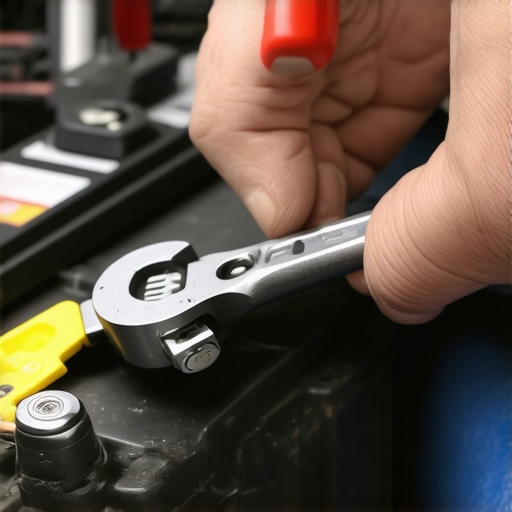
Ever been stranded in your driveway on a chilly morning, turning the key and hearing that sluggish, almost reluctant start? I remember the day I had that exactly happen to me. It was the kind of moment that makes you realize: there’s more to car trouble than what meets the eye. After a few frustrating attempts, I discovered a simple yet effective trick involving my battery terminals that completely changed my approach to slow cranking issues.
Why a Tiny Adjustment Can Save Your Morning
Slow cranking can be maddening. It’s that hesitant, sluggish turn of your engine that sometimes feels like it’s on its last legs. But often, the culprit isn’t just the battery’s age or the alternator—it’s a stubborn, dirty connection at the battery terminals. If you’re tired of that frustrating start-up and want to avoid costly repairs or being stranded, mastering this trick can be a game-changer.
Have You Faced This Issue and Thought It Was Just the Battery?
Early in my auto repair days, I made the mistake of thinking that a weak battery was always the prime suspect. I would replace it, only to find the problem persisted. It wasn’t until I learned about corrosion and loose connections that I started fixing the root cause. You can learn more about vehicle diagnostics [here](https://repairmycarpro.com/decoding-vehicle-diagnostics-what-your-car-is-trying-to-tell-you), which can help you pinpoint issues before they leave you stranded.
In the following sections, I’ll walk you through a straightforward method backed by my personal experience and trusted automotive advice, to improve your starter’s performance using a simple tweak at the battery terminals. It’s a DIY move anyone can do, saving you money and hassle. So, if slow cranking has been bothering you, stick around—you’re about to learn a trick that might just make your mornings smoother.
Access the Battery Terminals Safely
Before doing anything, make sure your vehicle is off, the keys are removed, and the parking brake is engaged. Open the hood and locate your battery—usually at the front of the engine bay. Use gloves and safety glasses because batteries can emit harmful gases and acid.
Identify Corrosion and Looseness
Examine the battery terminals—the clamps that connect the battery cables to the battery posts. Look for white, green, or blueish powdery residue, which indicates corrosion. Also, check if the clamps are securely attached; loose connections reduce current flow and cause sluggish starts. Sometimes, even a slight looseness mimics a dying battery.
Clean the Terminals Methodically
Mix a solution of baking soda and water—about one tablespoon of baking soda per cup of water. Dip a wire brush or old toothbrush into the solution and scrub the terminals and clamps to remove corrosion. For stubborn buildup, attach the brush securely and scrub vigorously. Rinse with clean water and dry with a cloth. This process restores proper conductivity, much like clearing a clogged pipe.
Ensure Proper Tightness and Replace If Needed
Use a wrench to tighten the clamps securely onto the battery posts. A snug fit ensures optimal contact; avoid over-tightening, which can damage the terminals. If the clamps are damaged or severely corroded beyond cleaning, replace them with new ones from an auto parts store. Remember, a solid connection is crucial for efficient power transfer, similar to securing a hose for steady water flow.
Apply Protective Measures
To prevent future corrosion, coat the terminal clamps with a dielectric grease or petroleum jelly. This barrier reduces moisture contact and prolongs clean contact surface. Reassemble everything in reverse order, ensuring no tools or debris are left behind in the engine bay.
A personal story: Once, I applied this cleaning and tightening technique on a cold winter morning when my engine was sluggish. Afterward, the car started right away, saving me from the misery of being stranded. It’s a straightforward step that can make a big difference and improve your battery’s connection without replacing it prematurely.
Additional Tips for Optimal Performance
Regularly inspect your battery terminals, especially during temperature extremes. Consider checking the overall health of your battery with a multimeter or taking it to a mechanic for testing. For more insights on vehicle diagnostics, visit this guide.
Many car owners and even some mechanics operate under misconceptions that can lead to costly mistakes. For instance, a common myth is that every engine noise indicates a major problem requiring immediate, expensive repairs. In reality, many noises are benign or fixable with simple adjustments, and understanding the nuances can save you time and money. Let’s dig deeper into what most people get wrong about auto maintenance and repairs.
One widespread misconception revolves around brake service. The myth that only noisy brakes need attention has led many to ignore subtle signs like a slight pedal pulsation or a soft brake feel. Advanced issues, such as warped rotors or caliper problems, often manifest without immediate noise. Regular inspections and understanding what truly matters for safety help prevent dangerous failures.
Similarly, many believe that an oil change is just about fresh oil. However, innovations like synthetic blends and oil change technologies have made the process more complex. Using the correct oil type and a quality filter can extend engine life significantly. Overlooking these details can lead to deposits buildup and reduced efficiency over time.
What about vehicle diagnostics—are all checks equal?
Not quite. There’s a trap in trusting only basic codes or indicator lights. The truth is, advanced diagnostics reveal hidden issues that simple scans may miss. Sensors might give false readings, or multiple systems could be misfiring in tandem, causing symptoms that seem unrelated. Ignoring these nuances leads to misdiagnosis, prolonging issues and escalating repair costs.
Be cautious, too, of the common auto repair trap—assuming all mechanics are equally skilled. The best practices include seeking technicians who employ precise diagnostic tools and stay updated on the latest repair innovations, like exact wheel alignment adjustments, which can often be overlooked but are crucial for safety and longevity.
In summary, the landscape of auto repair is riddled with myths and oversimplifications. Focusing on the nuances, rather than just the surface cues, can dramatically improve your vehicle’s performance and lifespan. So, next time you hear a strange noise or consider a service, ask yourself if you’re falling for a myth or facing a real issue. Have you ever fallen into this trap? Let me know in the comments.
Keep It Running: Essential Maintenance Tools and Strategies
Maintaining your vehicle over the years isn’t just about fixing things when they break; it’s about proactive care that extends lifespan, improves safety, and saves money. For any car enthusiast or everyday driver, having the right tools and adopting best practices makes all the difference. In this section, I’ll share my personal go-to equipment, software, and methodologies that keep my vehicles in top shape long-term.
The Importance of Reliable Diagnostic Tools
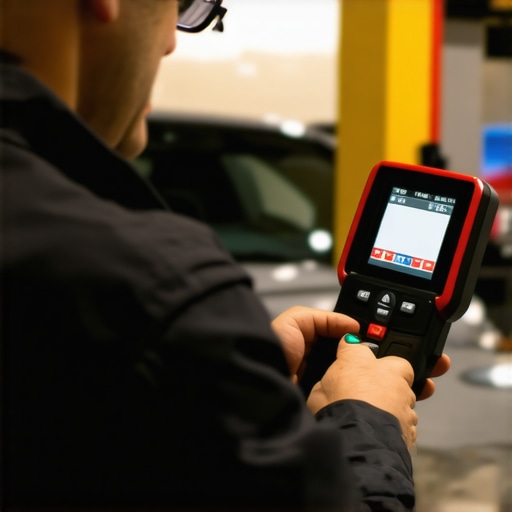
In my experience, investing in a high-quality OBD-II scanner is invaluable. I personally use the Ancel HD1500 because it pairs well with my smartphone app, giving me real-time data on engine performance, sensors, and error codes. It’s especially useful for decoding vehicle diagnostics without heading straight to the mechanic. Frequent checks help catch issues early—like minor sensor glitches before they become costly repairs.
Software Assistance for Preventive Maintenance
Beyond hardware, I recommend using maintenance tracking apps such as Car Dash or MyCar. These allow you to log services, monitor oil change intervals, tire rotations, and filter replacements. Setting reminders ensures you never overlook key tasks. Advanced software can even connect with your vehicle’s ECU to suggest diagnostic checks based on driving patterns. As trends point toward more integrated diagnostic systems, embracing these tools helps you stay ahead.
Practical Maintenance Methods and Longevity
For regular upkeep, I emphasize the importance of simple but effective steps like cleaning the battery terminals and inspecting belts and hoses. As discussed earlier, keeping contact points clean prevents slow cranking issues. I also use synthetic oils, which can handle higher temperatures and reduce engine wear. Technologies such as synthetic oil blends extend drain intervals and protect engine components better.
How can I sustain my vehicle’s health over time?
Implement a routine schedule that combines visual inspections, software diagnostics, and timely part replacements. For example, checking brake pads for uneven wear—not just when a warning light appears—is crucial. Regularly using a tire pressure gauge and the simple trick of measuring tread depth help prevent dangerous failures. Stay informed about issues specific to your vehicle model via resources like top maintenance tips. Over time, adopting these practices reinforces your car’s reliability and safety.
Looking ahead, trends suggest automakers will incorporate more AI-driven diagnostics and remote monitoring, making vehicle health checks more seamless. As expert insights indicate, embracing advanced tools now prepares you for future innovations. I highly recommend trying out a comprehensive diagnostic scan at least twice a year to uncover hidden issues early—saving you money and stress down the road.
Remember: preventing problems is always easier and cheaper than fixing them. Equip yourself with the right tools, stay vigilant, and adopt a disciplined maintenance routine. Your vehicle’s long-term performance depends on it. Need help choosing the best diagnostic tools? Feel free to reach out for tailored advice.
When I first started dealing with vehicle maintenance, I believed most repairs were complex and required a professional’s touch. But over years of personal experience, I uncovered lessons that dramatically changed my perspective on brake service, oil changes, and diagnostics. These insights not only saved me money but also empowered me to handle many issues confidently.
Lessons That Challenged My Auto Repair Assumptions
- Not Every Noise Means Big Trouble: I used to panic at every squeal or clunk, but I learned that some symptoms are simple fixes, like a worn brake pad or loose belt. Recognizing the difference between harmless sounds and serious trouble is a game-changer.
- The Power of Routine Checks: Regular inspections of brakes and oil can catch problems early before they escalate. This proactive approach prevented many emergencies and extended my vehicle’s lifespan.
- Diagnostics Can Be Simplified: Advanced vehicle diagnostics tools are more accessible than I thought. With a good OBD-II scanner and some knowledge, I could identify issues without costly trips to the mechanic every time.
- The Myth of Quick Fixes: There’s no substitute for understanding your vehicle’s fundamentals. Learning the basics of brake wear patterns or oil quality helped me make informed decisions and avoid scams or unnecessary repairs.
My Go-To Tools for Confident Repairs
- High-Quality OBD-II Scanner: I rely on tools like the decoding vehicle diagnostics resource to interpret error codes and monitor engine health in real-time. It’s become my essential troubleshooting companion.
- Maintenance Tracking Apps: Apps like Car Dash help me keep schedule up and avoid missing critical services like brake inspections or oil changes, ensuring my vehicle remains in top shape.
- Basic Repair Kits: A quality set of screwdrivers, pliers, and cleaning supplies has empowered me to address small issues promptly, saving trips and money.
- Reliable Resources and Guides: Trusted websites with DIY tutorials, like the ones I’ve found here, provided step-by-step instructions that made complex repairs approachable and safe.
Your Next Move Starts Today
Auto repairs and maintenance don’t have to be intimidating or overly expensive. With the right knowledge and tools, you can transform how you care for your vehicle, extending its lifespan and saving money along the way. Don’t wait for problems to escalate—take charge now, and enjoy peace of mind on every drive.
Have you ever hesitated to perform your own brake service or oil change? Share your experiences below—I’d love to hear your story or answer any questions you might have!