
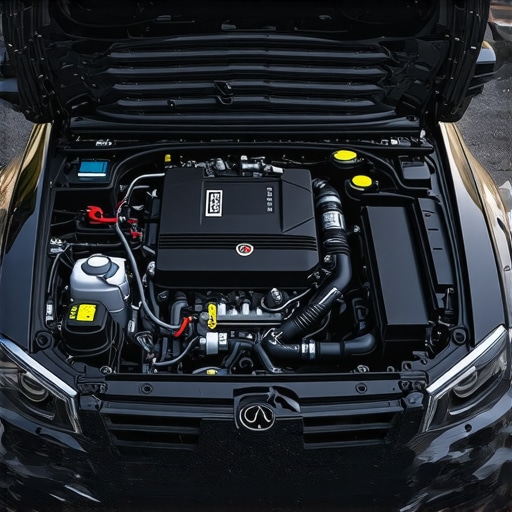
Ever had that moment when you walk past your car and catch a whiff of gasoline, but a quick glance and sniff test reveal no visible leaks? I remember the first time I smelled gas in my driveway and thought, “Did I forget to tighten the gas cap again?” The smell was persistent and unsettling, yet every check seemed to come up empty-handed. It was a real lightbulb moment for me—realizing that gas odors don’t always originate from obvious issues like spilled fuel or loose caps.
In this post, I promise to walk you through the common reasons behind this puzzling problem and, more importantly, how to diagnose and fix it yourself. If you’re tired of the mystery and want to keep your family safe, keep reading.
Understanding Why Your Car Smells Like Gas Without Leaks
Despite what many think, a gasoline smell isn’t always a sign of a big leak or a cracked fuel line. Sometimes, the culprit is a smaller, less obvious issue—like a tiny evaporative system leak or a failing vapor canister. These hidden problems can cause fuel vapors to escape, creating that strong smell without any puddles or drips.
I learned early on that relying solely on visual inspection can be misleading. I once assumed that the gas cap was loose because I smelled fumes, only to discover later that a small crack in a vent hose was releasing vapors. This mistake taught me the importance of understanding your vehicle’s fuel vapor system better.
To get to the root of the issue, it’s helpful to decode your car’s onboard diagnostics and check for stored trouble codes. Vehicle diagnostics can reveal hidden faults that aren’t immediately visible.
Have you ever experienced a gasoline smell and wondered whether it was worth a mechanic visit, or could you fix it yourself? You’re not alone. Many car owners get overwhelmed by the idea of fuel system trouble, but understanding the common causes can save you time, money, and worry.
Next, let’s explore the most frequent causes behind these sneaky gasoline odors and how to identify them before they become more serious.
Check for Faulty Fuel Cap Carefully
Begin by inspecting the fuel cap—it’s the simplest culprit. Unscrew it, examine its rubber gasket for cracks or deformation, and tighten securely. I once found a cracked gasket on my friend’s car, which caused gas fumes to escape, despite the cap looking fine. Replacing a faulty cap or gasket is often a quick fix and can eliminate the smell right away.
Inspect Fuel System Components Methodically
Next, locate and examine key parts such as the evaporative emission control system (EVAP), vent hoses, and fuel lines. Use a flashlight and mirror to look for cracks, loose clamps, or signs of wear. A small crack in a vent hose, as I once discovered under my driveway, can release vapors without pooling fuel. Replacing damaged hoses prevents vapors from escaping and keeps your engine running clean.
Use Soapy Water for Leak Detection
This simple technique works well for identifying small leaks. Mix a soap solution, spray it onto suspect areas, and watch for bubbles forming when the engine is running. I applied this method to my car’s vapor canister, and bubbles appeared around a cracked valve. This visual cue confirmed a leak, guiding my repair without costly diagnostics.
Decoding Error Codes to Find Hidden Faults
If visual inspection isn’t conclusive, connect an OBD-II scanner to your vehicle’s port. This device reads stored trouble codes that reveal issues like evaporative system leaks. I recorded a code indicating a purge valve malfunction, which was causing vapor escape. Fixing or replacing the faulty component resolved the smell issue and prevented future emissions problems.
Remember, proper diagnosis often combines visual checks, pressure testing, and code analysis. For a more comprehensive approach on vehicle diagnostics, visit this guide.
Perform a Smoke Test for Persistent Issues
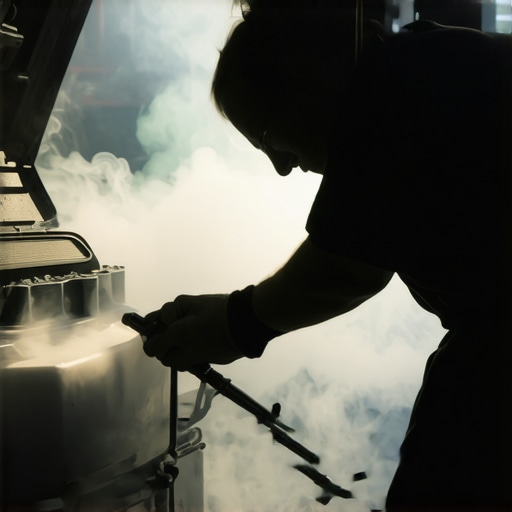
When leaks are elusive, a smoke test can pinpoint tiny cracks. A professional mechanic introduces non-toxic smoke into the system; escaping smoke indicates leaks. Though it’s best performed by experts, understanding this process highlights the importance of thorough diagnosis for peace of mind. This approach ensures no small leak, like a tiny crack inside a canister, goes unnoticed, keeping your vehicle running efficiently.
 Many car owners assume they understand vehicle diagnostics and repair thoroughly, but there are subtle nuances and misconceptions that can lead to costly mistakes. Contrary to popular belief, relying solely on quick fixes or generic advice often results in missed issues and increased expenses. For example, many think that a flashing check engine light always indicates a major problem, but in reality, it can sometimes signal a minor sensor glitch, which can be diagnosed effectively with proper diagnostics.
Are You Overlooking the Importance of Advanced Diagnostic Tools?
In my experience, basic code readers are helpful but limited; investing in or consulting professionals with advanced diagnostic equipment can uncover hidden faults before they escalate. A study published by the National Institute for Automotive Service Excellence (ASE) emphasizes that comprehensive diagnostics can prevent up to 70% of breakdowns by catching issues early. One common trap is the assumption that all problems will show obvious signs—like visible leaks or sounds. But many modern vehicles have complex systems where issues manifest subtly, such as irregular engine performance or fluctuating fuel efficiency.
Failing to understand this can lead to misdiagnosis or unnecessary part replacements. Instead, a holistic approach—combining visual inspections, error code analysis, and sometimes, specialized tests like smoke or pressure testing—is essential for accurate diagnostics.
Furthermore, many underestimate the importance of routine maintenance like oil changes and brake services, thinking they’re just about longevity. However, these services also serve as diagnostic opportunities, revealing early signs of wear or system faults. For instance, a neglected oil change might hide sludge buildup that can damage the engine, or brake pads wearing unevenly could indicate suspension issues.
Don’t forget that driving habits influence vehicle health too. Aggressive driving can accelerate wear and complicate diagnostics. Regular checkups, understanding your vehicle’s warning signs, and avoiding shortcuts are key. Curious about how advanced diagnostics can save you money and hassle? Check out this guide.
Remember, a meticulous approach grounded in proper diagnostics and maintenance prevents costly repairs and keeps your vehicle running smoothly. Have you ever fallen into this trap? Let me know in the comments.Maintaining your vehicle over time requires more than just basic knowledge; it demands the right tools and a strategic approach to ensure longevity and reliable performance. One of my go-to gadgets is the OBD-II scanner, specifically the BlueDriver Pro. I personally use this device because it offers comprehensive diagnostics beyond generic code readers, allowing me to interpret complex trouble codes and even clear them. Its Bluetooth connectivity pairs effortlessly with my smartphone, making fault detection quick and efficient. Investing in a quality scanner like this has saved me multiple trips to the mechanic, especially when dealing with elusive emissions issues or sensor glitches, as discussed in vehicle diagnostics.
Lessons That Changed My Approach to Vehicle Care
One of the most eye-opening lessons I learned was that not all fuel smells stem from obvious problems like a loose gas cap. Sometimes, the culprits are tiny, easily overlooked leaks in vapor systems that can cause serious safety concerns over time. I once assumed replacing a faulty hose would be a big job, only to discover that a simple soap leak test revealed a tiny crack I missed. This taught me to trust basic diagnostic techniques and not rely solely on visual inspections.
Another breakthrough came when I invested in a quality OBD-II scanner. It was a game-changer in diagnosing hidden faults such as sensor malfunctions or evap system leaks that traditional checks often miss. Learning to decode these error codes empowered me to fix issues myself and prevented small problems from escalating. This experience highlighted the importance of understanding your vehicle’s electronics and not dismissing warning lights as minor annoyances.
Finally, I realized that professional tools like smoke testers are invaluable for persistent leaks. Even when everything seems tight and clear, a smoke test can expose tiny cracks in hard-to-reach areas. While I haven’t performed one myself, knowing this technique motivates me to seek professional help when needed and trust experts to handle complex diagnostics.