
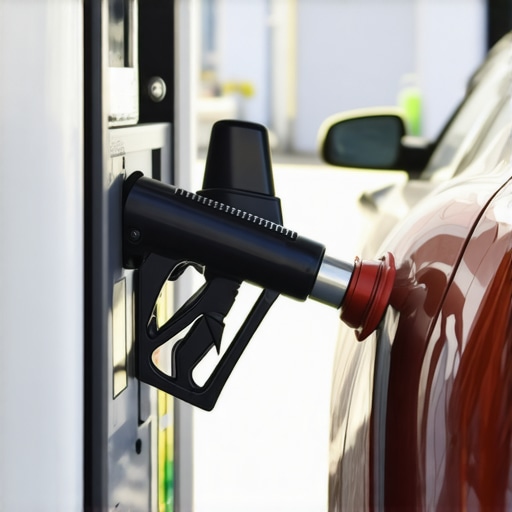
Imagine pulling up to the pump after a long day, ready to refuel, only to find that your car’s fuel nozzle keeps clicking off before you’ve even finished filling the tank. Frustrating, right? That moment of helplessness is a familiar scene for many drivers, and I’ve been there myself. It’s that sinking feeling when you’re in a hurry, and the gas just refuses to flow smoothly. For years, I thought it was a simple problem—maybe a faulty pump or something minor—but it turned out to be a deeper issue with my vehicle’s venting system.
Why Your Car Is Acting Up at the Gas Pump
Understanding why your car won’t accept gas without clicking off repeatedly isn’t just about convenience—it’s about keeping your vehicle healthy and avoiding costly repairs down the road. When the fuel nozzle clicks, it’s signaling a mini battle between air and fuel flow in your tank. If this process gets disrupted, not only does it make fueling a hassle, but it can also point to underlying problems like a blocked vent valve or a more complex tank issue.
Knowing what’s causing this annoyance can save you time, money, and a lot of frustration. It’s common for drivers to ignore these signs, but as I’ve learned from personal experience, tackling the root cause early can prevent bigger headaches—and expenses—later. If you’ve ever found yourself stuck in a gas station stall, desperately trying to fill your tank, then you know exactly what I mean.
And there’s good news: many of these issues are fixable without a complete overhaul of your fuel system. With a bit of knowledge and some simple checks, you can often resolve the problem yourself or at least get a clearer idea of what’s going on. I’ll walk you through the common causes, the mistakes I made early on, and the steps to troubleshoot your vehicle’s fueling hiccups.
But before we dive into the solutions, let me share a quick tip—did you know that a blocked or faulty vent might be the culprit? According to automotive experts, a malfunctioning vent can create a vacuum in the tank, causing the pump to shut off prematurely. This is why understanding vehicle diagnostics is crucial—you want to pinpoint whether a simple fix is needed or if a professional’s touch is required. For a detailed guide on vehicle diagnostics, check out [this resource](https://repairmycarpro.com/vehicle-diagnostics-explained-easy-checks-before-your-road-trip).
Now, let’s explore how you can identify and fix these issues, starting with the most common causes that can be tackled at home. Trust me, once you address these little problems, fueling up becomes a lot less stressful—and your car thanks you for it.
Inspect the Fuel Tank Venting System
Start by locating the vent valve on your vehicle, typically near the gas cap area. With the engine off, listen for a hissing sound when opening the gas cap—this indicates proper venting. If the tank is not venting correctly, it creates a vacuum that causes the nozzle to click prematurely. To test, temporarily open the gas cap slightly while fueling. If this resolves the issue, a faulty vent might be the culprit. Remember, a blocked or malfunctioning vent can be a simple fix or may require replacing the vent valve. For detailed diagnostics, check out this guide.
Check for Blockages in the Evaporative Emission Control System
Remove the fill hose and inspect the EVAP system components for blockages or debris. Cracked or disconnected hoses can restrict airflow, causing pressure buildup and fueling issues. Use a flashlight to examine hoses for cracks or disconnections, and listen for air leaks. If you find damaged hoses, replace them promptly. You might also consider performing a smoke test, which involves introducing smoke into the system to identify leaks or blockages. This technique is straightforward and highly effective, especially if you’re comfortable with basic automotive repairs.
Test the Fuel Filler Neck for Obstructions
Sometimes, the fill neck itself can accumulate debris or develop blockages, especially if the vehicle has been sitting unused for a while. Remove the gas cap and insert a flexible wire or a small brush into the filler neck to clear any obstructions. Check if fuel flows smoothly when you pour it into a container. If resistances remain, the neck may need professional cleaning or replacement. Ensuring unimpeded fuel flow helps prevent pressure issues that lead to the nozzle clicking off. Think of this step like clearing a clogged artery—it keeps the entire system flowing properly.
Perform a Basic Pressure Test in the Fuel Tank
Creating a simple pressure test can confirm whether the tank can vent properly. Seal the fuel inlet with a rubber plug and use a pressure gauge to measure the pressure build-up over a timed period. A rapid pressure increase indicates poor venting. If your findings point to venting problems, it’s wise to replace the vent valve or have a professional inspect the system fully. This step is akin to checking your blood pressure—to ensure your vehicle’s fuel system is operating within healthy parameters. For insights into more advanced diagnostics, visit this resource.
Confirm and Replace Faulty Components
If previous steps reveal issues with the vent valve, hoses, or filler neck, replacing these parts is often straightforward. Always use OEM parts for reliability. When installing, ensure all connections are tight and correctly positioned to prevent future problems. After replacements, test fueling again—if the nozzle no longer clicks prematurely, you’ve likely resolved the issue. Remember, routine vehicle maintenance like checking the venting system can save you from the headaches of unresolved fueling problems. Regular inspections and timely replacements keep your vehicle running smoothly and reduce the risk of breakdowns.
Many car owners believe they fully understand vehicle diagnostics and basic repairs, but in reality, misconceptions persist that could lead to costly mistakes. For example, there’s a widespread myth that replacing parts frequently is the key to longevity, but blindly replacing components without proper diagnostics often results in unnecessary expenses. In expert automotive circles, the emphasis is on accurate fault analysis—something that many hobbyists overlook. This can be a trap because jumping to parts replacement without understanding the underlying issue may mask the real problem, leading to repeated failures and wasted money.
A common mistake is trusting generic or outdated diagnostic procedures. Modern vehicles are equipped with complex systems and sensors that communicate essential data—yet many technicians still rely on basic code readers. As detailed in this guide, advanced diagnostic tools and knowledge are crucial to interpret the nuances of modern car systems accurately. Falling for the notion that all faults show clear error codes can leave critical issues unnoticed, resulting in drivability problems or safety hazards.
Another overlooked nuance involves understanding the difference between symptom-based repairs and root cause analysis. For instance, a brake squeal might seem like a simple pad replacement, but it could stem from uneven rotor wear or caliper issues. Addressing only the symptom might temporarily fix the squeal but won’t resolve the underlying malfunction. Experts recommend a comprehensive inspection—an approach highlighted in top repair tips. This ensures durability and cost savings over time.
When it comes to oil changes, many assume that more frequent oil top-ups or neglecting filter replacement won’t harm the engine. In fact, using outdated information or ignoring specific vehicle formulas can accelerate wear. Innovations in oil technologies have significantly extended change intervals, as discussed here. Recognizing the nuances between synthetic and conventional oils and adhering to the manufacturer’s specifications can substantially impact engine health.
Additionally, the misconception that once a repair seems to fix the car, the problem is permanently gone is dangerous. Many issues, especially those involving sensors and electronic control modules, require a systematic reset or recalibration after repairs. Neglecting these steps can cause persistent warning lights or residual drivability issues. To avoid such pitfalls, it’s vital to follow comprehensive post-repair procedures documented by specialists.
Let me pose a question that even experienced enthusiasts might overlook: How do you ensure your diagnostics not only identify the fault but also prevent future failures? The solution involves ongoing maintenance strategies and monitoring advanced system parameters—details covered extensively here. Remember, proper diagnostics are less about quick fixes and more about understanding your vehicle’s communication.
Have you ever fallen into this trap? Let me know in the comments. Precise diagnostics, continuous learning, and attention to nuance are what truly set apart a well-maintained vehicle from one plagued by recurring issues.
Keep It Running Smoothly: Tools I Trust and Why
Maintaining a vehicle over the long haul requires more than just routine oil changes. Having the right equipment and software can mean the difference between catching issues early or facing costly repairs down the line. One of my go-to tools is a professional-grade OBD-II scanner, like the Autel MaxiDiag Elite. Unlike basic code readers, this device provides live data streams and supports advanced diagnostic functions, making it invaluable for identifying persistent or intermittent problems, especially in complex systems like ABS and transmission controllers. Using such a scanner regularly allows me to perform quick health checks, interpret error codes accurately, and monitor sensor performance over time.
Alongside hardware, quality software is essential. I recommend vehicle diagnostic programs that interface with your scanner, granting detailed insights into your car’s electronic brain. This kind of software often includes repair guides and troubleshooting tips, saving you both time and money. Investing in these tools helps transform DIY maintenance from guesswork into precise science, improving your vehicle’s reliability and safety.
Beyond diagnostics, proper fluid analysis tools are a game-changer. For example, a portable oil tester like the Blackstone Labs Oil Analysis Kit enables me to send samples for lab analysis, revealing contamination or breakdown products much earlier than visual inspection. This proactive approach ensures I perform oil changes at optimal intervals, protecting engine health and extending overall lifespan. According to recent innovations, adopting advanced oil testing and analysis can increase engine longevity significantly.
How do I keep my vehicle diagnostics and tools effective over time?
Regular calibration and updates are vital. Diagnostic scanners often require firmware updates to support new vehicle models or software patches that enhance functionality. I make it a point to check for updates monthly, ensuring compatibility and accuracy. For tools like oil analyzers, calibration against known standards guarantees reliable data. Staying current with manufacturer updates and industry advancements is a smart way to prevent obsolescence and ensure your maintenance approach remains effective.
Looking ahead, I predict a move towards more integrated systems—combining hardware and AI-driven software that can preemptively alert you to potential failures before symptoms appear. This trend will make vehicle maintenance more predictive than reactive, saving money and increasing safety for everyday drivers.
Ready to upgrade your maintenance game? Try integrating a professional diagnostic scanner into your routine. With detailed insights and data at your fingertips, you can catch problems early and keep your vehicle in top shape—long after the warranty expires. For detailed guidance on advanced diagnostics, visit this resource and take control of your car’s health today.What I Wish I Knew Before Tackling Fuel System Issues
One of the biggest lessons I learned was to always verify the vehicle’s venting system before jumping into parts replacement. Many times, a simple vent valve fault causes fueling problems, saving me time and money when diagnosed correctly. Additionally, I realized the importance of avoiding assumptions—diagnostics can reveal hidden issues, and tools like advanced OBD-II scanners are invaluable for accurate readings. Lastly, patience and methodical testing are crucial; rushing can lead to unnecessary replacements or overlooked root causes.
My Top Tools for Staying Ahead of Auto Problems
If you’re serious about vehicle diagnostics and auto repair, I swear by a few essentials. The Autel MaxiDiag Elite provides comprehensive insights and supports complex fault codes, making troubleshooting more precise. For oil health monitoring, I rely on the Blackstone Labs Oil Analysis Kit, which alerts me to contamination or breakdowns early. Pairing these with a good flashlight and basic hand tools, I’ve built a reliable system to keep my car running smoothly. Discover more about smart maintenance tools in this detailed guide.
Seize the Moment—Keep Your Car in Prime Condition
Auto repair and maintenance aren’t just chores—they’re an investment in your safety and peace of mind. Embracing diagnostic tools, understanding your vehicle’s signals, and addressing issues proactively can prevent costly breakdowns. Remember, your car is a complex machine that communicates when you listen carefully. Dive deeper into diagnostics, use your tools wisely, and stay curious—your vehicle’s health depends on it. Are you ready to take control of your auto repair journey and keep your vehicle performing at its best? Share your experiences below, and let’s continue learning together!