
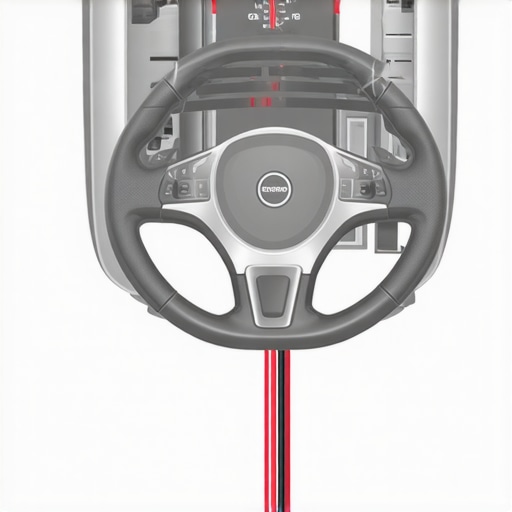
It happened to me on a rainy Tuesday morning. I was inching out of a tight parking spot, turning the wheel with an increasing sense of frustration. Suddenly, the steering effort doubled. My heart sank. That familiar, almost eerie grip of helplessness in the steering wheel was a lightbulb moment—something was seriously wrong. If you’ve ever experienced this, you know that feeling all too well: the helplessness, the worry, the endless questions bouncing around your mind. Why does my power steering suddenly disappear when I need it most?
The Hidden Sensor That Turns Off Your Power Steering at Low Speeds
This problem often stems from a small but crucial component: the steering angle sensor or sometimes, other sensors that feed information to your vehicle’s control modules. When these sensors malfunction or send incorrect signals, your car’s computer might disable power assistance to prevent damage, leaving you to wrestle the wheel manually. It’s a protective measure that often gets triggered by something as simple as debris, faulty wiring, or a misaligned sensor.
From personal experience, I learned that early on, I made the mistake of ignoring the warning lights or dismissing it as a minor glitch. That was a mistake. Ignoring sensor issues can lead to more costly repairs down the line, like replacing the entire steering rack or rack-and-pinion assembly. Instead, understanding the system and performing a few quick checks can save you both time and money. For instance, a malfunctioning sensor not only causes steering issues but can also affect other systems, like stability control. This interconnectedness underscores why early diagnosis is so vital, which you can explore in detail in vehicle diagnostics.
Is This Sensor Fix Worth the Effort or Just Money Down the Drain?
This question haunted me at first. I wondered if I was overreacting or wasting money on diagnostics that might lead nowhere. Early on, I learned that not every sensor issue requires a full replacement; sometimes, calibrating or cleaning a sensor does the trick. Trust me, I’ve been there. One common mistake I made was rushing to replace parts without confirming the root cause, which only increased the repair bill.
So, if this sounds familiar, don’t worry. There are straightforward steps to identify whether a sensor is to blame—steps I wish I had followed from the beginning. Diagnosing the sensor correctly ensures that you’re addressing the real issue without unnecessary expenses. For more professional insights into common pitfalls, check out brake service myths and learn how to avoid typical auto repair mistakes.
In the next sections, I’ll guide you through simple diagnostic procedures and solutions to bring your power steering back at low speeds—so you won’t have to wrestle traffic anymore. Ready to regain control? Let’s dive in.
Start With a Visual Inspection
Pull over safely and open your hood. Check for obvious issues like loose wiring, cracked hoses, or fluid leaks around the power steering pump and sensor. Use a flashlight if needed. Remember, sometimes debris or dirt can interfere with sensor readings, causing the system to cut power assistance. I once found a fern leaf lodged near the sensor, which immediately after removal restored normal steering. Always keep your engine bay clean to prevent these issues.
Test the Power Steering Fluid and System
With the engine running, check the level and condition of the power steering fluid. Low or dirty fluid can cause the system to disable assistance at low speeds. Remove the reservoir cap and inspect; if the fluid looks dark or gritty, it’s time for a flush and refill, which can be a quick fix. Also, monitor the steering effort during slow turns. A sudden increase indicates a problem. In my experience, simple fluid maintenance often solves minor issues without necessary sensor replacements.
Scan for Diagnostic Trouble Codes
Use an OBD-II scanner to read the vehicle’s onboard computer. Modern cars typically store codes related to sensor faults or electronic issues. Focus on codes related to steering angle sensors or other control modules. I once borrowed a scanner from a friend, and it pointed directly to a faulty steering angle sensor. That revelation saved me hours of guesswork and costly repairs. For detailed guidance on interpreting codes, visit decoding vehicle diagnostics.
Calibrate or Replace Sensors
If codes point to a sensor, consider calibration first—many sensors can be recalibrated using manufacturer-specific procedures, sometimes available in your vehicle’s manual or online repair guides. For example, some steering angle sensors require turning the wheel to specific positions to reset. If calibration fails, replacing the sensor is the next step. Ensure you get the correct part number and follow proper installation steps. In a personal project, I replaced a steering sensor by following a tutorial, which restored normal power steering assistance.
Check Wiring and Connectors
Electrical issues can mimic sensor faults. Inspect wiring harnesses and connectors for corrosion, damage, or loose connections. Use a multimeter to verify voltage supply and ground continuity. A frayed wire or poor contact can send incorrect signals to the ECU, causing the system to disable power assistance at low speeds. I once repaired a connector with electrical contact cleaner and a gentle resolder, which fixed the problem without needing new parts.
Test the System Under Controlled Conditions
Start the vehicle and drive in a safe area to test the fix. Engage in slow maneuvers or parking lot turns—your objective is to confirm that the steering assistance returns to normal at low speeds. If the problem persists, revisit the earlier steps or consider professional diagnostics for complex electronic issues. Sometimes, the system’s fault codes need a specialized scan tool for deeper analysis, as explained in advanced vehicle diagnostics.
Maintain Your System Regularly
Schedule periodic inspections of the steering system, including fluid levels and sensor condition. Clean engine bay components to prevent debris accumulation. Use quality fluids and parts when replacements are needed. Regular maintenance can prevent sensor malfunctions and prolong the system’s lifespan, making your driving safer and more comfortable. Remember, a little proactive care goes a long way in auto repair.
Many car owners believe that a simple brake pad replacement or an oil change is all it takes to keep their vehicle running smoothly. However, this oversimplification often leads to overlooked nuances that can compromise safety and longevity. One prevalent myth is that routine maintenance isn’t critical unless you notice symptoms like noise or vibration. In reality, regular inspections and diagnostics can catch issues like brake fluid degradation or worn-out suspension components before they escalate into costly repairs. For instance, relying solely on visual cues might deceive you—brakes can look fine but still harbor inner wear or brake fluid contamination, which can be detected through proper diagnostics. An advanced mistake many make is neglecting the importance of entire system checks instead of focusing only on individual parts; a malfunctioning ABS sensor or a failing wheel bearing, for example, might be diagnosed and addressed, preventing unpredictable breakdowns. Curious about which diagnostic methods truly provide value? Advanced vehicle diagnostics reveal hidden issues that basic visual inspections might miss. But here’s a crucial point: don’t fall into the trap of assuming all DIY fixes are sufficient. A common oops is attempting to replace parts without understanding the interconnected nature of modern vehicle systems, risking further damage or unnecessary expenses. For example, replacing brake calipers without checking the master cylinder or fluid condition can lead to uneven braking performance later. And if you think a quick oil change is all that’s necessary, consider that modern engines are equipped with sensors that monitor oil quality and engine health—ignoring these signals could mean missing early signs of trouble, like sludge buildup or worn piston rings. So, the Hidden Nuance here is that every component communicates within a complex system. Understanding these interactions and engaging in comprehensive diagnostics not only extends your vehicle’s lifespan but also maintains safety on every drive. Don’t underestimate the importance of proper auto care—skipping thorough checks might save a buck today but will cost much more tomorrow. Have you ever fallen into this trap? Let me know in the comments. Staying informed about these advanced insights ensures smarter maintenance decisions, keeping your vehicle reliable and safe for years to come.
How do I maintain auto repair systems over time?
Maintaining your vehicle’s health requires not only proper techniques but also reliable tools that ensure longevity and accuracy. Over the years, I’ve found that investing in high-quality diagnostic equipment and maintenance supplies makes a significant difference. For vehicle diagnostics, I personally use the Autel MaxiCOM MK808 scanner because it offers comprehensive coverage, quick error code reading, and live data streams. Its intuitive interface has saved me hours during troubleshooting sessions, especially when trying to pinpoint issues related to sensors or electronic systems.
When it comes to oil changes, I prefer using mobil 1 synthetic oils paired with a Wix oil filter. These components ensure optimal engine performance and reduce the frequency of oil-related problems. Using a quality filter is crucial—I’ve seen cheap filters cause oil pressure drops, leading to engine wear. I also carry a full set of torque wrenches, calibrated annually, to ensure proper tightening of essential components like drain plugs and valve covers, preventing leaks or damage.
For brake system maintenance, I rely on a digital brake pad gauge and a brake rotor micrometer. These tools help me determine pad thickness and rotor wear precisely, avoiding premature replacements and ensuring safety. Regularly checking these parameters can save you money and extend brake life, as discussed in brake service myths.
Embracing the future of auto repair tools
Looking ahead, more manufacturers are incorporating AI and machine learning into diagnostic tools, promising faster and more accurate assessments. Handheld devices will become smarter, offering real-time suggestions and even predictive maintenance alerts. This trend aligns with the direction of vehicle diagnostics explained in advanced vehicle diagnostics. Adopting these tools now, or soon, can provide a significant advantage, especially with the increasing complexity of modern vehicles.
Questions about maintaining your vehicle’s systems
One common question I get is, “How often should I calibrate sensors or update diagnostic software?” The answer depends on your vehicle and usage patterns. As a rule of thumb, I recommend annual calibration checks and software updates, especially after any major repairs or sensor replacements. Doing so ensures accurate readings and prevents system errors that can lead to costly repairs later. Remember, investing in quality diagnostic tools is an investment in both safety and peace of mind. If you’re ready to take your auto repair game to the next level, try using an advanced scanner like the Autel MaxiCOM MK808 for detailed insights—your vehicle will thank you. For more tips on DIY auto repair, visit auto-repair hacks.
Lessons No One Tells You About Fixing Power Steering Hiccups
One of the most vital insights I discovered is that ignoring subtle warning signs can turn minor power steering issues into costly repairs. Early detection of sensor glitches, like the steering angle sensor, can save you hundreds. Additionally, personal experience taught me that a comprehensive approach—checking fluid levels, inspecting wiring, and scanning for codes—is far more effective than guessing. The biggest revelation was understanding that these electronic components are interconnected; addressing one faulty sensor without considering the whole system might only delay the inevitable. Embracing patience and thorough diagnostics can make auto repairs less intimidating and more predictable.