
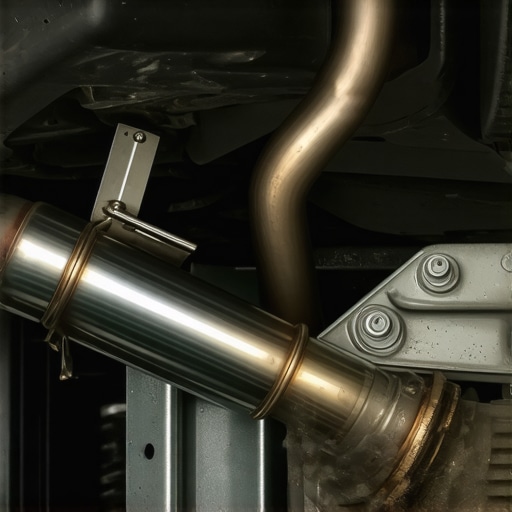
It happens when you least expect it — that sudden, uproarious rattling from your exhaust. One day, I was cruising down the street, feeling pretty good about my car’s smooth ride. Out of nowhere, a loud bang echoed as a metal part snapped loose, and my exhaust began to clang like a junkyard. That moment? Pure frustration mixed with a bit of panic. I knew then that I had to fix it fast before it turned into a costly nightmare.
Why Your Exhaust Is Singing the Wrong Tune
Many car enthusiasts and everyday drivers notice a bizarre rattling, especially when accelerating or going over bumps, and wonder if it’s just a normal wear and tear issue. The truth is, that rattling often points to a failing mounting bracket or a broken hanger that’s letting your exhaust jostle around. The culprit behind the noise? A simple metal bracket that snaps due to fatigue or corrosion over time. Once it gives way, every bump or gear shift amplifies the racket, making driving downright embarrassing — not to mention potentially damaging your vehicle further.
Is It Really Worth Worrying About This Noise?
Honestly, I thought it was just a minor annoyance at first. I kept telling myself, “It’s probably just a loose part. It’ll fix itself.” Spoiler alert: it won’t. Early on, I made the mistake of ignoring the problem, thinking I could coast through for a while. That was a mistake. As time went on, the rattling grew louder, and I noticed a slight decrease in fuel efficiency. Plus, an unsecured exhaust pipe can lead to bigger issues, like vibration damage or even exhaust leaks. Luckily, a quick fix and some preventive maintenance can save you hundreds, or even thousands, down the line. If you want to avoid the same pitfalls, I’ll show you exactly how I tackled this problem.
So, if your vehicle’s exhaust sounds like a percussion band gone rogue, you’re not alone. I’ve been there, and I’m here to tell you that a straightforward repair can make a huge difference. Later in this post, I’ll guide you through the steps to identify, fix, or replace that flimsy snapped bracket, bringing your car back to quiet — or at least, quieter — condition. Don’t let a small frustration turn into a costly headache. Ready to get your exhaust in check? Let’s dive in!
Locate the Source of the Rattle
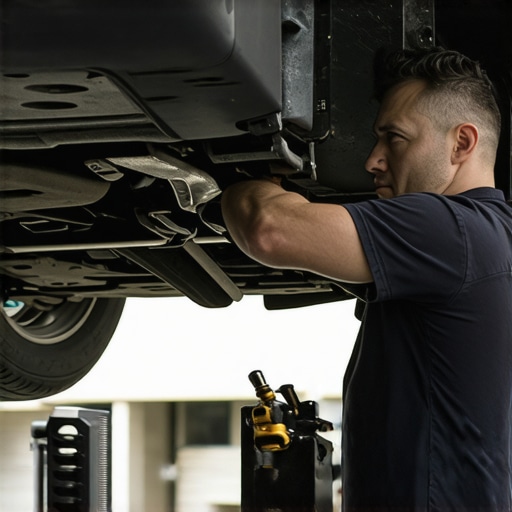
Start by inspecting your exhaust system under the vehicle. Use a flashlight to identify any loose or broken brackets, hangers, or clamps. I once had a rattling coming from the rear, and it turned out to be a shattered hanger. To get a clear view, elevate the car with a jack and secure it with jack stands.
Gather the Necessary Tools and Parts
Prepare a socket set, pliers, welding gloves if needed, replacement exhaust brackets or hangers, and possibly a penetrating lubricant like WD-40. Remember, having all tools on hand saves time and prevents multiple trips to the store. I once thought I could do the fix with a wrench, but found a socket set more effective for tight spots.
Remove the Damaged Components
Loosen and detach the broken bracket or hanger. Spray penetrating lubricant on rusted bolts to ease removal. Be cautious not to damage adjacent components or paint. I had a stubborn bolt that took several minutes of patience and a little heat to loosen without stripping threads.
Replace or Reinforce the Bracket
Fit the new bracket or hanger in place, ensuring it aligns correctly with the exhaust pipe. Tighten bolts securely but avoid overtightening, which can crack the metal. For a more permanent fix, consider welding a new bracket if you have the skills or access to a welder.
Test Your Repair
Start the engine and listen for any remaining rattles. Drive over bumps to verify that the exhaust no longer strafes or clangs. I once drove my car after a quick fix, only to realize the bracket was slightly misaligned, causing minor vibrations. Adjust as needed for a snug fit.
Prevent Future Breakage
Apply anti-corrosion spray or paint to the brackets to slow down rusting. Regular inspections during oil changes or tire rotations can catch early warning signs. In my experience, preventative measures prolong the lifespan of exhaust hangers and save money in the long run. Check out auto repair hacks for more tips on affordable vehicle maintenance.
 Many car owners believe they understand basic vehicle care, but in reality, misconceptions and overlooked details can lead to costly mistakes. One pervasive myth is that oil changes are interchangeable regardless of the vehicle or driving style. While some assume that a cheaper oil or longer interval won’t impact engine longevity, studies show that using the correct oil and adhering to manufacturer recommendations are vital for optimal performance. Innovative technologies, such as synthetic oils with additive packages, actually provide better protection and extend intervals between changes, but only when properly specified and applied. For example, neglecting to consider your driving conditions—like frequent short trips or harsh climates—can compromise oil effectiveness, even if you follow the basic schedule. To truly maximize your engine’s lifespan, check out the latest in oil change innovations.Maintaining your vehicle efficiently over time requires more than just basic knowledge; it demands the right tools, consistent practices, and a proactive approach to diagnostics and repairs. One of the cornerstones of reliable car maintenance is investing in high-quality equipment that can withstand the rigors of frequent use. For instance, I personally rely on a digital multimeter like the Fluke 117 for accurate electrical diagnostics, which helps me quickly identify issues without guesswork. Similarly, a reliable scan tool such as the Autel MaxiCOM integrates seamlessly with most vehicles, providing real-time data and fault codes that save me time and prevent unnecessary parts replacements.
Beyond tools, mastering certain methods can dramatically extend your vehicle’s lifespan. Regularly performing deep oil changes, especially with advanced synthetic blends, ensures engine health and reduces wear. I follow the recommendations detailed in this guide to oil change innovations, which highlights benefits like extended oil change intervals and enhanced engine protection.
Consistent vehicle diagnostics form the backbone of preventive maintenance. Learning to interpret error codes and sensor data prevents minor issues from escalating. I recommend integrating diagnostic software like OBDLink MX+ with your smartphone—it’s a game changer for on-the-spot troubleshooting. For complex problems or repeated fault codes, consider consulting detailed guides or consulting with professionals to decode signals accurately. Resources like this diagnostic decoding article can help you understand the language your car speaks.
Implementing scheduled brake services, including pad replacements and rotor checks, ensures safety and efficiency. Modern brake systems benefit from advanced diagnostics that identify underlying issues before noticeable symptoms appear. Check out this comprehensive brake guide for deeper insights on maintenance routines.
Looking toward the future, vehicle technology is trending toward smarter, more integrated systems. Diagnostics and maintenance tools are increasingly becoming app-based and cloud-connected, enabling real-time alerts and remote troubleshooting. Staying updated with these innovations, as discussed in industry reports, will empower you to keep your vehicle in top shape and avoid costly repairs.
### How do I maintain vehicle diagnostics over time?
Implementing a routine of regular diagnostic scans, software updates, and sensor checks can keep your vehicle’s health data reliable. Usually, I schedule a diagnostic check during oil changes or tire rotations—times I already spend under the car—so it doesn’t feel like extra effort. Also, subscribing to alerts from your diagnostic tools helps catch issues early, saving money and preventing breakdowns. For detailed hints, explore this article on vehicle diagnostics. I highly recommend trying out a comprehensive scan with your chosen device this week—it’s a simple step that offers big benefits for your car’s longevity.
Hard-Won Lessons from the Garage
One of the biggest surprises I faced was realizing that something as simple as a broken exhaust hanger could cascade into costly repairs if ignored. I learned that taking immediate action, rather than postponing a rattling issue, preserves not only your vehicle’s health but also your peace of mind. Additionally, I discovered that a DIY approach, bolstered by reliable resources and the right tools, can significantly reduce repair costs while empowering you as a car owner. My biggest insight? Preventive care—like regular inspections and rust protection—can turn minor fixes into minor expenses, saving you from unexpected breakdowns.
Tools and Resources That Keep Me on Track
I swear by a few essentials that have revolutionized how I care for my vehicle. A quality digital scan tool, such as the OBDLink MX+ combines affordability with precision, allowing me to decode trouble codes without visiting a mechanic. For physical repairs, a sturdy socket set with a ratchet and penetrating oil like WD-40 is indispensable. I also keep handy a guide on auto repair hacks I found online, which demystifies tricky tasks. For comprehensive learning, I trust industry-standard resources like auto repair hacks that align with my philosophy of affordable, reliable maintenance. They’ve helped me develop a proactive mindset that emphasizes prevention rather than cure.
Fuel Your Drive with Confidence
You’re now equipped to tackle exhaust rattles, diagnostic checks, and even brake service like a seasoned pro. Remember, every repair or maintenance task you embrace not only extends your vehicle’s lifespan but also deepens your understanding of how it works. Take a moment today to review your vehicle’s condition, identify potential issues early, and enjoy the satisfaction that comes from keeping your car in top shape. Your journey to becoming a more confident, informed car owner starts here. Ready to take the next step? Share your experiences or ask questions below and let’s keep the conversation rolling!