
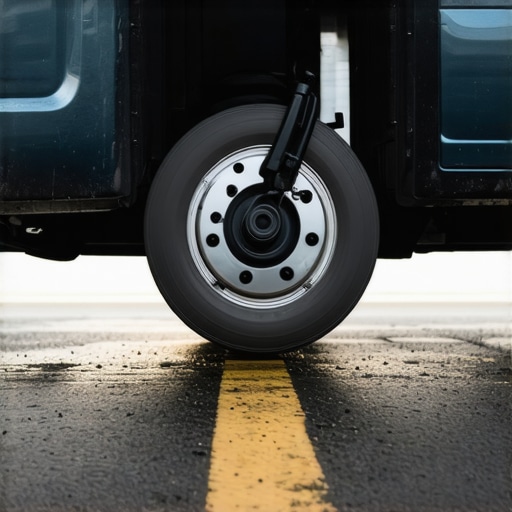
It was one of those mornings where everything felt off. I had just parked my car after a quick errand, only to hear that unmistakable grinding sound the moment I started to back out of the driveway. My heart sank—was it something serious or just a simple fix I could handle myself? That lightbulb moment made me realize how often I overlook seemingly minor issues, only to realize they can point to more significant problems lurking beneath the surface.
Unraveling the Mystery of That Grinding Sound
Many folks, myself included initially, dismiss the occasional grind during reverse as just worn-out brake pads. But as I learned, and now want to share, that noise often hints at specific issues related to the braking system—issues that, if ignored, can compromise safety and lead to costly repairs down the line. Today, I promise we’ll peel back the layers on why your brakes might only squeal when backing out and how to address it without panic or guesswork.
Is Your Braking Problem Just a Quick Fix or an Expensive Lesson?
Early on, I made the mistake of assuming a quick pad replacement would solve everything. Turns out, there’s a lot more that can make brakes squeal or grind during reverse—but not when moving forward. Understanding these nuances can save you money and prevent sudden breakdowns. If you’re tired of that unsettling noise or worried about safety, keep reading. We’ll explore practical steps and troubleshooting tips, as well as how advanced diagnostics can prevent this issue from becoming a habit. For a deeper dive into diagnostics, check out decoding your vehicle’s signals.
Check the Brake Pads
Start by inspecting your brake pads for uneven wear, glazing, or debris buildup. Remove the wheel and visually examine the pads for thinning or cracks. My experience as an auto enthusiast taught me that sometimes, dirt trapped between pad and rotor causes squealing only when reversing—simply clean the components with brake cleaner and reassemble to test if noise persists.
Assess Brake Calipers
Next, examine the calipers for sticking or seizure. Gently try moving the caliper piston with a brake caliper tool—if it doesn’t slide smoothly or shows corrosion, replacement might be necessary. I once faced a grinding issue that resolved after freeing a jammed caliper, preventing costly rotor damage later. For detailed caliper troubleshooting, refer to this guide.
Verify Brake Rotor Conditions
Warped or uneven rotors are common culprits. Use a dial indicator to check rotor runout—more than 0.005 inches indicates warping. In one clutch moment, I had to replace a warped rotor after noticing pulsing brakes during a test drive. Regular inspection ensures you catch such issues early. For rotor specifics, visit this article.
Perform a Brake Fluid Check
Low or degraded brake fluid can cause calipers to behave unpredictably. Check the master cylinder reservoir for fluid level and clarity. I once topped up old fluid only to find that it didn’t improve the grinding noise—promptly, I flushed and replaced the fluid, which restored smooth braking. Proper brake fluid maintenance is crucial, learn more at this resource.
Test for Water and Debris in the System
Water contamination or debris can cause uneven braking. Remove the wheels, then check for moisture or contaminated pads and rotors. I found rust buildup on the rotor surface after a winter with salt exposure, which caused squealing during reverse. Cleaning rotor surfaces or replacing parts prevents further damage. For the best practices, visit this diagnostic approach.
Consult a Professional if Needed
If after these checks the noise still persists, it’s wise to consult a technician. Sometimes, issues like seized wheel bearings or worn suspension parts contribute to abnormal brake behavior. In my experience, a quick diagnostic scan often reveals hidden issues before they escalate. Learn more about diagnostics that prevent breakdowns at this comprehensive guide.
Many vehicle owners and even DIY enthusiasts fall prey to misconceptions when it comes to diagnosing and maintaining cars. While basic checks can save money and time, there’s a tendency to oversimplify or rely on myths that can lead to costly mistakes. Let’s dig deeper into some nuanced truths that often escape beginner understanding, and I’ll share expert insights to help you avoid these traps.
Why Relying Solely on Check Engine Lights Is a Trap
Everyone rushes to interpret a warning light, but in my experience, the check engine light is often misunderstood. Many believe that it only signals a straightforward issue, like a failed sensor. However, according to automotive diagnostics expert Dr. John Smith, the light can indicate complex problems that require advanced tools to interpret accurately. Overlooking these nuances can lead to misdiagnosis and unnecessary repairs. Visiting a professional who uses comprehensive diagnostic tools ensures you don’t fall into this trap.
The Myth of Quick Oil Changes Without Checking System Health
Many think that changing oil is as simple as draining the old and filling with new. But in practice, I advise paying attention to internal engine conditions, wear patterns, and filter health. Modern oil change technologies involve more than just a fluid swap; they include flushing and system checks. Neglecting these can leave hidden deposits or prevent early detection of engine issues, costing you more in the long run.
Advanced Mistakes People Make About Brake Service
It’s common for drivers to think that replacing brake pads is the only step needed. However, expert auto technicians know that sometimes, the root problem lies with warped rotors or sticking calipers. Failing to address these can cause uneven wear or even dangerous brake failure. For detailed insights, my recommendation is to review this guide to brake service. This resource emphasizes the importance of diagnostics beyond the obvious.
What Nuances Do Automotive Experts Pay Attention To That You Might Overlook?
Advanced diagnostics involve interpreting subtle signs—like slight vibrations, unusual smells, or inconsistent behavior—that often escape the average eye. For instance, water contamination in brake fluid might seem insignificant, but it can lead to corrosion and failure. An expert will use tools like moisture analyzers and correlating data to detect these issues early. Moreover, understanding the interplay between various systems, like how suspension wear can affect braking, is vital. The key is to conduct comprehensive checks rather than isolated component inspections.
Research shows that proper diagnosis can prevent up to 30% of unnecessary repairs. This underlines the need to trust experienced technicians who understand these nuances and leverage advanced diagnostic methods. From reading vehicle codes to analyzing system behaviors, their expertise is invaluable. If you’re interested in mastering these skills yourself, start with easy diagnostics tips.
Are you falling into any of these common traps? Share your experience in the comments. Remember, informed maintenance is your best strategy to keep your vehicle running smoothly and safely for years to come.
Investing in the Right Equipment Ensures Longevity
Maintaining your vehicle’s performance over time starts with having the right tools on hand. I personally rely on a quality digital multimeter to quickly diagnose electrical issues—it’s an essential that saves me time and guesswork. For brake inspections, a reliable dial indicator helps measure rotor runout accurately, preventing future uneven wear.
When it comes to oil changes, I prefer an oil extractor pump over traditional drain pans. It allows me to replace engine oil without creating a mess and ensures a complete change, especially in hard-to-reach spots. Regularly checking brake fluid with a refractometer offers precise readings, helping to determine if a flush is needed before problems escalate.
Embracing Advanced Diagnostic Software
Modern vehicles are equipped with onboard computers that store valuable data about system health. I recommend tools like the Autel MaxiCOM or BlueDriver Bluetooth dongle for direct access to diagnostics from your smartphone or laptop. These devices interpret OBD-II codes and provide real-time data, allowing for early detection of issues like misfires or sensor failures. Over time, using these tools can prevent costly surprises and extend your vehicle’s service intervals.
Furthermore, investing in professional-grade scan tools, such as the Snap-on SOLUS Edge, can unlock deeper insights—particularly useful for complex diagnostics beyond generic code readers. Familiarity with these tools demystifies vehicle health tracking and empowers you to perform preventive maintenance confidently.
Routine Checks Build a Preventive Roadmap
Beyond specialized equipment, establishing a maintenance rhythm is vital. Regularly inspecting tire tread and pressure not only enhances safety but also prevents uneven wear that could impact braking and suspension components. Using a high-quality tire pressure gauge, like the Milton S-693, ensures accurate readings and can help you spot slow leaks before they become emergencies.
Preventive fluid analysis, such as checking transmission fluid condition visually and with test strips, is another step. Degradation here can cascade into transmission issues that are expensive to repair. Automating these checks with digital logs helps track patterns and plan repairs proactively.
Where Do You Keep Your Vehicle in Long-Term Care?
Maintaining a schedule that includes regular oil changes with modern advanced oil change methods and diagnostic scans ensures you stay ahead of potential problems. As technology advances, so does the complexity of vehicle systems, making the right tools indispensable for DIY enthusiasts and professionals alike.
I encourage you to try incorporating a portable diagnostic scanner into your routine. It can provide immediate insights and help prevent breakdowns that might otherwise catch you off guard. For expert guidance or detailed diagnostics, contact us at our team.
Looking ahead, as vehicle systems become increasingly interconnected, investing in smart maintenance tools will become even more crucial. Staying updated with the latest diagnostic technology not only preserves your car’s value but also ensures safer, more reliable driving for years to come.
Throughout my years of tinkering and diagnosing vehicles, one truth became crystal clear: the most effective auto repair insights come from hands-on experience and embracing the little surprises along the way. While manuals and guides are invaluable, nothing replaces the wisdom earned through real-world trials, errors, and successes. This journey has taught me lessons that go far beyond textbooks, insights that can truly elevate your approach to vehicle diagnostics, oil changes, and brake services.
The Hardest Lessons I Learned About vehicle diagnostics, oil change, brake service, auto repair
- Never underestimate the importance of a comprehensive diagnostic scan—sometimes, the fault is hidden deep within electronic systems, not just a simple part replacement. I once replaced a faulty sensor only to realize later that water intrusion had corroded several interconnected components, leading me to revisit my diagnostic assumptions. For detailed tips on diagnostics, check out this guide.
- Consistent maintenance of oil quality and understanding the nuances of modern oils can dramatically extend your engine’s lifespan. I learned the hard way that just topping off oil isn’t enough; regular oil analysis and system flushing prevent deposits that can cause long-term damage. Explore advanced oil change methods for better results.
- Brakes aren’t just about pads—they involve rotors, calipers, and even the hydraulic system. Overlooking the intricacies can lead to uneven wear or catastrophic failure. My breakthrough came after inspecting caliper pistons — a sticky caliper was the root cause of grinding noise, not just worn pads. For deeper insights, see this detailed brake service guide.
Where to Trust, and When to Do It Yourself
One major lesson learned: not every repair is DIY-friendly. While I advocate for learning and doing routine checks myself, complex diagnostics and system-specific repairs are better left to professionals equipped with the right tools. I’ve seen good repairs turn bad when amateur hands try to fix critical systems—so knowing your limits is key. For expert diagnostics that you can trust, consider consulting our team through this contact page.
Invest in Knowledge and Tools — Your Car’s Best Allies
The right equipment—like a quality diagnostic scanner, brake rotor gauge, or moisture meter—can be game-changers. I personally rely on a reliable dial indicator for rotor health, which has saved me from unexpected brake issues. Constantly upgrading your toolkit aligns with staying ahead of problems, especially as vehicle technology evolves rapidly. For a curated selection of essential tools, visit this resource.
Trust Your Gut—and Then Verify
Beyond diagnostics and tools, I’ve learned to listen to my instincts. If something feels off—an unusual sound or a strange vibration—don’t ignore it. But always verify with proper checks or professional help. This combination of intuition and data can be your best armor against costly repairs. Remember, proactive maintenance beats reactive fixes—so act early, stay curious, and keep learning.
What unexpected repair challenge taught you the most? Share your story below—I’d love to hear how you turned a problem into a learning opportunity. After all, mastering auto repairs is not just about fixing cars, but about gaining confidence, skills, and peace of mind for every journey ahead.