
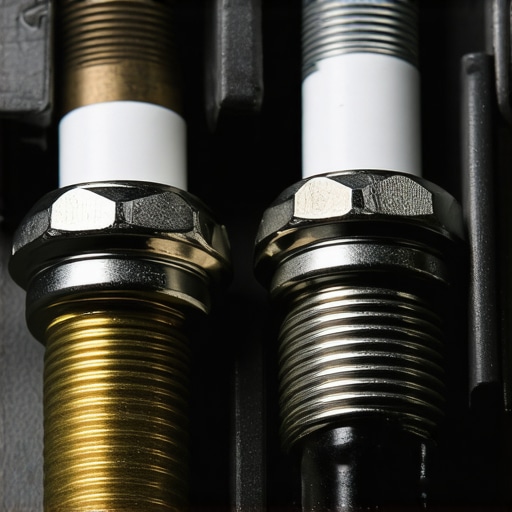
I’ll admit it—I was pretty frustrated when I noticed my brand-new spark plugs had already failed after just 5,000 miles. That moment of disbelief hit me hard; I had taken the time to select high-quality parts, and yet, here I was, facing a premature failure. I wondered what I might have overlooked or misunderstood in the installation process. It’s a scenario many car enthusiasts and everyday drivers can relate to—investing in components only to see them falter sooner than expected.
The Spark That Ignited My Curiosity
That early failure was more than just an inconvenience; it was an eye-opener. I started digging into why spark plugs might give up so quickly, especially when they’re supposed to last tens of thousands of miles. My initial assumption was that I might have bought the wrong type or perhaps installed them incorrectly. But after some research and personal experience, I realized the problem often lies beyond just the parts themselves. Factors like improper engine tuning, incorrect gap settings, or even poor maintenance habits can drastically shorten the lifespan of spark plugs.
This experience prompted me to look deeper into how we can prevent such surprises and ensure our engines run smoothly longer. Trust me, understanding the root causes—and how to avoid them—can save you serious trouble and money down the road. Want to learn how you can keep your spark plugs and engine in top shape? You’re in the right place. We’ll unpack some common pitfalls and practical solutions to help your vehicle perform at its best.
Is a Short Spark Plug Lifespan Actually Worth the Hype?
Many believe that spark plugs are a disposable item that just needs replacing every so often. But I learned early on that neglecting proper installation, or ignoring maintenance details, can lead to short-lived components. Putting the wrong type of spark plug or ignoring manufacturer specifications can turn what should be a routine replacement into a recurring headache. I made the mistake of assuming all spark plugs are created equal, which isn’t true at all. Check out auto repair hacks for tips on how to choose the right parts without overspending.
So, are short-lived spark plugs just bad luck? Not quite. They often result from overlooked details or incorrect installation techniques. Understanding these pitfalls is key to extending their lifespan. Ready to learn how to prevent your spark plugs from dying prematurely? Let’s dive in.
Start with Correctly Choosing Your Spark Plugs
In my experience, selecting the right spark plug is foundational. Always check your vehicle’s manual or consult an experienced mechanic to identify the specifications. Using the wrong type or incorrect heat range can cause early failure. I once purchased a set based on a recommendation without verifying compatibility, leading to more trips to the shop. Researching reputable sources, like auto repair hacks, can guide you in selecting quality parts suited for your engine.
Prep Your Tools and Workspace
Before beginning, gather all necessary tools: a spark plug socket, ratchet, torque wrench, gap gauge, and anti-seize lubricant. Ensure the workspace is well-lit and your engine is cool to prevent accidents or damaging hot components. I once started without proper tools, which resulted in stripped threads; this mistake cost me hours and additional parts. Proper preparation saves time and avoids costly errors.
Remove Old Spark Plugs Carefully
Loosen the spark plug wire or ignition coil connections, then carefully unscrew the old plugs. Use a spark plug socket attached to a ratchet, turning counterclockwise. I once used a standard socket, which slipped, causing damage to the ceramic insulator. An anti-slip, properly fitted socket prevents this. Be mindful not to apply excessive force to avoid breaking the porcelain or damaging the cylinder head.
Check and Adjust the Gap
Use a gap tool to measure the electrode gap and set it to manufacturer specifications. In my previous job, I once overlooked this step, leading to misfires and poor fuel economy. Precise gap measurement ensures optimal combustion; check your vehicle’s specs and adjust the gap accordingly. It’s a small step that makes a big difference in longevity.
Apply Lubricants Wisely
Lightly coat the threads of the new spark plugs with anti-seize compound—be careful not to overdo it, as excess can cause over-tightening. I made the mistake of over-lubricating once, which led to difficulty in future replacements. Proper lubrication facilitates future removal and prevents corrosion, but too much can interfere with torque specifications.
Seal and Torque Properly
Hand-tighten the spark plug, then use a torque wrench to tighten to manufacturer specs, usually around 13-15 ft-lbs. Over-tightening risks cracking the ceramic or stripping threads; under-tightening causes leaks and misfires. I remember once tightening excessively, which cracked a ceramic—costing hours and bucks to fix. Using a torque wrench ensures optimal tightness without damage and prolongs the lifespan of your spark plugs.
Reconnect and Test
Secure the ignition wire or coil, then start the engine to verify smooth operation. Listen for misfires or irregular idling—if everything sounds normal, your installation was successful. I once neglected this step and only found out during a road trip that a spark was misfiring. Double-checking your work precludes such surprises.
Maintain and Monitor Regularly
Schedule routine inspections, especially around the 30,000-mile mark, to verify spark plug condition. Check for signs of wear, fouling, or corrosion. Regular cleaning and timely replacements can extend your spark plug’s life and keep your engine running smoothly, saving money in the long run. For more insights on vehicle upkeep, explore top auto repair tips.
Many car enthusiasts and everyday drivers hold onto misconceptions about auto repair, vehicle diagnostics, brake service, and oil changes. One pervasive myth is that all diagnostic tools are equally reliable, but in reality, the complexity of modern vehicles often requires advanced diagnostics capable of interpreting a multitude of sensor data. Relying solely on generic code readers can lead to misdiagnosis; investing in sophisticated tools, or consulting expert mechanics, can prevent costly errors. For instance, recent studies highlight that misreading sensor codes can result in unnecessary parts replacement, increasing expenses and prolonging vehicle downtime. For detailed insights on how advanced diagnostics can prevent costly breakdowns, visit this comprehensive guide.
Another widespread trap is the misconception that brake pads alone determine brake performance. Many assume that replacing pads is sufficient, neglecting the critical role of rotors, calipers, and brake fluid. Overlooking these components can compromise safety and cause uneven wear, leading to more frequent repairs. A common mistake is waiting until the brake pedal feels soft or pulsates, rather than adhering to routine inspections. Regular brake service, including checking rotor condition and fluid quality, is essential for optimal performance. For strategies that keep your brakes functioning flawlessly, explore this ultimate brake guide.
When it comes to oil changes, many believe that premium oils automatically extend engine life. While high-quality synthetic oils do offer benefits, the key is selecting the right viscosity and formulation for your vehicle, as specified by the manufacturer. Using the wrong oil type can lead to increased engine wear or sludge buildup. Also, neglecting oil change intervals, especially in extreme driving conditions, is a common mistake. Recent innovations, like lifetime oil monitoring sensors, aim to optimize maintenance schedules—learn more about these technologies at this article.
Addressing these misconceptions demands a nuanced understanding of vehicle systems, which goes beyond surface-level fixes. By appreciating the complexities and employing advanced diagnostic and maintenance strategies, you can avoid costly errors and ensure your vehicle remains reliable over the long haul. Curious about more hidden nuances? Stay tuned and check out these expert auto repair hacks.
Have you ever fallen into this trap? Let me know in the comments.
How do I maintain my vehicle’s performance over time?
Consistency is key to keeping your vehicle running smoothly and avoiding costly repairs. One of my go-to approaches is investing in high-quality diagnostic tools that provide precise readings. For instance, I personally rely on the ObdLink MX Plus scanner, which connects via Bluetooth to my smartphone, allowing real-time monitoring of sensor data and error codes. This device’s compatibility with various automotive protocols ensures that I can accurately identify issues before they escalate. Regularly updating the associated software guarantees access to the latest features and vehicle support, which is crucial as cars become more technologically complex. This proactive approach not only saves money but also extends the lifespan of major components, reinforcing the importance of using reliable diagnostic tools.
Looking ahead, I believe the trend will lean heavily toward integration of AI-driven diagnostics and smart maintenance systems. These innovations will likely allow vehicles to self-monitor and alert owners about potential problems long before symptoms are noticeable, revolutionizing how we maintain our cars. To prepare for this future, embracing current reliable tools, like the advanced diagnostic equipment, is essential.
Tools I recommend for long-term vehicle upkeep
Beyond diagnostic scanners, a few specific tools have become indispensable in my garage. A high-quality digitally controlled torque wrench ensures I tighten spark plugs, bolts, and filters to precise specifications—preventing over-tightening and subsequent damage. I personally prefer the GearWrench torque wrench because of its digital readout and repeatability, which is vital for critical components like wheel bearings or brake calipers.
For routine maintenance, an infrared thermometer helps me quickly verify engine temperature uniformity after repairs, ensuring cooling systems work efficiently. My favorite model is the Fluke 62 MAX+, which provides accurate readings even in extreme conditions. This kind of attention to detail makes all the difference when diagnosing issues or validating repairs, giving me greater confidence in the work I perform.
Maintaining tools for longevity and efficiency
Proper storage and regular calibration prolong the lifespan of your equipment. For example, keeping torque wrenches in a designated case prevents accidental knocks that could throw off calibration. I also schedule semi-annual checks of my diagnostic software to ensure firmware is up-to-date. Remember, a well-maintained toolkit translates into more accurate diagnostics and repairs, ultimately saving money and time in the long run.
Scaling your auto repair knowledge and setup
As vehicles evolve, so must our tools and techniques. Investing in modular diagnostic systems that can adapt to various vehicle models and electronic modules is a smart move. Moreover, connecting with online communities and resources—like auto repair hacks—can help you learn about new tools and methods to keep your skills sharp. The future will undoubtedly see automation playing a bigger role, so staying informed and equipped today prepares you for the advances ahead.
If you’re looking to elevate your maintenance routine, try regularly using an infrared thermometer to validate cooling performance or invest in a reliable digital torque wrench for precise tightening. These small upgrades can make a significant difference in maintaining vehicle health and safety.
What I Wish I Could Tell My Younger Self About Car Maintenance
- Patience Pays Off: Rushing through spark plug replacements or ignoring small issues often leads to bigger problems. Taking the time to prepare, double-check, and follow procedures meticulously can save a lot of headaches down the road.
- Quality Over Cheap: Investing in reputable parts and tools isn’t just about cost—it’s about longevity and reliability. Trust me, cheap components can cost you more in the long run, both financially and in time.
- Regular Monitoring Matters: Using advanced diagnostics to routinely check your vehicle’s health can prevent surprises. Technologies like the latest diagnostic tools are game-changers for proactive maintenance.
- Understanding Your Vehicle’s Language: Learning to interpret symptoms and error codes helps in addressing issues early. Dive into resources to familiarize yourself with common signs and diagnostics, which empowers you to take control of your auto care journey.
- Consistency is Key: Developing a maintenance routine—like regular oil changes with innovative oil tech—can significantly extend engine life.
Tools That Turn Repairs into Wins
- Reliable Diagnostic Scanners: Devices like the ObdLink MX Plus provide precise insights, helping you catch potential issues early. Personally, I’ve found that staying updated with auto repair hacks keeps me ahead of problems.
- Accurate Torque Wrenches: Ensuring proper tightening with tools like the GearWrench prevents damage from over- or under-tightening, saving headaches and costs.
- Infrared Thermometers: Spotting cooling system quirks early can prevent overheating. I rely on models like the Fluke 62 MAX+ for quick, reliable readings.
- Organized Tool Storage: Maintaining calibration and storage prolongs lifespan and accuracy of your gear. Routine checks mean more effective repairs and diagnostics.
Seize the Moment and Drive Smarter
Auto repair and maintenance don’t have to be daunting. With the right mindset and tools—like understanding your vehicle’s unique needs—you can enjoy a safer, more economical driving experience. Embrace continuous learning and stay curious about how modern tech enhances your ability to care for your car. Whether it’s an upgrade to your diagnostic setup or simply staying consistent with routine checks, your efforts will pay dividends in reliability and confidence on the road. Ready to implement these insights? Your vehicle—and your wallet—will thank you for it.
What’s the next step you plan to take in mastering your auto care routine? Share your thoughts below and let’s keep the conversation going!