
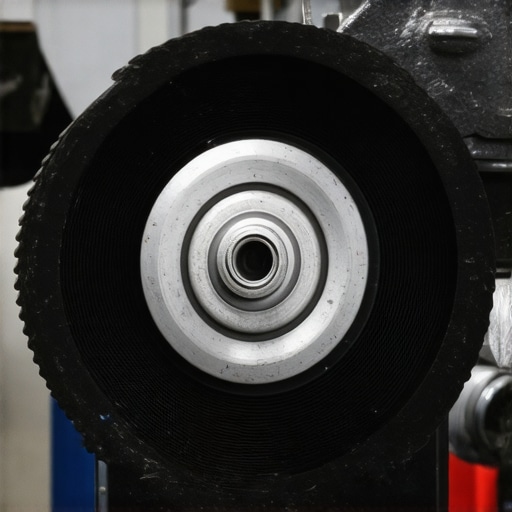
It was late afternoon, and I was just about to relax after a quick oil change when I heard it—this unsettling squeal, faint but persistent, coming from under my hood. My heart sank. Could it be the alternator acting up again? Or worse, some mysterious coolant leak I’d overlooked? That familiar, irritating noise made me realize how often we dismiss strange sounds, thinking they’re minor quirks. But sometimes, they’re warning signs of bigger issues in disguise.
The Belt Tensioner Noise That Sounds Like a Failing Alternator Is More Common Than You Think
Auto repairs often come with surprises, and a squealing belt tensioner can be especially sneaky. This component keeps your serpentine belt tight, essential for running everything from the AC to the power steering. When it starts whining or squealing, it’s tempting to dismiss it as just a minor nuisance. But in reality, it can signal underlying problems that, if left unaddressed, might lead to more costly repairs.
Have you ever heard that high-pitched squeal and wondered if it was just a belt slipping or a sign of a failing alternator? You’re not alone. I’ve been there, too. Early on, I made the mistake of assuming a belt squeal was just a cheap fix—replacing a belt or tightening it. But that was a mistake. It’s crucial to diagnose the root cause accurately. Otherwise, you risk wasting money on temporary fixes while the real issue worsens.
Research shows that ignoring such sounds can lead to component failure and even breakdowns. According to automotive experts, regular inspection of your drive belts and tensioner system can prevent unexpected breakdowns, saving you time and money. Learn more about how auto diagnostics can help—you might find useful tips in [decoding vehicle diagnostics](https://repairmycarpro.com/decoding-vehicle-diagnostics-what-your-car-is-trying-to-tell-you). My own experience taught me that a sudden squeal isn’t just an annoyance; it’s a cry for help from your engine.
In the next sections, I’ll walk you through the steps to identify whether that noise is just a loose belt or a sign of a more serious issue. We’ll cover common signs, diagnostic tricks, and when to seek professional help. If you’ve ever faced this frustrating sound and wondered what it really means, stay tuned. We’re going to uncover the truth behind that squeal and get your vehicle running smoothly again.
Check the Serpentine Belt for Wear and Proper Tension
Begin by inspecting the serpentine belt visually. Look for cracks, fraying, glazing, or missing ribs, which indicate wear. Use a flashlight if needed, and gently press on the belt to check for proper tension—it should feel firm but not overly tight. Remember, a loose or damaged belt is often the culprit behind squealing noises, especially during acceleration or when cold start-up. I once found a visibly cracked belt in my vehicle, and replacing it immediately eliminated the squeal, saving me from more costly damages.
Test the Belt Tensioner’s Response
Gently apply pressure to the tensioner pulley while the engine is off. If it moves excessively or feels loose, the tensioner may be failing. Some vehicles have a spring-loaded tensioner; in this case, use a tensioner tool or socket wrench to check for proper spring compression. A weak or worn tensioner will not maintain correct belt tension, causing slipping and squealing. I recall tightening my tensioner pulley, which temporarily resolved the issue, but ultimately, replacing it was necessary for long-term results. For a comprehensive understanding, visit auto repair hacks.
Listen for the Origin of the Squeal During Engine Operation
Start the engine and observe where the noise emanates. Have someone gently rev the engine to increase RPMs while you listen closely. Earbuds or a length of hose as a stethoscope can help pinpoint if the squeal is coming directly from the tensioner pulley, the belt, or other components like the alternator pulley. I once used a mechanic’s stethoscope and traced the noise to the tensioner, confirming that it was the culprit. This step is crucial because sometimes, the squeal isn’t from the belt but from an adjacent pulley or bearing.
Utilize Diagnostic Tools for Precise Diagnosis
Connect an automotive stethoscope or a mechanic’s laser tachometer to measure belt rotation and pulley response. Advanced diagnostics, including a visual inspection with a borescope, can reveal hidden damage. For electronics-savvy diagnostics, scanning the vehicle’s sensors for irregular readings can also help. If the noise persists despite replacing the belt or tensioner, consider visiting a professional. Using advanced vehicle diagnostics can prevent costly breakdowns by identifying underlying issues early.
Decide When Professional Help Is Necessary
If, after these steps, the squealing continues or the tensioner feels wobbly, it’s time to seek expert assistance. Over-tightening can cause belt damage, while a failed tensioner may seize and lead to engine overheating or accessory failure. Remember, safety comes first—if you’re unsure or uncomfortable performing these checks, consult a professional. Reliable auto repair can be just a click away at contact us. By actively diagnosing and addressing belt tensioner issues promptly, you can extend your vehicle’s lifespan and avoid unexpected breakdowns.Many car owners believe they understand auto repairs, but in my experience, there’s a fine line between common knowledge and nuanced expertise. For instance, everyone says genuine parts are always better, yet advanced diagnostics reveal that aftermarket components sometimes outperform OEM parts in durability and performance when chosen correctly. A prevailing myth is that regular oil changes are enough for engine health; however, recent studies highlight that synthetic oils combined with modern oil monitoring sensors can significantly extend engine lifespan and efficiency. Have you ever fallen into this trap? Let me know in the comments.
How Deep Can Vehicle Diagnostics Really Go?
Most people think that a quick scan for error codes suffices, but expert-level diagnostics involve analyzing sensor data trends over time, understanding the implications of subtle anomalies, and integrating live data from multiple systems for a comprehensive picture. Advanced diagnostic techniques can uncover issues before symptoms even manifest, saving you thousands in repairs. For a detailed approach, check out decoding vehicle diagnostics.
One common mistake is neglecting the importance of proper brake service, thinking that a simple pad replacement suffices. Yet, real experts know that rotor condition, caliper health, and hydraulic system integrity are equally critical. Ignoring these can lead to braking failures under critical conditions. Case in point, poorly maintained brake fluid can cause caliper seizing, which isn’t always visible during routine checks—this is why, as discussed in brake service guide, a full system evaluation is essential for safety.
Mechanical nuances extend beyond just replacing parts. For example, during an oil change, it’s a misconception that just draining and refilling suffices. Proper oil filter installation, correct torque on drain plugs, and verifying oil pressure sensors can prevent leaks and engine wear. Technologies like extended oil lifespan sensors and real-time oil quality monitoring are revolutionizing how we approach routine oil changes, as explained in oil change innovations.
Remember, the key is constant learning and not relying solely on surface-level fixes. Deep diagnostics, advanced auto repair techniques, and understanding the intricacies behind simple procedures like oil changes elevate your vehicle’s health and safety. Want to master these nuances? Keep exploring expert strategies and don’t let myths hold you back from optimal vehicle performance.
Gear Up for Long-Term Vehicle Care
Maintaining your car’s performance over time demands the right tools and a systematic approach. Personally, I rely on a combination of professional-grade diagnostic equipment and simple, yet effective hand tools to troubleshoot issues before they escalate. Investing in quality gear isn’t just about immediate fixes; it’s about fostering a routine that prolongs your vehicle’s life and saves money in the long run.
Why I Swear by an Automotive Torque Wrench
One of my most invaluable tools is a high-precision torque wrench. Proper tightening of critical components like cylinder heads, wheel studs, and drain plugs prevents leaks, uneven wear, or component failure. I prefer a digital torque wrench, which provides accurate readings and minimizes the risk of overtightening, especially during oil changes or brake service. Using this tool consistently ensures that every part is secured to manufacturer specifications, reducing the risk of breakdowns.
Modern Diagnostics: The Key to Accurate Repairs
In the age of complex vehicle electronics, a reliable code reader or scan tool is indispensable. I personally use a professional OBD-II scanner with live data capabilities and the ability to read manufacturer-specific codes. This allows me to pinpoint issues like vacuum leaks or sensor malfunctions that often elude basic diagnostics. Regularly scanning your car using these tools can predict failures before they happen, aligning with expert strategies discussed in decoding vehicle diagnostics.
Cleaning and Inspection Made Easy
Keeping your vehicle clean isn’t just about aesthetics. I swear by a set of inspection mirrors and a sturdy flashlight to reach tight spots, especially when checking for leaks or corrosion. A 3D inspection mirror helps me detect issues under the vehicle, and a good LED flashlight illuminates hidden cracks or worn components. Regular visual checks complement diagnostic scans, making preventive maintenance seamless.
Keeping It Scaled: The Future of DIY Auto Care
Looking ahead, I believe the trend will shift towards more integrated digital tools combined with AI-driven diagnostics, making vehicle maintenance even more accessible. Devices like portable scan tools that sync with smartphones or tablets will become standard, empowering DIYers and professionals alike. This evolution means costs will decrease, and accuracy will improve, ultimately helping extend vehicle lifespan even further.
How do I Maintain My Tools over Time?
For longevity, I recommend regularly calibrating your torque wrench and updating diagnostic software. Storing tools in a clean, dry environment prevents corrosion, and replacing batteries in digital devices keeps them functioning flawlessly. Consistency in tool maintenance ensures accurate readings and reliable repairs, enabling you to troubleshoot effectively and save both time and money.
If you’re serious about auto repair, try incorporating a quality torque wrench into your toolkit and see how it enhances your maintenance routines. Pair it with a comprehensive scan tool to diagnose issues early—saving you from costly repairs down the line. Whether you’re handling oil changes, brake fixes, or vehicle diagnostics, the right tools make all the difference. Want to dive deeper into advanced maintenance strategies? Visit top auto repair tips for more expert advice.
Lessons from the Trenches: What I Wish I’d Known About Auto Diagnostics
One of the most eye-opening lessons I learned was the importance of trusting your instincts but verifying with proper tools. That squealing belt tensioner wasn’t just a minor annoyance; it was a symptom of deeper issues that could have led to costly breakdowns. I found that diving into diagnostics early, using high-quality tools, saved me time and money.
Another insight was recognizing the value of routine inspections combined with advanced diagnostics. Regular visual checks combined with sensor data analysis can predict failures before they happen, shifting maintenance from reactive to proactive. This approach transformed how I care for my vehicle and can do the same for you.
Finally, I realized that understanding your vehicle’s nuances can empower you to handle many issues without immediate professional help. With the right knowledge and tools, you become your own mechanic—confident and prepared. This mindset not only enhances safety but also makes auto care more approachable and less stressful.
My Secret Arsenal for Long-Lasting Vehicle Health
A high-quality torque wrench has been a game-changer in my maintenance routine. It ensures parts are tightened to manufacturer specifications, preventing issues like leaks or component wear. I recommend a digital model for its accuracy and ease of use, which helps maintain consistency across repairs.
For diagnostics, a reliable OBD-II scanner that offers live data and manufacturer-specific codes is invaluable. It allows me to catch subtle sensor anomalies before they escalate into bigger problems. Pairing this with a good borescope or inspection mirror makes visual checks thorough and efficient.
Complementing these tools, a clean workspace and routine calibration of equipment keep my repairs precise. Combining trusted tools with continuous learning fuels my confidence and ensures my vehicle stays in top shape. For a deeper dive into diagnostics, I suggest exploring decoding vehicle diagnostics.
Ignite Your Auto Care Journey Today
Remember, mastering auto repair isn’t just about fixing things—it’s about understanding and actively caring for your vehicle. The more you learn and equip yourself, the safer and more cost-effective your drives become. Don’t let uncertainty hold you back—start small, stay curious, and embrace the learning process.
What specific auto care tip do you find most challenging? Share your experiences below and let’s grow together in confidence and skill!
,