
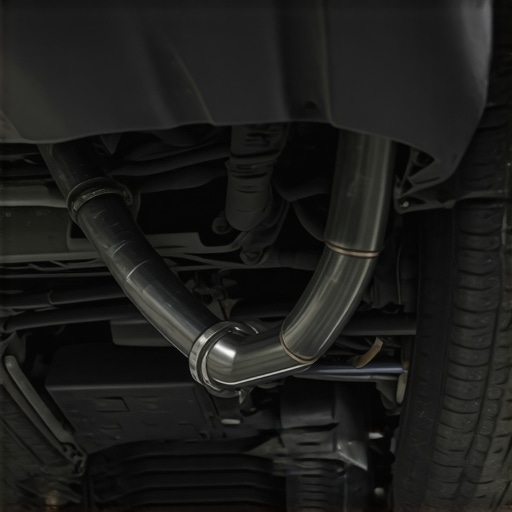
I’ll never forget the first time I noticed my car sputtering at a red light, idling rougher than usual. It was a nagging worry that crept up gradually—what’s going on with my engine? It turned out, that strange issue was my catalytic converter getting poisoned by oil, but I didn’t even realize it at first. When I finally dug into the problem, I learned that oil in the exhaust gases can severely damage this crucial component, leading to costly repairs if left unchecked.
Why You Should Care About Your Catalytic Converter’s Health
Most of us focus on oil changes, brake checks, or tire rotations, but neglect the health of our catalytic converters—until something fails. This small but vital part reduces harmful emissions, keeping our air cleaner and engines running smoothly. However, if oil leaks into the combustion chamber or exhaust, it can ‘poison’ the converter, causing it to lose efficiency or fail altogether. Interestingly, a contaminated catalytic converter can lead to increased emissions, higher fuel consumption, and even engine stalling—serious issues that can catch you off guard.
Early detection is key. Recognizing the signs of a poisoned catalytic converter can save you money and prevent further damage. And trust me, making the mistake of ignoring weird smells or sluggish performance at the start is common—and costly. I once ignored a burning oil smell, thinking it was just a minor leakage, but it turned into a full-blown replacement, which I could have prevented with some simple checks.
Is Oil Poisoning Your Catalytic Converter Actually Worth the Hype?
Many skeptics dismiss catalytic converter problems as rare or exaggerated. Yet, according to automotive experts, oil contamination is more common than most drivers realize—especially if your vehicle has worn piston rings or valve seals. An early mistake I made was ignoring small blue smoke emissions, which are a clear sign of oil burning that can lead to catalytic poisoning. Recognizing this early can make all the difference, and I promise you’ll find some practical ways to test and prevent this issue before it spirals out of control.
In this post, I’ll walk you through straightforward methods to determine if oil is poisoning your catalytic converter, how to spot the early warning signs, and ways to prevent it from happening in the first place. If you’ve ever noticed a decrease in performance or strange smells, stick around—this is crucial info for every driver who wants to keep their car running clean and efficient.
Before we dive into the diagnostics, remember: regular vehicle maintenance and early detection are your best friends. For more on related auto repair tips, check out top auto repair tips to extend your vehicle’s lifespan. Now, let’s get into how you can identify if oil is silently sabotaging your catalytic converter.
Check for Visual Clues Under the Hood
Start by inspecting your engine for visible signs of oil leaks or excessive burning oil. Look around the piston rings and valve seals for blue smoke emissions, which indicate oil is entering the combustion chamber—a key contributor to catalyst poisoning. During my own troubleshooting, I noticed a faint bluish tint in the exhaust and a slight oil smell after my last oil change, which prompted me to dig deeper. Such signs aren’t always obvious; often, the first step is a thorough visual scan.
Perform a Smog Test to Gauge Emissions
Next, conduct an emissions test if it’s available. A DIY approach: start your vehicle, let it warm up, then check for elevated levels of hydrocarbons and carbon monoxide, which point to inefficient catalysis stemming from oil contamination. I once took my car for a quick emission check at a local station, and the results showed higher than normal emissions. This alerted me to examine the catalytic converter further. Recognize that higher emissions, especially with a history of oil consumption, should raise flags about catalyst health.
Use a Diagnostic Scanner for Accurate Diagnosis
Connect an OBD-II scanner to your vehicle’s port and look for specific trouble codes like P0420, which indicates catalyst system efficiency below threshold. When I experienced sluggish performance and the check engine light flickered, scanning revealed this exact code. This step provides concrete evidence that oil may be poisoning the converter, especially when combined with other symptoms like reduced power or strange smells. Modern scanners can also display sensor data, aiding in pinpointing whether oil contamination is involved.
Prevent Future Poisoning by Monitoring and Maintenance
Regularly check and replace worn piston rings or valve seals that can cause oil leaks into the combustion chamber. Also, keep an eye on oil consumption; if your engine uses more oil than usual, it’s a sign to address underlying issues. Remember, timely oil changes with high-quality synthetic oil, like those explained in this guide, can help reduce the risk. During my own repair process, replacing worn seals promptly prevented further damage and saved me hundreds in costly replacements.
Consistent maintenance and early detection are your best tools. Use diagnostic tools regularly, especially if your car’s performance declines or exhaust smells odd. Combining visual inspections, emission tests, and scanner diagnostics forms a comprehensive approach to protecting your catalytic converter against oil poisoning.
Debunking the Myths Around Auto Diagnostics
Many car enthusiasts and everyday drivers operate under misconceptions about vehicle diagnostics, often relying on outdated or oversimplified information. A prevalent myth is that a single code from an OBD-II scanner definitively pinpoints the exact issue. In reality, these codes are indicators, not diagnoses—much like a symptom check in medicine. Experienced technicians know that interpreting these requires context and experience. For example, the P0420 code related to catalytic converter efficiency might also be caused by faulty oxygen sensors or exhaust leaks, which are often overlooked when someone takes the code at face value. To truly understand your vehicle’s health, it’s essential to combine scanner data with visual inspections and testing methods.
Another common mistake is neglecting the importance of advanced diagnostics. Basic scans can miss complex problems, like intermittent sensor failures or electrical issues that don’t throw a consistent code. Using more sophisticated tools, such as oscilloscopes or in-depth data analysis, can reveal transient issues that intermittent sensors or subtle wiring problems cause. According to automotive expert Mark H. in his latest article, leveraging such tools can prevent costly repairs down the line.
When it comes to brake service, many believe that regular pad replacement is enough to ensure safety. Conversely, ignoring the condition of rotors, calipers, and brake fluid can compromise system performance. A crucial nuance is that uneven rotor wear or submerged brake components can lead to a spongy pedal or vibration, which simple pad changes won’t fix. Regular comprehensive inspections, instead of just pad replacements, are vital—more info and detailed strategies are available in our brake service guide.
The Pitfall of Relying Solely on Oil Changes
Just as many underestimate diagnostics, they also overlook the importance of proper oil change practices. The myth is that oil is simply a lubricant, but advanced technology proves that high-quality synthetic oils with antioxidants and detergents not only reduce engine wear but also help prevent sludge buildup and varnish formation. A mistake many make is neglecting regular oil analysis—sending samples for testing can reveal contamination or additive depletion before noticeable issues arise. For instance, soot or moisture in oil can indicate combustion problems or coolant breaches, which lead to severe engine damage if ignored.
In fact, the trend towards extended oil change intervals with synthetic oils should be approached cautiously. Studies, such as those from the Automotive Maintenance Institute, suggest that longer intervals could mask early warning signs of engine wear. Purchasing reliable testing kits or utilizing diagnostic services that analyze oil condition can save you thousands in repairs.
Now, consider your own maintenance routine. Are you just sticking to the schedule or actively monitoring engine health through advanced tools? A proactive approach can unearth hidden issues—like oil poisoning in your catalytic converter—that might otherwise go unnoticed until it’s too late. And, as always, regular inspections of critical components and timely repairs can extend your vehicle’s lifespan significantly.
Have you ever fallen into this trap? Let me know in the comments.
Keeping It Working: Tools I Recommend for Auto Maintenance
Maintaining your vehicle’s performance over time requires precision, consistency, and the right equipment. Personally, I rely on a combination of advanced diagnostic tools and quality manual accessories to catch issues early and ensure longevity. For example, I swear by the Ancel Vgate OBD2 scanner—it offers real-time data, customizable parameters, and compatibility with most vehicles, making it invaluable for diagnosing **issues like catalytic converter poisoning** or sensor failures before they escalate. It’s not just about reading codes; it’s about understanding the data behind them, which can save you significant repair costs.
Alongside scanners, I also use a high-quality digital multimeter for electrical troubleshooting. It helps in pinpointing wiring issues or sensor malfunctions that electronic diagnostics might miss, especially when dealing with complex systems like engine control modules. These tools, when used together, form a comprehensive diagnostic approach that modern vehicles demand.
Predicting Trends in Vehicle Diagnostics
Looking ahead, the trend clearly leans toward integration—think AI-powered diagnostics and wireless data transmission that continuously monitor vehicle health. Software updates are increasingly cloud-based, allowing for proactive maintenance rather than reactive repairs. This evolution promises much easier long-term maintenance, provided we keep pace with the technology. Vehicle manufacturers are also emphasizing customized maintenance schedules based on real-time data, reducing unnecessary repairs and extending component lifespan.
How do I maintain vehicle diagnostics over time?
To keep diagnostics effective, it’s critical to regularly update your diagnostic software. Many tools, like the Bluetooth-enabled OBD-II adapters, automatically download firmware updates when connected to the internet. Additionally, performing routine visual inspections—checking for frayed wiring or corrosion—can prevent false readings and ensure your tools give accurate data. Incorporating a monthly check using simple tools like a tire pressure gauge, combined with more advanced diagnostics, creates a layered approach that keeps your vehicle dependable.
If you haven’t already, invest in a reliable code reader with live data capabilities. Not only does this empower you to troubleshoot issues like oil poisoning signs, but it also reduces the risk of overlooking subtle sensor failures that cause problems down the line. For more insights on preventive strategies, see top auto repair tips.
Start integrating these tools and habits today—your vehicle’s long-term performance depends on consistent, informed maintenance. Remember, the right diagnostics can uncover hidden issues before they turn into costly repairs. Why not try updating your scanner’s firmware this month and see how much more precise your readings become? Taking this step now can make a significant difference in your vehicle’s health.
Throughout this journey into vehicle diagnostics, brake service, auto repair, and oil changes, I’ve realized that the deepest insights often come from our willingness to question common misconceptions and personal habits. My most pivotal lesson was understanding that early detection of issues like catalytic converter poisoning isn’t just about fixing problems—it’s about fostering a proactive mindset that saves money and extends your vehicle’s lifespan. Recognizing subtle signs, rather than dismissing them, transforms routine maintenance into a form of care that pays dividends over time. Moreover, investing in quality tools and continuous learning empowers us to become our own auto detectives, turning frustration into confidence and uncertainty into mastery.
What I Wish I Knew Before Relying on Quick Fixes
One lightbulb moment was realizing how tempting it is to chase quick fixes when warning signs pop up. Rather than patching symptoms, I learned to dig deeper—using diagnostic scanners and visual inspections to uncover the root cause of issues like misfires or emissions problems. This approach prevents costly repeat repairs and keeps my car running smoothly. Patience and thoroughness beat shortcuts every time, especially when it comes to vital components like the catalytic converter or brake systems. Embracing this mindset has fundamentally changed how I approach auto care.
Tools That Changed My Troubleshooting Game
The right equipment is truly transformative. I trust my advanced diagnostic tools because they provide real-time data that makes complex issues manageable. Pairing an OBD-II scanner with a quality digital multimeter has allowed me to identify electrical faults, sensor failures, and leaks with confidence. These tools are investments that pay for themselves by helping avoid unnecessary repairs and giving me peace of mind. If you’re serious about vehicle maintenance, these are must-haves I wholeheartedly recommend.
Take Action: Protect Your Car and Your Wallet Today
Remember, vehicles are more than machines—they’re an extension of our daily lives and budgets. By adopting a proactive approach to diagnostics, embracing continuous learning, and investing in the right tools, you safeguard your car against hidden threats like oil poisoning of the catalytic converter. Don’t wait for major damage to strike; instead, make timely inspections, use diagnostic insights, and stay informed about best practices. Your vehicle’s health—and your peace of mind—depend on it. What small step will you take today to ensure your car stays reliable for miles to come? Share your plans below, and let’s learn from each other’s auto journeys.