
Ever had that sinking feeling when your engine starts overheating unexpectedly, and you’re deep into a road trip or rushing to work? I remember the moment vividly — my car was puffing steam like a dragon, and I was desperately trying to figure out what went wrong. That’s when I stumbled upon what I now call the radiator hose trick, a surprisingly simple way to diagnose a stuck-closed thermostat. If you’re tired of guessing why your engine’s overheating or why your temp gauge’s acting up, stick around. Today, I’ll share how I uncovered the problem using this handy technique and how it can save you time and money.
Why Overheating Can Be a Traitor in Disguise
Overheating isn’t always about a broken radiator or a coolant leak. Sometimes, the culprit is a thermostat that refuses to open, trapping the coolant and causing the engine to run hotter than it should. That sticky thermostat can lurk unnoticed until the temperature needle shoots up or, worse, the warning light flickers. In my case, I was about to take my daughter to her soccer game when my car suddenly hissed and then boiled over. I was stumped until I remembered a trick I saw in an online auto repair guide—simple, but surprisingly effective.
Is the Radiator Hose Trick Just a Glamourized Guess?
Initially, I was skeptical. I’ve made plenty of early mistakes—like checking the coolant level instead of the actual thermostat condition—that made me doubt DIY diagnosis. But then I realized that the radiator hose trick isn’t about guesswork; it’s a practical, visual way to observe whether the coolant is circulating properly. If you can feel the radiator hose while the engine is warm and it’s stiff or not getting hot, you might be facing a stuck-closed thermostat. It sounds simple, but you’d be surprised how many overlook this step. For even more reliable methods, you might want to explore advanced vehicle diagnostics, which can prevent costly breakdowns [learn more here](https://repairmycarpro.com/how-advanced-vehicle-diagnostics-prevent-costly-breakdowns).
Now, let’s get practical. I’ll walk you through how to perform this trick step by step so that you can determine whether your thermostat needs immediate attention or if it’s just a false alarm. Remember, catching these issues early can save you a lot of headache and expense in the long run.
How to Check the Radiator Hose for a Stuck Thermostat
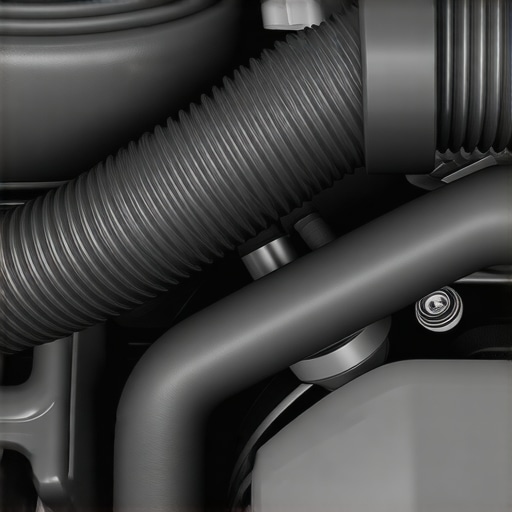
Start your diagnostic by ensuring the engine is completely cool to avoid burns. Raise the hood and locate the upper radiator hose connected to the radiator and the engine. Feel the hose gently—if the engine has been running recently, gloves are recommended due to heat. The goal is to assess if the coolant is circulating properly, which helps confirm whether the thermostat is opening. When the engine warms up, the hose should become hot and flex slightly. If it remains stiff and cool, it indicates coolant isn’t flowing, possibly due to a stuck-closed thermostat. I remember a late afternoon when my car had been idling for a while; I performed this test, felt the hose, and immediately suspected the thermostat. This simple check allowed me to avoid a costly repair and instead replaced the thermostat myself, saving time and money.
Handle with Care During Inspection
Use gloves to protect your hands from hot components, and grasp the hose gently—don’t tug hard, as the hose can be brittle or cracked. If you notice any leaks, cracks, or excessive softness in the hose, these are signs it may need replacement before further testing. The visual cue combined with feeling the hose gives you a reliable early indication of coolant circulation issues. For a comprehensive, cost-effective approach to auto maintenance, see this auto repair hacks resource.
If the hose feels cold and stiff, but the radiator is hot, it suggests the thermostat is stuck closed, preventing coolant flow. Confirm this by feeling the radiator return hose, which should be warm or hot if coolant is circulating. If it’s not, further testing is warranted, such as removing the thermostat for inspection or using a temperature gun to check different parts of the engine. Always remember, a stuck thermostat can cause overheating, and early detection through this simple hose check can save your engine from serious damage. To learn about more diagnostic techniques, check out decoding vehicle diagnostics.Many car owners believe they understand auto repair basics, but in reality, there’s a lot of nuance that often goes unnoticed. For instance, a prevalent myth is that changing your oil frequently isn’t necessary with synthetic oils—yet, advanced technologies have extended recommended change intervals, saving engines from premature wear. Misjudging these details can lead to overlooked problems and costly repairs.
Are Diagnostic Codes Always Clear Indicators of the Problem?
It’s a common trap to rely solely on OBD scanner codes, but these codes often point to symptoms rather than root causes. Experienced mechanics understand that multiple issues can trigger the same code, requiring a deeper diagnostic approach. According to industry expert analyses, blind reliance on codes can delay proper repairs and even cause unnecessary part replacements. To learn how to interpret diagnostic information effectively, visit this guide.
One overlooked aspect is brake service maintenance. Many prioritize pad replacement but neglect the importance of inspecting ABS sensors and hydraulic systems, which can silently compromise safety. A hidden mistake is overlooking that a spongy brake pedal isn’t always air in the lines; it could be a failing master cylinder or a brake fluid quality issue. Regularly consulting comprehensive brake service resources can prevent accidents—not just perform superficial fixes. Check out this detailed brake guide.
Regarding oil changes, many think more expensive oils are always better, yet advancements in additive formulations mean that premium oils don’t always guarantee longer intervals or better protection unless they’re suited to your driving conditions. Additionally, synthetic oils have different viscosity stability, which impacts fuel economy and engine longevity. Being aware of these nuances ensures optimal engine health and saves money over time. For a deeper dive into modern oil technology, explore this article.
Understanding these hidden nuances helps you avoid beginner pitfalls and make informed decisions that preserve your vehicle’s health. Don’t let common myths trap you into unnecessary costs or overlooked issues. Mastering the details of auto repair and diagnostics empowers you to tackle problems early and confidently. Have you ever fallen into this trap? Let me know in the comments.Maintaining your vehicle over the years requires more than just basic knowledge; it demands the right tools, consistent routines, and a strategic approach to diagnostics and repairs. Personally, I rely on a few specialized pieces of equipment that have proven invaluable in diagnosing issues early and preventing costly breakdowns. One such tool is a quality automotive infrared thermometer, which allows me to quickly assess temperature variations in engine components, helping identify overheating parts before they become catastrophic. For example, regularly checking the an engine’s coolant and oil temperatures can reveal early signs of wear or impending failure, saving both time and money.
Another indispensable device I recommend is an OBD-II scanner with enhanced diagnostics capabilities. Unlike basic code readers, a high-end scanner can interpret complex trouble codes and offer live data streams, giving you deeper insights into your vehicle’s health. Personally, I’ve found that using a scanner with advanced features prevents me from replacing parts unnecessarily. Instead, I can verify root causes accurately, and I highly recommend visiting this guide to understand how to leverage diagnostic data for cost-effective repairs.
To keep your car running smoothly and extend its lifespan, routine maintenance like oil changes should incorporate the latest technologies. Upgrading to synthetic oils and using oil analyzers periodically can detect contaminants and wear particles, indicating the condition of internal engine components. The evolution of oil analysis techniques helps identify issues long before they manifest as performance problems. For deeper insights into recent advances, check out this article.
**How do I maintain auto diagnostics and repairs over time?** The key lies in establishing a periodic routine that combines precise tools and awareness of evolving automotive technology. Regularly updating your diagnostic equipment and staying informed about new diagnostic methods can turn your garage into a mini repair shop capable of handling most issues. For example, investing in a scanner that integrates with your smartphone app can give you on-the-go diagnostics, making maintenance more proactive.
Predictions for the future include greater integration of AI-driven diagnostic systems that can interpret sensor data more intuitively. These advancements promise to empower car owners to identify issues early and plan repairs effectively. As automotive technology continues to advance, so should your toolkit and knowledge base. Incorporate tools like infrared thermometers and high-resolution scanners into your routine, and you’ll enjoy a vehicle that stays reliable for years.
Ready to elevate your maintenance game? Try using an infrared thermometer to routinely check critical engine components. It’s simple, effective, and can save you from unexpected failures. The more you understand your vehicle’s vital signs, the better you can keep it working seamlessly for the long haul.
Top Lessons That Changed My Auto Repair Approach
One of the most valuable lessons I learned was that sometimes, the simplest visual checks—like feeling the radiator hose—can reveal much more than expensive diagnostics. Trusting basic methods over blindly relying on codes has saved me countless headaches. Additionally, understanding that a properly functioning thermostat isn’t just about replacing parts but about diagnosing the root cause has made me more confident in my DIY repairs. The importance of routine maintenance, upgraded with the latest tools, has transformed my car care from reactive to proactive. Lastly, I realized that continuous learning through trusted resources is key to keeping my vehicle running smoothly without breaking the bank.
Tools and Resources That Truly Made a Difference
My essential toolkit includes a high-quality OBD-II scanner with advanced diagnostics, which has been invaluable for accurate troubleshooting. An infrared thermometer helps me spot overheating issues before they escalate, saving time and money. For reliable information, I turn to auto repair hacks that save money and latest oil change innovations. These resources offer practical advice rooted in real-world experience, making my repairs safer and more cost-effective.
Keep Your Vehicle’s Pulse Alive: It’s Within Reach
Your car’s health is like a heartbeat—checking it regularly with simple tools and techniques can prevent bigger issues down the line. Embrace the knowledge, stay curious, and trust your instincts—you’re capable of maintaining your vehicle more than you think. Every time I perform a routine check or diagnose a problem myself, I feel more connected to my car and empowered as a driver. Now is the perfect moment for you to take charge of your auto maintenance journey—start small, learn often, and enjoy the ride ahead.
Have you tried any DIY diagnostics that saved you money or time? Share your experience below—I’d love to hear your stories!
,