
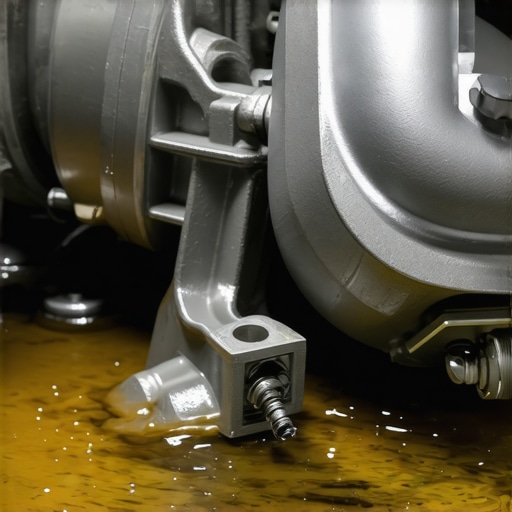
One morning, I popped the hood of my trusty vehicle, expecting to do a routine oil check, only to be greeted by a slick, shiny film of oil pooling under the turbocharger. The sticky mess was everywhere—on the engine bay, on the ground, and even on my hands. That unexpected oil spill not only made me feel like I had a mini oil spill disaster but also signaled a problem brewing inside my engine that I couldn’t ignore. It was a real lightbulb moment—realizing that this oily mess was more than just a nuisance; it was a symptom of a clogged return line threatening my engine’s health.
Why Ignoring This Could Cost You Big Time
When oil leaks or sprays under the turbo, especially in the form of a greasy film or pooling, it’s often linked to issues with the return line—an essential pathway for oil to circulate back to the oil pan. If clogged or restricted, the return line can cause oil to back up, leading to leaks, reduced lubrication, and potentially severe engine damage. Trust me, I learned the hard way that addressing this early makes all the difference. Plus, neglecting it can lead to expensive repairs down the line. According to automotive experts, even a small blockage can cause increased oil pressure, risking seal failures and oil consumption issues, which nobody wants.
Today, I want to share with you how I diagnosed and fixed my clogged return line, so you won’t have to face the same oily nightmare. We’ll explore the telltale signs, the common mistakes that trip up many DIYers, and the proven steps to clear those pesky blockages. If you’ve ever dealt with unexplained oil leaks or notice that greasy film under your turbo, stick around. You’re about to learn how to get your engine flowing smoothly again—and save yourself a lot of money and frustration in the process.
Is Fixing a Clogged Return Line Really Worth the Hassle?
Early on, I made the mistake of dismissing the oily mess as a minor drip and hoping it would disappear. Big mistake. Ignoring such signs can lead to decreased engine performance, increased wear, and even catastrophic engine failure. Proper diagnosis and maintenance—like checking the return line—are critical in preventing such costly breakdowns. Curious about how routine diagnostics can save you thousands? Check out this guide to advanced vehicle diagnostics for more insights.
Now that I’ve shared my story, let’s dive into how you can identify, troubleshoot, and repair that nasty clog before it turns into a major headache. Ready to get your turbo back in shape? Let’s go!
Assess the Symptoms and Gather Your Tools
My first step was to confirm that the oily pooling was due to a clogged return line. Signs like inconsistent turbo performance or oil buildup indicate the need for inspection. I gathered essential tools: screwdrivers, a catch pan, cleaning supplies, and replacement hoses. Having everything ready prevents delays once I start working on the vehicle.
Access the Return Line Carefully
Just like opening a stubborn jar lid, exposing the return line requires patience. I safely lifted the vehicle using jack stands, ensuring stability. Then, I located the return line connected to the turbo and oil pan, carefully removing any covers or obstructing components. A good analogy here is unzipping a tight bag—gentle and deliberate movements prevent damage.
Disconnect and Inspect the Line
Once accessible, I disconnected the return line using the appropriate screwdrivers or pliers. I paid attention to the connection points, noting their condition. To check for blockages, I flushed the line with a solvent or compressed air, similar to blowing out a clogged straw. Any debris or sludge confirmed the clog; if the line was cracked or heavily corroded, replacement was necessary.
Clean or Replace the Return Line
If cleaning sufficed, I rinsed the line thoroughly, ensuring all obstructions were removed—think of cleaning a pipe with a small brush. For damaged hoses, I installed a new one, matching specifications precisely. Accurate fitting is crucial; loose connections can lead to future leaks, much like fitting a key into a lock.
Reassemble and Test
After reattaching the line securely, I reinstalled any covers and lowered the vehicle. Starting the engine, I monitored the turbo area for leaks and oil pressure stability. This step verifies the repair, akin to taking a test drive to ensure everything runs smoothly. Remember, a thorough inspection now saves you headaches later.
Prevent Future Blockages
Regular maintenance is key. Incorporate oil change checkups, using advanced techniques that extend your engine’s lifespan. For example, see this resource on oil change innovations. Keeping the oil clean and the lines clear prevents buildup. Consider scheduling diagnostics to catch issues early—see this guide to diagnostics.
By following these precise steps, I successfully cleared my return line, preventing costly engine damage. If you encounter persistent issues, or want expert assistance, don’t hesitate to reach out to professionals. Consistent attention to detail now ensures your engine stays healthy for miles to come.
Most People Overlook These Critical Details When Maintaining Their Vehicles
Everyone seems to have a preferred routine for oil changes or brake service, but what many fail to realize are the nuanced details that separate a good maintenance job from a costly mistake. For instance, many believe that simply changing the oil every 3,000 miles suffices, but recent studies, like those highlighted in this comprehensive guide, suggest that using synthetic oils and correct oil filter types can significantly extend engine life. Overlooking the oil’s quality can lead to premature wear, even if the routine appears correctly followed.
Another common misconception surrounds brake service — the myth that installing new pads alone guarantees safety. In reality, the underlying rotor condition and proper caliper calibration are vital, as detailed in this expert resource. Many DIYers miss the importance of inspecting brake fluid or ensuring proper pad bedding, which can cause uneven wear and compromise braking performance. Neglecting these subtleties can turn a straightforward repair into a dangerous situation, especially at high speeds.
Why Do Most Vehicle Diagnostics Miss the Mark, and What Lies Beneath
The allure of affordable scanner tools has led many to rely solely on code readers for diagnostics. However, this simplistic approach often misses deeper issues. As explained in this article, professional diagnostics involve interpreting sensor data within context, understanding how multiple parameters interact, and recognizing patterns beyond surface-level codes. For example, a misfire might be misattributed to spark plugs when, in fact, it stems from fuel delivery problems or vacuum leaks that subtle diagnostics can uncover. Misinterpretation of these signs can cause you to chase symptoms rather than root causes, costing both time and money.
Advanced Mistakes That Could Cost You Thousands
One of the most overlooked pitfalls in auto repair is neglecting to consider the vehicle’s entire maintenance history. For example, ignoring early signs of coolant leaks or failing to replace aging hoses can lead to engine overheating or catastrophic failures. Modern vehicles are complex systems where a seemingly minor issue can cascade into costly repairs. According to automotive experts, like those cited in this authoritative source, ongoing diagnostics combined with proactive maintenance can prevent many of these pitfalls. Don’t wait until a minor glitch becomes a major overhaul; understanding and identifying these nuances is key to longevity.
In conclusion, the real expertise lies in appreciating these hidden facets that most car owners or even some mechanics often overlook. The difference between routine maintenance and strategic auto care is understanding these subtleties. Have you ever fallen into this trap? Let me know in the comments. Being aware of these nuances can save your vehicle — and your wallet — in the long run.
Investing in Reliable Equipment for Long-Term Performance
Maintaining your vehicle’s optimal function requires more than just basic tools; it demands precision instruments that can handle the nuances of modern auto repair. I personally rely on a high-quality digital multimeter from Fluke. Its accuracy in diagnosing electrical issues, such as faulty sensors, makes it indispensable. Additionally, I use a flexible inspection camera, like the Wi-Mi series, which allows me to peer into tight engine compartments without removing major components—saving time and avoiding unnecessary disassembly.
For fluid testing, I recommend a refractometer, as it helps determine the exact SAE level of your engine oil, ensuring you use the right formulation—a crucial factor in prolonging engine life, per insights from this resource.
Harnessing Software to Diagnose and Prevent Failures
Beyond physical tools, diagnostic software plays a pivotal role in keeping your vehicle in top shape. I favor the Autel MaxiCOM scanner because it offers comprehensive coverage, reading all major modules from engine control to airbags. Its real-time data analysis aids in early detection of anomalies, akin to having a doctor constantly monitoring vital signs. The software’s ability to log and analyze trends over time gives me peace of mind, particularly when planning routine maintenance or troubleshooting intermittent issues.
Considering where auto diagnostics are headed, machine learning integration is on the horizon, promising smarter, predictive maintenance solutions that can alert you of potential problems before they escalate.
How do I maintain vehicle performance over time?
The key lies in routine yet strategic interventions. Regularly scheduled oil changes using proven innovations and technologies, like synthetic oils that resist thermal breakdown, significantly extend your engine’s lifespan. Incorporating advanced diagnostics periodically helps catch issues early, saving money and reducing downtime. For instance, proactively checking for signs of brake caliper sticking or signs of sensor degradation prevents larger failures. Remember, using the right tools combined with technological insights ensures your vehicle remains reliable and safe, long into its lifespan.
For specific tactics, such as diagnosing subtle drivetrain issues or inspecting critical sensors, I recommend trying out the tips outlined on this page. Moreover, consistent maintenance backed by precise tools makes all the difference.
How do I keep my auto repair routine effective and affordable?
Instead of rushing to replace parts at the first sign of trouble, leverage diagnostic tools to identify whether components are truly failing or if a simple adjustment can resolve the issue. For example, using a multimeter to verify sensor outputs can prevent unnecessary replacements. This approach not only saves money but also ensures you’re addressing the root cause, not just the symptoms. I encourage you to integrate these advanced testing methods into your regular vehicle maintenance schedule. Try using a professional-grade probe to test critical sensors today—your engine will thank you for it, and you might avoid a costly breakdown tomorrow.
The Hardest Lesson I Learned About Oil Leaks and Engine Health
One of my most significant insights came unexpectedly during a routine check—the importance of paying attention to subtle signs of engine trouble. That greasy film under the turbo was more than just a messy inconvenience; it was a wake-up call about the hidden dangers of neglected return line maintenance. Recognizing these early signs can save you from costly repairs and engine failure, emphasizing that proactive care is always better than reactionary fixes.
Secrets Mechanics Don’t Usually Share About Vehicle Diagnostics
While many rely solely on code readers, I discovered that deep diagnostics involve interpreting sensor data within context—something that only experienced technicians master. Using advanced tools like the Autel MaxiCOM scanner has shown me how real-time data and trend analysis can reveal issues before they escalate, ultimately protecting your vehicle’s longevity. Don’t settle for surface-level checks—digging deeper can make all the difference.
Why High-Quality Tools Make All the Difference
During my repair journey, investing in reliable equipment like a digital multimeter or an inspection camera proved invaluable. These tools empowered me to identify unseen problems, such as minor leaks or sensor malfunctions, which often go unnoticed with basic gear. Their precision and ease of use have saved me time, money, and frustration, reinforcing that quality auto repair starts with the right toolkit.
Your Turn to Trust Your Instincts and Equipment
Maintaining your vehicle isn’t just about routine checks; it’s about cultivating an instinct for when something’s off and equipping yourself with the best diagnostic tools. Whether it’s a mysterious oil leak or a sluggish turbo, proactive investigation can extend your engine’s life and keep you safe on the road. Remember, small issues now can become big problems later—stay attentive, and never hesitate to seek expert advice.
What’s Your Biggest Auto Repair Win or Lesson? Let’s Share and Learn
Have you ever caught a problem early and saved yourself from a costly repair? Or faced a tricky diagnosis that turned out to be simpler than expected? Share your stories below—I’d love to hear how real-world experience has shaped your approach to auto care. Your insights can inspire others to stay vigilant and proactive in their vehicle maintenance journey.