
I still remember the first time it happened to me. It was a cold Tuesday evening, and I was backing out of my favorite taco spot. I shifted into reverse, eased off the brake, and—*crunch*. A metal-on-metal sound so loud it made the people on the sidewalk stop and look. I immediately pulled back into the spot. When I drove forward? Nothing but silence. It is an incredibly specific kind of stress, isn’t it? You feel like your car is fine for the highway, but the moment you try to leave your driveway, it sounds like a blender full of bolts. I have been there, and I have made the mistake of ignoring it until it became a much bigger problem.
That Sound You Only Hear in Reverse
When your car only complains while backing up, your brain starts racing through the worst-case scenarios. Is it the transmission? Is the rear differential about to explode? Most of the time, the answer is actually hidden right behind your wheels. I once spent a whole weekend tearing apart my rear suspension because I thought a bushing had gone south, only to realize I was dealing with the dangerous truth about ignoring a grinding noise in your wheels. It turns out, components like brake pads and rotors wear in a specific direction. When you reverse that direction, those worn edges catch and scream.
Today, we are going to walk through the most common culprits, from cheap fixes like trapped debris to more serious issues that need immediate attention. We will look at why the ultimate guide to brake service for safety and performance is usually where your answer lies, and how you can spot the difference between a pebble and a failing caliper.
Is this going to cost me a fortune?
This is the question that keeps us up at night. We worry that a weird noise means a $2,000 repair bill. While a loud pop when you shift into reverse can sometimes point to more expensive drivetrain issues, a grinding noise is often a sign that you just need a standard brake refresh. However, if you wait until the metal is truly gouging your rotors, that bill will climb fast. According to the National Highway Traffic Safety Administration (NHTSA), brake-related failures contribute to nearly 22% of crashes caused by mechanical failure, so even if it is just a noise, it is your car’s way of asking for help.
The Real Reason Your Brakes Hate Moving Backward
Believe it or not, I once missed a set of caliper slide pins that were bone dry because I only checked the pad thickness. Those dry pins prevent the brake caliper from retracting properly. When you are driving forward, the rotor rotation helps push the pad back slightly. But when you hit reverse, the geometry changes, and that stuck pad starts dragging. This is also common if you are one of those drivers who experiences stalling while backing out of the driveway, which can sometimes be linked to the load placed on the engine by a dragging brake. Have you ever had a noise that only showed up when you were doing one specific thing? It drives you crazy, right?
Check Your Rotors for These Specific Wear Patterns
The very first thing you need to do is get a good look at the surface of your brake rotors. Think of your rotor as a vinyl record; it should be relatively smooth. If you see deep, concentric circles or a ‘lip’ at the very edge of the disc, your pads have likely worn down to the metal indicators. I once spent an hour trying to diagnose a ‘ghost grind’ on an old pickup, only to find that the inner pad was completely gone while the outer pad looked brand new. This uneven wear is often a sign that you need to rethink your essential auto repair strategies for frequent drivers. When you reverse, the pad shifts slightly in the bracket, and that tiny bit of movement can cause a metal-on-metal scream that you simply don’t hear when moving forward.
Lubricate the Parts Everyone Forgets
If your pads still have plenty of life, the problem is almost certainly mechanical ‘stickiness.’ Brake calipers are designed to float on slide pins, but these pins are exposed to road salt, heat, and grime. If they aren’t lubricated, the caliper gets stuck in a semi-engaged position. When you shift into reverse, the rotor rotation pulls the pad into the rotor at an angle instead of pressing it flat. You can easily test this by jacking up the car and spinning the wheel by hand. If it stops abruptly, you’re likely dealing with caliper slide pins that are bone dry. Applying a high-temp silicone grease to these pins is a ten-minute job that can save you from replacing an entire caliper later.
Push Back Your Dust Shield Without Breaking It
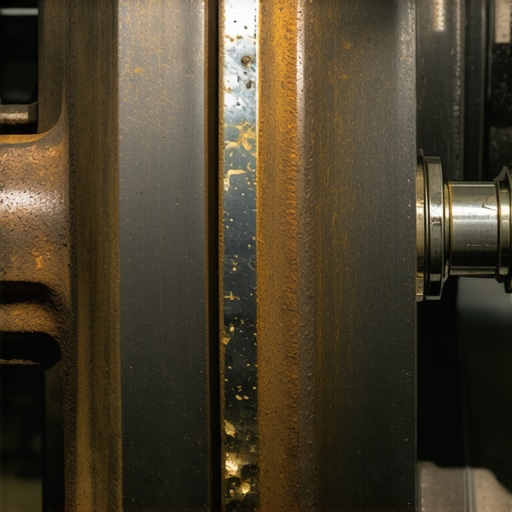
Sometimes the scariest noises come from the thinnest pieces of metal. Behind your rotor sits a thin metal plate called the dust shield. It is incredibly easy to bump this during a tire rotation or while driving through deep snow. I remember a weekend where my brother was convinced his rear differential was failing because of a rhythmic scraping only in reverse. I took his wheel off and saw a tiny pebble wedged between the shield and the rotor. In reverse, the pebble would tumble and wedge tighter; in forward, it just skipped along. We popped it out with a screwdriver, and the ‘transmission failure’ vanished instantly. This is why decoding vehicle diagnostics what your car is trying to tell you starts with a physical inspection before you start buying expensive parts.
Identify Material Grinds vs Mechanical Failures
It is important to know that not every sound means something is broken. If you recently ‘upgraded’ your brakes, you might just be hearing the physics of the friction material. Many people are surprised by the specific reason your ceramic pads are louder than your old metallic ones. These harder materials can produce a low-frequency groan when cold or when used in a direction they aren’t ‘bedded’ into yet. Before you tear everything apart, try performing a few firm stops in reverse in a safe, empty parking lot. This can often clear off surface rust or ‘glaze’ that builds up on the rotors. By following top auto repair tips to extend your vehicles lifespan, you learn to distinguish between a harmless vibration and the dangerous grinding of a failing wheel bearing. If the sound changes when you turn the steering wheel while backing up, your focus should shift toward the bearings or CV axles immediately.
Separate Fact from Fiction During Your Inspection
When you are deep in the wheel well, keep your eyes open for more than just the pads. Check the brake hoses for cracks and look for any dampness that might suggest a leak. Many DIYers get distracted by old wives’ tales about brake noise, but separating fact from fiction with brake service myths busted what really matters for safety is about focusing on the hardware in front of you. A grinding noise that only happens in reverse is almost always a sign of a physical obstruction or a component that has lost its ability to move freely within its bracket.
Most people, even some seasoned grease monkeys, will tell you that a vibrating pedal or a rhythmic grind means your rotors are ‘warped.’ I’m here to tell you that metal rotors almost never actually warp from heat during normal street driving. What you’re actually feeling is cementite—a hard, uneven layer of pad material that has fused to the rotor surface due to improper cooling or poor bedding. The Society of Automotive Engineers (SAE) has published extensive research on Disc Thickness Variation (DTV), proving that what we call ‘warped’ is usually just poor pad transfer. If you simply ‘slap pads’ on without cleaning the hub or following the ultimate guide to brake service for safety and performance, you’re essentially inviting that vibration back within 3,000 miles. It is a nuanced distinction, but it’s the difference between a permanent fix and a recurring headache.
The Torque Wrench Mistake That Ruins Hubs
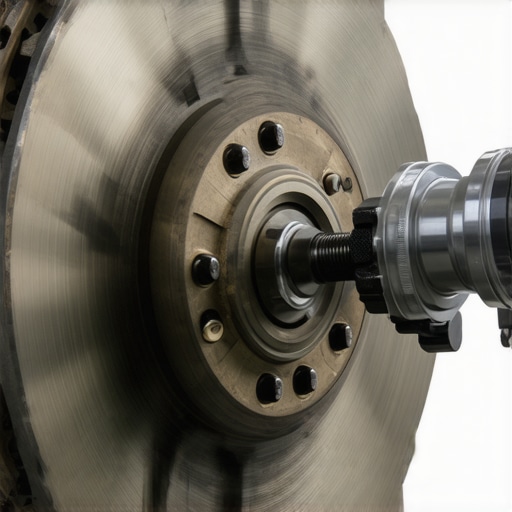
The biggest ‘oops’ factor I see in DIY auto repair isn’t forgetting a bolt; it’s over-tightening them. If you go crazy with an impact wrench on your lug nuts, you can actually distort the brake hat and the hub itself. This is the common mistake that snaps your wheel studs during a tire rotation, but the hidden damage is the lateral runout it creates. This runout makes the rotor wobble ever so slightly as it spins, causing the reason your brake pedal vibrates only when you’re exiting the highway. Precision matters. If you aren’t using a calibrated torque wrench to finish the job, you aren’t doing a brake service—you’re just guessing. I learned this the hard way after replacing the same set of rotors three times on a client’s truck before realizing their previous shop had stretched the wheel studs to the breaking point.
Look Beyond the OBD-II Screen
We live in an age where everyone thinks a $20 code reader makes them a master technician. But why your obd-ii scanner cant find the real electrical ghost is because the computer only monitors circuits, not mechanical integrity. A grinding noise in reverse might not throw a code, but it is a diagnostic signal just as loud as a Check Engine light. Advanced decoding vehicle diagnostics what your car is trying to tell you requires a physical ear to the ground. For instance, a grind that only happens while backing up could be a failing CV joint that hasn’t fully snapped yet, or a wheel bearing that only complains when the thrust load is reversed. Don’t let a clean dashboard lull you into a false sense of security; mechanical failures often happen in the ‘blind spots’ of your car’s computer.
Why does my car still pull after a perfect alignment?
It’s one of the most frustrating experiences in auto repair. You pay for a professional alignment, the printout says everything is ‘in the green,’ but the car still drifts. This is where why your car pulls to the right even after a professional four wheel alignment becomes a deeper investigation. Often, the issue is ‘brake drag’—a caliper that isn’t fully releasing. While you’re driving forward, the pull might be subtle, but the moment you shift into reverse, that dragging pad can cause a distinct ‘clunk’ or ‘grind’ as it shifts in its bracket. Before you blame the alignment rack, perform vehicle diagnostics explained easy checks before your road trip, such as checking for excessive heat at each wheel after a short drive. If one wheel is significantly hotter than the others, your problem isn’t the suspension; it’s a sticking piston.
The Long Game of Maintenance
At the end of the day, skipping the small details is what turns a reliable car into a money pit. Whether it is neglecting oil change innovations technologies that save your engine or ignoring a faint scraping sound while backing out of the garage, the ‘wait and see’ approach is the most expensive strategy you can have. By implementing essential auto repair strategies for frequent drivers, you stay ahead of the curve. Have you ever fallen into the trap of replacing a part the scanner told you was bad, only to find the noise was still there? Let me know in the comments below—I’d love to hear your ‘ghost in the machine’ stories.
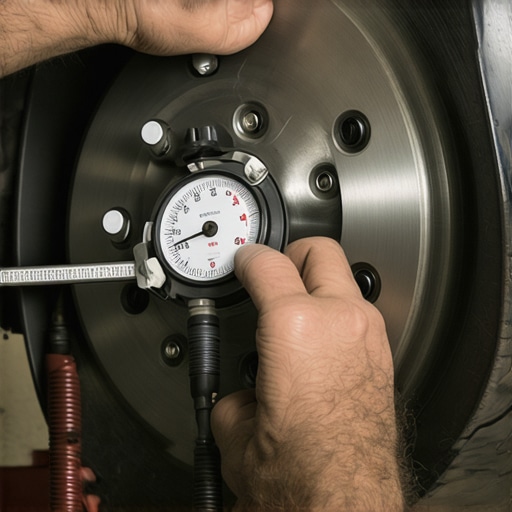
After years under the hood, I’ve realized that the difference between a pro and a “parts-changer” isn’t talent; it’s the tools they trust. To stop the guessing game, you need to invest in specialized items that go beyond the standard socket set. I never touch a brake system without my digital multimeter close by. It is easily the 20 tool every driver needs for basic electrical troubleshooting because it allows me to verify that a grinding noise isn’t actually an ABS pump activating incorrectly due to a bad wheel speed sensor. I also rely heavily on a dial indicator to check lateral runout. If you are just slapping on new rotors without checking the hub surface for debris, you are essentially rolling the dice on your long-term results.
How do I keep my braking system healthy for the long haul?
Maintaining your vehicle over time isn’t about one-off fixes; it is about the small, repetitive actions that prevent wear. I recommend a full brake fluid flush every two years, regardless of your mileage. Brake fluid is hygroscopic, meaning it absorbs moisture like a sponge. According to the technical experts at Brembo, even a 3% water content can lower your fluid’s boiling point by 100 degrees, leading to dangerous brake fade during heavy use. This is a key part of the ultimate guide to brake service for safety and performance. If you see your reservoir dropping, do not just top it off blindly. You need to investigate why your brake fluid is low even though you dont see a leak, as it usually indicates the pads are wearing down or there is an internal master cylinder failure that needs attention.
The Coming Era of Brake Technology
We are rapidly moving toward a world of “brake-by-wire” systems where the physical connection between your foot and the caliper is replaced by electronic signals. In these setups, understanding how advanced vehicle diagnostics prevent costly breakdowns becomes your primary survival skill. Instead of listening for a grind, you will be monitoring live sensor data on your phone or a scanner. To stay ahead of this curve, you should start practicing vehicle diagnostics explained easy checks before your road trip now. Even with high-tech sensors, the fundamental principles of oil change innovations technologies that save your engine and keeping mechanical parts lubricated will always be the bedrock of vehicle longevity. This proactive approach is at the heart of essential auto repair strategies for frequent drivers.
Use a Dial Indicator for Smoother Stops
If you want to level up your DIY game and achieve shop-quality results, get a dial indicator with a magnetic base. Before you bolt on that new rotor, clean the hub with a wire brush and check the runout. If the needle jumps more than .002 inches, your new brakes will likely vibrate within a few months. By ignoring brake service myths busted what really matters for safety and focusing on these data-driven measurements, you ensure a professional finish. This is one of those auto repair hacks save money without sacrificing quality that separates a permanent fix from a temporary patch. I challenge you to try this on your next repair—it takes five extra minutes and ensures your pedal stays smooth as silk for years to come.
The Most Expensive Mistake I Ever Made With Brake Noises
If there is one thing I have learned after years of chasing ghosts in the wheel well, it is that noise is rarely the problem—it is the symptom. Early in my career, I replaced a perfectly good set of rotors because of a rhythmic scraping that only happened when I backed out of my driveway. I was so focused on the hardware that I missed the why. It turns out, decoding vehicle diagnostics what your car is trying to tell you often involves looking for the simplest mechanical interference first. The lesson? Always look for the witness marks on the metal before you reach for the credit card. If you see a shiny spot where it shouldn’t be, you’ve found your culprit.
I also realized that brake service myths busted what really matters for safety is more than just a tagline; it is a reminder to ignore the ‘warped rotor’ chatter and look at real measurements. Most grinding in reverse is just a pad shifting in a dry bracket or a slight interference with the dust shield. It is a ten-cent fix hidden inside a five-hundred-dollar fear.
The Short List of Gear for a Silent Reverse
You do not need a professional lift to solve these issues, but you do need precision. Here are the specific tools that live in my permanent kit to ensure every brake service for safety and performance is done right: High-Temp Silicone Grease is non-negotiable; never use standard chassis grease on your pins as it swells the rubber boots. A Magnetic Dial Indicator turns guesswork into data by proving your hub is clean and your rotor is flat. Finally, a simple multimeter is the 20 tool every driver needs for basic electrical troubleshooting because it helps you verify if an ABS sensor is giving a false reading that makes the pump grind during slow reverse maneuvers.
Take Back Control of Your Garage
Do not let a weird sound make you lose confidence in your vehicle. Most of the time, your car is just asking for a little bit of lubrication and a proper cleaning. By following top auto repair tips to extend your vehicles lifespan, you transition from being a victim of your car’s moods to being the master of its maintenance. Your car is a machine, and machines follow the laws of physics—if it grinds, there is a physical reason. Go find it. Have you ever spent a whole weekend fixing a noise only to find out it was a tiny pebble or a loose shield? Let me know in the comments below!