
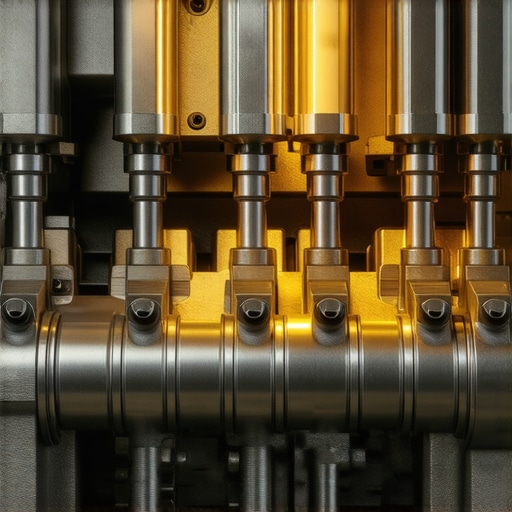
There I was, cup of lukewarm coffee in hand, ready to head to work on a freezing Tuesday morning. I turned the key in my trusty truck, and instead of that familiar, smooth purr, I heard it—a rhythmic, metal-on-metal tap-tap-tap that seemed to echo off the garage walls. My heart sank. I’ve been around cars my whole life, but that sound? That sound feels like money flying out of your wallet. For years, I ignored a similar sound in my first project car, thinking it was just a quirk of an older engine. That ‘little quirk’ eventually turned into a total top-end rebuild because I didn’t understand how critical oil flow is in those first few seconds. I felt like a fool when the mechanic showed me the scarred metal. Today, I’m going to help you skip that expensive lesson and identify exactly why your engine is protesting the moment you wake it up. We are going to solve the mystery of that temporary clicking once and for all.
That Morning Racket is a Warning You Can’t Ignore
Most drivers treat a startup tap as a minor annoyance, like a squeaky door hinge. It isn’t. When you hear that metallic clicking, you are essentially hearing parts of your engine rubbing together without enough lubrication. Usually, this points toward a struggle with decoding vehicle diagnostics that your car is practically shouting at you. It could be something as simple as using the wrong oil weight or a more complex issue with your hydraulic lifters. I once spent a whole weekend thinking I had the rhythmic ticking that means your exhaust manifold is cracked, only to realize I had fallen behind on essential auto repair strategies and was using a cheap oil filter that allowed all the oil to drain back into the pan overnight. By the time I fixed it, the wear on my valves was already measurable. We are going to dive into how oil change innovations can prevent this and why you need to act before that tap becomes a permanent knock.
Is this tapping actually a death sentence for my car?
It’s natural to feel a bit of skepticism or even a lot of fear. You might be wondering if your engine is about to seize on the highway. The truth is, while a startup tap isn’t an immediate death sentence, it is a chronic condition that worsens over time. I used to be the guy who ignored the warning signs until I saw the hidden sludge building up behind my clean dipstick during a teardown. According to a study by the Car Care Council, an industry authority on vehicle longevity, neglecting these small ‘audible’ symptoms leads to thousands of dollars in premature wear and engine failure. The good news? If it only happens at startup, you still have time to fix it before things get ugly. I once used a generic 10W-40 in a car that strictly required 5W-20, thinking ‘thicker is better’ for an old engine; it was a mistake that caused the exact tapping noise I was trying to avoid. Have you ever been startled by a new sound the moment you fired up your engine? If you’re worried about that morning rhythm, feel free to contact us or check out our other guides to see if your car is trying to tell you something urgent.
Check the Dipstick Before You Buy Spare Parts
The first thing I always do when I hear a tap is pull the dipstick. It sounds elementary, but low oil volume is the most common culprit for startup noise. When the level is low, your oil pump has to work harder to build pressure, leaving the top-end components—like those sensitive hydraulic lifters—starved for those first few critical seconds. I remember helping a neighbor who was convinced his engine was shot. We pulled the stick, and it was nearly two quarts low. We topped it off, and the noise vanished instantly. However, if the level is fine, you need to look at the oil’s condition. If you see dark, gritty residue, you might be dealing with the hidden sludge building up behind your clean dipstick. This sludge acts like cholesterol in an artery, slowing down the flow of lubrication when the engine needs it most.
Is Your Oil Too Thick for the Cold?
Viscosity is a fancy word for how thick the oil is. If you use a 10W-30 in a climate that drops below freezing, the oil is basically molasses until the engine warms up. This is exactly why your engine makes a tapping noise only after an oil change if the wrong weight was used. Modern engines have incredibly tight tolerances. They need that thin, fast-moving oil to reach the valve train instantly. Think of it like trying to sip a thick milkshake through a tiny straw—you’re going to struggle. Switching to synthetic blends or using oil change innovations like high-flow filters can make a massive difference in how quickly that noise disappears.
The Secret Role of the Anti-Drainback Valve
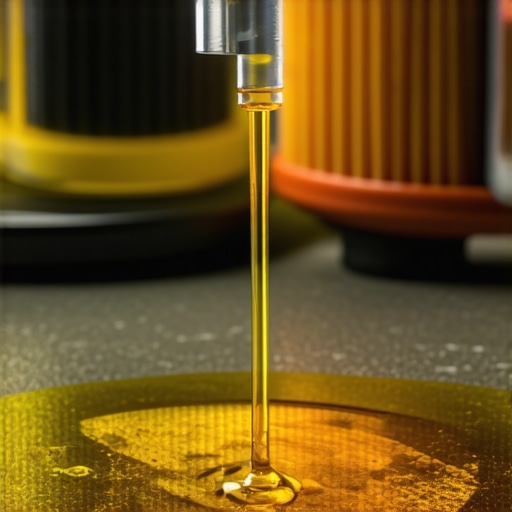
This is where I failed on my first project car. Most people don’t realize that a quality oil filter does more than just clean the oil; it keeps the oil in the engine’s upper channels. A cheap filter often lacks a sturdy anti-drainback valve. This valve is a simple rubber flap that prevents oil from flowing back into the pan when you turn the engine off. Without it, the oil drains away, and your engine starts “dry” every morning. I once swapped a five-dollar generic filter for a premium one with a silicone valve, and a persistent morning tap I’d had for months stopped immediately. It’s one of the best top auto repair tips to extend your vehicles lifespan because it eliminates those seconds of metal-on-metal contact.
How to Read Your Engine’s Silent Signals
If the oil and filter are perfect but the tap persists, it’s time to stop guessing. You need to understand decoding vehicle diagnostics to see if there are any pending codes related to cam timing or oil pressure sensors. Sometimes, the computer knows there’s a pressure lag before your ears even pick it up. Using a scanner can reveal how advanced vehicle diagnostics prevent costly breakdowns by showing you real-time data on oil pressure during that initial crank. I once spent three hours under a car with a test light and a scanner only to find a tiny piece of plastic from a broken timing guide was blocking the oil screen. It wasn’t a lifter problem; it was a starvation problem.
Most old-school mechanics will tell you to just ‘throw some 20W-50 in it’ to quiet down a tapping engine. Don’t do it. In my experience, this is the quickest way to starve your top-end. While thicker oil might dampen the sound, it takes significantly longer to reach the overhead cams. A study by SAE International found that roughly 75% of all engine wear happens during the warm-up phase, and using a higher viscosity than recommended only extends that ‘dry’ period. This is exactly why your engine makes a tapping noise only after an oil change if you’ve strayed from the manufacturer’s specs. You’re trading a temporary quiet idle for long-term internal destruction.
Why Does My Scanner Point to the Wrong Part?
I’ve seen it a thousand times: a DIYer sees a code and immediately buys the part the code mentions. If your scanner throws a catalyst efficiency code, you might assume you need a new exhaust system, but often why your scanner says p0420 but the converter is actually fine is due to a simple vacuum leak or a faulty O2 sensor. Real decoding vehicle diagnostics requires looking at the ‘freeze frame’ data to see what the engine was doing when the tap occurred. Was the oil pressure dipping? Was the timing retarded? This is how advanced vehicle diagnostics prevent costly breakdowns—it stops you from being a ‘parts changer’ and turns you into a technician who understands the root cause. 
Metallic Sounds That Have Nothing to Do With Your Oil
Sometimes, that morning tap isn’t even in the engine. I once spent an hour hunting a ‘lifter tick’ only to realize the noise was a loose brake caliper vibrating as the engine idled. It’s a classic example of why you should check brake service myths busted what really matters for safety. Even the type of pads you use matters; for instance, the specific reason your ceramic pads are louder than your old metallic ones often comes down to high-frequency vibrations that mimic engine noise. Before you tear into your valve cover or replace expensive hydraulic lifters, make sure you aren’t chasing a ghost originating from your wheel wells or a loose heat shield. Have you ever fallen into this trap and replaced a part that was perfectly fine? Let me know in the comments.
Stop Guessing and Start Graphing with Live Data
If you really want to stop throwing money at the wall, you need to move beyond the ‘parts cannon’ approach. I see too many DIYers replace three sensors before they even check their oil pressure. Real power comes from seeing what the computer sees in real-time. I personally use a bidirectional scan tool—something like an Autel or a Launch unit—because it lets me command the car to perform tests, like shutting off individual fuel injectors to isolate a noise. This is exactly how advanced vehicle diagnostics prevent costly breakdowns. While the 20 tool every driver needs for basic electrical troubleshooting is great for a dead horn, it won’t help you graph the oil pressure response when the VVT solenoid engages. If you can see a lag in pressure that matches your engine’s tapping, you’ve found your smoking gun without turning a single wrench.

The Lab Results That Reveal Your Engine’s True Condition
You can’t see what’s happening at a microscopic level just by looking at your dipstick. For the last five years, I have sent an oil sample from every one of my vehicles to Blackstone Laboratories. As they often highlight in their technical reports, the presence of specific metals like lead or copper can tell you if your main bearings are wearing out or if it’s just a harmless lifter tick. Integrating this into your essential auto repair strategies for frequent drivers is the difference between a high-mileage hero and a roadside breakdown. This isn’t just about engines either; you can apply these same auto repair hacks to save money without sacrificing quality to your transmission fluid or differential gear oil to spot failures months before they happen.
How do I maintain my engine’s internal health over the long haul?
Consistency is your best friend, but so is high-quality hardware. I recommend sticking to a strict 5,000-mile interval regardless of what the ‘oil life monitor’ says, especially if you deal with stop-and-go traffic. Combine this with top auto repair tips to extend your vehicles lifespan, such as using only OEM-spec filters with silicone anti-drainback valves. Looking ahead, I predict that consumer vehicles will soon come standard with built-in sensors that monitor oil acidity and particulate levels in real-time, effectively making the traditional ‘date-based’ oil change obsolete. Until then, you are the chief engineer. Don’t forget that your chassis needs love too; balancing your engine care with the ultimate guide to brake service for safety and performance ensures the rest of the car is as reliable as the motor. My challenge for you this week: the next time you change your oil, catch a small sample in a clean container and look at it under a bright LED light for any metallic ‘glitter’—it’s the most basic diagnostic test you can perform.
The Mistakes That Cost Me My First Engine
Over the decades, I’ve realized that most engine failures are predictable if you know what to look for. One of my biggest lightbulb moments was realizing that oil isn’t just about lubrication; it’s about hydraulic pressure. If your oil is too thin or too dirty, your lifters and VVT solenoids simply can’t do their jobs. I’ve also learned that the ‘Italian Tune-up’—revving the engine hard—rarely fixes a mechanical tap and often makes things worse if the oil pressure is already low. Another key takeaway is that auto repair hacks to save money without sacrificing quality often start with simple cleanliness; sometimes a simple engine flush can clear a clogged passage that thousands of dollars in parts couldn’t fix. Finally, never underestimate the power of a second opinion—if a mechanic wants to replace your whole engine because of a startup tick, get your own scanner out first.
Gear That Actually Earns Its Keep in My Toolbox
I don’t recommend tools unless they’ve saved my skin more than once. For digging deep into mysterious noises, I rely on Blackstone Laboratories for oil analysis—it’s the only way to see if that tap is actually bearing wear. I also swear by Autel Bidirectional Scanners; they are the gold standard for decoding vehicle diagnostics that the dashboard lights miss. For those just starting out, the 20 tool every driver needs for basic electrical troubleshooting is a great companion for checking sensor voltages. Lastly, I always keep a high-quality mechanical oil pressure gauge in my drawer to verify what the computer is telling me—it’s the ultimate truth-teller.
#IMAGE_PLACEHOLDER_E#
Take Control of That Morning Tap
Dealing with engine noises can be intimidating, but you are now armed with the knowledge to stop a small sound from becoming a catastrophic failure. Don’t let that startup tap intimidate you—use it as a prompt to refine your essential auto repair strategies. Your car is an investment, and by paying attention to these small signals, you’re ensuring it stays on the road for years to come. By mastering how advanced vehicle diagnostics prevent costly breakdowns, you’re not just a driver anymore—you’re an informed owner. Have you ever found a surprising cause for a weird engine noise? Drop your story in the comments below!