
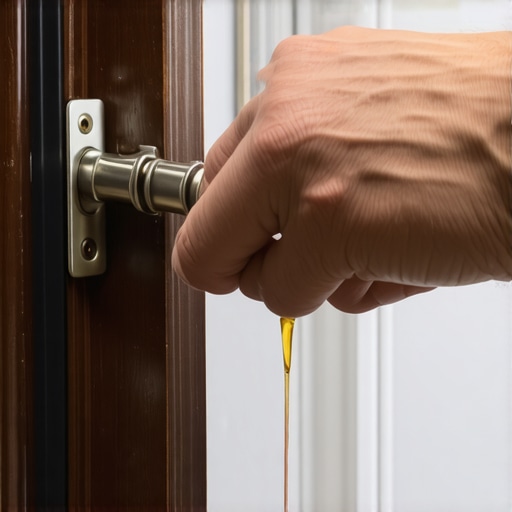
There I was, 11:30 PM, sneaking back into the driveway after a late shift, trying to be as quiet as a ghost. I pulled the handle of my driver’s side door, and CREEEAK—it sounded like a rusty gate in a horror movie. My neighbor’s porch light flicked on, and I died a little inside. That sound isn’t just embarrassing; it’s a sign your door hinges are literally grinding themselves down.
Stop Living With That Haunting Hinge Scream
I spent years just ‘dealing with it,’ thinking I’d need a professional to take the door apart. I even worried it was a sign of a bigger structural issue. But after one too many late-night wake-up calls for the family, I decided to find a permanent fix. Today, I’m going to show you exactly how to stop your doors from creaking every time they open, and it’s going to take you less than five minutes per door. We aren’t just masking the sound; we’re protecting the metal. Have you ever had that one ‘old car’ sound that makes you want to hide when you park?
Is a little WD-40 really all I need?
When I first started working on my own cars, I made the classic rookie mistake of dousing my hinges in the original blue-and-yellow can of WD-40. I thought I was a genius. But here’s the reality: original WD-40 is a solvent, not a long-term lubricant. It actually stripped away the remaining factory grease, leaving the metal bone-dry and prone to rust. It’s a lot like the lessons I learned about stopping brakes from squealing—the wrong product makes the problem worse. In fact, technical data from the Society of Automotive Engineers suggests that improper lubrication on pivoting joints can increase wear rates by over 50% compared to using a dedicated white lithium or silicone grease. You need something that resists water and stays exactly where you put it. If you’re tired of your car sounding like an old shipwreck, stick with me. We’re going to fix this right now. If you’ve tried everything and the door still won’t behave, you might have a sticky door latch problem instead, but for most of us, it’s all in the hinges.
First Get the Grime Out of the Way
Before you even think about reaching for the grease, you have to clean the ‘battlefield.’ Car hinges are a magnet for road salt, dust, and old, dried-up factory lubricant that has turned into a gritty paste. I remember working on my old truck where the hinge was so caked in black gunk it looked like a charcoal briquette. I sprayed some degreaser, wiped it down with a rag, and realized the hinge wasn’t broken; it was just suffocating under layers of neglect. Use a shop rag or an old toothbrush to get into those tight crevices. This is one of those top auto repair tips to extend your vehicles lifespan that people often overlook because it’s not flashy, but it makes all the difference in how the lubricant actually performs.
Choose a Grease That Actually Stays Put
Next, you need to pick your weapon. For car doors, **White Lithium Grease** is the absolute gold standard. It’s thick enough to resist being washed away by the rain but thin enough to penetrate the joint when applied via an aerosol straw. If you want something a bit cleaner, a high-quality silicone spray works too, though you might have to reapply it sooner. Just stay away from anything that isn’t designed for high-friction metal-on-metal contact. It’s the same logic as realizing why your suspension squeaks like a rusty gate over speed bumps—parts need specific lubricants to function under constant pressure and environmental exposure.
Hitting the Pivot Pin Just Right
Now comes the part where most people mess up: the application. You aren’t painting the door; you’re targeting the internal pivot point. I once got way too overzealous with a can of spray grease on my old 2005 sedan. I coated the entire hinge assembly until white foam was dripping onto the door sill like a melting marshmallow. I stepped in later that day, got white grease all over my favorite suede boots, and spent an hour scrubbing the floor mat. Don’t be me. Aim the nozzle straw directly at the top of the pivot pin and give it a short, controlled burst. If you are using a tube of grease, a small dab the size of a pea is usually plenty.
Spread the Lubricant by Swinging the Door
Once the grease is on, you need to work it in manually. Open and close the door at least ten to fifteen times in a full range of motion. You’ll actually hear the pitch of the squeak change—it usually goes from a high-pitched scream to a low groan, and then, finally, to total silence. This repetitive movement forces the lubricant deep into the pin assembly where the metal-on-metal friction is actually happening. If you find the door is still resisting or making noise, it might be worth checking if you need more auto repair hacks to save money, like checking for door sag or a worn-out hinge bushing that grease alone won’t fix.
Look, I see this all the time in DIY circles: “Just spray it until it stops making noise.” That is the fastest way to turn your door assembly into a magnet for road grit. Most people assume car hinges are simple, low-tech metal brackets, but modern automotive engineering involves precise tolerances that don’t take kindly to “gunk.” In my experience, the biggest mistake isn’t forgetting to grease—it’s over-greasing without a proper purge. If you don’t clean the old, oxidized material out first, you’re essentially creating a grinding paste. Research published in *Tribology International* confirms that contaminated lubricants can increase the coefficient of friction by up to 300% compared to clean, fresh applications.
Stop treating all lubricants like they are the same
Everyone tells you to use “grease,” but they rarely mention the chemical compatibility. I’ve seen DIYers use heavy-duty chassis grease on delicate door check straps, only to have the rubber seals disintegrate a month later. It’s the same level of nuance required when looking into oil change innovations and technologies that save your engine; the chemistry of the fluid must match the materials it touches. Using a petroleum-based spray on a hinge with plastic bushings is an “oops” moment that ends with a door that’s harder to open than before you “fixed” it.
Does the ambient temperature change my lubrication strategy?
Absolutely. If you live in a climate with extreme winters, a standard thick grease will stiffen up, making your door feel heavy and sluggish. In those cases, a dry Teflon or PTFE-based spray is often superior because it doesn’t attract salt and won’t turn into molasses at sub-zero temperatures. This is a level of detail often found in the ultimate guide to brake service for safety and performance—where environmental factors dictate the product choice.
Why your hinges might be hiding a deeper alignment issue
Sometimes the squeak isn’t about lack of oil; it’s about gravity. Over time, the heavy weight of a car door can cause the hinge pins to bend slightly. If you grease the hinge and the noise persists, or if you notice the door “drops” slightly when it clears the latch, you aren’t looking at a lubrication problem. You’re looking at a structural one. This is where decoding vehicle diagnostics becomes about more than just computer codes; it’s about using your senses to detect mechanical wear. If you ignore a sagging door, you’ll eventually destroy the striker plate, leading to a much more expensive repair. It’s one of those auto repair hacks to save money: fix the alignment before the hardware fails. Have you ever fallen into the trap of over-lubricating a part only to have it fail anyway? Let me know in the comments below.
Skip the Straw and Use a Needle
I used to think the little red straw that came with my aerosol cans was the pinnacle of precision. Then I discovered the needle-nose grease dispenser attachment. It changed everything. When you’re trying to get lubricant into the tight tolerances of a hinge pin, that standard straw often just splashes back. A needle tip allows you to inject the grease directly into the gap between the hinge leaves. It’s the same principle as the $20 tool every driver needs for basic electrical troubleshooting—having the right probe makes a difficult job trivial. If you are serious about DIY maintenance, get a needle nozzle; it prevents the ‘over-spray’ mess I mentioned earlier and ensures the lubricant actually reaches the internal friction zone where it’s needed most.
How can I keep my door hardware silent for years?
The secret to long-term results isn’t more grease; it’s a scheduled inspection. I’ve added hinge checks to my seasonal rotation, right alongside my winter prep. According to the Ford Workshop Manual for the F-150 series, specific attention should be paid to the ‘door check strap’—the part that stops the door from swinging too far—using a specialized PTFE lubricant to prevent binding. If you treat this like essential auto repair strategies for frequent drivers, you’ll catch problems before they start. Every six months, I wipe the hinges down with a dry cloth and check for any metallic shavings. If I see silver dust, I know the lubricant has failed and the metal is grinding. It’s a physical form of decoding vehicle diagnostics without needing a scanner.
When Grease Won’t Save a Bad Bushing
Sometimes, no amount of chemical help will fix the noise because the physical bushing is gone. If you notice your door is hard to close or requires a ‘lift’ to get it to latch, you should look at how to tell if your car is out of alignment by looking at your tires; the same concept of mechanical geometry applies to your doors. A sagging door puts immense stress on the top hinge, eventually oval-ing out the hole. At that point, you’re looking at replacing the pins and bushings, which is a much bigger weekend project.
Are Self-Lubricating Hinges the Future?
We are already seeing a shift in automotive engineering toward ‘maintenance-free’ components. Many high-end European manufacturers are moving toward hinges with integrated polymer sleeves that theoretically never need grease. However, in the real world of road salt and grime, these still eventually fail. I predict that within the next decade, we will see more ‘sealed-for-life’ pivoting joints, much like we’ve seen with modern ball joints. But until every car on the road is a futuristic bubble, knowing your way around a grease can is a survival skill. I challenge you to go out to your driveway right now, open your driver’s side door, and look for that ‘silver dust.’ If you see it, don’t wait—clean it and grease it today before you’re shopping for new hinges.
Secrets from the Greasy Hands of a DIY Veteran
Over the years, I’ve realized that a squeak is the car’s way of crying for help before the metal actually shears off. One big ‘lightbulb moment’ was realizing that silence doesn’t always mean the job is done right. If you use a grease that’s too heavy in the winter, the door might be quiet but it will move like it’s stuck in molasses. Another lesson? The ‘silver dust’ you see on a hinge is actually pulverized metal. If you see that, you’ve already waited too long. These small habits are part of the top auto repair tips to extend your vehicles lifespan that save you thousands in the long run. Finally, remember that the door check strap—the part that holds the door open—needs different care than the hinge pin itself.
#IMAGE_PLACEHOLDER_E#
The Small Toolbox for a Silent Drive
You don’t need a massive rolling cabinet to fix this. My go-to setup includes a high-quality aerosol White Lithium Grease for its staying power and a dedicated PTFE spray for plastic-lined components. I also swear by using a needle-nose dispenser; it’s one of those auto repair hacks to save money because you use less product and get it exactly where it needs to go. Lastly, keep a stack of clean microfiber shop rags handy. Cleaning the old gunk off is 70% of the battle, and a dirty rag just moves the grit around.
Take Back the Quiet of Your Driveway
There is a specific kind of pride that comes from a door that glides open without a sound. It makes an old car feel brand new and a new car feel well-loved. By following these essential auto repair strategies for frequent drivers, you’re not just fixing a noise; you’re preserving the integrity of your vehicle’s frame and hardware. Don’t let a five-minute job turn into a weekend-long hinge replacement project. Grab your gear and silence the scream tonight. Have you ever tried a ‘quick fix’ for a squeak that ended up making a bigger mess? Let me know in the comments below!