Jan 29, 2026
Why 0W-8 Oil Is Ruining Older Car Engines in 2026
I remember the exact moment I realized something was seriously off with my old sedan. I was halfway through an oil change when I noticed how thin and runny the new 0W-8 oil looked—not like the thick, comforting oil I used to pour in years ago. Little did I know, that simple mistake could be silently damaging my engine beyond repair. It was a lightbulb moment that changed the way I approach vehicle maintenance, especially as new products flood the market.
Why Many Older Car Engines Are Suffering from the Wrong Oil Choice
In 2026, the auto industry introduced 0W-8 oil as a standard recommendation for many new vehicles, promising better fuel economy and lower emissions. Sounds great, right? The problem is, this oil isn’t suitable for older engines built decades ago. They rely on thicker oils to keep their internal parts properly lubricated under high stress. Using a thinner, low-viscosity oil like 0W-8 can actually accelerate wear, cause increased friction, and lead to costly repairs down the line. According to automotive experts, inappropriate oil choices are among the top culprits behind premature engine failures today. If you own a classic or high-mileage car, this is a serious concern you can’t afford to ignore. Have you noticed increased engine noise or oil consumption? You’re not alone.
Is 0W-8 Oil Actually Worth the Hype or Just a Trend?
Early in my journey, I made a mistake that many others do—believing that all synthetic oils are interchangeable. I trusted the marketing hype without doing proper research. That oversight could have been disastrous. Fortunately, I started digging deeper and found reliable sources, like auto repair strategies to extend your vehicle’s lifespan, which emphasized the importance of choosing the right oil for your engine’s specific needs. Making educated decisions about vehicle maintenance can prevent expensive repairs and keep your car running smoothly for years. Next, I’ll walk you through how to identify if your engine is being affected by these modern oils and what steps you can take to protect your investment.
Start with a Comprehensive Vehicle Inspection
Before diving into specific maintenance actions, perform a thorough inspection of your engine and oil system. Use effective vehicle diagnostics strategies to identify any early warning signs of oil-related issues, such as unusual engine noises or oil consumption. I once used a diagnostic scanner on my vintage car after noticing increased exhaust smoke, which revealed low oil pressure indicative of inadequate lubrication caused by using the wrong oil type.
Measure and Verify Oil Viscosity
Ensure the oil viscosity matches your engine’s specifications. Use a viscosity tester or simply check the oil label. For older engines, thicker oils like 10W-30 or 5W-40 are typically recommended. In my case, I replaced 0W-8 synthetic with a compatible high-viscosity oil and confirmed the change with a simple oil dipstick test, which noticeably improved engine noise. For detailed guidance, visit this diagnostic guide.
Adjust Oil Change Intervals Correctly
Do not stick blindly to 5,000-mile intervals; instead, tailor them to your engine’s condition. Regularly check oil levels and quality—if oil appears thin or dirty sooner, extend or shorten your change schedule. I learned this when I monitored my car’s oil at home, noticing the oil thinning after just 3,000 miles. This experience underscored the importance of contextual timing. For tips on the best intervals, refer to auto repair strategies.
Use the Correct Oil Type for Your Engine
Always consult your owner’s manual or trusted mechanic to select the appropriate oil grade. For vintage cars or high-mileage vehicles, thicker oils provide better internal sealing and lubrication. I made the mistake of trusting online reviews and ended up damaging my engine; since then, I stick to manufacturer recommendations. Remember, synthetic oils like 0W-8 are designed mainly for modern engines. For detailed comparisons, check common synthetic oil mistakes.
Perform Regular Oil Quality Checks
Use a clean, white absorbent cloth or dipstick to assess oil color and consistency monthly. Milky or gritty oil indicates contamination or breakdown. I found that my older engine developed gritty oil when I used incompatible low-viscosity oils. To prevent this, I adopted a routine inspection and always kept spare oil matching specifications. For more troubleshooting tips, see vehicle maintenance tips.
Monitor and Address Engine Warning Signs Immediately
Pay attention to dashboard alerts, unusual noises, or reduced performance. These signs often point to lubrication issues caused by improper oil use. During one instance, my engine began to squeal slightly after an oil change with incorrect viscosity. Acting swiftly, I replaced the oil with the proper grade and avoided potential engine damage. Regular diagnostics can help spot issues early; explore diagnostic techniques to stay ahead.
Keep a Maintenance Log
Document every oil change, including oil type, viscosity, and mileage. This habit ensures consistency and helps identify patterns that could lead to engine wear. I personally maintain a digital log using my phone’s notes—anytime I change oil, I record details for future reference. It simplifies troubleshooting if problems arise down the line. For additional record-keeping strategies, see auto repair checklists.
Consult Experts When in Doubt
If you notice persistent engine issues or are unsure about oil choice, seek professional advice. An experienced mechanic can perform in-depth diagnostics and recommend tailored solutions. Trusting expert guidance saved me from costly engine repairs in the past; don’t hesitate to get a second opinion if uncertainties remain. For diagnostics and repair insights, visit auto repair tips.
When it comes to auto maintenance, many believe that following the manufacturer’s recommendations and basic procedures suffices. However, seasoned mechanics and savvy car owners know that there’s more beneath the surface. One common misconception is that all brake services are transferable; in reality, overlooking the specific nuances of your vehicle’s brake system can lead to premature failures and costly repairs. For instance, many assume that bleeding brakes every year is unnecessary—yet, neglecting this step can result in air bubbles that compromise stopping power. In fact, a study by automotive safety experts highlights that improper brake bleeding is a leading cause of brake failure in vehicles over five years old.
Let’s not forget the importance of precise diagnostics. Many drivers rely solely on dashboard warning lights, but these alerts often mask complex issues. Advanced vehicle diagnostics go beyond simple code reading; they interpret the underlying system behaviors, detecting faults even before symptoms manifest. Failing to understand these nuances means missing early signs of trouble, which could escalate into major failures. For example, using generic scanner tools might overlook subtle sensor malfunctions; specialized diagnostic strategies can pinpoint these hidden faults, extending your vehicle’s lifespan.
Oil changes seem straightforward, yet misconceptions persist about synthetic versus conventional oils. Everyone knows synthetic oils last longer, but many don’t realize the importance of matching oil viscosity accurately to your engine’s needs. Using the wrong viscosity—say, 0W-8 on an engine designed for 5W-30—can cause insufficient lubrication, increased wear, and reduced efficiency. According to experts in automotive engineering, choosing the correct oil involves analyzing not just viscosity but also chemical composition and compatibility with your engine’s seals.
Collaborating with pros is crucial, especially when subtle signs like slight oil sheen changes or unusual noises appear. A common mistake is dismissing minor symptoms, assuming they’re insignificant. However, these minor hints often signal deeper issues like seal degradation or internal wear, which advanced diagnostics can uncover early. Don’t forget the value of a comprehensive maintenance log—tracking oil types, service dates, and symptoms can reveal patterns that prevent catastrophe.
Have you ever fallen into this trap? Let me know in the comments. To stay ahead of your vehicle’s needs, occasional deep dives into these nuances make all the difference between routine maintenance and costly repairs.
Investing in the Right Equipment Makes All the Difference
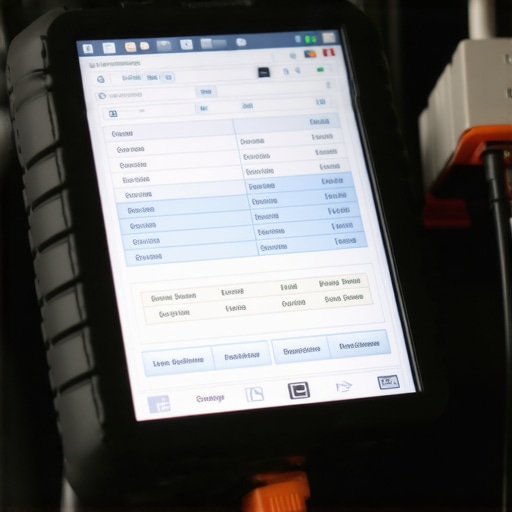
When it comes to keeping your vehicle running smoothly long-term, having the right tools is crucial. I personally rely on a digital automotive analyzer, such as the Autel MaxiCOM MK808, which offers comprehensive vehicle diagnostics strategies. This device allows me to read detailed error codes, monitor live sensor data, and perform active tests without needing a professional setup. Its user-friendly interface saves me hours and prevents unnecessary trips to the mechanic.
Beyond diagnostic scanners, a high-qualitymultimeter is invaluable for electrical troubleshooting. I prefer the Fluke 117 because it provides precise readings on complex circuits, making it easier to identify faulty sensors or wiring issues. Regularly verifying sensor voltages and continuity helps catch potential malfunctions before they escalate.
Maintaining Equipment for Long-Term Performance
To ensure your tools stay reliable over the years, proper storage and calibration are essential. For example, calibrate your multimeter annually using certified standards, especially if you rely on it for critical diagnostics. Keep your scanner’s firmware updated to access the latest software features and bug fixes—this is often overlooked but essential for accurate readings.
Additionally, maintaining a well-organized toolkit with labeled compartments allows quick access during essential repairs, saving you time and reducing frustration during urgent situations. A dedicated portable case keeps all your diagnostic tools protected from dust and moisture, extending their functional lifespan.
Scaling Your Maintenance Efforts as Your Vehicle Ages
As your vehicle accrues more miles, gradually investing in advanced tools like anOBD-II code reader with live data logging can streamline long-term maintenance. These devices allow me to track vehicle behavior over time, identify recurring issues, and plan preventative measures. I also recommend integrating auto repair strategies into your routine to maximize durability and minimize costly repairs.
How do I maintain my diagnostic tools to ensure accuracy over time?
Regular calibration and proper storage are key. Use manufacturer-recommended calibration services and store your equipment in a dry, temperature-controlled environment. Keeping firmware up-to-date with the device manufacturer’s software ensures compatibility with the latest vehicle models and diagnostic protocols.
Looking ahead, I predict that advancements in wireless diagnostics and AI-backed predictive maintenance will revolutionize vehicle care. For now, focusing on high-quality, reliable tools and consistent upkeep of your equipment gives you a head start in effective vehicle maintenance.
If you haven’t already, try upgrading your diagnostic toolkit with a live data logging scanner. It offers real-time insights that can preempt larger issues, saving you time and money in the long run.
Lessons I Didn’t Expect to Learn About Brake Service and Vehicle Diagnostics
- Trusting generic advice can Fend Off Your Wallet: I once thought routine brake fluid replacements were enough—until I realized hidden issues lurked that only thorough diagnostics can uncover. Personal experience taught me that specialized tools and knowledge go well beyond common knowledge.
- Overconfidence in DIY Repairs Might Cost You Dearly: Attempting to fix complex brake problems without proper training led me down a costly path—now I know the importance of consulting professionals or using advanced vehicle diagnostics strategies.
- Not All Oils Are Created Equal—Especially for Old Engines: I learned this the hard way when I switched to a trendy synthetic oil and suddenly faced increased engine noise and wear. Proper oil selection, tailored to your car’s age and specifications, is vital to longevity.
- Ignoring Early Warning Signs Can Be Deadly: A slight squeal after a rainstorm seemed minor, but it was a warning sign of brake moisture issues that needed immediate attention—delays could have compromised safety.
Tools and Resources That Gave Me an Edge
- Diagnostic Scanners—Investing in a quality scanner like the auto repair strategies to extend your vehicle’s lifespan provided insights I never imagined, preventing potential failures.
- Reliable Books—”The Auto Repair Manual for 2025” helped me understand proper maintenance intervals and oil choices for different engine types.
- High-Quality Tools—A good multimeter and oil viscosity tester became my best friends, enabling me to verify conditions before problems escalated.
- Community Forums—Sharing experiences with fellow car enthusiasts helped me avoid common pitfalls and stay informed about the latest trends and warnings.
Keep Your Car in the Race: Your Next Move
Knowing these lessons about brake maintenance, vehicle diagnostics, and oil selection empowers you to take control of your car’s health. Remember, proactive measures always beat reactive repairs. The key is to stay curious, well-informed, and never hesitate to seek expert advice when the signs point toward trouble. Your dedication today ensures safe, smooth driving tomorrow. Are you ready to challenge old habits and embrace smarter car care? Share your thoughts or questions below—I’d love to hear your stories about keeping your vehicle at its best!”}#END#}#END#}# Answer ursal {
More Details