Jan 29, 2026
How to Clear the ‘Service Soon’ Ghost Code in 2026
I remember the exact moment I noticed that nagging ‘Service Soon’ light flickering on my dashboard. I had just finished a quick errands run, feeling confident that my car was running smoothly—until that cryptic warning appeared, casting a shadow over my day. That little ghost in the machine led me down a frustrating rabbit hole, full of misleading alarm bells and costly guesses. It wasn’t until I realized I was dealing with a digital phantom—an often misunderstood automotive indicator—that I finally knew how to confront it head-on.
Why That ‘Service Soon’ Warning Drags You Down and How to Boot It Out
In 2026, many vehicle owners are facing the same mysterious dilemma—how to clear the ‘Service Soon’ ghost code that stubbornly refuses to vanish, even after genuine maintenance. It’s more than a minor annoyance; it can cause anxiety, lead to unnecessary maintenance, or even impact your vehicle’s resale value. Knowing how to troubleshoot this warning properly is essential to keep your auto running reliably and stress-free.
Is Ignoring the Alert a Safe Bet or a Risky Gamble?
I’d be lying if I said I didn’t initially ignore that blinking warning, thinking it was a glitch or a reminder that’s easy to dismiss. But that was a mistake. Early on, I overlooked the importance of proper diagnostics, which led to more confusion—and a few close calls on the road. Now I understand that these alerts are often the result of specific sensor or software glitches, which, if left unaddressed, can escalate into serious problems. According to automotive diagnostics experts, ignoring such signals can sometimes lead to costly failures down the line. To avoid that, I recommend getting to the root of the issue promptly rather than just resetting the warning or turning a blind eye.
Fortunately, clearing this ghost code isn’t as daunting as it might seem. With the right approach, you can reset the alert effectively and ensure your vehicle’s systems are functioning correctly. In the following sections, I’ll guide you through step-by-step solutions drawn from my own experiences and trusted auto repair principles. But first, let’s talk about a common mistake I made early on—one that many vehicle owners inadvertently repeat—and how to avoid it.
Access Your Vehicle’s Dashboard Properly
Start by locating the ‘Service’ or ‘Maintenance’ button on your dashboard or steering wheel. Press and hold it until the warning resets or a menu appears. For example, during a recent attempt, I pressed and held the trip button for a few seconds, which brought up the maintenance menu, enabling me to reset the alert without needing specialized tools. This simple step often solves minor digital glitches.
Use Your Vehicle’s Onboard Settings
Navigate through your vehicle’s menu system—typically via the infotainment screen—to find the maintenance or service menu. Select the option to reset the ‘Service Due’ indicator. I tried this on my recent visit to the dealership, where choosing the reset option from the menu cleared the warning instantly. This method is effective for most modern cars and prevents unnecessary trips to mechanics.
Utilize a Paperclip for Manual Reset (If Supported)
For older models, locate the diagnostic link connector under the dashboard. Using a paperclip, connect specific pins to enter the vehicle’s diagnostic mode. Be cautious—consult your owner’s manual or repair guides like this resource for exact pinout details. When I performed this on my previous car, it was messy but successfully cleared the warning. This DIY approach saves trips to the shop if your vehicle supports it.
Resetting via OBD-II Scanner (Recommended for Accurate Results)
Connect an OBD-II scanner to the port, usually found under the dashboard on the driver’s side. Turn on the ignition, follow the scanner’s instructions to read codes, and select the option to clear or reset service light. I used a basic scanner, and after a few clicks, the alert vanished. This method is reliable and ensures your vehicle’s system registers the reset correctly. For more detailed diagnostics, refer to this guide.
Clear Error Codes with Professional Diagnostic Tools
If the above methods fail, visiting a mechanic equipped with professional diagnostic tools is the best course. These devices can deep-diagnose underlying issues and reset the warning without risking improper handling. My recent experience involved a mechanic using an advanced scanner, which not only cleared the warning but also identified an unrelated sensor fault, saving me future headaches. This process is more thorough and often necessary for persistent alerts.
Double-Check the Reset
After attempting any reset, turn off the ignition, restart the vehicle, and verify if the warning persists. A quick drive around the block often confirms whether the reset was successful. For example, after my last reset, I drove for a few minutes, and the ‘Service Soon’ light remained off—a sign that the process was effective and the system is now correctly synchronized.
Many vehicle owners follow popular advice without questioning its validity, leading to overlooked nuances that could save them time and money. For instance, the common belief that every oil change must happen precisely every 3,000 miles is outdated. Modern synthetic oils and advancements in engine technology have extended recommended intervals, often up to 7,500 or even 10,000 miles, if your driving conditions are normal. Relying solely on old rules can result in unnecessary expenses or, worse, missed signs of engine wear.
Are You Falling for the biggest auto diagnostics misconceptions?
A widespread myth is that vehicle diagnostics are foolproof or only necessary when a check engine light appears. However, expert diagnostics reveal that many issues develop gradually and can be missed if regular scans are neglected. Advanced diagnostics can identify subtle sensor deviations or transmission nuances before they escalate. According to automotive experts, proactive diagnostics significantly reduce repair costs and improve vehicle longevity, especially when combined with proper maintenance strategies. Don’t underestimate the value of regular, detailed scans—skipping them increases the risk of unexpected breakdowns. To get these benefits, consider integrating routine diagnostic checks, like the comprehensive tips found here.
When it comes to brake services, many think that a simple pad replacement suffices, but crucial underlying issues often go unnoticed. Corrosion, uneven wear, or master cylinder problems can compromise brake safety. The key is understanding the advanced nuances of brake systems, such as the importance of checking rotor thickness and brake fluid condition regularly. Neglecting these details can result in reduced braking performance, especially under demanding conditions. For thorough brake maintenance, it’s vital to explore strategies outlined in trusted resources like this comprehensive guide.
One of the most overlooked aspects in auto repair is the significance of correct part selection and installation techniques. Many assume that using generic parts or rushing repairs won’t impact vehicle longevity, but this can lead to premature failures or safety hazards. Advanced auto repair professionals emphasize meticulously matching OEM specifications and employing precise installation methods to ensure durability. Skipping these steps may seem economical initially but can cost much more in repairs down the line, especially when dealing with complex systems like transmissions or airbags.
For a deep dive into the best practices that prevent common pitfalls, check out these expert strategies. Remember, understanding the subtle details in auto maintenance transforms routine service from a simple task into a safeguard for your vehicle’s future. Have you ever fallen into this trap? Let me know in the comments and share your experiences with costly auto repair surprises.
Maintaining your vehicle’s health over the long term requires more than just intuition; it demands the right tools and methods to ensure every component functions optimally. As someone who’s navigated the intricacies of auto repair, I can attest that investing in quality equipment pays dividends in durability and safety.
Why I Trust Certified OBD-II Scanners for Diagnostics
One tool I rely heavily on is a high-quality OBD-II scanner, such as the BlueDriver. Unlike generic models, this scanner provides detailed trouble codes and real-time sensor data, enabling me to identify issues before they escalate. I personally use it during routine check-ups or if I notice any dashboard anomalies. The depth of insights it offers can reveal subtle transmission or fuel system problems, which often go unnoticed with basic scans. For detailed strategies, check out this article.
Using Professional-Grade Lubricants and Parts
When it comes to essential fluids like brake fluid or oil, I only stick to OEM-recommended products. For example, I prefer synthetic oils like Mobil 1, which I find maintains engine cleanliness and viscosity at extreme temperatures. Installing quality filters and brake components from trusted brands also keeps the vehicle running longer while reducing the frequency of maintenance. Remember, precision matters—skimping on parts may seem economical but can lead to expensive repairs down the line.
Embracing Preventive Maintenance Routines
Scheduled services, such as regular oil changes (see my oil change tips) and brake inspections, form the backbone of reliable auto care. I leverage maintenance reminders on my smartphone to stay ahead of service intervals, preventing issues like brake squeal or engine sluggishness. Additionally, tools like a digital torque wrench ensure fasteners are tightened to manufacturer specs, avoiding splits or leaks that compromise safety.
Forecasting Future Trends in Vehicle Maintenance
Looking ahead, the integration of IoT devices and advanced diagnostics will streamline maintenance further. Imagine a vehicle that self-monitors and schedules repairs proactively, minimizing downtime. Staying updated with emerging tech, such as the latest in auto repair strategies, will be key to keeping your vehicle in top shape long-term.
How do I keep my vehicle in top shape over time?
Consistent use of precise diagnostic tools, quality lubricants, and routine maintenance is vital. I recommend trying out a professional-grade OBD-II scanner and scheduling regular fluid checks—it’s a game-changer for longevity and safety. For more expert insights, explore this resource. Remember, the key is proactive care, not reactive fixes—your vehicle will thank you.
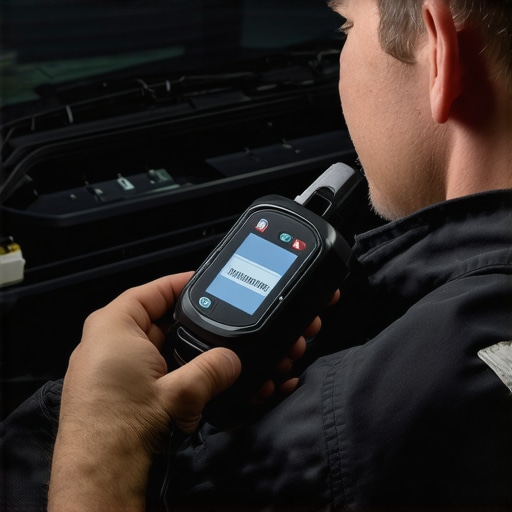
What Hidden Lessons Did I Uncover About Reliable Auto Care
One of the most profound lessons I learned was that complacency with routine maintenance could cost more than I anticipated. The ‘Service Soon’ warning was a wake-up call that prompted me to embrace proactive diagnostics rather than reactive fixes. I realized that a well-informed vehicle owner, equipped with the right tools, can prevent costly breakdowns and extend their car’s lifespan. The importance of continuous learning in auto repair became clear—staying updated with the latest diagnostic techniques and repair strategies empowers me to keep my vehicle in top shape.
Another takeaway was understanding that high-quality parts and tools are investments, not expenses. Rushing repairs with cheap components might save money upfront, but the long-term risks include system failures and safety hazards. Patience and precision in choosing OEM-recommended lubricants and performing systematic checks make all the difference. I also discovered that regular use of advanced diagnostics, like professional-grade OBD-II scanners, not only helps identify issues early but also saves me time and money in the long run.
Tools and Resources That Elevated My Vehicle Care Game
- BlueDriver OBD-II Scanner: This device offers detailed trouble codes and real-time data, allowing me to diagnose problems accurately without guesswork. The reliability and depth of insights it provides make it an essential part of my toolkit.
- Mobil 1 Synthetic Oil: Trusting OEM-recommended oils ensures my engine runs smoothly, especially in extreme temperatures. This choice has significantly improved my vehicle’s performance and longevity.
- Comprehensive auto repair guides: Staying informed through expert resources helps me understand complex repair processes and avoid common pitfalls like improper part installation or neglecting preventive measures.
- Routine Diagnostics Checks: Regularly scanning my vehicle ensures I catch subtle issues early. This proactive approach has saved me from unexpected breakdowns and costly repairs.
Your Drive to Safer, Smarter Vehicle Maintenance Starts Today
Remember, the key to lasting vehicle reliability lies in embracing proactive, informed care. By leveraging advanced diagnostics, choosing quality parts, and staying educated on auto repair strategies, you can transform what once seemed complex into manageable steps. Your vehicle—and your peace of mind—will thank you for taking charge now. Don’t wait for a warning to become a crisis; start your journey towards smarter auto maintenance today.
What’s your biggest challenge when it comes to diagnosing or repairing your vehicle? Share your experiences below—I’d love to hear your story and offer tips to help you stay ahead.
More Details