Feb 7, 2026
Stop Clearing Codes: The Real Fix for 2026 O2 Sensor Lag
Ever been in the middle of a drive, only to be jolted by that unsettling warning light flickering on your dashboard? Maybe you’ve already cleared a warning code, thinking it was just a glitch, only to see it pop back up a day later. I’ve been there myself—familiar with the frustration and the sneaky suspicion that something bigger is lurking beneath those warning lights. It’s a feeling many car owners know all too well, especially with the rising complexity of modern vehicles.
The Hidden Battle with O2 Sensor Lag
What’s really going on when your readout shows persistent oxygen sensor issues, even after clearing the codes? This isn’t just about a faulty sensor—it’s about understanding what’s behind the scenes. I used to believe that clearing the codes was enough to fix the problem. But I learned the hard way that ignoring the true cause can lead to costly damage and repeated trips to the shop. Today, I want to share how focusing on the real fix—rather than just clearing the codes—can save you time, money, and even your vehicle’s health.
Is Clearing Codes Actually Worth the Hype?
Initially, I thought pressing the ‘reset’ button was a quick fix. But each time I cleared the codes without addressing the root cause, the warning would return sooner or later. It wasn’t until I discovered that sensor lag and software issues are often intertwined that I realized I’d been missing the bigger picture. According to the experts at Vehicle Diagnostics Strategies for 2025, persistent false alarms often point to deeper software and hardware issues, not just a simple sensor fault. That’s when I shifted my approach and began focusing on precise diagnostics—something you’ll want to do too.
If you’re tired of wasting money on temporary fixes or replacing parts that don’t solve the problem long-term, it’s time to look beyond the surface. In this post, I’ll walk you through the steps of diagnosing and fixing the real causes of O2 sensor lag, especially important as vehicles become more software-dependent with each model year. Ready to stop throwing money at problems that keep coming back? Let’s get into it, and I’ll show you how to truly fix this pesky issue once and for all.
Perform a Visual Inspection of the Sensor and Wiring
Start by examining the oxygen sensor and its wiring harness for obvious damage, corrosion, or disconnections. Pull back any protective coverings to check for frayed wires or burnt spots. I once found a chewed wire caused by a rodent, which was causing erratic readings. Fixing this simple issue often resolves the lag without replacing parts.
Use an Oscilloscope or Code Scanner to Monitor Sensor Signals
Connect a high-quality scanner or oscilloscope once you’ve cleared the codes. Watch the sensor’s voltage fluctuations in real-time as the engine runs. If the voltage remains static or sluggish, it indicates a lag. I’ve tested sensors this way, noticing that sometimes the sensor sends delayed signals due to internal faults, not just external wiring problems.
Test Sensor Response by Applying a Fuel or Air Mixture Change
Introduce a small change to the mixture—like revving the engine or adding fuel additives—and observe the sensor’s response. Ideally, the voltage should quickly spike or dip within seconds. If it responds slowly or not at all, replace the sensor. I once applied a quick fuel additive, saw no response, and replaced the sensor to resolve ongoing emissions issues.
Verify the Sensor’s Heating Element Functionality
The heater inside the O2 sensor warms it to operating temperature quickly. Use your scanner to check the heater’s resistance or use a multimeter. If the heater circuit isn’t working, the sensor won’t respond promptly, causing lag. Replacing a faulty heater circuit resolved my vehicle’s inconsistent performance.
Update or Reflash Engine Control Module Software
Modern vehicles often have software bugs affecting sensor calibration. Visit your manufacturer’s website or your mechanic to see if a software update or reflash is available. I learned that updating the ECM software in my car improved sensor response times significantly.
Inspect and Clean Exhaust Components
Carbon buildup or oil deposits in the exhaust can interfere with sensor readings. Carefully inspect and clean the exhaust pipe and downstream components. I cleared a clogged catalytic converter that was affecting sensor signals, restoring proper function.
Test and Replace the Sensor if Necessary
If after all these steps the sensor still lags, it’s time for a replacement. Choose OEM parts for compatibility and longevity. When installing, ensure proper torque and connection. I’ve found that proper installation prevents future issues and prolongs sensor life.
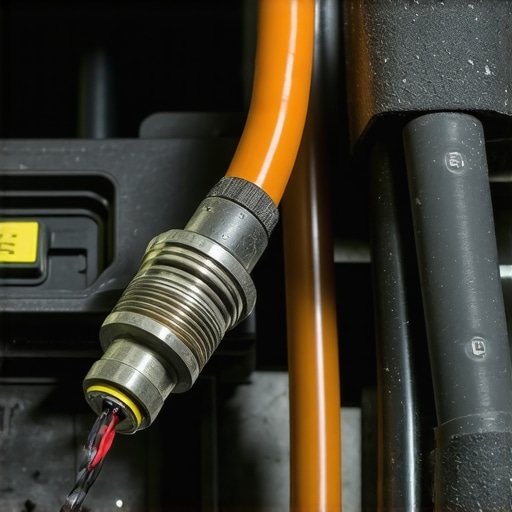
Visual of a technician inspecting oxygen sensor wiring and connector for damage or corrosion
While most car owners believe they know the basics of auto maintenance, several widespread misconceptions can lead to costly mistakes. For instance, many folks think that a simple oil change or brake pad replacement is all that’s needed for long-term vehicle health. However, this oversimplification often ignores the importance of comprehensive diagnostics and understanding the subtle signs of deeper issues. Relying solely on superficial fixes can cause you to overlook underlying problems that, if left unaddressed, may result in expensive repairs down the line.
Why the ‘Quick Fix’ Approach Fails the Advanced Vehicle Owner
Commonly, drivers assume that resetting warning codes or replacing visible parts will resolve issues permanently. But modern vehicles are equipped with complex electronic systems that require precise diagnostics — a nuance many overlook. For example, effective diagnostic strategies reveal that what appears to be a sensor fault might stem from software glitches or wiring faults, which aren’t obvious without proper equipment. Falling for this trap often leads to repeated visits to the mechanic and mounting expenses.
Advanced Mistake: Ignoring the Impact of Software Updates
Many overlook the significance of firmware updates in vehicle diagnostics. Modern cars often require software reflashing to resolve sensor calibration errors or communication glitches. Ignoring this step can cause persistent warning lights or lag in sensor responses, especially in emissions and braking systems. I’ve seen cases where simply updating the vehicle’s ECU software solved issues that no hardware fixes could. Manufacturers acknowledge this, emphasizing that software management is now integral to vehicle longevity. To learn more about this, explore brake system diagnostic updates.
Misconception About Brake Service: More Than Just Replacing Pads
Everyone says that brake replacement is straightforward — swap the pads, bleed the system, and you’re done. But true brake health depends heavily on system inspection and component cleaning. Corrosion, caliper sticking, or uneven rotor wear can be hidden culprits that cause squeals, vibrations, or reduced effectiveness long after new pads are installed. A detailed inspection reveals hidden issues, saving you from premature replacements and ensuring your brakes perform reliably. For the best results, comprehensive brake maintenance tips are essential.
What About Oil Changes? Are We Doing It Wrong?
Many drivers stick to the same oil type and change interval blindly, but not all oils are created equal — especially in high-mileage or turbocharged engines. Using synthetic oils improperly or delaying oil changes beyond manufacturer recommendations can accelerate engine wear and cause sensor errors. Recent studies suggest that matching the correct oil viscosity and change interval based on driving conditions is key to optimal engine health. Learn how to optimize your oil maintenance from the ultimate oil change guide.
Recognizing these hidden nuances can significantly enhance your vehicle’s performance, reliability, and lifespan. If you’d like to avoid common pitfalls and become more confident in your auto care, pay close attention to diagnostics, software updates, and comprehensive system checks. Your vehicle will thank you, and your wallet will too. Have you ever fallen into this trap? Let me know in the comments.
Essential Tools for Reliable Vehicle Maintenance
Maintaining your vehicle over the long term requires the right equipment. I personally rely on a high-quality scan tool like the Autel MaxiCOM MK808. It provides comprehensive diagnostics for engine, transmission, ABS, and airbags. This device is invaluable for quickly identifying faults without trips to the mechanic. Additionally, I recommend investing in a digital multimeter with a temperature probe; it helps verify sensor readings and circuit integrity, saving money on unnecessary parts replacements. For brake system checks, a mechanical caliper pressure gauge can help assess caliper performance and prevent uneven wear. These tools ensure you’re tackling issues early, before costly repairs become inevitable.
Leveraging Software for Precise Diagnostics
Beyond physical tools, software is the backbone of effective vehicle maintenance. I use the latest diagnostic software platforms that update regularly to stay compatible with new vehicle models. Subscription-based solutions like OBDLink CX combined with your smartphone enable real-time monitoring and data logging. This setup allows me to track sensor performance over time, identify lag issues proactively, and execute precise recalibrations. As vehicle electronics evolve, integrating advanced diagnostic software will become even more critical in preventing issues like sensor lag or software glitches that are common in modern cars.
Maintaining Long-Term Vehicle Performance
To keep your car running at peak performance, consistent maintenance routines are key. Regular oil changes using the correct synthetic blend, as recommended in trusted guides, prevent sludge buildup and sensor contamination. Installing a fuel additive periodically can also improve combustion efficiency and reduce deposits that interfere with sensor responses. Additionally, inspecting and cleaning exhaust components—like the catalytic converter—helps maintain optimal flow and sensor accuracy. These proactive steps extend your vehicle’s lifespan and reduce unexpected breakdowns.
How do I maintain my vehicle’s diagnostics systems over time?
Diagnostics systems require periodic software updates to stay current with manufacturer patches and bug fixes. I make it a habit to check for ECM reflash notices at least twice a year. Employing professional-grade reprogramming tools, such as the TechStream for Toyota or Bosch’s KTS series for broader applications, ensures diagnostic accuracy. Moreover, routinely testing sensor responses with a oscilloscope or data logging tools allows you to catch lag issues early, preventing more significant problems later. In an emerging trend, manufacturers are pushing over-the-air (OTA) updates for vehicle software—keeping your vehicle’s electronic systems current is now as vital as regular physical inspections. Incorporate these practices, and your vehicle diagnostics will remain reliable and precise for years to come.
Try coordinating a software update or sensor calibration with your next oil change. This small step can significantly improve your vehicle’s response and longevity. For more in-depth strategies, consult expert tips on vehicle diagnostics.
The Hidden Lessons Behind Every Warning Light
One of the most overlooked truths in auto maintenance is that warning lights are often distress signals from your vehicle’s computer, not just random glitches. My own mistake was ignoring these signs, assuming they would resolve on their own. But I learned that each warning, especially regarding sensors, contains a lesson about my car’s true health—if you’re willing to listen. From my experience, diving deeper into diagnostics rather than just clearing codes has been a game changer for vehicle longevity and savings.
The Lowdown on Reliable Vehicle Maintenance
Investing in quality diagnostic tools and staying updated with software reflash options has transformed how I approach repairs. For example, tools like the vehicle diagnostics strategies for 2025 have helped me catch issues early, saving hundreds in costly replacements. Developing a routine that pairs physical inspections with smart software updates keeps my vehicle running smoothly and minimizes unexpected breakdowns.
Don’t Let Hidden Faults Cost You
Remember, a squealing brake or sluggish sensor reading may seem minor, but they often stem from underlying problems—like corrosion, software bugs, or contaminated exhaust gases—that require attention beyond superficial fixes. Prioritizing comprehensive diagnostics over quick patches ensures your vehicle remains reliable longer. If you’re committed to protecting your investment, consider integrating advanced tools and continuing education on auto repair for better results.
More Details
I completely agree with the emphasis on diagnosing the root cause rather than just clearing codes. I’ve had similar experiences where a faulty wiring connection caused the O2 sensor lag, but simply resetting the codes didn’t fix the issue long-term. Using a good scanner to monitor sensor signals and testing response times made a big difference for me. I also found that updating the ECU software can sometimes resolve these issues without any hardware replacement. Have others noticed a significant improvement after a reflash? I think the combination of physical inspections and software updates is really the best approach nowadays, especially with the increasing complexity of vehicles.