Feb 19, 2026
4 Stealth 2026 Vehicle Diagnostics Errors You Can’t Ignore
Ever been stranded on the side of the road because of a mysterious dashboard light or strange engine noise? I vividly remember that sinking feeling when my car suddenly jerked, and the check engine light blinked ominously. It was a lightbulb moment for me—realizing that some diagnostics errors aren’t just annoying; they can be stealthy threats to my vehicle’s health.
Why Ignoring These Stealth Errors Can Cost You Big Time
In my years of working on cars, I’ve learned that not all warning signs are loud or obvious. The 4 stealth diagnostics errors of 2026 tend to hide in the shadows, quietly sabotaging your engine, transmission, or brakes. If left unaddressed, these issues can lead to costly repairs or even dangerous breakdowns. It’s crucial to understand what to look for and how to spot these hidden signals early.
Is Your Diagnostic Scanner Giving You False Confidence?
I used to rely heavily on my scanner, assuming if it didn’t flag anything, my vehicle was fine. That was a rookie mistake. These devices can sometimes miss critical issues—especially in the complex electrical and sensor systems of 2026 vehicles. Misinterpreting these errors could mean the difference between a quick fix and a hefty bill. That’s why I’m passionate about sharing firsthand insights and reliable strategies to decode these silent warnings effectively.
So, if you’ve ever felt uneasy about whether your vehicle’s hidden errors are silently damaging it, or if you suspect your scanner might be lying, stay tuned. We’re about to dive into proven tactics to identify and handle these sneaky errors, saving you time, money, and stress. Ready to become your car’s best detective? Let’s get started.
,
Get Hands-On with Your Diagnostic Tools
Start by investing in a reliable diagnostic scanner tailored for 2026 models. Unlike generic devices, advanced scanners can detect subtle faults, such as hidden electrical shorts or sensor malfunctions. I learned this firsthand when my scanner failed to identify a misfiring sensor until I upgraded to a model compatible with newer CAN bus systems. Once I used the right tool, I was able to pinpoint a faulty oxygen sensor that was causing poor fuel economy.
Calibrate and Update Your Equipment Regularly
Calibration is crucial; an outdated scanner can give false negatives, leading you to overlook critical issues. Keep your diagnostic tools updated with the latest firmware designed for 2026 vehicle systems. This proactive step ensures you’re catching errors like ghost codes or misaligned lidar calibration errors. Remember, tools are only as good as their latest updates, much like a smartphone needs OS patches to function correctly.
Interpreting Error Codes Effectively
When a warning light appears, do not rush to clear it immediately. Instead, consult the error codes and research their specifics. For example, a P0A80 code might indicate hybrid battery issues that simple scans won’t show. Cross-reference these codes with resources like the official repair guides or trusted online forums. I once ignored a code for regenerative brake wear, assuming it was a false alarm, only to find it was a sensor malfunction that could have led to brake drag if left unaddressed.
Identify and Test the Suspected System
Once you have the code, isolate the component—be it a sensor, actuator, or wiring harness. Use a multimeter or a spare sensor to test the suspected part before replacing it. For instance, I replaced a suspected throttle position sensor after confirming its irregular voltage readings, which improved my engine response significantly. This prevents unnecessary parts swapping and saves money.
Cross-Verify with Physical Inspection
Numbers are helpful, but physical inspection provides context. Check wiring connections, corrosion, and physical damage that may not be apparent in error codes. I found a loose grounding wire after reading my scanner’s data, which was causing intermittent communication errors with my ECU. Pairing digital diagnostics with hands-on inspection is your best bet in catching sneaky errors.
Be Aware of External Factors
Environmental influences, like 5G signals or electromagnetic interference, can mimic error codes or disrupt sensor readings. When troubleshooting persistent errors, consider recent changes in your surroundings or recent software updates. For example, I noticed my vehicle’s proximity to a new 5G tower coincided with unexplained sensor glitches—prompting me to move my garage equipment away from certain signals.
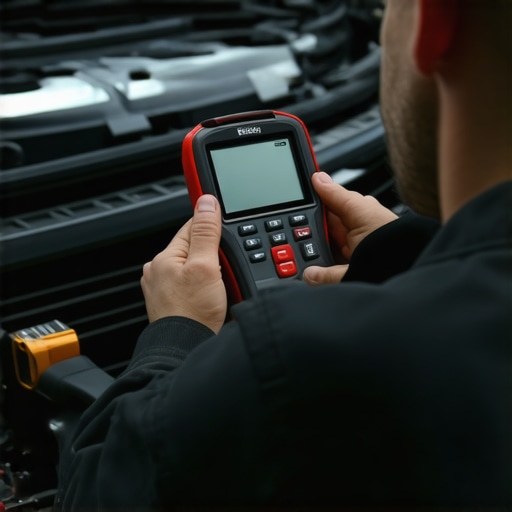
Common Misconceptions That Could Cost You
Many car owners believe that frequent oil changes are solely about preventing engine wear, but in reality, there’s more nuance involved, especially with the advent of 2026 vehicle technologies. Relying solely on traditional wisdom can lead to overlooked issues like synthetic oil pitfalls, which can harm high-performance engines if not managed correctly. For instance, some assume that topping up oil is enough, but ignoring synthetic oil change mistakes can accelerate engine degradation. Knowing these finer points is essential for truly effective maintenance.
Braking Myths That Lead You Astray
Many drivers think that brake pads are the only component to worry about during service. However, modern brake systems, especially in 2026 models, involve complex electronic and hydraulic components that are often misunderstood. For example, a frequent mistake is neglecting the importance of brake fluid quality and the integration with regenerative braking systems in hybrids. Overlooking issues like brake fluid degradation or misdiagnosing sensors can lead to compromised safety and costly repairs. Regular, informed inspections are key to avoiding these pitfalls.
Digitally-Driven Diagnostics: Know the Limits
Vehicle diagnostics have become more sophisticated, but many assume that the latest scanner can catch every issue. That’s a dangerous misconception. Advanced scanner technology can sometimes miss nuanced problems like hidden electrical shorts or sensor anomalies caused by external factors such as 5G interference or electromagnetic signals. Relying solely on digital readouts without physical inspection can result in overlooked faults, especially with complex electrical architectures in 2026 vehicles. Combining diagnostics with hands-on checks ensures you’re not fooled by glitched readings.
Are You Overlooking External Influences?
Many car owners don’t consider environmental factors impacting their vehicle’s health. Conditions like electromagnetic interference from nearby 5G infrastructure can mimic error codes or cause sensors to malfunction temporarily. An informed mechanic or DIY enthusiast will consider these external influences during troubleshooting. Recognizing when ambient conditions interfere with diagnostics helps prevent unnecessary repairs or misdiagnoses. For example, recent studies show that electromagnetic interference can disrupt critical sensor data, leading to false warnings that, if ignored, might cause more damage.
Have you ever fallen into this trap? Let me know in the comments. Mastering the nuances of modern auto repair isn’t just about knowing what to check—it’s about understanding what often trips up even seasoned professionals and how to navigate those pitfalls effectively.
Tools That Keep Your Car Running Smoothly
Investing in the right diagnostic and maintenance tools can make all the difference in keeping your vehicle in top shape over the years. I personally swear by the use of advanced scan tools like the Autel MaxiSYS series, which offers comprehensive coverage for 2026 models, including complex electrical diagnostics, sensor testing, and software calibration. Unlike generic code readers, these models can interpret manufacturer-specific codes and help identify issues like hidden electrical shorts your scanner might miss. Using a quality scanner not only saves time but also prevents misdiagnoses that could lead to unnecessary repairs.
Why Regular Software Updates Are Essential
Modern vehicle diagnostics rely heavily on software. I update my scanner firmware at least quarterly, ensuring it recognizes the latest error codes and calibration routines for 2026 vehicle systems. Firmware updates often include patches for issues related to interference from 5G signals, which can disrupt sensor data. These updates are straightforward—simply connect your device to Wi-Fi, and the manufacturer’s app guides you through the process.
Long-Term Maintenance Strategies That Pay Off
If you want your vehicle to last, don’t neglect the importance of proactive maintenance. For example, regularly changing synthetic oil with proper additives can prevent deposits and sludge formation, especially in high-output engines, as detailed in this guide on synthetic oil mistakes. Additionally, I recommend periodically inspecting brake components and fluid quality—especially in the context of regenerative braking systems—by following these brake service tips. Consistent care prevents minor issues from escalating into costly repairs and ensures your safety on the road.
Scaling Up Your Maintenance Routine
As vehicles become more technologically advanced, scaling your maintenance approach involves integrating diagnostic data with physical inspections. For instance, combining error code analysis with visual checks of wiring harnesses and sensors can uncover problems that digital scans miss, such as AI sensor errors caused by external interference. To stay ahead, develop a routine that pairs data-driven diagnostics with a careful physical review, especially after exposure to harsh environments or recent software updates.
How do I maintain vehicle diagnostics over time?
Maintain your diagnostic tools by updating firmware regularly, calibrating sensors as recommended by the manufacturer, and cross-verifying error codes with physical inspections. Over time, this multi-layered approach reduces the risk of false positives and overlooked faults, keeping your vehicle safe and reliable. For added confidence, try using an external device like the high-precision multimeter to test suspect components before replacing them, thus saving money and time. Remember, consistent maintenance combined with the right tools ensures your vehicle’s long-term health. Want a quick win? Start by scheduling regular software updates and see how much smoother your diagnostics become, especially as new vehicle features roll out.”
}**}** **
**
Every seasoned car owner has faced that moment of dread when an unfamiliar warning light flickers on or a faint squeal sounds from the brake area. My own eye-opening experience came when I ignored a subtle sensor warning, only to face a costly repair later. It taught me that not all vehicle issues shout for attention; many lurk behind the scenes, waiting to cause trouble if left unchecked.
The Hardest Lessons I Learned About Vehicle Diagnostics and Maintenance
- Not all scanner readings are trustworthy: I once believed my diagnostic tool showed everything was fine—until a tiny sensor fault caused major fuel inefficiency. Upgrading to a more advanced scanner designed for 2026 systems revealed errors I hadn’t suspected.
- Environmental factors can trip you up: Nearby 5G signals and electromagnetic interference can mimic genuine error codes. Recognizing external influences has helped me avoid unnecessary part replacements and repairs.
- Physical inspections complement digital diagnostics: Numbers tell part of the story, but a thorough visual check—wiring, connectors, physical damage—can uncover issues that code readers miss. Pairing these checks improves diagnostic accuracy considerably.
My Essential Toolkit for Diagnosing and Maintaining Modern Vehicles
- Autel MaxiSYS Series: I trust these for their comprehensive coverage of 2026 vehicle systems, especially their ability to detect elusive electrical shorts. Their firmware updates keep me ahead of new error codes.
- High-Precision Multimeter: A reliable multimeter helps me test suspicious components before replacing them, saving time and money.
- Trusted Repair Guides: Resources like repair forums and official manufacturer manuals are vital for understanding complex codes and calibration routines, like lidar or sensor alignment.
Embrace the Future: Take Control of Your Vehicle’s Health
Knowledge is power—especially when it comes to auto diagnostics. As vehicle technology accelerates, staying informed, investing in quality tools, and performing regular physical inspections can keep your car running smoothly and safely. Remember, the key to long-term vehicle health isn’t just about fixing problems as they arise, but preventing them through proactive, knowledgeable care.
Have you ever encountered a hidden error that caught you off guard? Share your story below, and let’s learn from each other’s experiences as we navigate the evolving landscape of vehicle diagnostics and maintenance.
More Details